The announcement: a replacement programme, not an expansion
On 25 September 2026, Canpotex announced a CA$500 million investment in Neptune Bulk Terminals at the Port of Vancouver and broke ground the same day. The company calls it the largest supply chain investment in its history. According to the official announcement, the project will replace and modernise essential marine and terminal infrastructure, explicitly including the shiploaders, the conveyors and the dumper pit used to unload railcars and load vessels. Construction is expected to be completed in 2028, and Canpotex states that customer shipments will continue uninterrupted throughout the works. Canpotex describes Neptune as the world's largest potash export terminal and the Port of Vancouver as the most critical export gateway for Saskatchewan potash. This is not a capacity headline attached to a new berth or a new terminal: the money is aimed at the machines already doing the work.
The chain being rebuilt: dumper pit, covered storage, conveyors, berths
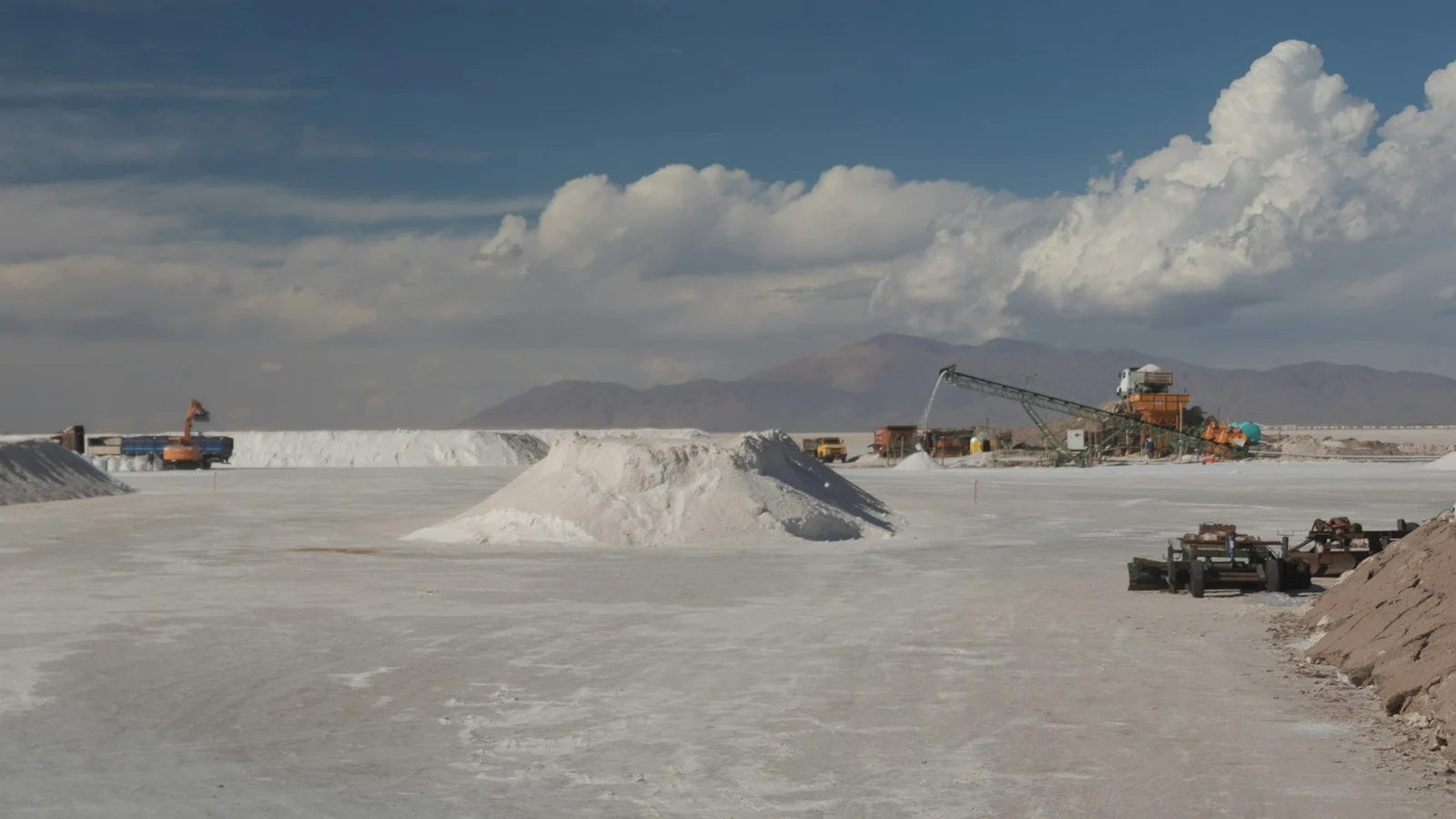
The equipment list in the announcement maps one-to-one onto the terminal's materials handling chain. Potash arrives from Saskatchewan mines by rail, much of it in Canpotex's own fleet of more than 8,500 custom railcars. At Neptune, trains are unloaded through the dumper pit system, and the fertiliser is either moved into covered storage or transferred onward by conveyor to the loading berths. Neptune operates dedicated potash loading infrastructure at Berths 2 and 3 and works around the clock. Trade reporting based on the terminal's own description puts roughly 70 percent of Canpotex's potash through Neptune, and more than 15 million tonnes of Canadian potash move through the Canpotex supply chain each year to over 140 customers in more than 40 countries. The C$500 million also builds on nearly C$1.5 billion that Canpotex says it has invested at Neptune over the past twenty years, so renewal at this terminal is a continuing programme rather than a one-off event.
Why now: fifty-year-old shiploaders and a throughput ceiling
Two facts explain the timing. First, age: Fertilizer Daily, citing Port of Vancouver project documents, reports that some of Neptune's existing potash shiploaders have been in operation for more than 50 years. Second, headroom: the Globe and Mail reported on the announcement that in most years the terminal reaches about eight million tonnes of exports, while after the investment Canpotex expects to be able to move 11 million tonnes regularly. The gap between those figures is unused capacity locked up by ageing equipment. The company's own framing is reliability rather than growth. President and CEO Gordon McKenzie said the investment starts with reliability and with customers needing confidence that Canadian potash will arrive when they need it, year after year. The risk behind that framing is concrete: during the 2023 Port of Vancouver labour disruption, Canpotex temporarily withdrew new potash sales offers after losing export capacity at Neptune, a reminder that a single corridor concentrates both volume and vulnerability.
How the money flows: local content first, equipment suppliers not yet named
Canpotex expects construction to support 400 to 500 jobs and estimates that 85 to 90 percent of project spending will be directed to Canadian suppliers and contractors. That local-content share is part of the announcement itself, not a later procurement detail, and it tells equipment suppliers where most of the addressable spend will sit. What the announcement does not contain is equally important for buyers and suppliers watching the project: it names no shiploader manufacturer, no conveyor system supplier and no prime contractor for the equipment packages. As of this article's publication, who will actually supply the machines is unannounced. The commercial events that matter to the conveying industry - package definitions, tender lists and awards for the loaders, the conveyor systems and the dumper pit rebuild - still lie between now and the 2028 completion date.
The specification questions a live-terminal rebuild has to answer
The Neptune programme is a useful template for any buyer replacing handling equipment at a terminal that cannot close, because the hard questions are contractual before they are mechanical. The questions below are this journal's reading of what such a specification must pin down; they are not Canpotex's published tender terms, which are not public. First, the cutover: 'shipments continue uninterrupted' has to be converted into an acceptance condition - berth-by-berth phasing, temporary loading arrangements and a proven fallback before an old loader is retired. Second, the interfaces: dumper pit rate, storage reclaim and shiploader rate must be specified as one chain, or three separate packages will each meet their own number while the terminal misses its tonnage. Third, the environment: potash is a dusty, corrosive cargo in a marine atmosphere, so dust control, washdown tolerance and corrosion protection for belts, galleries and loader structures need explicit provisions rather than catalogue defaults. Fourth, redundancy: with two dedicated potash berths, what availability is required from the surviving loader while its neighbour is being rebuilt? Fifth, lifecycle: the outgoing loaders have run for more than five decades, so design life, spares holding and support terms are being bought for a similar horizon, not for a warranty period.
What to watch, and how this differs from a greenfield conveyor story
Two things are worth tracking from here. The first is the equipment awards: when package suppliers are named, the industry will learn what a 2020s potash terminal buys when it replaces 50-year-old loaders - rated capacities, dust-control arrangements and automation scope will all be specification signals for other fertilizer and bulk terminals. The second is delivery against the promise that shipments continue uninterrupted through to 2028, because that promise, not the budget, is the programme's real performance test. The contrast with greenfield projects is instructive. At a new mine, the conveyor is usually one line in a long project release and its specification stays invisible for years; here, replacement of named equipment classes is the headline itself. And unlike the trend toward buying conveying as a contracted service, this is hardware renewal bought outright by the cargo owner. For terminal buyers elsewhere, the transferable lesson is sequencing: at a working terminal, you buy the cutover plan together with the machines.
Manufacturer announcements and our analysis are distinguished. Product claims require verification for the specific application.
Sources
Canpotex announces $500 million investment in Neptune Bulk Terminals - Canpotex ↗The buyer's own announcement (25 September 2026), opened in full: primary source for the CA$500 million figure, the replacement scope (shiploaders, conveyors, dumper pit), the 2028 completion target, uninterrupted shipments during construction, 400-500 jobs, the 85-90 percent Canadian supplier share, the 8,500-railcar fleet and nearly CA$1.5 billion invested at Neptune over 20 years. It names no equipment supplier, which this article states explicitly.
Potash giant Canpotex investing $500-million in Vancouver port terminal - The Globe and Mail ↗National newspaper report of the announcement (25 September 2026, read via Republic of Mining's republication): source for the throughput figures used here - about eight million tonnes of exports in most years today, rising to a regular 11 million tonnes after the investment. The full Globe and Mail text sits behind its own paywall; the figures were read in the republished portion.
Canpotex Invests C$500M in World's Largest Potash Export Terminal - Fertilizer Daily ↗Fertilizer trade outlet's project synthesis (September 2026), opened in full: source for the 50-plus-year age of some existing shiploaders (attributed there to Port of Vancouver project documents), the roughly 70 percent share of Canpotex potash moving through Neptune, the dedicated potash Berths 2 and 3, covered storage and the 2023 labour-disruption episode. It is a secondary synthesis, so terminal-specific claims are attributed in the text rather than stated as this journal's own findings.
Canpotex declares $500M to revamp Port of Vancouver potash terminal - Grainews ↗Canadian farm-press report (Glacier FarmMedia, 25 September 2026): independent same-day confirmation of the groundbreaking, the investment figure and the 'largest ever supply chain investment' wording in Canpotex's release. Short-form trade reporting; used here only to corroborate the announcement facts, not for terminal detail.