The reported percentage has a stated basis
In a case story dated 18 February 2026, STEINERT reports that ReSource Waste Services increased non-ferrous recovery from 0.4% to more than 1.4% when measured against total input material. The story concerns construction-and-demolition recycling in New England. These are the supplier's reported customer figures; this publication has not audited the measurements.
The important detail for a conveyor-system buyer is the denominator. A recovered-metal share of all incoming waste describes a different ratio from the share of available metal that a machine captures. The figures should not be relabelled as separator efficiency or treated as the metal content of another site's feed.
The case is dated February, rather than presented as a fresh November installation. Its useful contribution is a concrete example of why the measurement basis belongs with a performance claim.
Define which material crosses the conveyor boundary
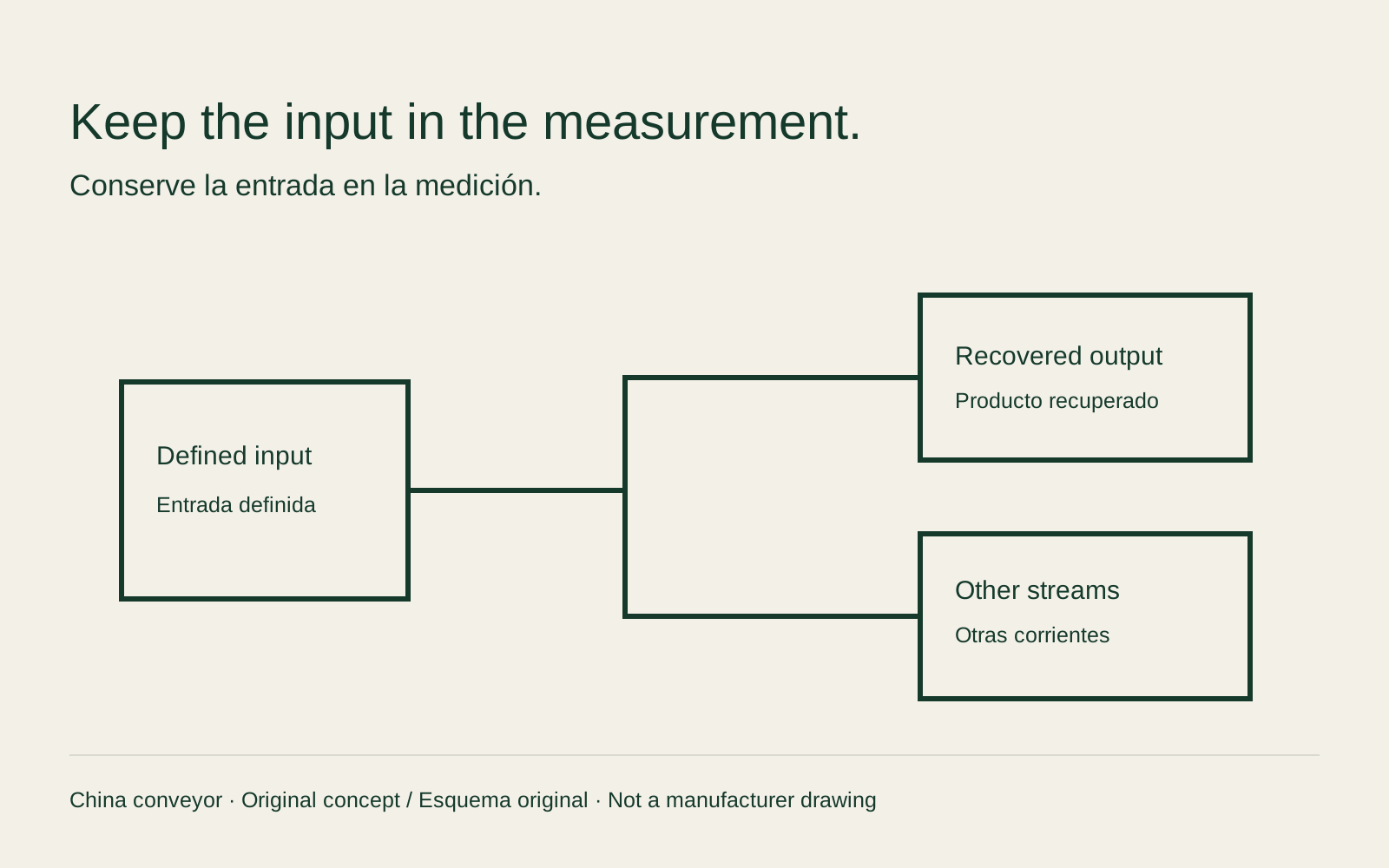
Before comparing results, define the stream being measured and the points where it is sampled or weighed. Is the incoming material the entire site's waste intake or a prepared fraction presented to a particular conveyor? Which outlet is included in the recovered product, and what happens to the other streams?
A purchasing brief should identify the equipment boundary without inventing a result. Give the supplier a representative material description and ask it to specify the sample and conditions needed for its proposed assessment. If the feed preparation or fraction changes, retain that change with the evidence instead of comparing two percentages as though the inputs were identical.
The recovered output also needs a description. Agree how quantity and quality are reported and which records relate the output to the input represented. A headline about additional recovery cannot answer every question about the material a customer intends to sell.
These are editorial measurement questions raised by the case. They do not claim that ReSource used an unspecified sampling method or that we have established a different result.
The separator is also a conveyor maintenance purchase
STEINERT's EddyC product page describes a self-supporting frame concept intended to simplify conveyor-belt replacement and improve access to the separation area. For a proposed installation, ask which version and access arrangement are included, and how they fit the surrounding conveyors. Manufacturer service-time claims should remain linked to their stated configuration.
The quotation can identify the replacement belt, access space and support responsibilities without promising a plant-wide maintenance outcome. Keep the approved component references with the installed equipment record. Changes to feed preparation, belt configuration or surrounding equipment should be reviewed by the responsible suppliers.
A useful acceptance record connects a defined material stream, an identified machine and an agreed observation period. The case can motivate that discussion, while the actual project's evidence remains its own.
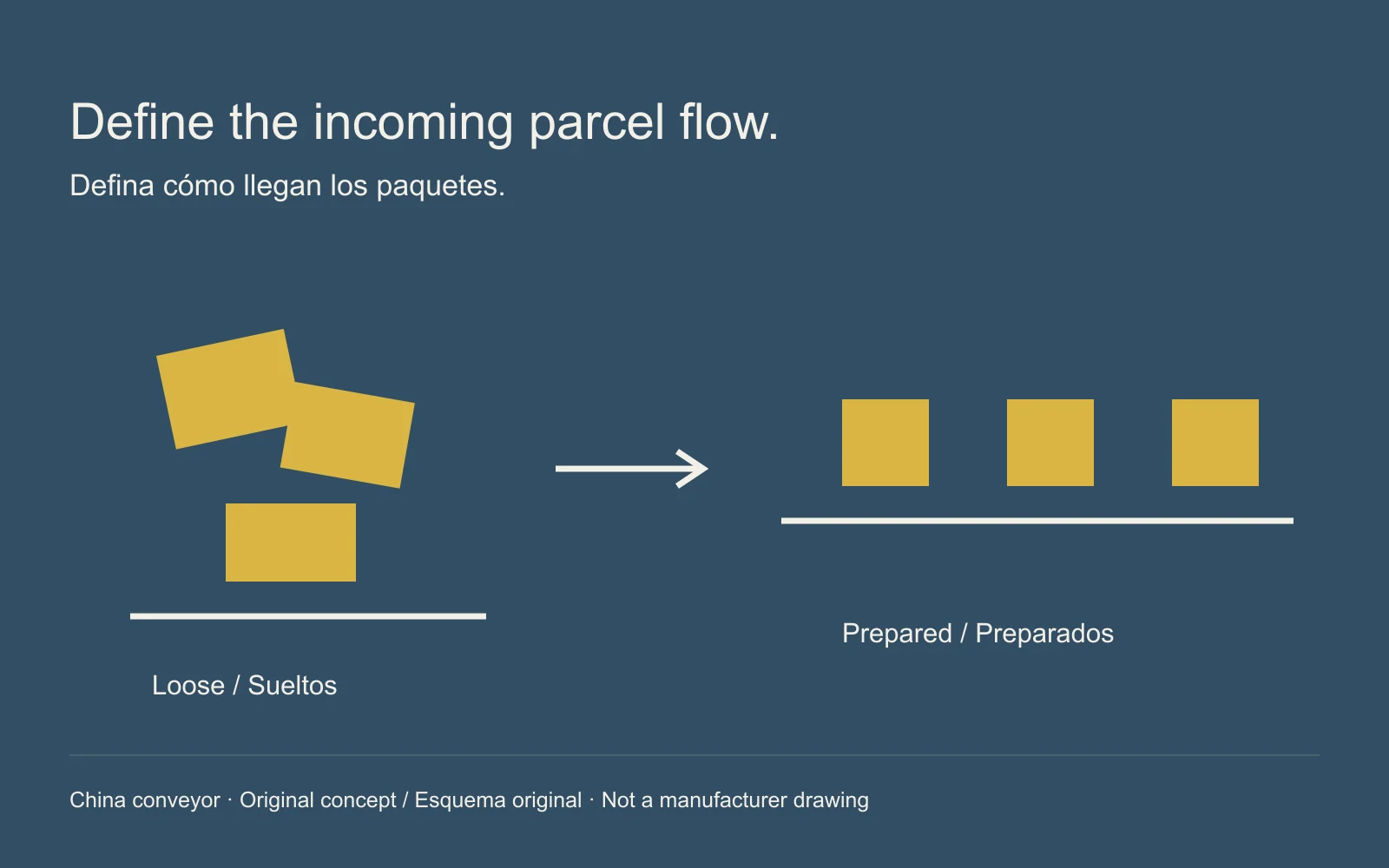
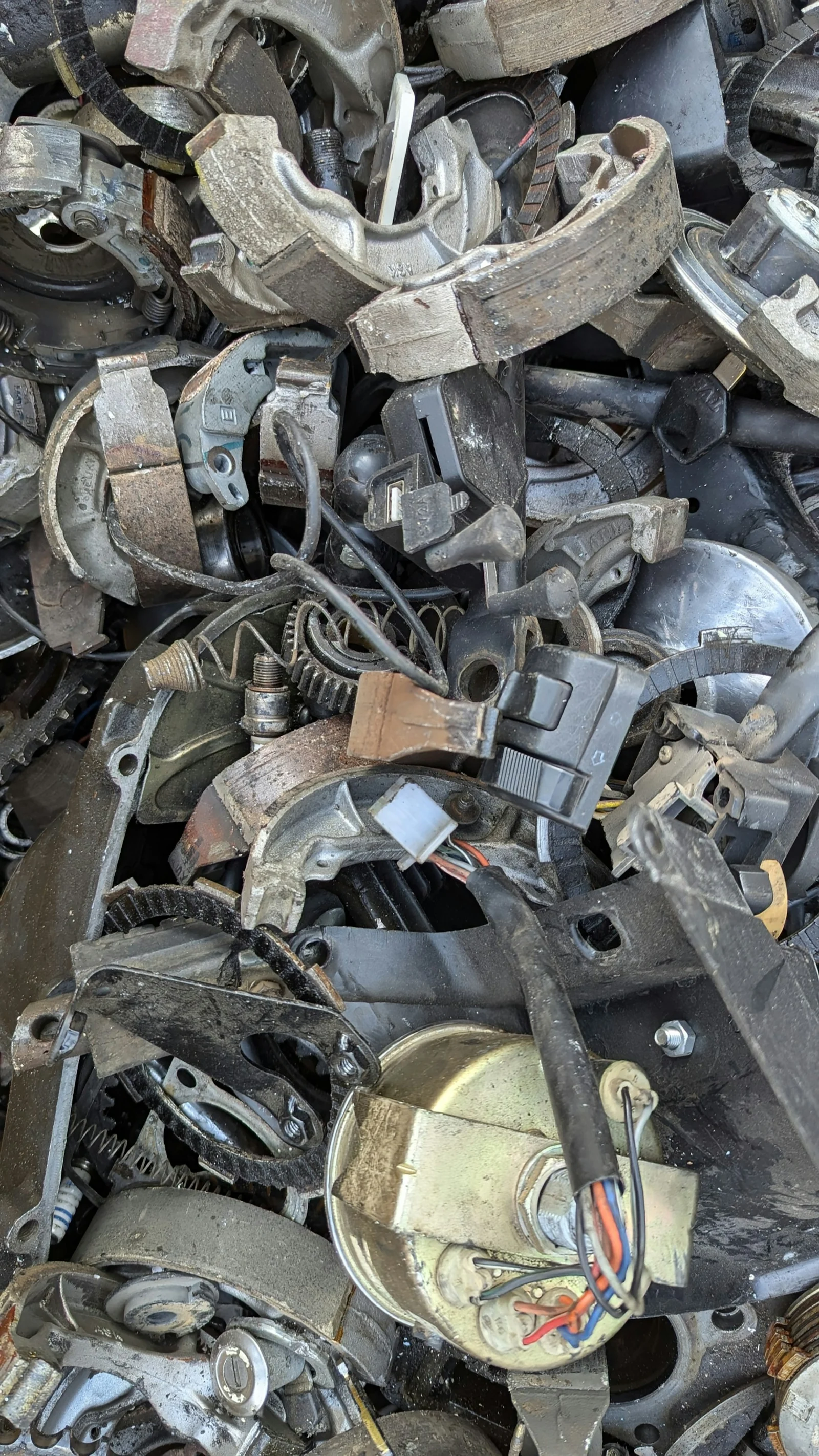
The mixed-metal photograph shows discarded mechanical parts, not ReSource's construction-waste feed or recovered non-ferrous product. The original illustration shows measurement boundaries only, with no invented recovery curve or sample result.
Manufacturer announcements and our analysis are distinguished. Product claims require verification for the specific application.
Sources
STEINERT — ReSource Waste Services case, 18 February 2026 ↗Primary supplier case reports 0.4% to over 1.4% recovered non-ferrous output against total input. Customer figures are attributed, not independently audited or relabelled as capture efficiency.
STEINERT — EddyC conveyor and maintenance concept ↗Primary equipment description identifies frame/access and belt-change concepts. No belt-change duration or project recovery figure is adopted as a guarantee.