Specifying Conveyor Components for Chemical Washdown ↗
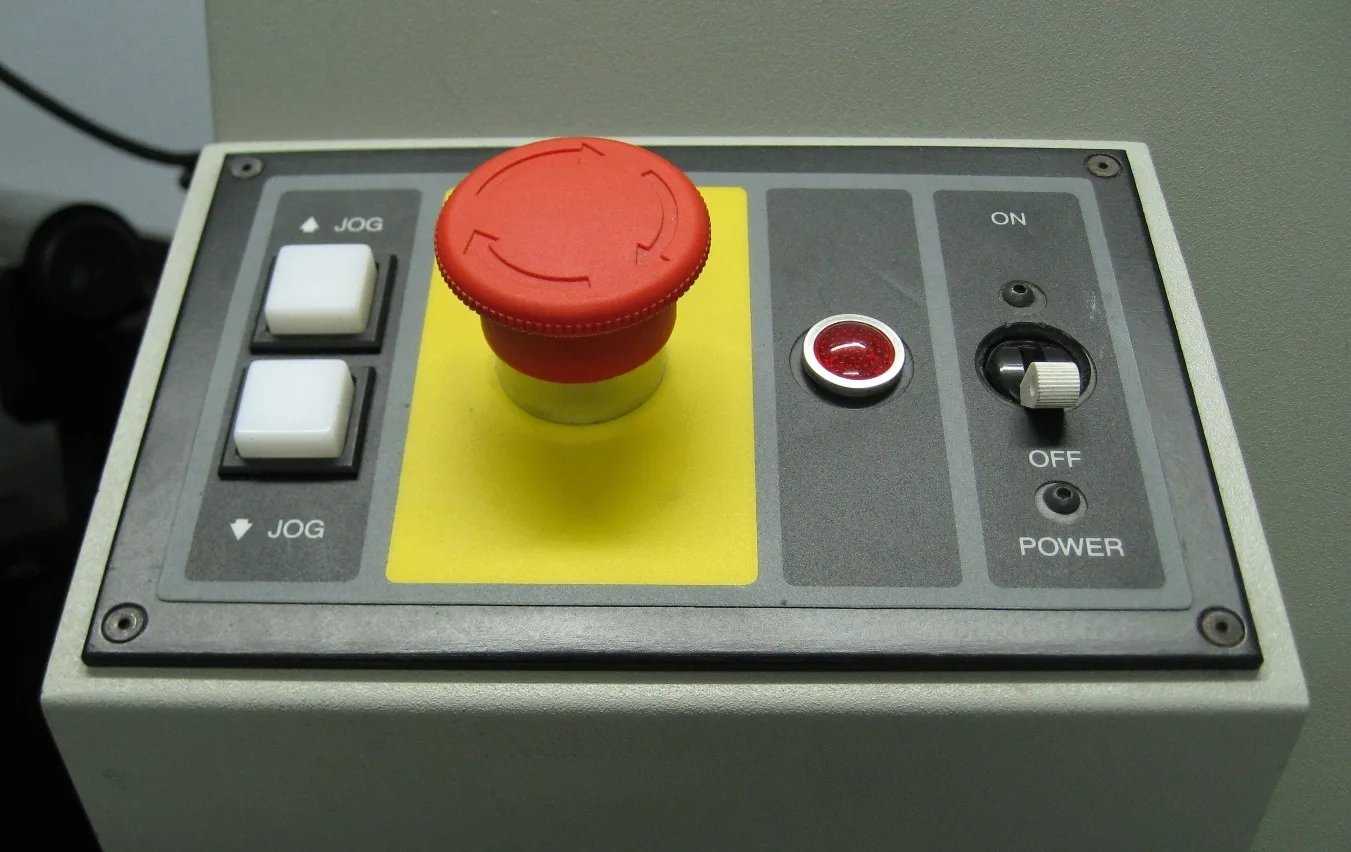
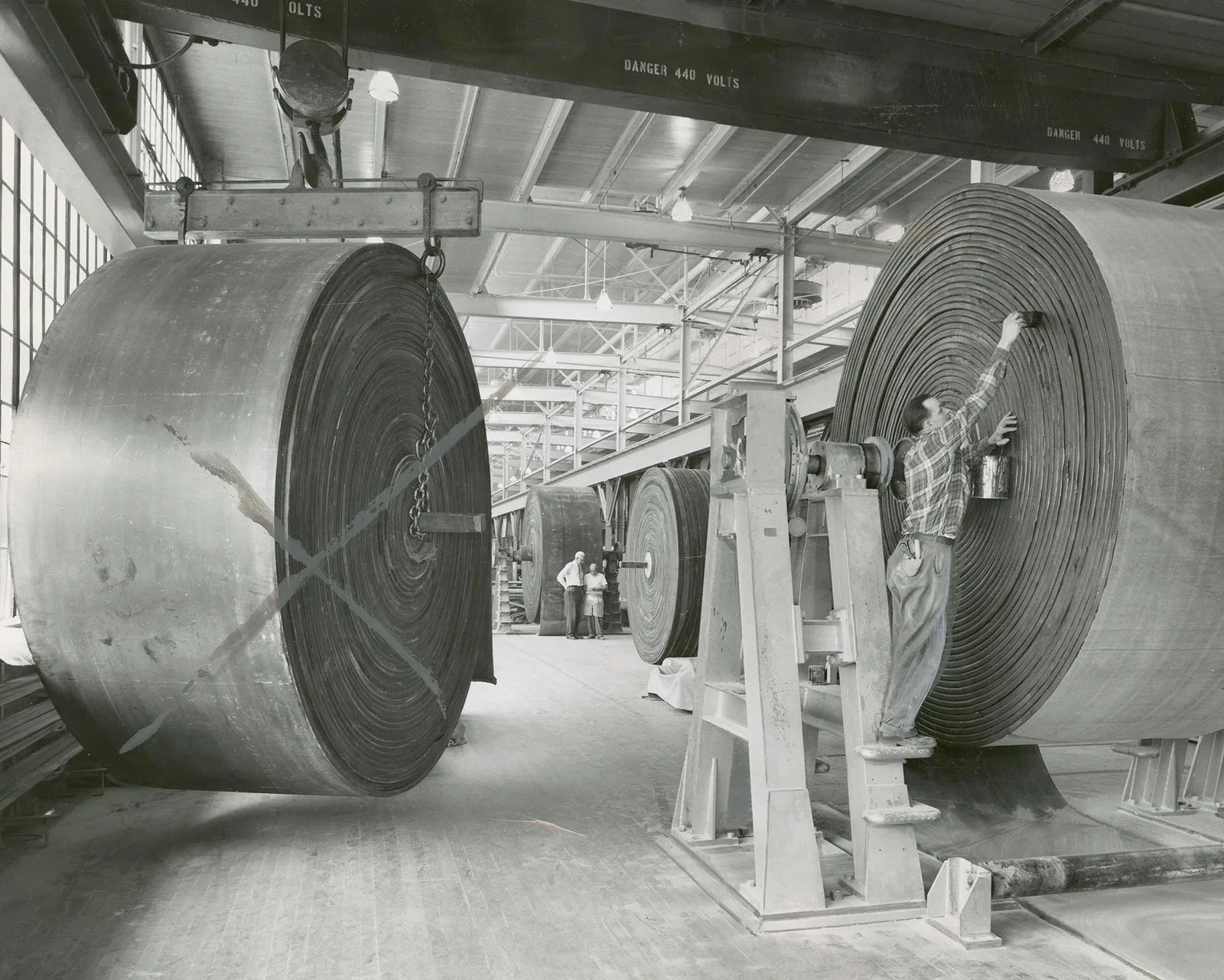
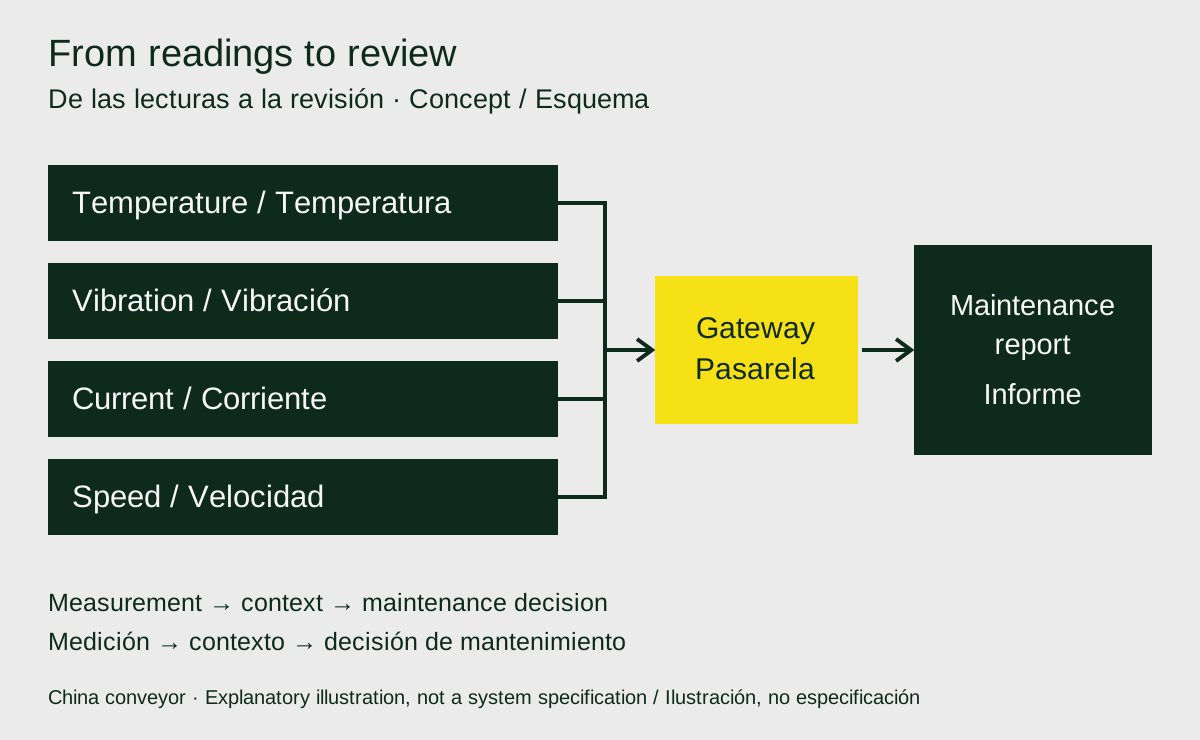
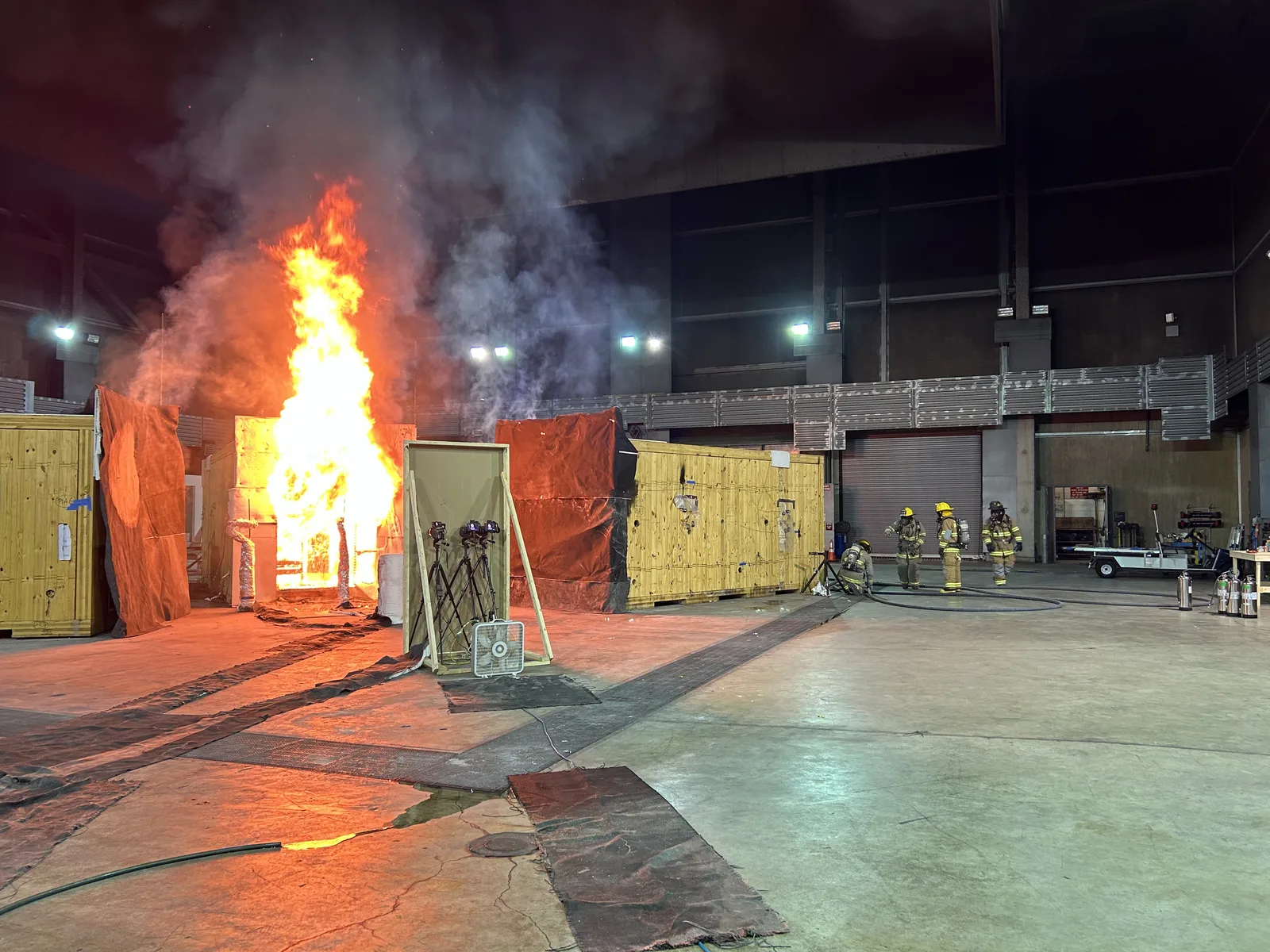
A practical buyer checklist for documenting washdown conditions and reviewing conveyor materials, interfaces, drainage, bearings, belts and electrical components.
Connect the carrying surface with the product and process. Read about belt materials, joints, transfer behaviour, monitoring and food-processing applications.
62 articles in this collection
A practical buyer checklist for documenting washdown conditions and reviewing conveyor materials, interfaces, drainage, bearings, belts and electrical components.
Habasit's ENB-16ERCO-C1 and EMM-20ERCH-W2 documents describe different forming-belt constructions. Keep cover material, adhesive exposure and the exact reference together.
A February 2026 recycling case reports more non-ferrous output as a share of total input. Read the measurement boundary before transferring a recovery claim to another line.
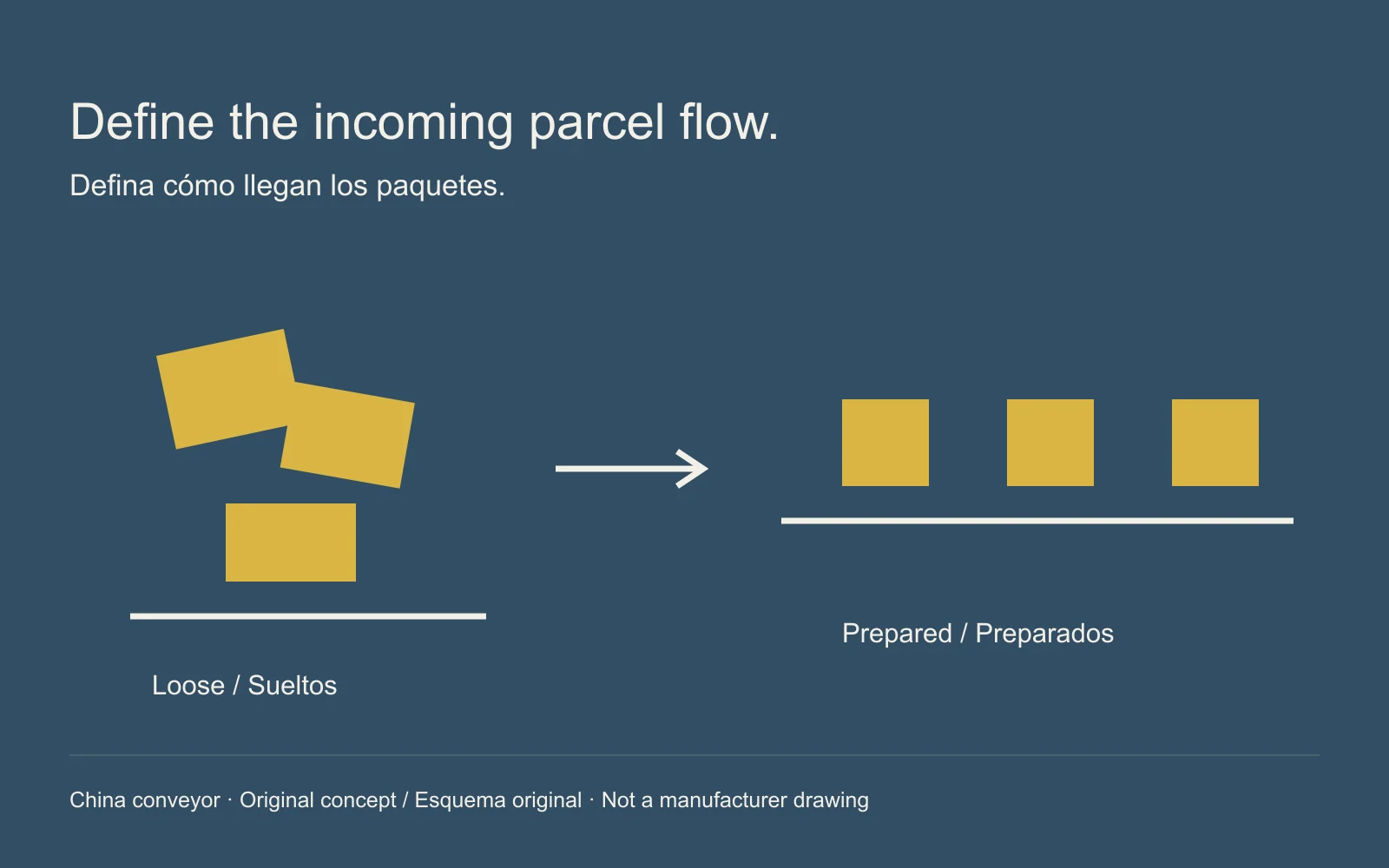
Caljan's loader and unloader describe different parcel-flow conditions. Define the incoming presentation and the next conveyor before comparing dock automation throughput.
Check-in, screening, sorting and reclaim put different jobs inside an airport conveyor system. A spare-belt request should identify its position before comparing products.
Habasit's detectable-material portfolio puts belt fragments into the inspection discussion. The material, fragment and installed inspection system need one shared record.
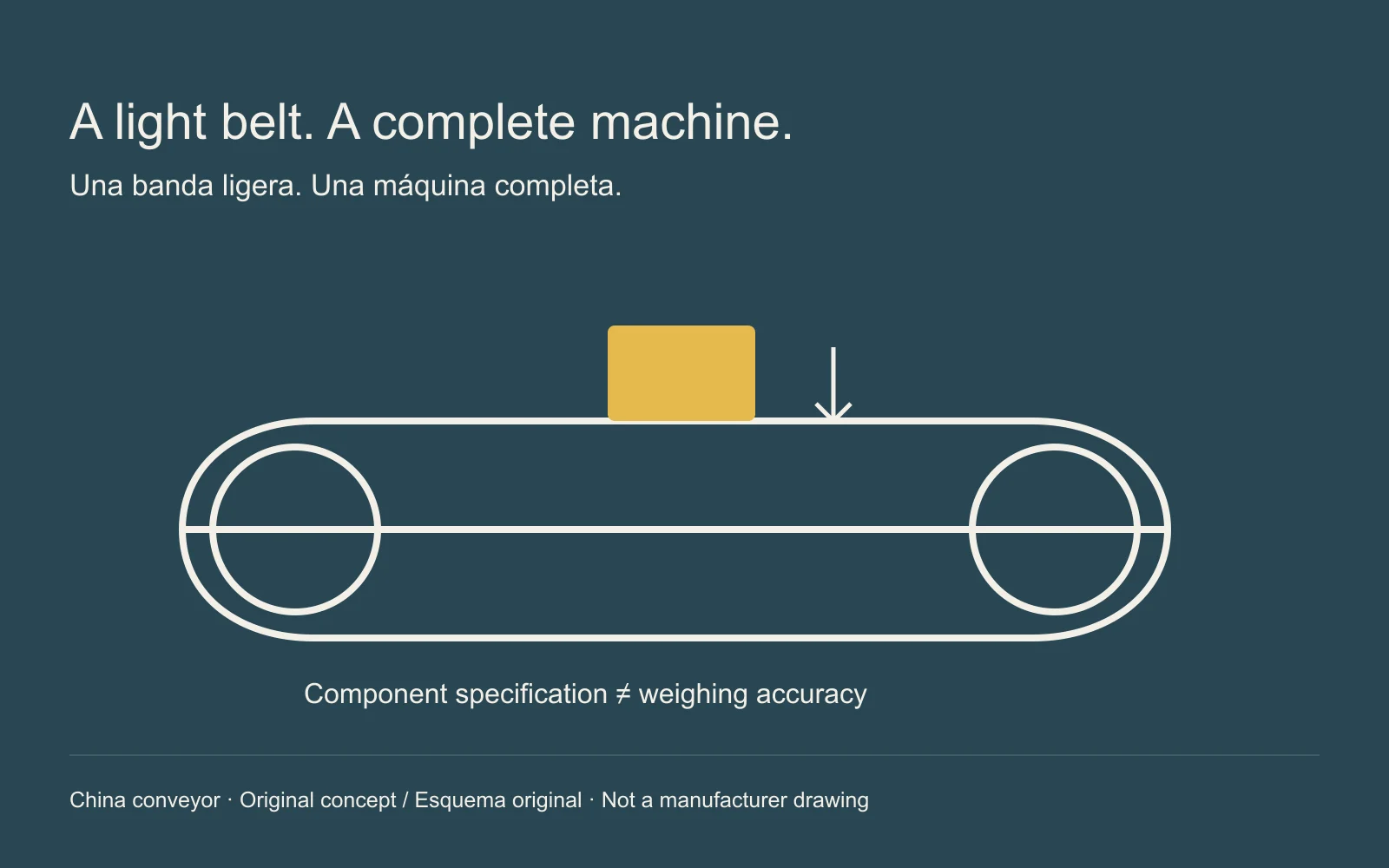
Habasit's FNI-3EIW pairs a light fabric construction with weighing and packaging applications. Replacement decisions still need the machine, joint and compliance record.
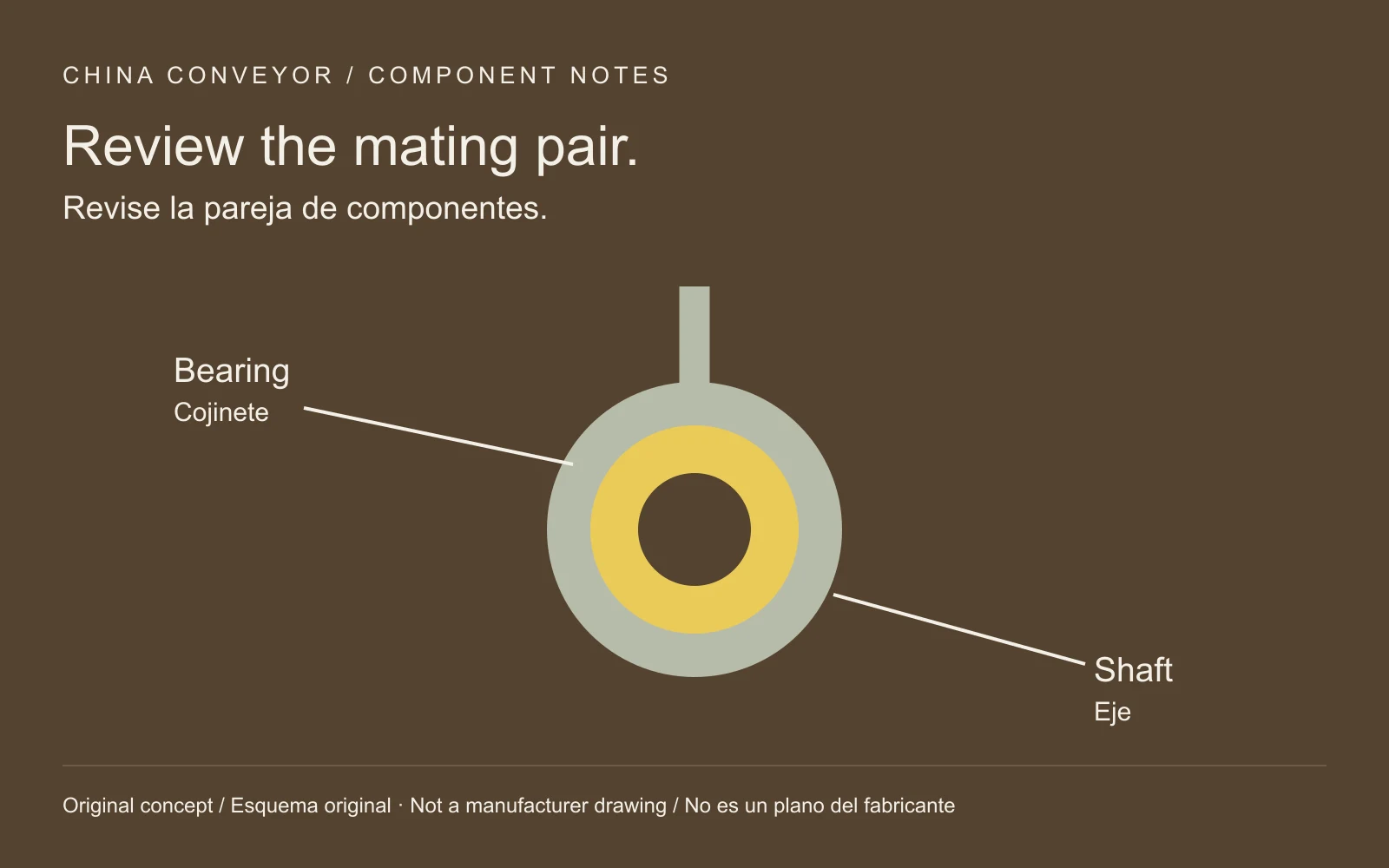
Check the belt identity, tooth engagement, tooth count and shaft interface before ordering. A focused RFQ and fit check can prevent an incompatible replacement.
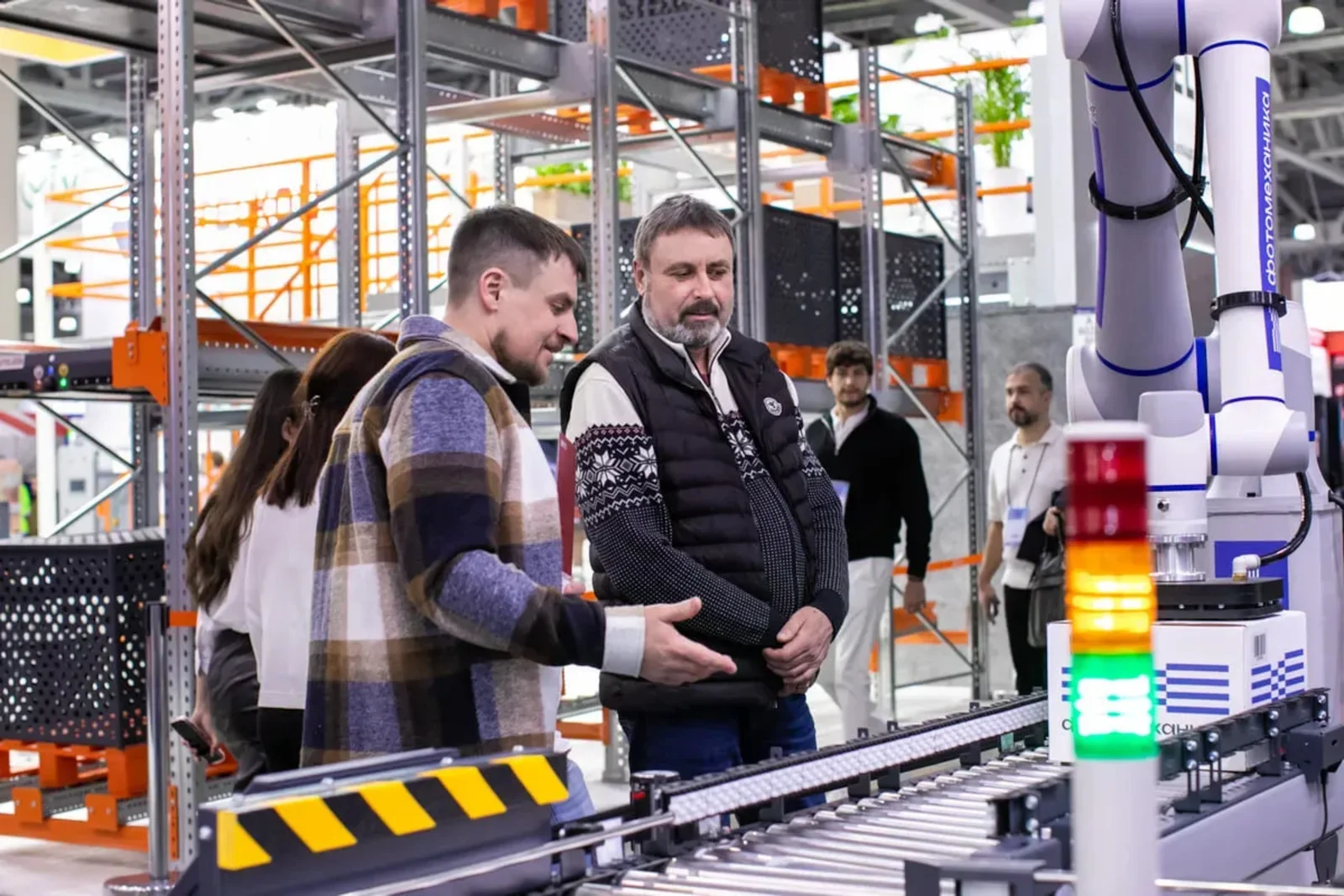
State whether the product stops for a robot or is handled while moving. Connect the conveyor, product reference and robot interface in one operating description.
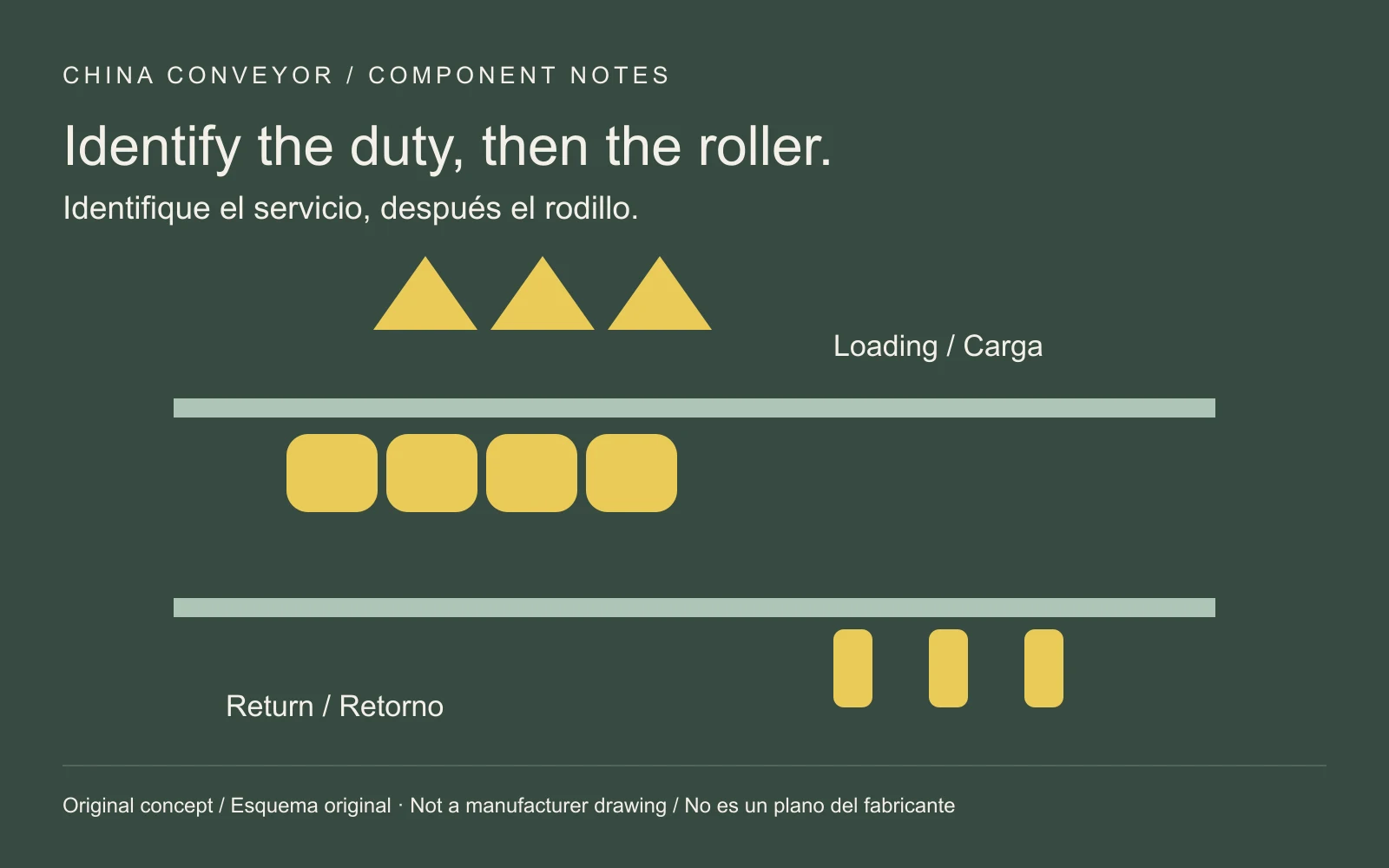
An impact roller and a disc return roller can both have rubber rings. Identify the conveyor position and intended function before ordering by appearance.
A Sparks Belting bakery case shows why retaining a tracking guide and preserving the carrying surface need to be evaluated together during a replacement trial.
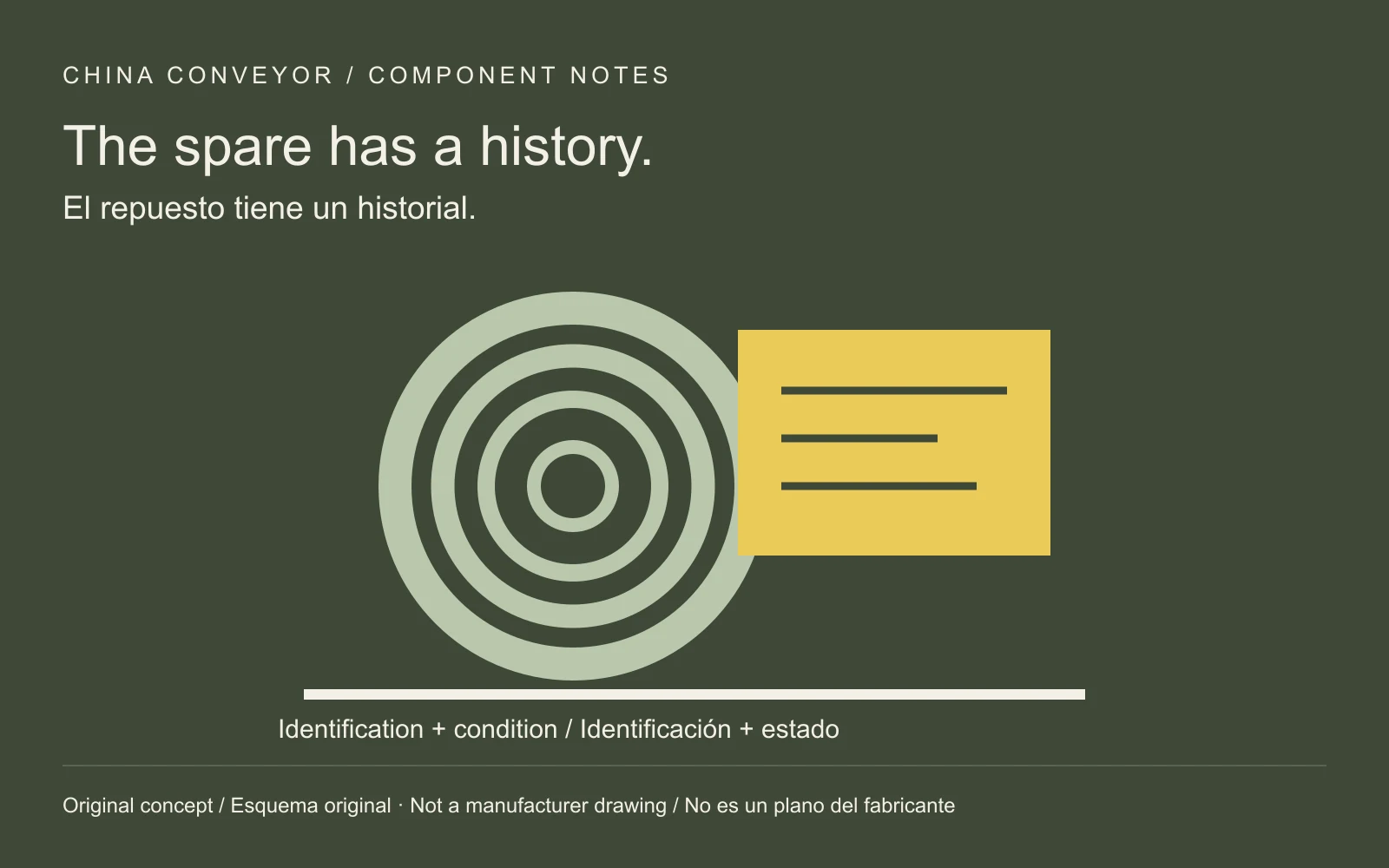
Receiving condition, packaging and storage history belong with a spare conveyor belt. Preserve them so the next shutdown begins with an identifiable, reviewed roll.
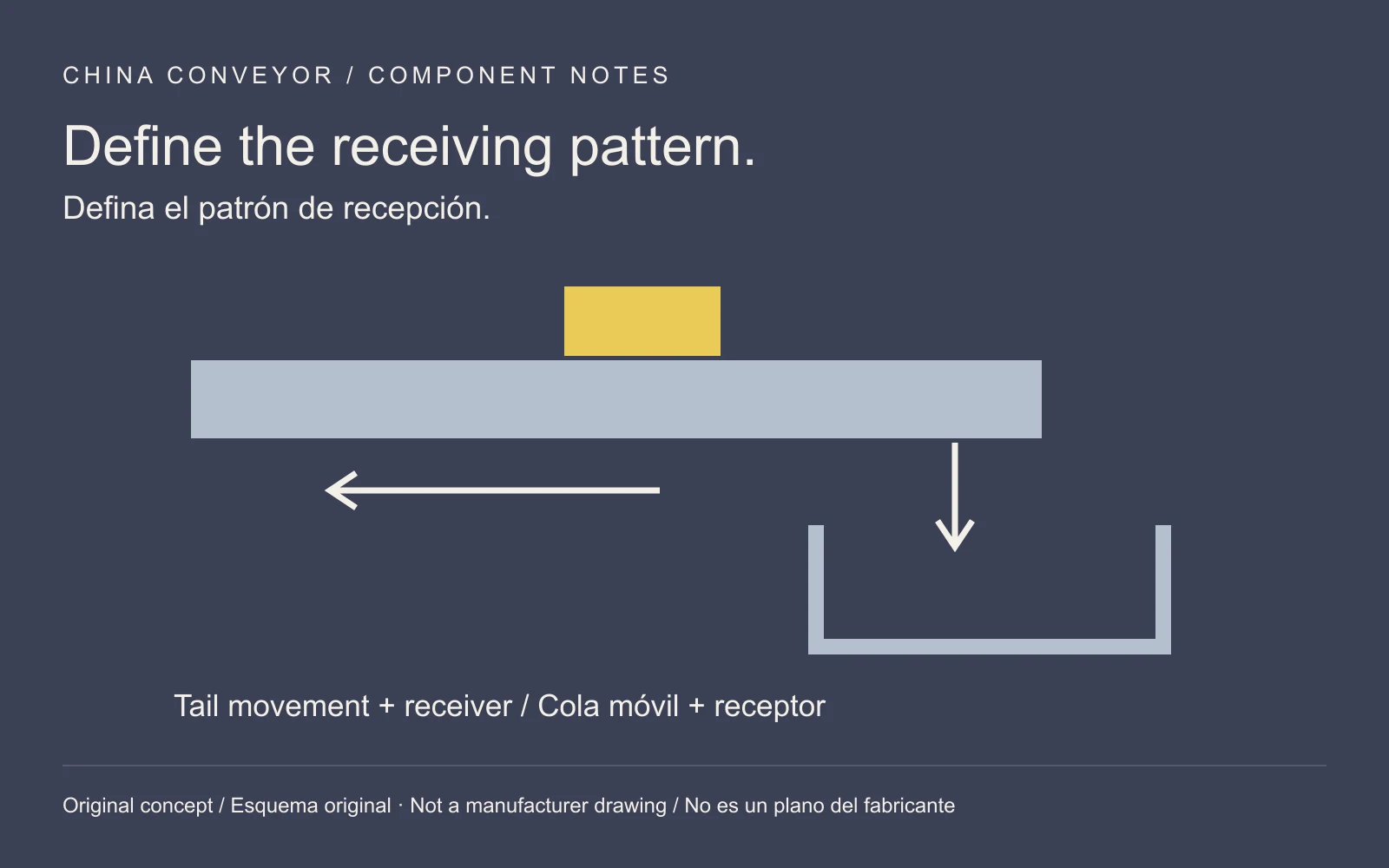
For automatic depositing, the moving conveyor tail and receiving tray belong in one sequence. Define the placement pattern and product condition before comparing cycles.
Identify the cleaner, blade profile and material reference before ordering a replacement. Colour can help within a product range while leaving other details unresolved.
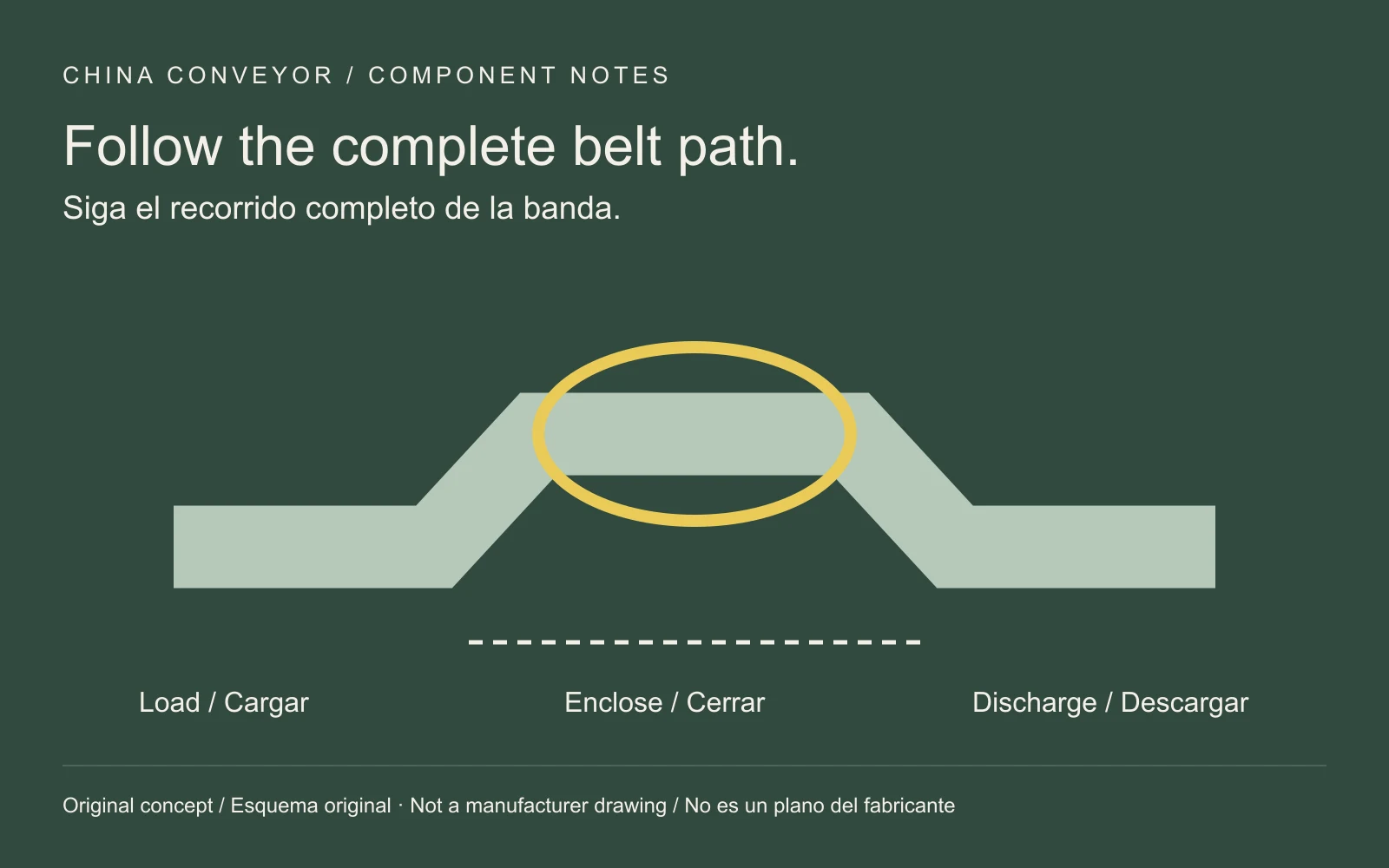
The enclosed conveying run is only part of a pipe-conveyor layout. Include loading, belt-forming and discharge transitions when defining the complete system.
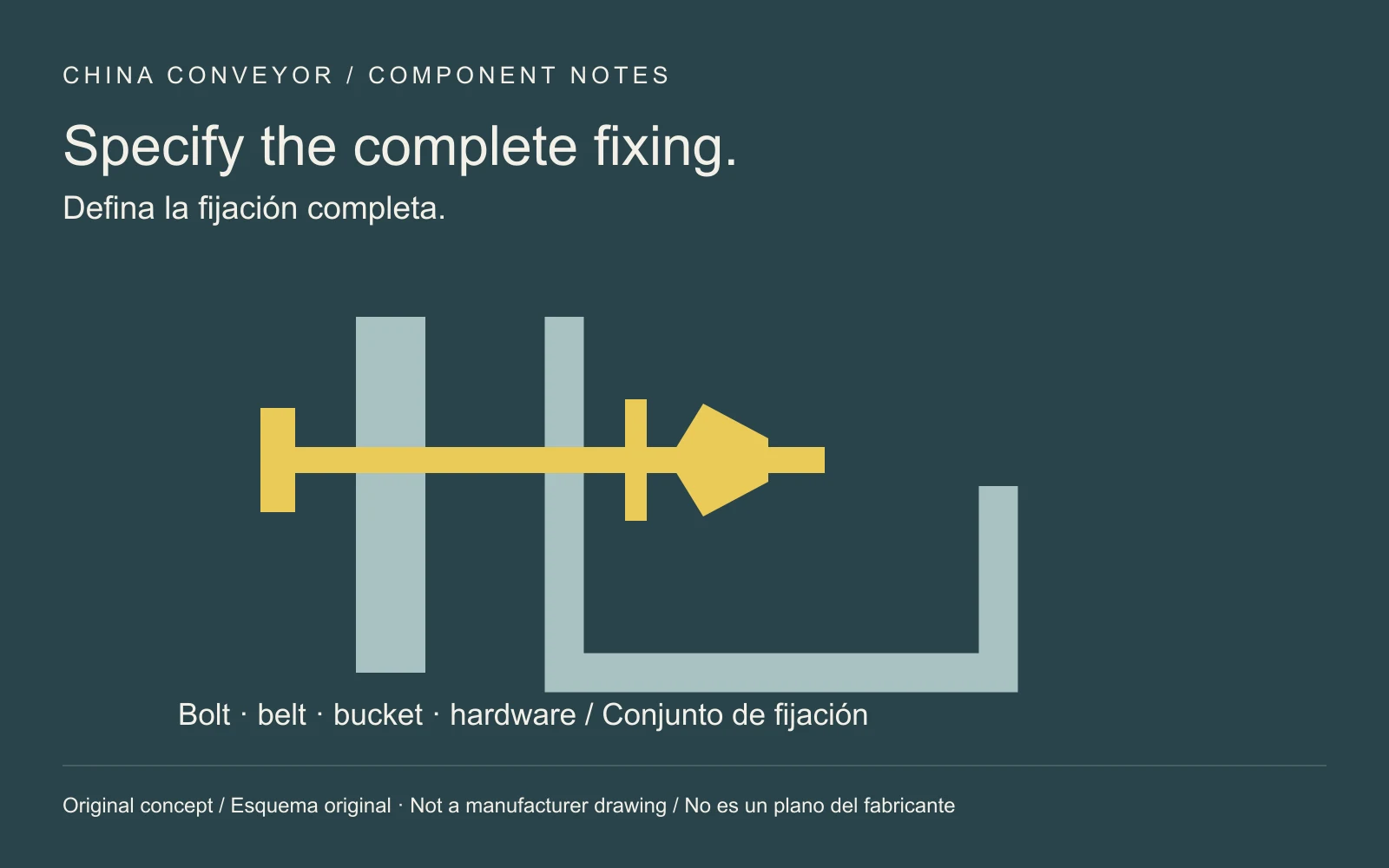
Bucket shape, belt and fixing arrangement belong in an elevator-bolt enquiry. Define the washer and nut configuration with the selected bolt before ordering spares.
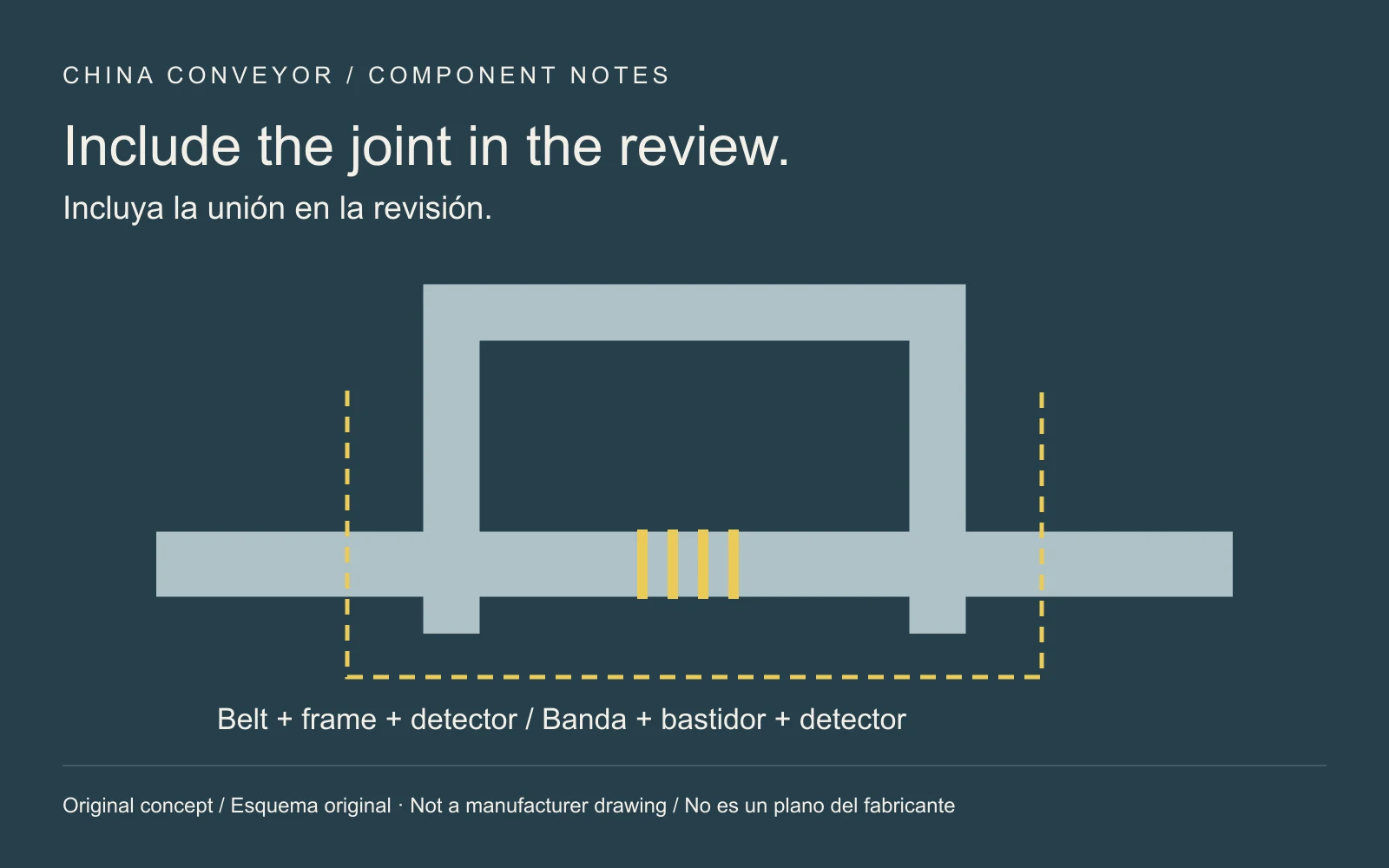
A replacement splice can affect a conveyor passing through a metal detector. Review the belt and surrounding structure with the detector supplier before approving a change.
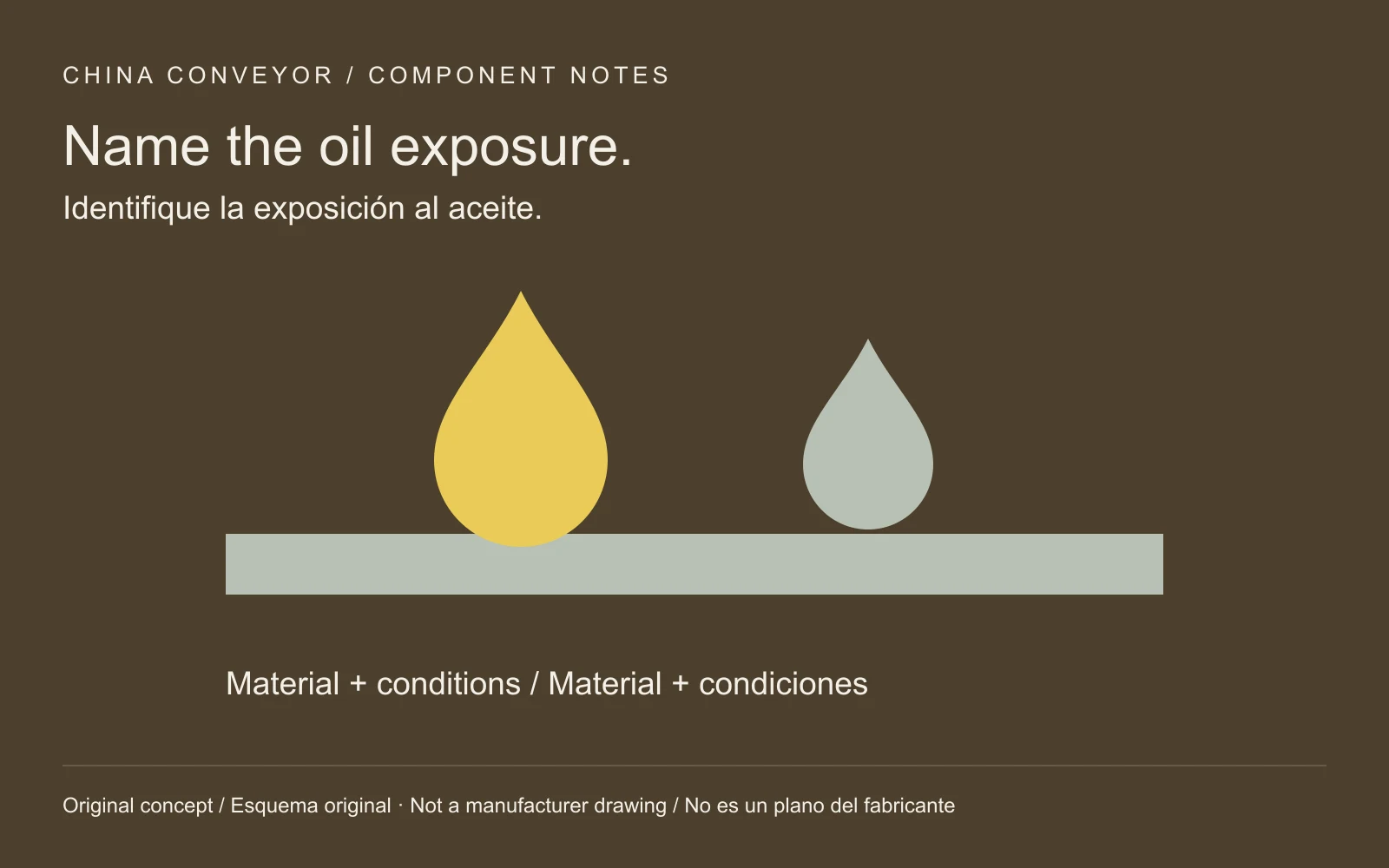
A belt enquiry should identify the oil exposure, not only request an oil-resistant grade. Connect the handled material, compound and proposed assessment.
On a backlit conveyor, a replacement belt must suit the inspection arrangement as well as the machine. Include illumination and the actual part in the review.
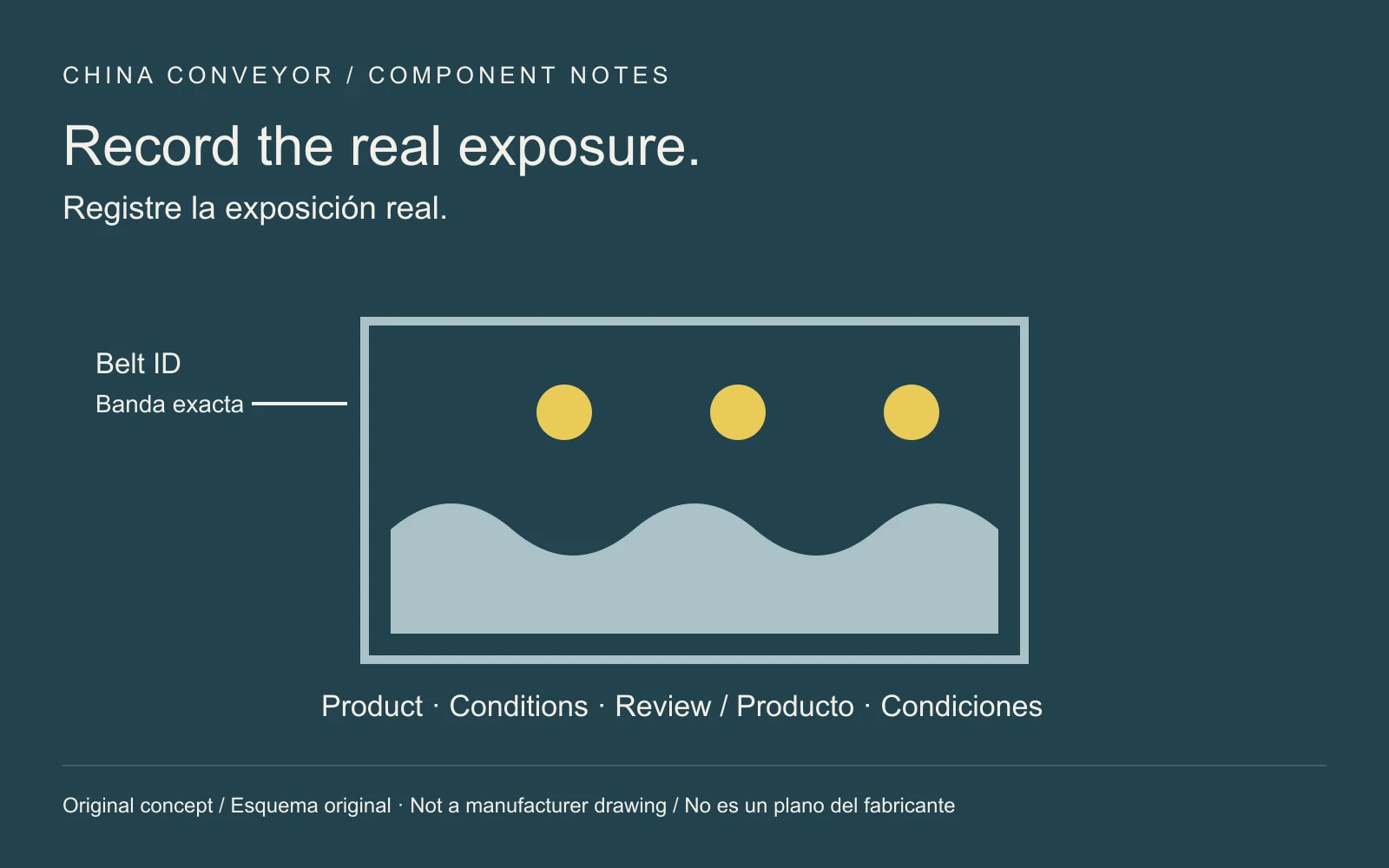
Record the exact belt, cleaning product and exposure conditions before changing a conveyor cleaning routine. A broad polymer name does not close the review.
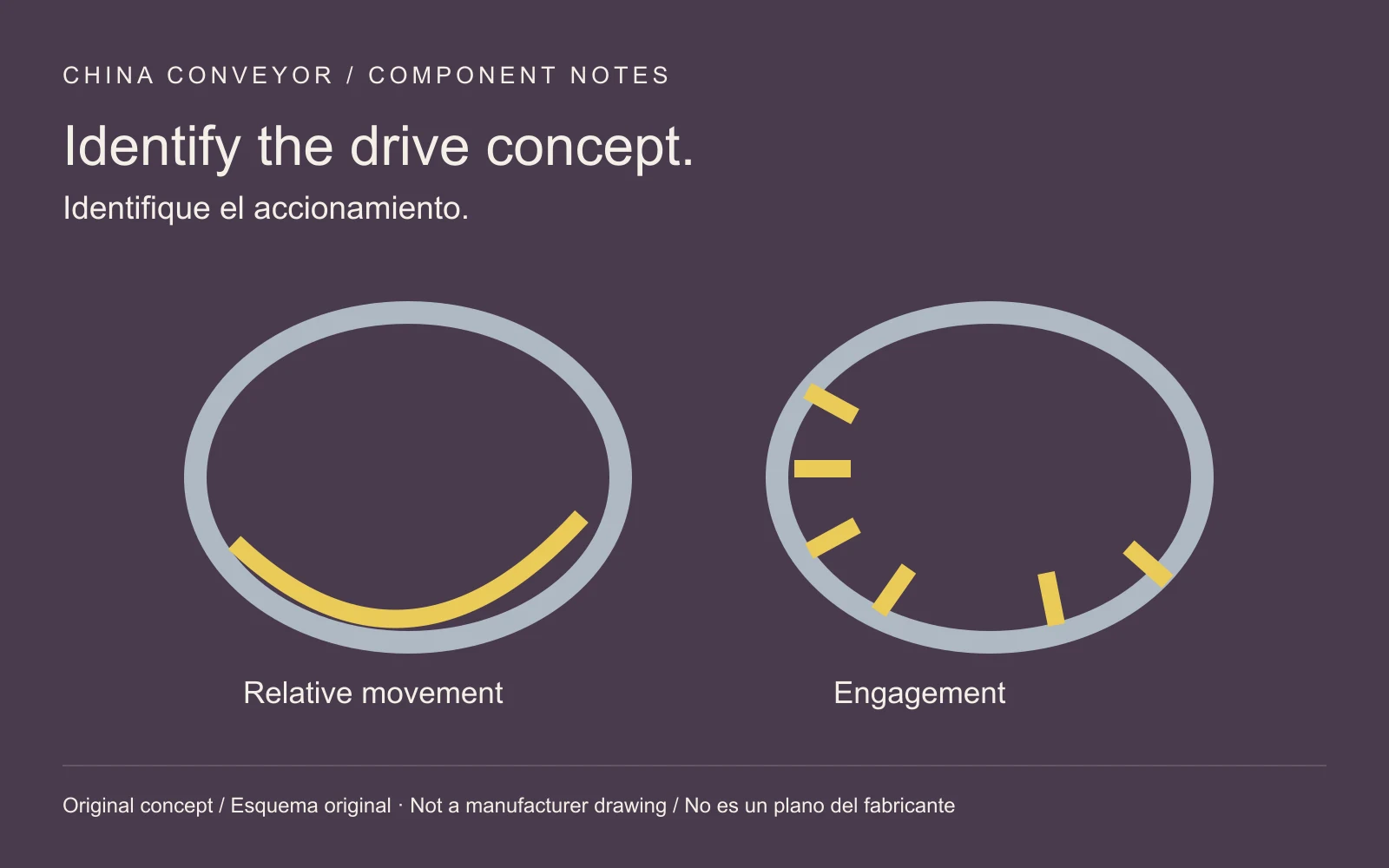
Friction-driven and positive-drive spiral systems need different discussions. Identify the existing belt-to-cage relationship before requesting a retrofit.
A vacuum conveyor needs a product-specific holding arrangement. Show the underside, covered holes and release point before comparing blower specifications.
Belt support, wear protection and sealing need separate descriptions in a loading-zone repair. Replacing a skirt strip alone may leave the original question open.
Compare pulley lagging with its operating conditions, finished dimensions and installation scope. A material label alone leaves the replacement job undefined.
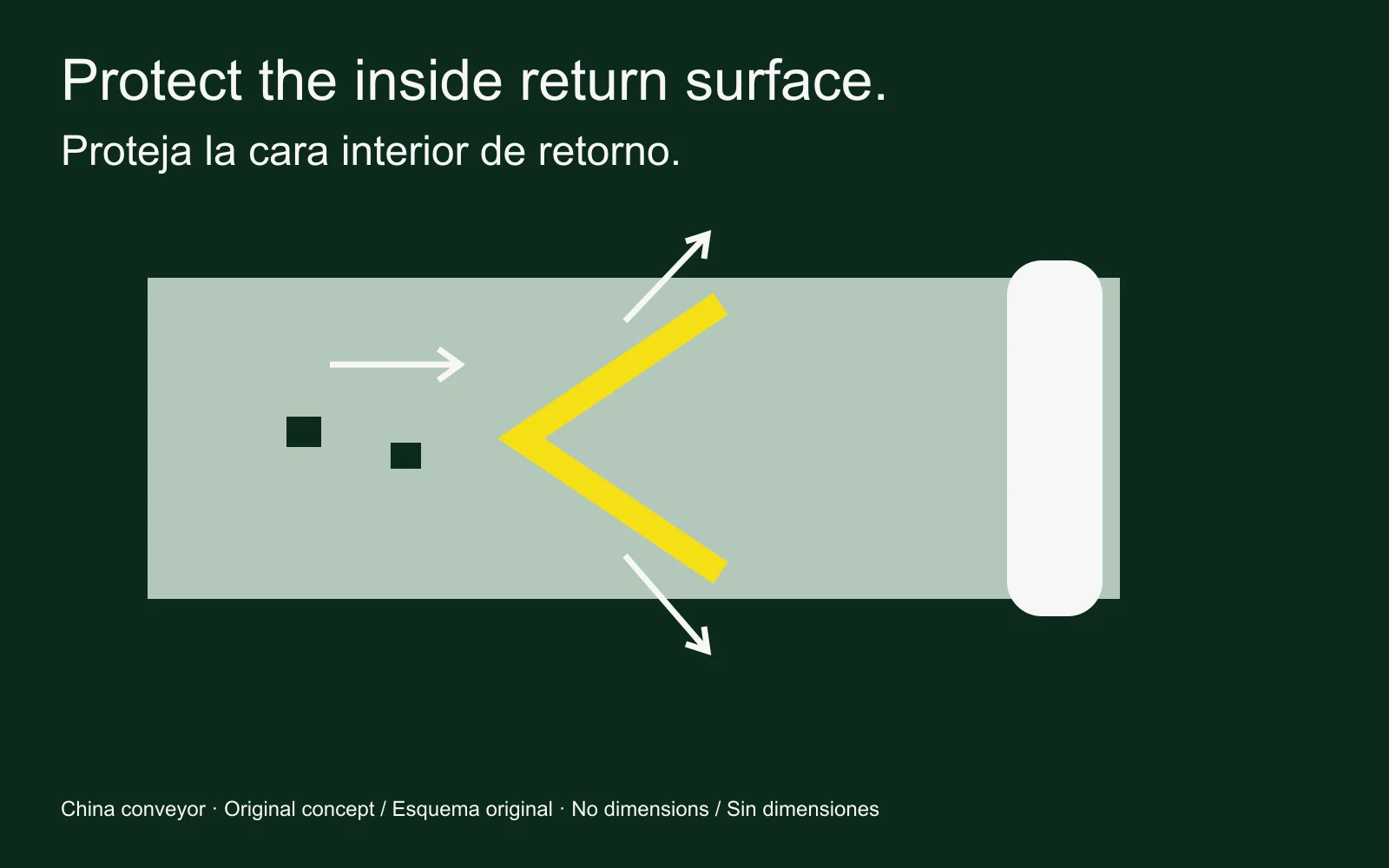
A cleaner at the head does not describe every cleaning task. Identify debris on the inside return surface and agree where a belt plow will discharge it.
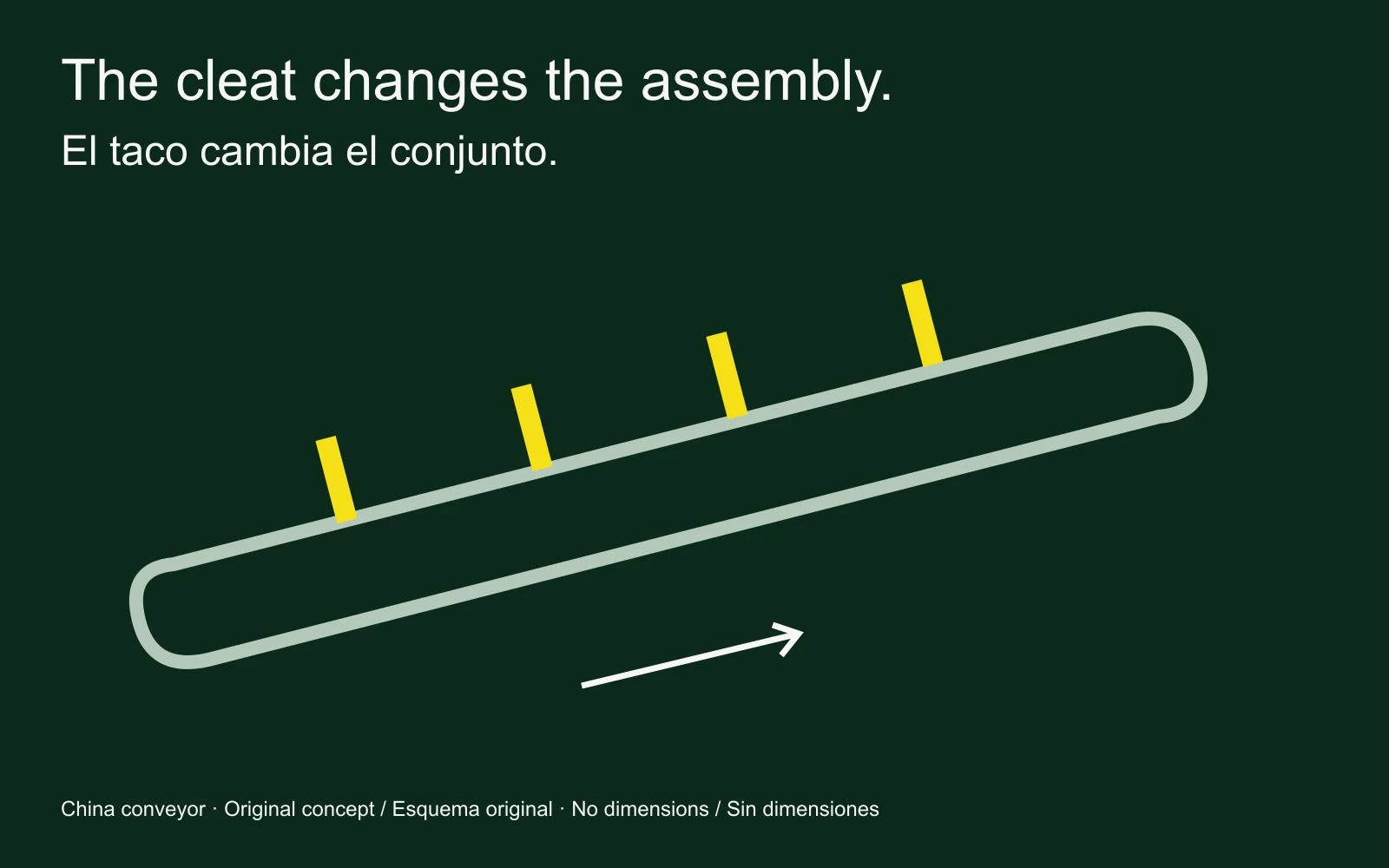
A plain-belt specification is not a complete cleated-belt specification. Review the cleats, other fitted components and the conveyor's bends together.
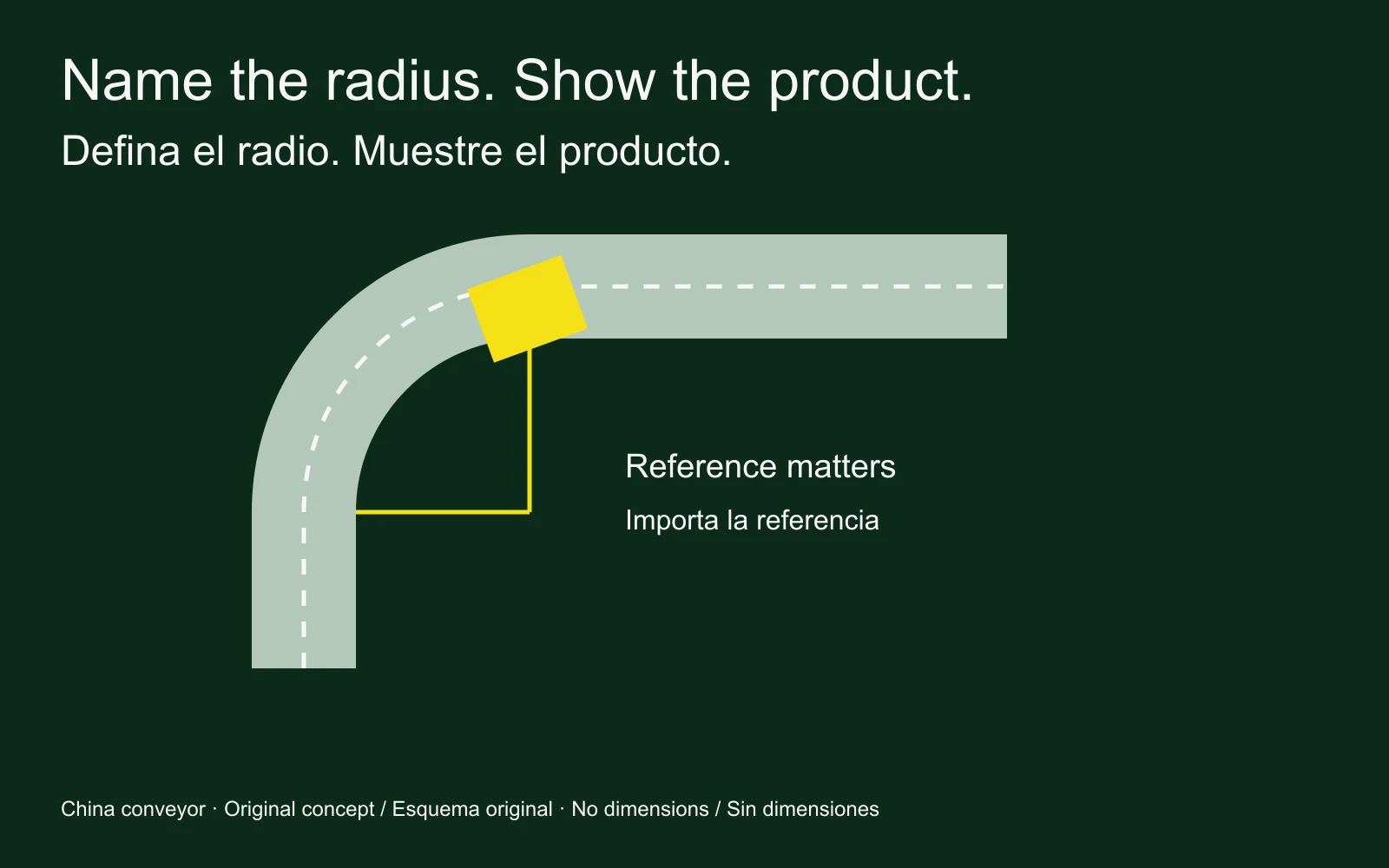
A curve angle does not define its footprint. Name the radius reference, belt width, entry sections and product envelope before comparing curved conveyors.
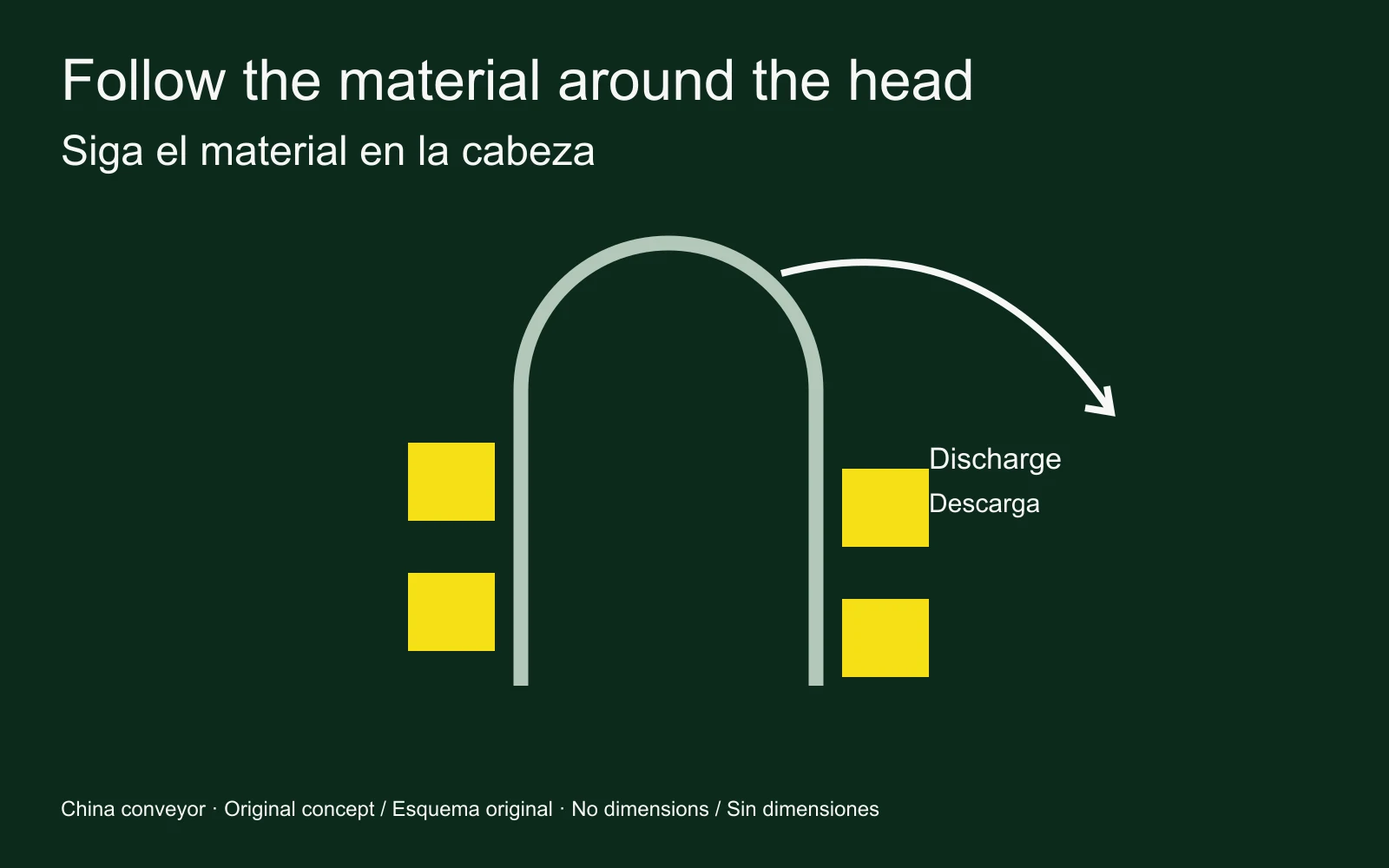
A replacement elevator bucket is part of a discharge system. Review its profile, arrangement and material duty before treating matching holes as interchangeability.
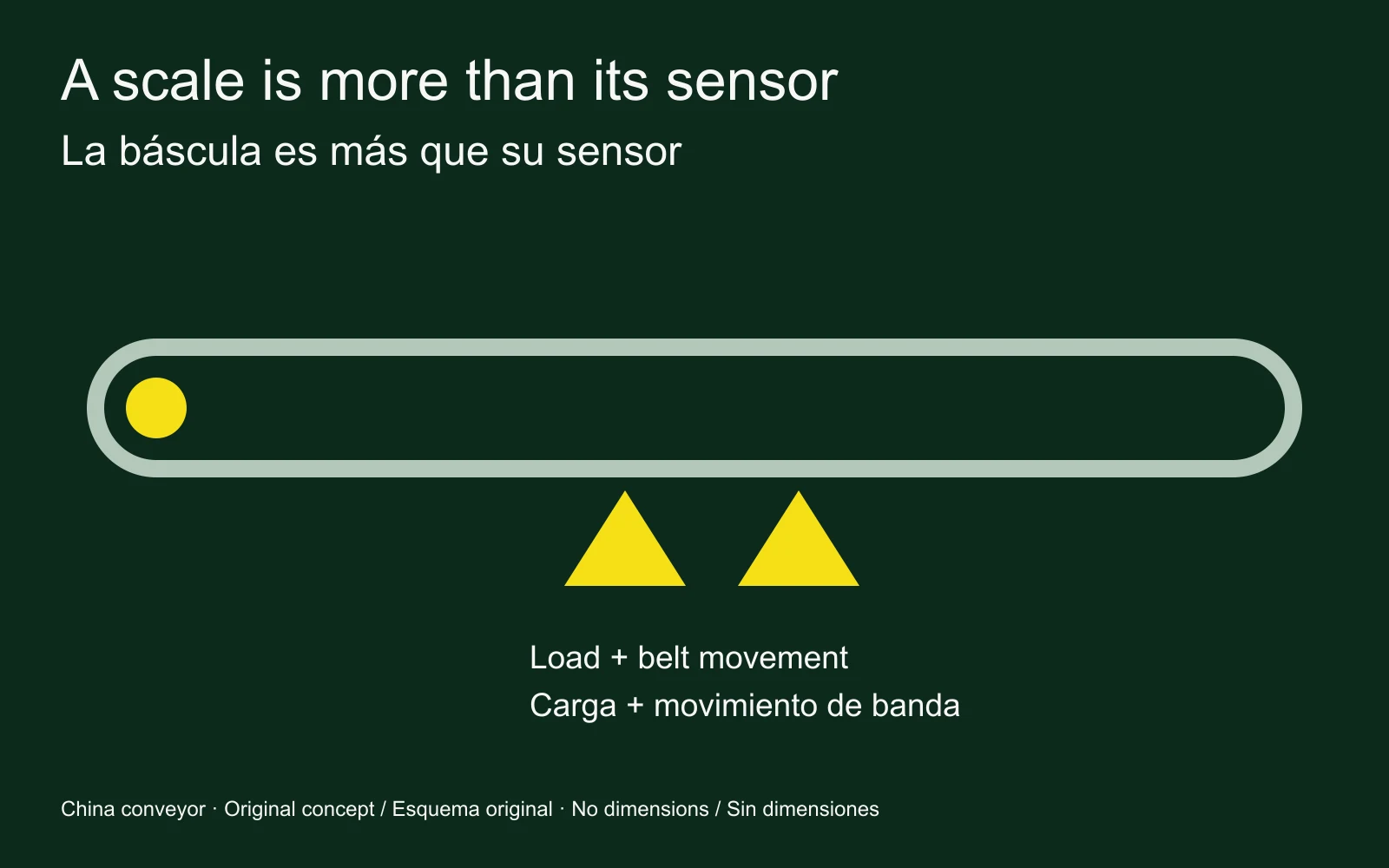
Two belt-scale offers may include different verification work. Separate reference checks, a weighed material comparison and the record needed after conveyor changes.
Temperature changes affect the space a modular belt needs. Review the returnway, lateral clearance and material choice together before ordering a replacement.
ASGCO has opened a warehouse and manufacturing facility in Santiago for Chilean and Latin American mining. What the announcement establishes, what it leaves unpublished, and what buyers should verify.
On 12 December 2025 BEUMER Group inaugurated an INR 2 billion plant at MET City, Jhajjar, to manufacture conveying, loading and mining-machine equipment in India.
On 20 October 2026 BHP reported that a ripped underground belt at Carrapateena cut Copper SA output 16% to 60.7 kt - and took seven weeks to replace.
BOTON's Simandou deal moves a belt supplier into long-term conveyor operations support. When supply becomes a service contract, the specification that matters changes with it.
Bridgestone completed its withdrawal from conveyor belts at the end of 2024. For owners still running its belts, replacement, splicing and documentation are now their problem.
In May-June 2026 Codelco replaced 13 km of ST10000 belt at Chuquicamata - 161 kg per metre, splices proven to 60% fatigue strength. What the change-out specifies for belt buyers.
Continental is selling ContiTech - maker of some of the world's strongest mining belts - to Lone Star Funds for €4 billion. What belt buyers should check before closing, and after.
A US controls maker now bundles pull stops, misalignment, damaged-belt and motion controls as one conveyor safety system. Specify detection, trip logic and proof-test records together.
On 9 July 2026 SEW-EURODRIVE detailed the 36 custom X.e gear units it supplied to Atlas Energy's 42-mile Dune Express, the frac-sand conveyor in service since January 2025.
Delegated Regulation (EU) 2026/2102 removes conveyor belts (HS 4010) from the EU deforestation regulation's Annex I. What belt buyers and compounders should change before 30 December 2026.
On 11 October 2026 Fenner announced a new plant in Guarulhos, Brazil: nearly three times the floor area, 40% more belt capacity and steel cord produced locally.
In March 2026 Fenner Conveyors opened its A$40M K-MIX hub at Kwinana and launched InfinitySeries belts at a minimum 10% recycled content. What the percentage covers, and what buyers should pin down.
Flexco's Elevate portfolio now pairs belt rip prevention with cleaner monitoring. Buyers can write the functions, data access and acceptance evidence into the purchase specification instead.
FM Approvals' Standard 4998 (December 2025) defines Class 1, Class 1 (U) and Class 1 (TE) conveyor belting around an FPI limit of 7. What each class certifies, and the evidence to ask for.
FM's two-decade mining loss analysis gives conveyors 32% of equipment-related loss value and fire 32% of total gross loss value. What that weighting should change in a belt specification.
Motion bought ICR's seven eastern-US belt shops in December 2024 and folded them into Motion Conveyance Solutions. What that does to splice cover, emergency response and service terms.
Three waste associations have released an updated battery-management guide for materials recovery facilities, and X-ray and AI detection is being specified to pull lithium cells off sort lines.
A belt carried on rail carriages has hauled 5,000 t/h at Zambia's Sentinel mine since January and just won a conveying award. What curved-route buyers should verify before comparing.
REMA TIP TOP announced on 5 September 2025 the acquisition of significant assets of Almex, the Canadian vulcanizing-press maker founded in 1962, installed in 120-plus countries. Brand and plants stay.
Nueva Centinela's crush-and-convey package reached Terra Nova and Sigdo Koppers first as early contractor involvement, then as an EPC contract. What the two-step route changes for buyers.
On 30 July 2026 Vale started commissioning the duplicate 9.5 km conveyor at S11D: the same ST8000 belt, a new system supplier and 5,000 commissioning protocols.
Continental's MultiProtect TX highlights embedded magnetic inserts for rip and splice monitoring, bringing belt construction into the digital discussion.
Flexco's April 2026 BEP-R launch puts the outside edge of curved conveyors in focus, separating package guidance from belt movement.
Habasit's 2026 M5062 documents connect perforated modular belts with cooling duty. A freezer result still depends on the complete process.
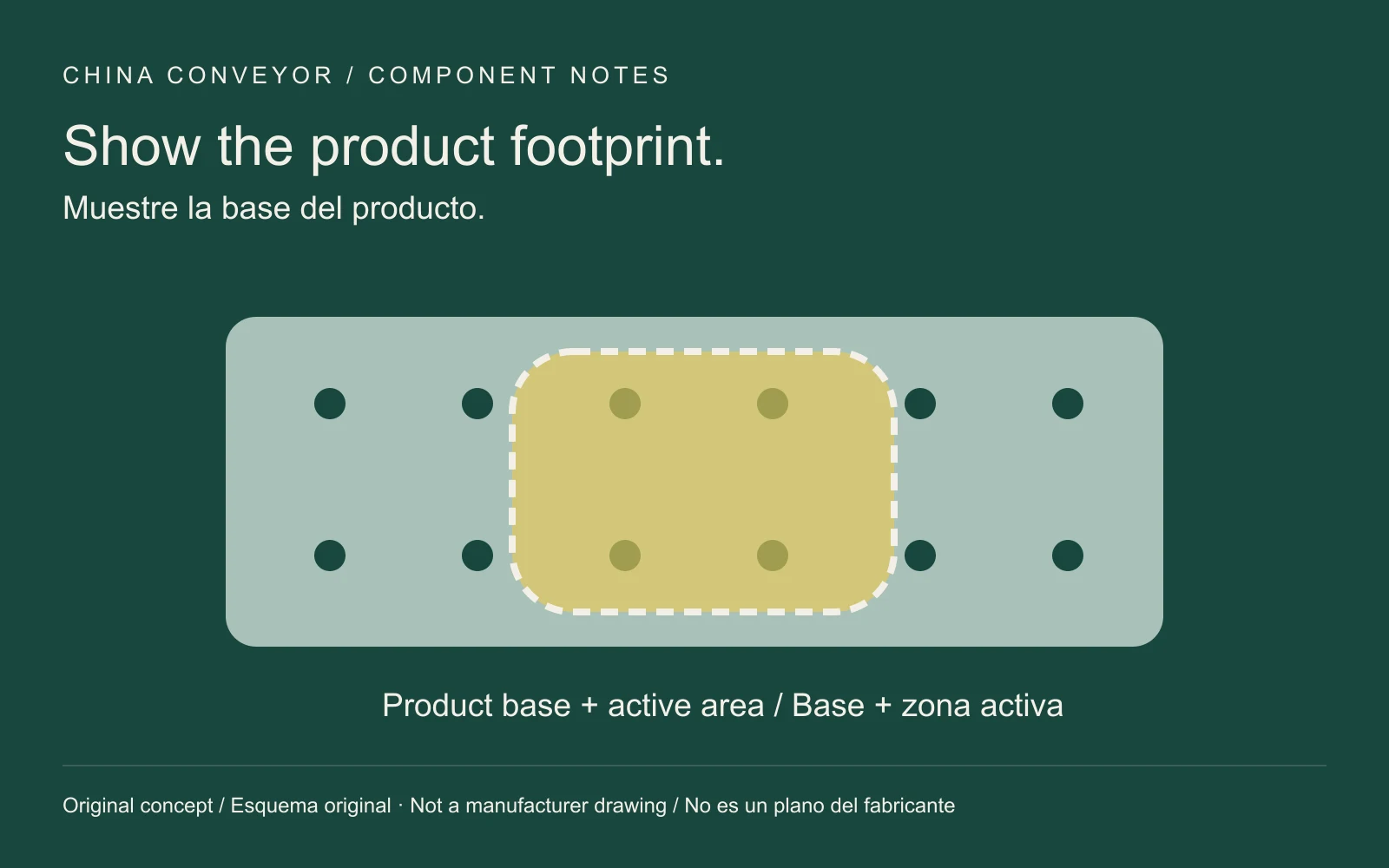
A carton trial cannot qualify soft mailers. Build a test around loose flaps, changing footprints, transfers and failed reads.
Before buying a nosebar transfer, check the product's real support length, belt compatibility and the receiving machine's handover.
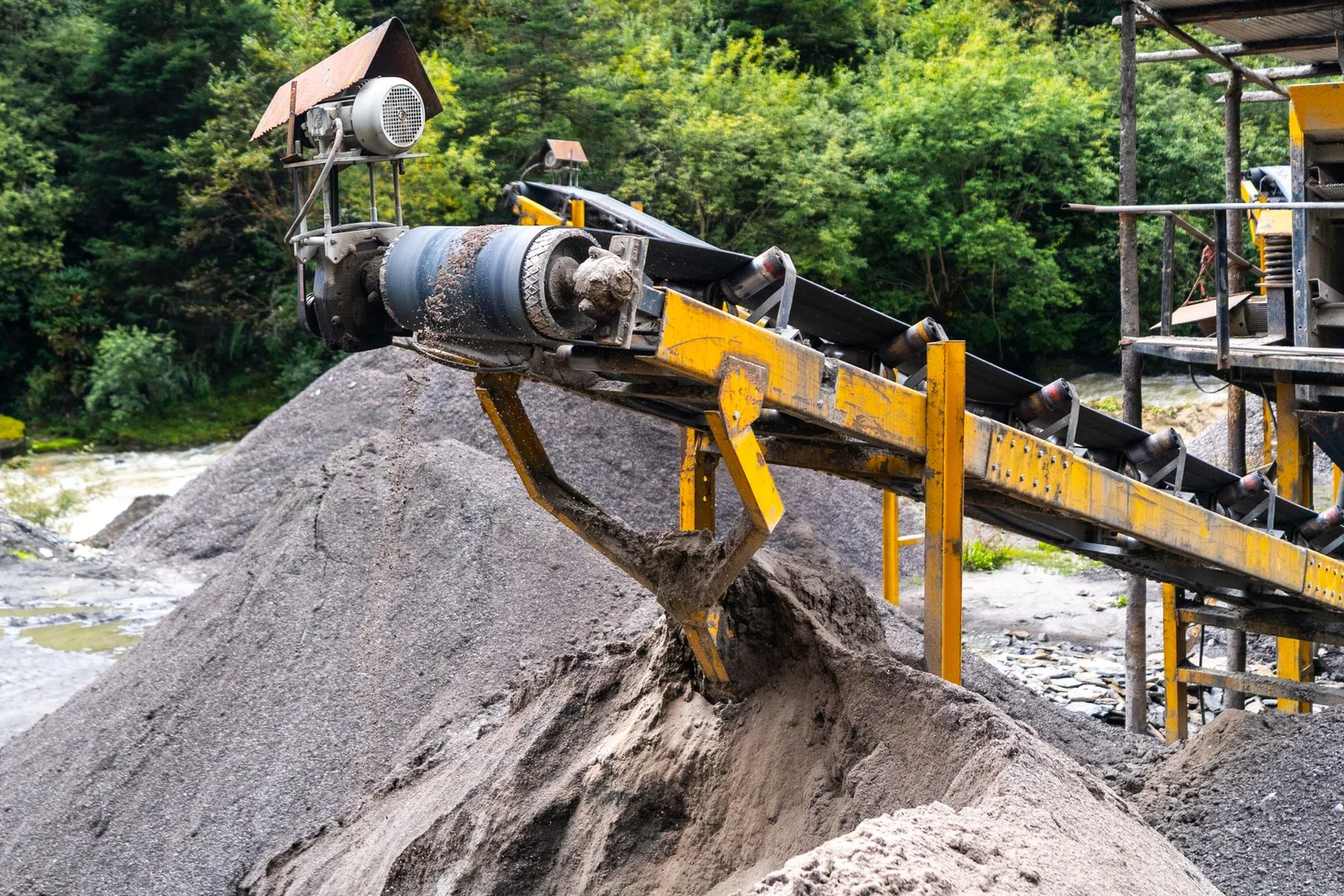
Trace carryback before ordering another blade. Separate the cleaning duty, material collection route and maintenance access in the review.
Specify belt access, dismantling, cleaning services and acceptance checks before comparing food conveyor quotations.
Compare splice methods against belt construction, operating conditions, pulley geometry, installation resources and maintenance needs before specifying a replacement or repair.
Before comparing machines, understand what moves through them. A practical starting point for a better equipment brief.
Tracking problems deserve a system-level investigation, from the loading point to the return run.
Two familiar approaches to unit-load handling, with different questions to resolve.