Safety devices are being sold as a system, not as spare parts
Australian Mining's October 2026 feature on Conveyor Components Company describes a conveyor safety system that bundles four familiar control families under one offer: the Model RS emergency pull stop switch, the Model TA belt misalignment control, the Model DB damaged belt detector and the Model CMS motion control. The US manufacturer has made bulk-handling controls for more than 60 years, and none of the four devices is new. What is new is the packaging. In most plants these devices are bought piecemeal - a pull cord on one purchase order, a misalignment switch as a spare, a damage detector only after a belt has been lost.
Sold as a system, the same devices become a single specification. Coverage, trip behaviour and test evidence can be defined once, conveyor by conveyor, and compared across bids. That is the procurement shift worth following: not a new switch, but a reason to specify the protective layers together. This article follows the three layers a buyer has to write down - detection, interlock and records - and the questions that keep a bundled offer from becoming a box of unrelated switches.
Layer one: detection - what each device sees, and where it sits
Each device in the bundle answers a different failure question. The misalignment control sits at the belt edge: as a drifting belt contacts the switch arm, the arm's movement activates contacts that can raise an alarm or stop the conveyor, depending on how the switch has been configured. The damaged belt detector works underneath the belt, where two controls are linked by a cable system; if punctured or torn belt material hangs down, catches the cable and pulls it from the switch, the contacts trigger an alarm or a shutdown. The motion control watches speed itself - overspeed, underspeed or zero speed - which a technical brief on the same system describes as shaft-mounted sensing at the pulleys, catching belt slip or a stalled drive within seconds.
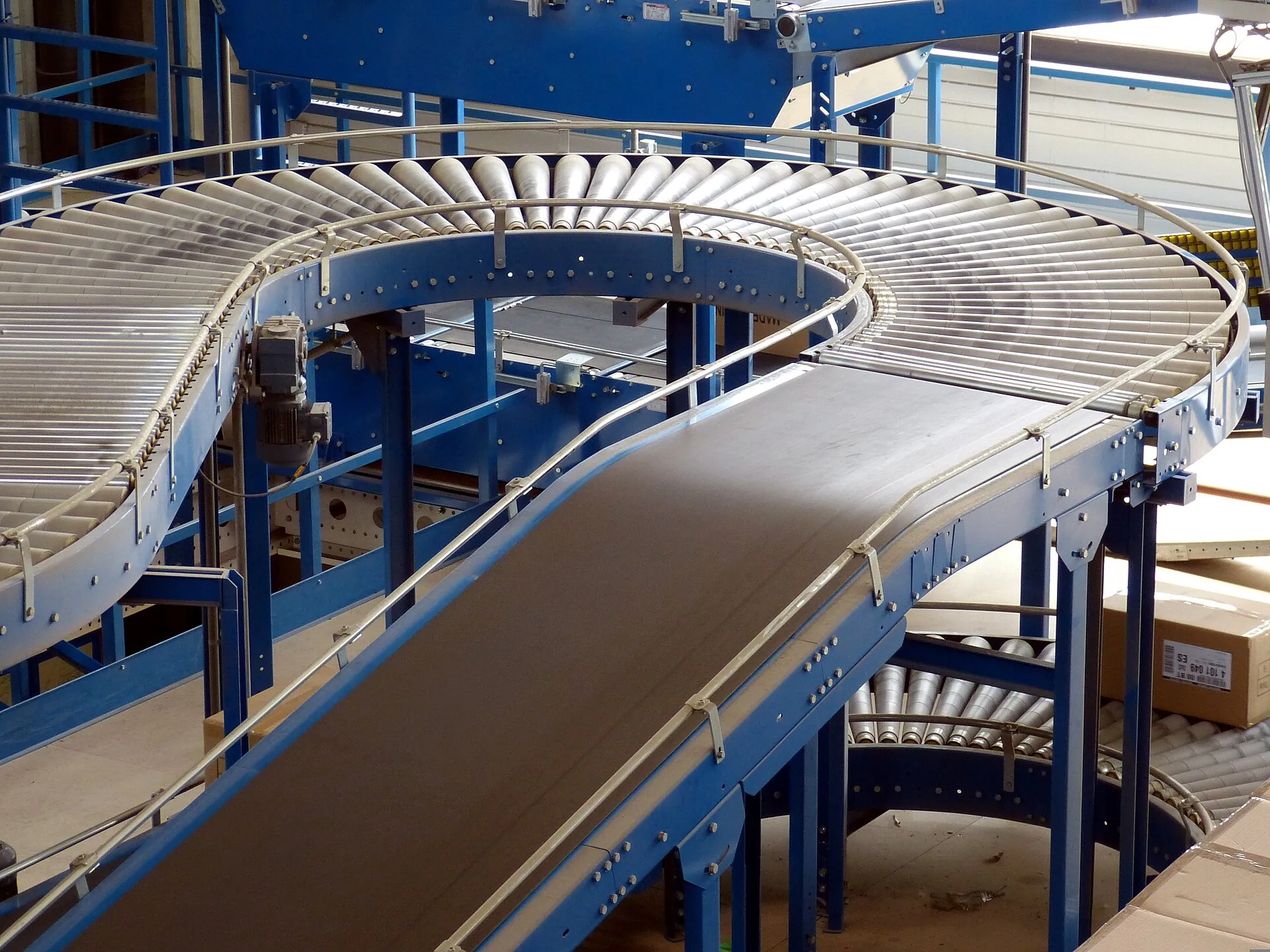
Placement is part of the specification, not an installation detail to leave behind. The manufacturer is explicit that there is no universal switch layout: conveyor length, material and application risk set the number and position of controls. Its sales manager puts the maximum cable length for one pull stop installation at 200 feet, about 61 metres, so a long overland conveyor needs several pull switches and defined zones, not one long rope. The purchase document should therefore ask for a device schedule per conveyor - type, location, and what each device is set to do - rather than accept a lump-sum quantity for a 'safety package'.

Layer two: interlock - what a trip has to do besides stop a belt
Detection that only lights a lamp is an alarm, not protection. The second layer is the trip chain: when a device activates, which drive stops, whether the conveyors feeding it interlock as well, and whether the shutdown localises to the affected section. The technical brief on this system makes the architectural point plainly - multiple trip points along a conveyor localise shutdowns to specific sections instead of dropping one whole line on a single emergency-stop circuit, and they let crews intervene earlier on drift, splice damage or a stalled idler.
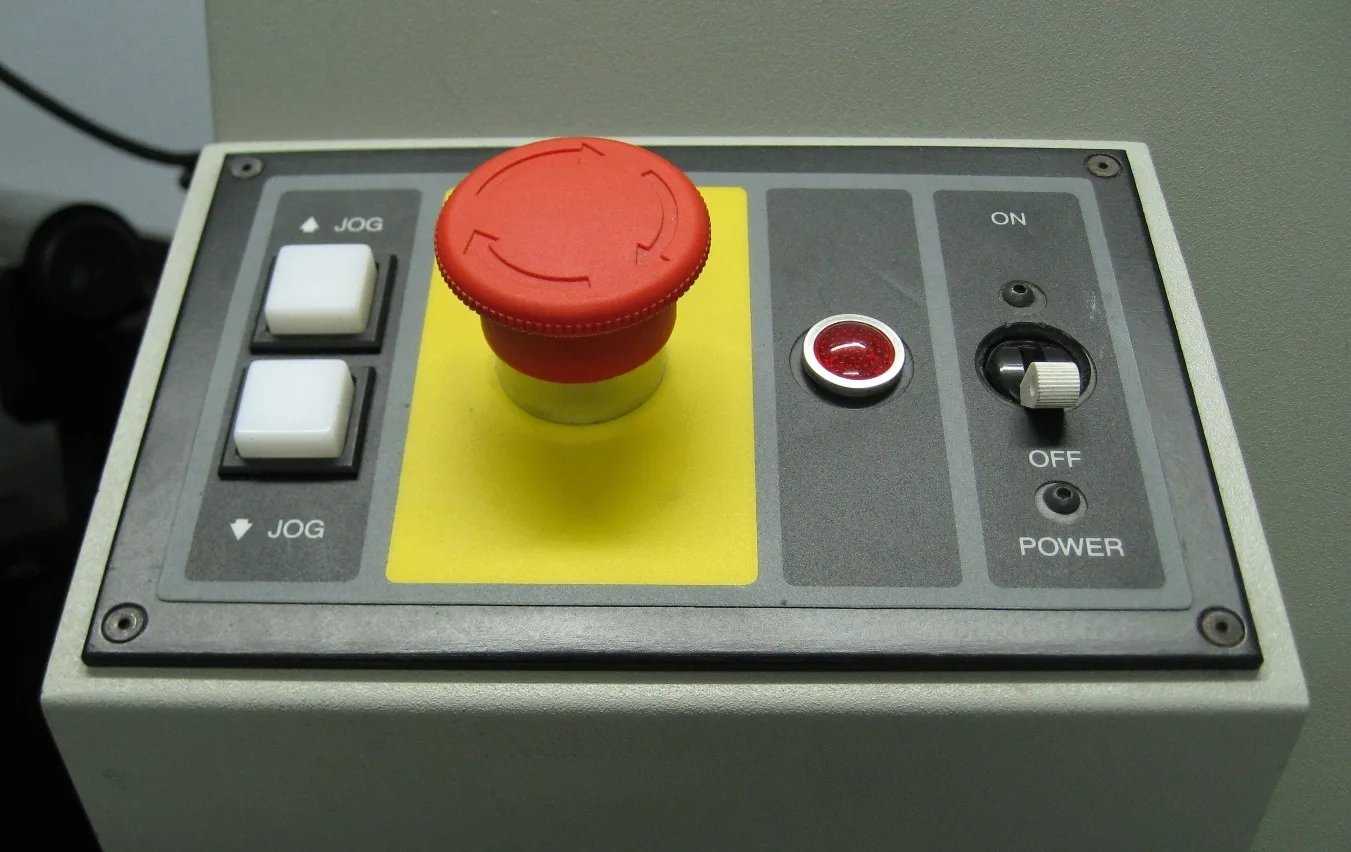
Fail-safe behaviour belongs in the same clause. A Queensland mines safety bulletin, quoting Australian Standard AS 1755-2000, states the baseline a buyer can point to: breaking, slackening or removal of the pull wire shall itself activate the device, the switch shall activate when the wire is pulled in any direction, and where several switches share a system a visual indicator should show which one has tripped. Ask, in the same section, whether a trip latches until someone resets it at the device, and who wires the devices into the plant control system and proves the full chain at commissioning. The manufacturer's own retrofit process starts from the inputs that define this work - how many conveying systems, their overall length, voltage requirements, special equipment ratings and the material carried - which is a usable checklist for the buyer's side of the table as well.
Layer three: records - proof tests are part of the purchase
The third layer is the one most often left out of the order: evidence. Integrated with the plant PLC, the devices in a system like this can feed event logging and time-stamped diagnostics, as the technical brief describes, which turns every trip into a record that supports root-cause analysis instead of an unexplained stoppage. Specify that record as a deliverable: which device tripped, when, and in what sequence, and how the site can access and export it.
Proof testing is the other half of the record layer, and regulators have views on it. The Queensland bulletin records that pull-wire testing at inspected sites was often done incorrectly - typically by pulling the wire hard in one direction and nothing more. Against AS 1755-2000 it sets out what a real test has to cover: activation on break, slack or removal; an operating force no greater than 70 newtons applied midway between supports at right angles to the wire, and 230 newtons along its axis; supports arranged so the wire moves freely, with a note that maximum spacing of 6 metres should apply; and the results of service, maintenance and testing kept as a record, to verify the testing and to monitor deterioration. A buyer does not need to adopt an Australian standard to use the logic: name the proof-test method, the interval and the records handover in the acceptance scope. A trip chain that is never proof-tested is a claim, not a safeguard.
Writing the system into the RFQ
Ask for the system on paper, in five parts. First, a coverage schedule: every conveyor listed with the devices fitted, their locations and the failure each one addresses, including pull-cable run lengths against the maker's stated maximum. Second, an alarm-versus-trip matrix: for each device, whether activation warns, stops the conveyor, or does both in stages, and who can change that configuration after handover. Third, the trip chain: drives stopped, interlocks with feeding conveyors, localisation of shutdowns, and the named party responsible for PLC integration and commissioning tests. Fourth, fail-safe and reset behaviour: activation on wire break or slack, indication of the tripped device, and latching until manual reset. Fifth, proof tests, records and spares: the test method and interval, the trip-event records the system will produce, and availability of replacement switches - the manufacturer states it is certified to ISO 9001:2015 and that many units carry CUL ratings, which are vendor statements to verify against the exact models offered and the destination market's requirements.
Environmental specification belongs in the same document. The brief on this system specifies sealed housings and corrosion-resistant hardware for abrasive, outdoor overland duty; a buyer with dust, heat and limited maintenance access should ask for the equivalent declarations - enclosure protection, materials and temperature range - per device, not for the bundle as a whole. Devices bought as one system still fail one at a time, in different weather.
What a safety system is not: the boundary with monitoring
Keep the boundary with monitoring platforms clear, because the two are now sold side by side. A monitoring platform reports condition - it watches, predicts and fills a dashboard, and its value is measured in warning time. A safety layer is a protective trip chain: its value is measured in whether the machine stops, fail-safe, when a defined threshold is crossed. The layers complement each other, and the previous article in this series covered the monitoring side; but a dashboard does not substitute for a trip circuit, and buyers should not pay for the same detection twice under two product names without a coverage map that shows which layer owns which failure.
Two further limits belong in the evaluation. The devices detect the conditions their sensing principles cover - belt drift, a hanging torn flap, a speed anomaly, a person's pull on a cable. Conditions outside those principles remain matters for guarding, lockout practice and physical inspection, which no switch bundle replaces. And the numbers used in this article are jurisdictional: the force, spacing and test expectations come from an Australian standard as quoted by a Queensland bulletin. Buyers elsewhere should name their own applicable conveyor safety requirements in the RFQ and ask for compliance evidence against those, rather than transplant figures from another market's rulebook.
Manufacturer announcements and our analysis are distinguished. Product claims require verification for the specific application.
Sources
Beyond the pull cord with Conveyor Components' safety system ↗Trade feature in the October 2026 edition of Australian Mining (14 October 2026), the first report of the bundled conveyor safety system. Device mechanisms, the 200-foot pull-cable figure and the layout caveats are the manufacturer's statements as reported; the feature is the event source for the system packaging.
Conveyor Components' layered safety system: control and downtime lessons for mine engineers ↗Technical brief dated 14 October 2026 collating the Australian Mining report. Used here for the architecture points: multiple trip points that localise shutdowns, shaft-mounted speed sensing, sealed housings for abrasive outdoor duty and PLC event logging with time-stamped diagnostics. A secondary summary, not an independent test.
Testing of conveyor pull wire activated emergency stops (Mines safety bulletin no. 40) ↗Queensland mines inspectorate bulletin quoting the pull-wire requirements of Australian Standard AS 1755-2000: activation on wire break, slack or removal, operating-force limits, support spacing and recorded proof tests. Cited for the test expectations a buyer can write into acceptance; it is an Australian reference, not a universal one.