Specifying Conveyor Components for Chemical Washdown ↗
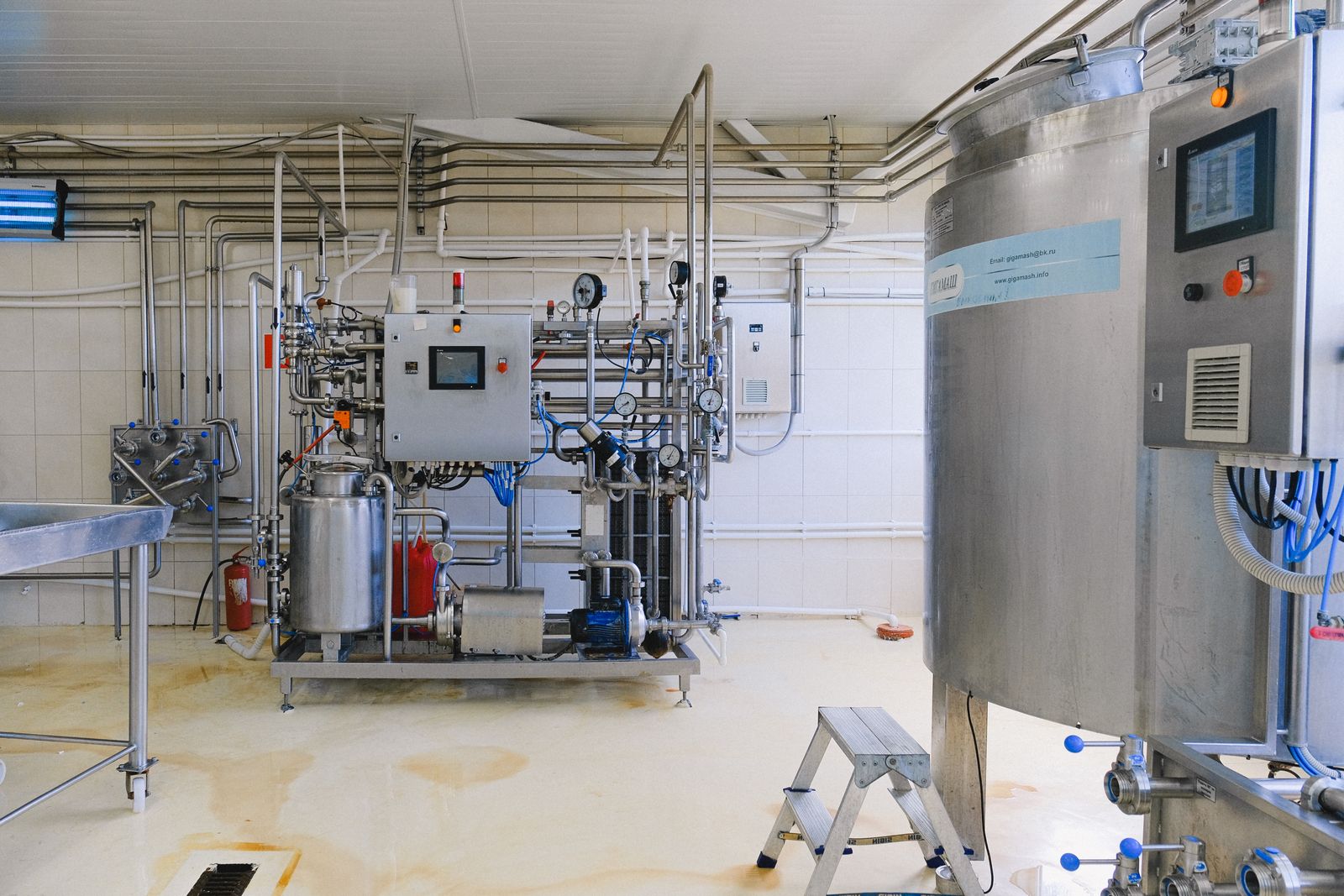
A practical buyer checklist for documenting washdown conditions and reviewing conveyor materials, interfaces, drainage, bearings, belts and electrical components.
Selection, maintenance and purchasing questions for a clearly defined conveyor project.
21 articles in this collection
A practical buyer checklist for documenting washdown conditions and reviewing conveyor materials, interfaces, drainage, bearings, belts and electrical components.
Check the belt identity, tooth engagement, tooth count and shaft interface before ordering. A focused RFQ and fit check can prevent an incompatible replacement.
Idler seal design used to be hidden inside the roll. Now that makers are standardising premium seals, buyers should specify seal stages, grease and life evidence in the RFQ.
A carton trial cannot qualify soft mailers. Build a test around loose flaps, changing footprints, transfers and failed reads.
Before buying a nosebar transfer, check the product's real support length, belt compatibility and the receiving machine's handover.
Trace carryback before ordering another blade. Separate the cleaning duty, material collection route and maintenance access in the review.
A bottle that travels well when full may need a separate empty-container trial. Review support, guides, pauses and the next machine's entry.
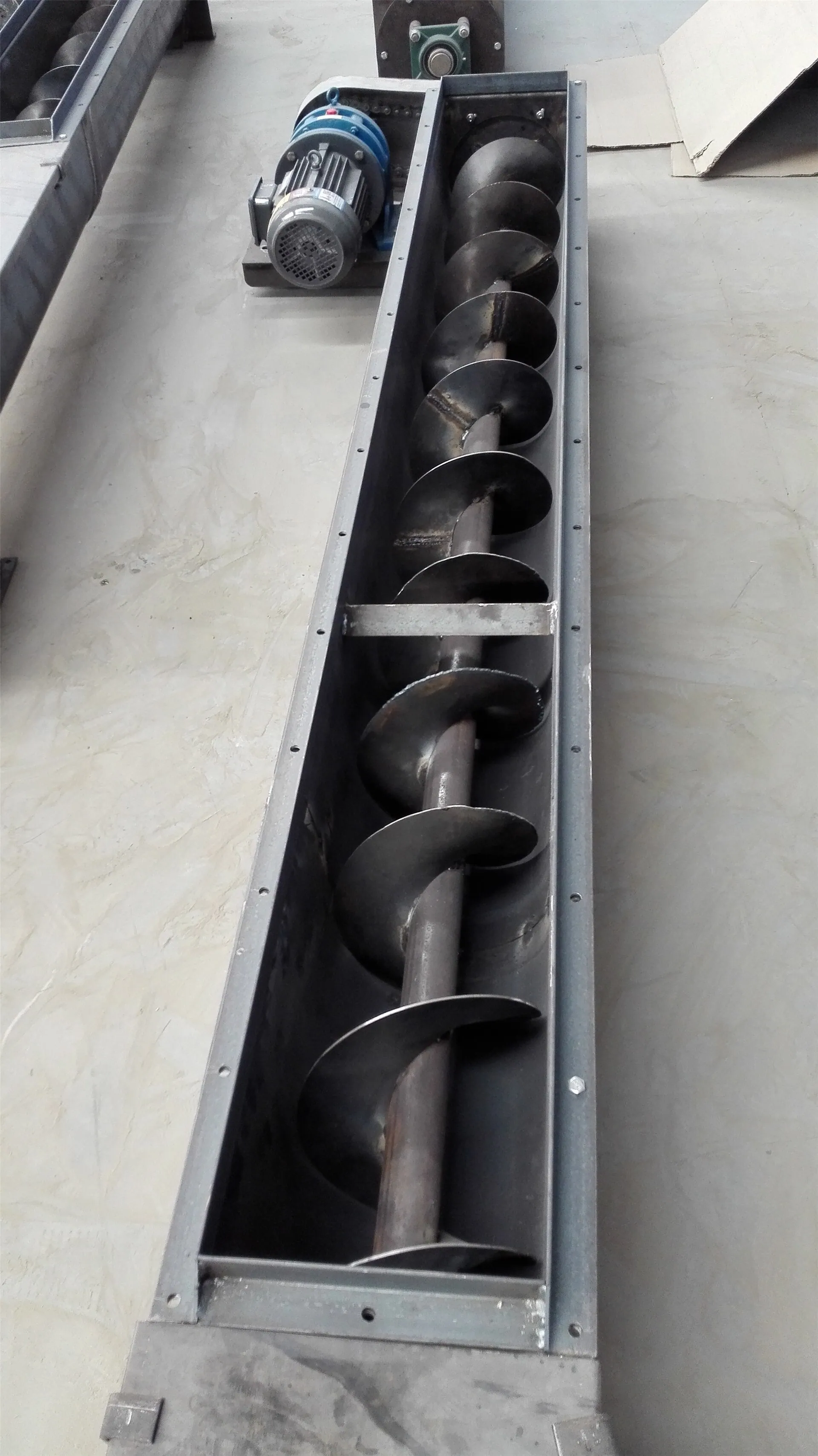
Before ordering an auger beneath a bin, identify who controls the incoming material and what feed-rate agreement the process actually needs.
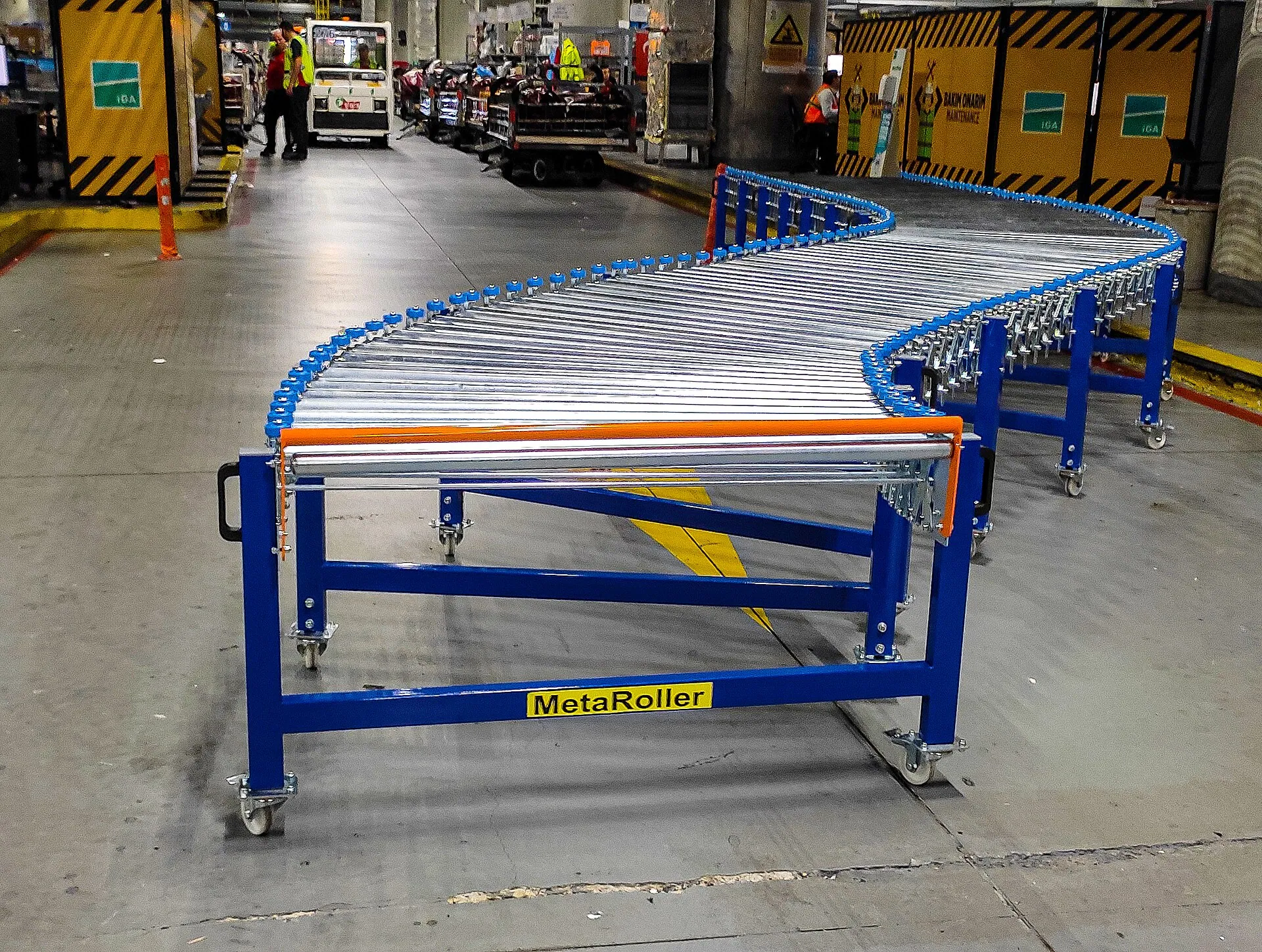
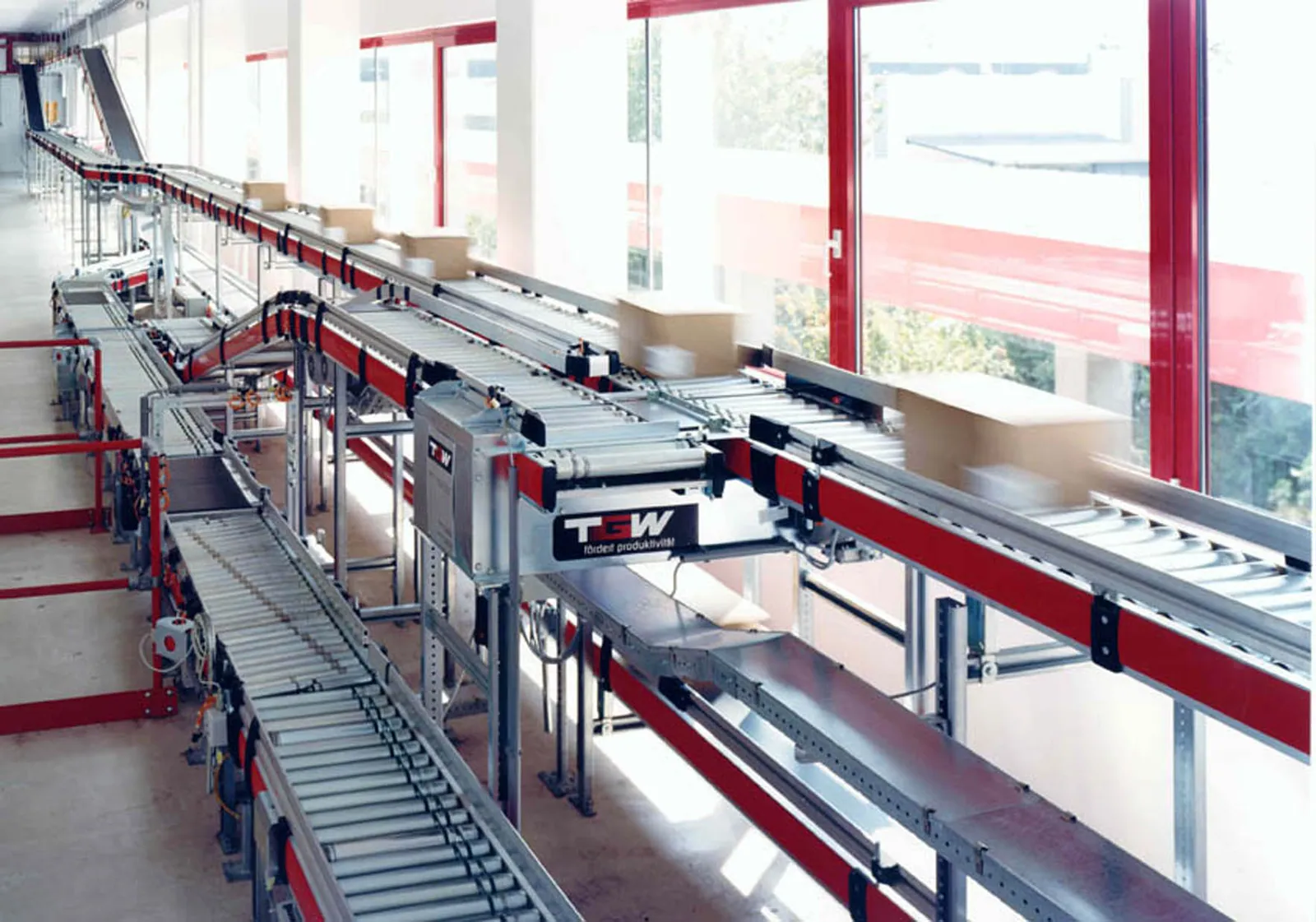
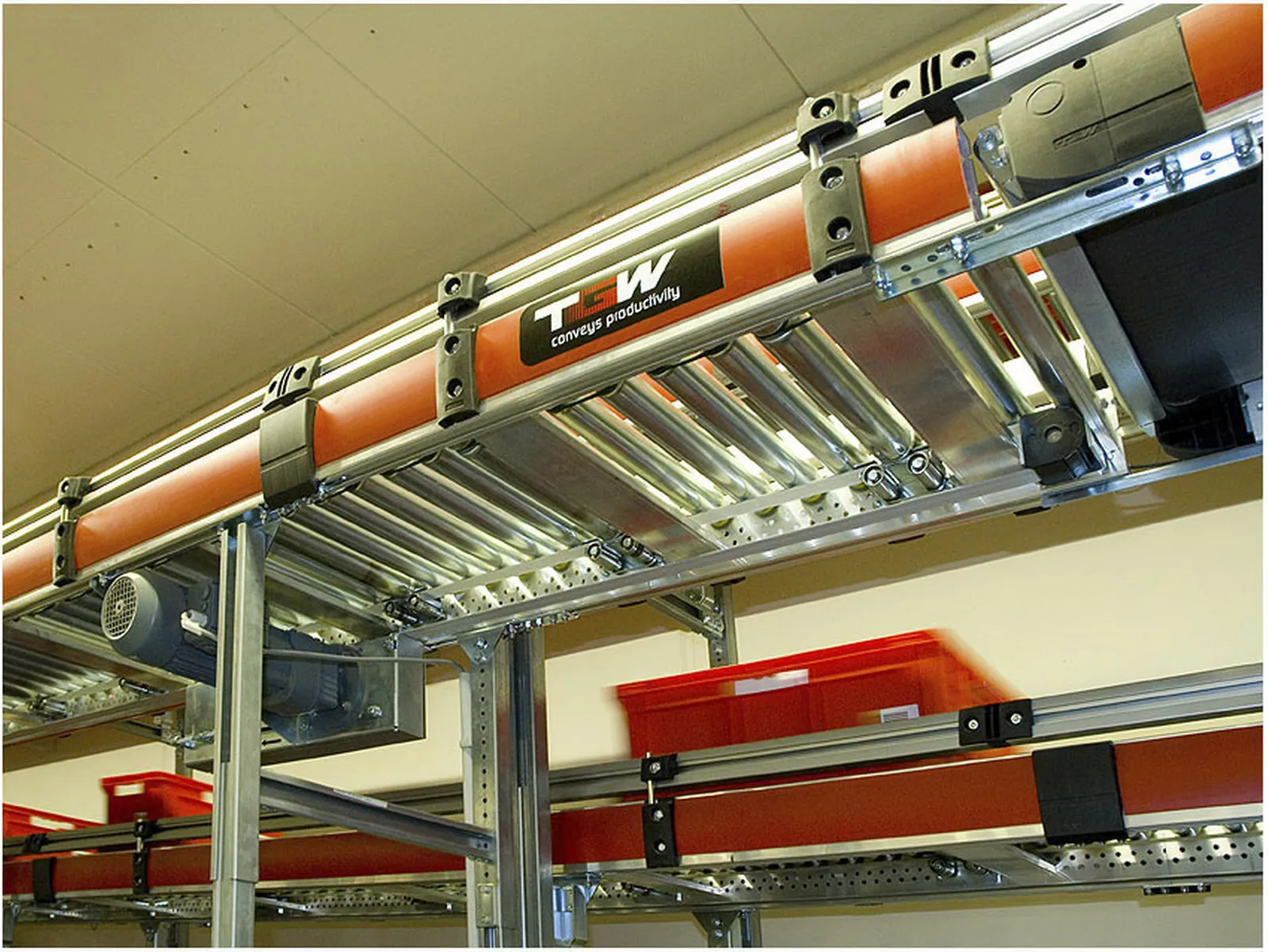
Compare flexible gravity and powered conveyors using package trials, working layouts, transfers and storage requirements.
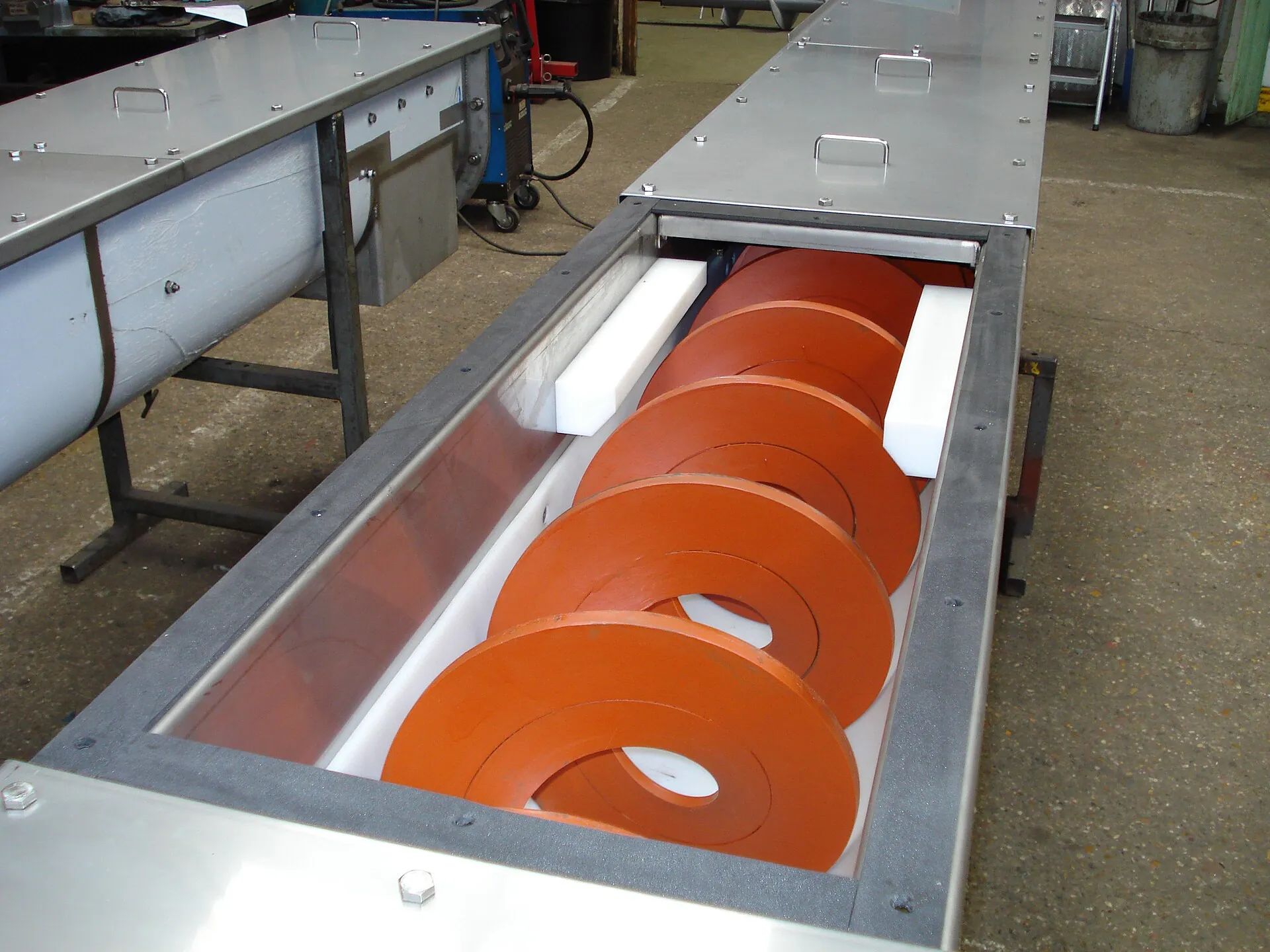
Review the support liner, attachment, inspection criteria and spare parts before buying or maintaining a shaftless screw conveyor.
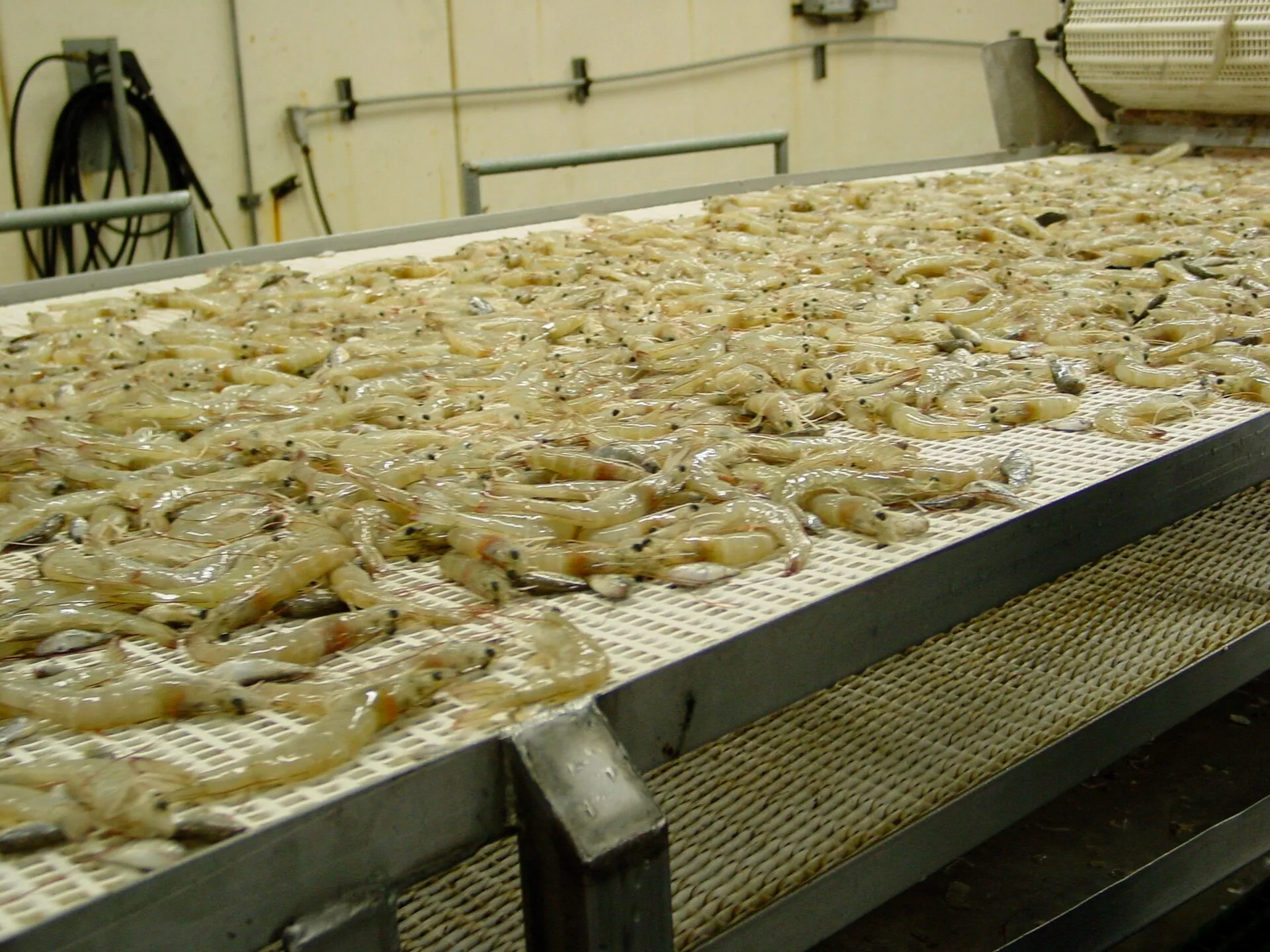
Specify belt access, dismantling, cleaning services and acceptance checks before comparing food conveyor quotations.
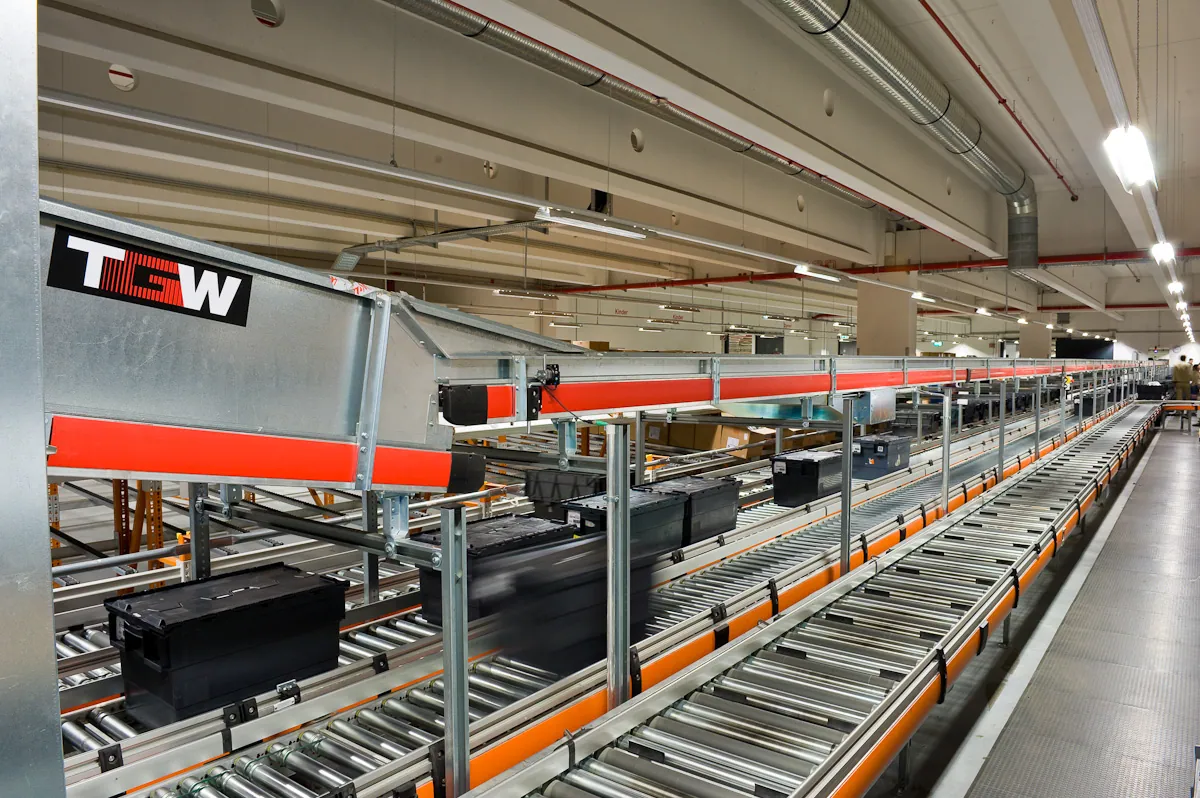
Match carton sizes, conveyor zones, release behaviour and downstream signals before buying a zero-pressure accumulation conveyor.
Compare screw conveyor housings by material, incline, containment and maintenance access instead of selecting by shape alone.
Compare splice methods against belt construction, operating conditions, pulley geometry, installation resources and maintenance needs before specifying a replacement or repair.
Before comparing machines, understand what moves through them. A practical starting point for a better equipment brief.
Tracking problems deserve a system-level investigation, from the loading point to the return run.
What to document before ordering replacement conveyor rollers and idlers.
Why transfer points belong in your conveyor specification from the beginning.
Give every supplier the same starting point before requesting a conveyor quotation.
Access, isolation and replacement space are equipment-selection questions, too.
Two familiar approaches to unit-load handling, with different questions to resolve.