Start with the cleaning conditions
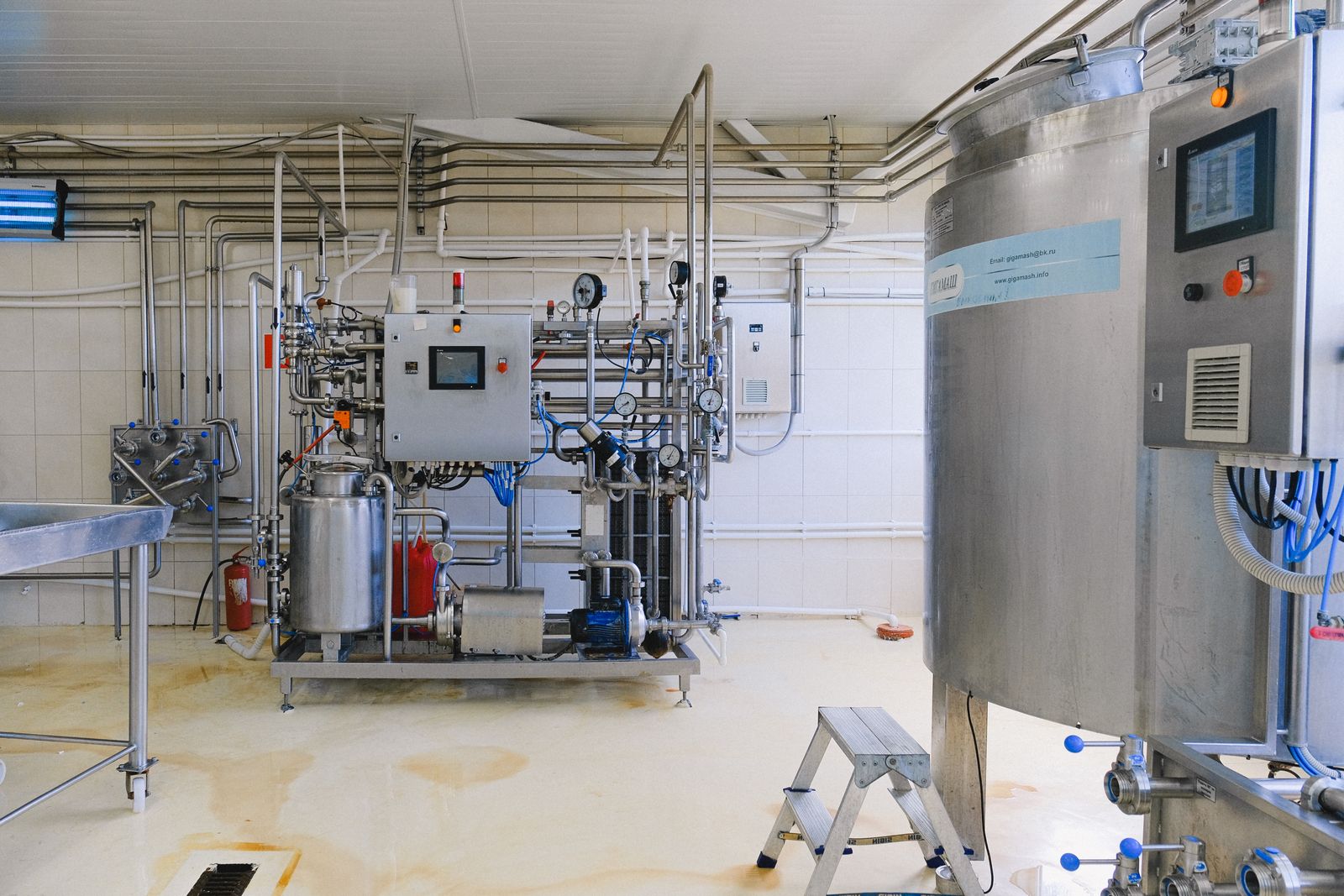
Before requesting quotations, describe how the conveyor is operated and cleaned. List each cleaning chemical by product or chemical name, its intended concentration or dilution, and any relevant preparation instructions. Include the cleaning and rinse temperatures, how long surfaces remain wet or in contact with chemicals, cleaning frequency, and whether chemicals can remain on the equipment between washes. Identify the application method, such as manual spraying, foaming or another process, and describe where spray is directed. If pressure or temperature varies by cleaning zone, record those differences rather than providing one general description for the whole line.
Also describe the conveyed product and any residue that may remain on the belt, frame or nearby components. Include operating hours, loaded and unloaded operation, and any other environmental exposures that could affect components. Martin Engineering’s belt-specification guidance recommends documenting operating conditions and handled material, and explicitly calls for details of chemical treatments and atmospheric contaminants. That is useful context for a buyer’s specification, but it does not provide a washdown chemical compatibility chart or establish that a particular component will withstand your cleaning process (S2).
Where information is uncertain, label it as an assumption and ask the cleaning team or chemical supplier to confirm it. Do not substitute a chemical’s general category, such as “alkaline cleaner,” for the actual product and use conditions. Compatibility depends on the specific component material and the conditions it will encounter; the supplier needs enough detail to assess the proposed configuration.
Map exposed materials and component interfaces
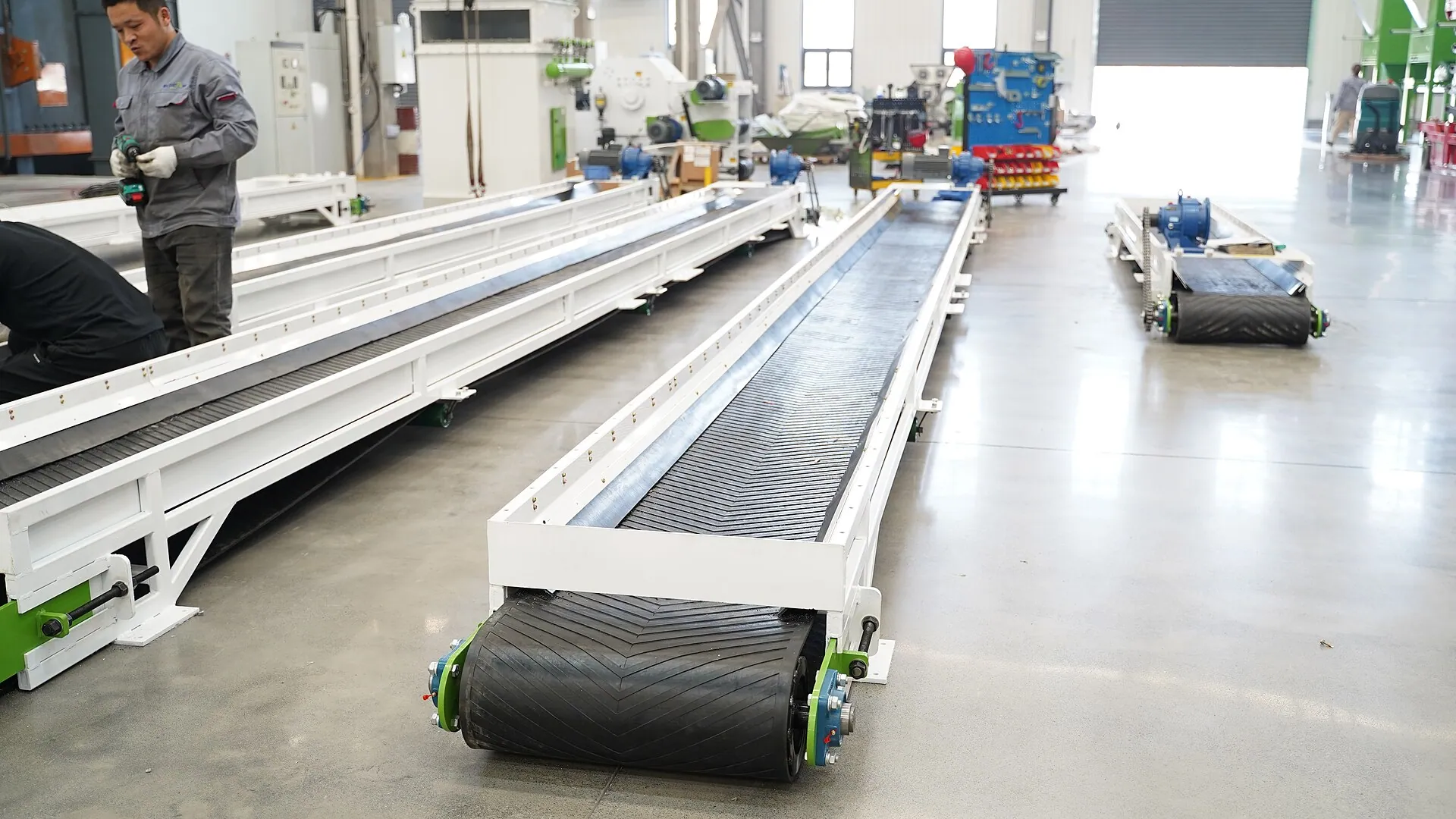
Ask the conveyor supplier to identify the materials and protective finishes for every exposed part, not just the frame. The review should cover frame sections and welds, fasteners, belt and splice or belt links, rollers, bearing housings, shafts, seals, guards, sensor bodies, connectors, cables, junction boxes and enclosure seals. Include accessories and replacement parts that may be installed later. If a component’s material or finish is not known, record that gap rather than assuming it matches the surrounding assembly.
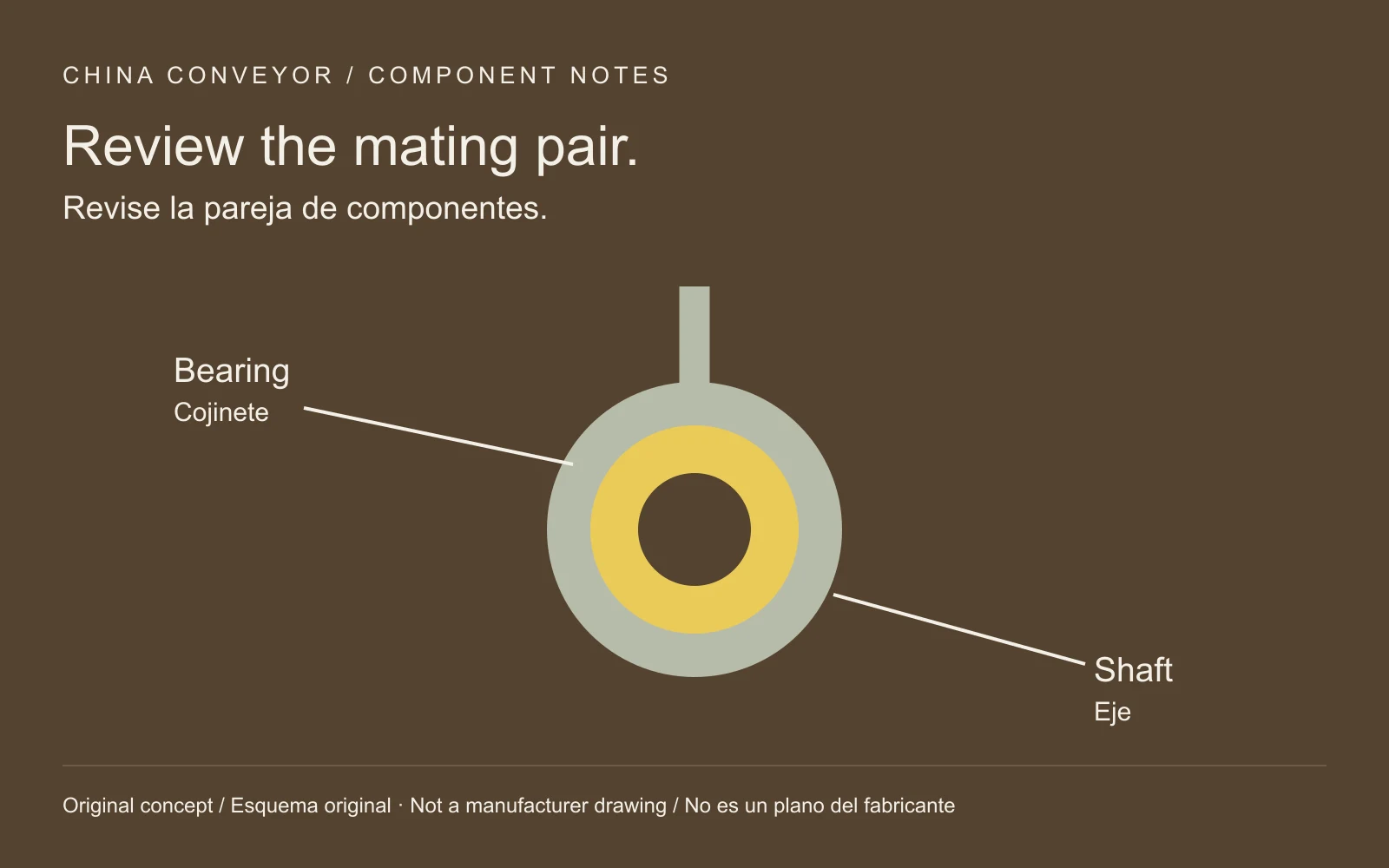
Pay particular attention to interfaces: a fastener passing through a frame, a shaft entering a bearing housing, a belt joint, a cable gland, or a sensor mounted through a guard. These are places where different materials, seals or surface finishes meet and where cleaning residue or moisture may be difficult to remove. Ask suppliers to state which material or finish is proposed at each interface, and whether the answer applies to the complete assembled component or only to one part of it.
S1 describes washdown-related concerns across several component groups: corrosion or loose hardware on frames and fasteners, water ingress or grease loss at bearings, belt cracking or delamination, and moisture in guards or sensor connections. It also identifies chemical attack on some belt materials, elastomer seals and unprotected metal. This supports reviewing those exposed parts as a system; it does not establish that any named material, grade or product is compatible with a particular chemical or concentration (S1).
Request condition-specific compatibility evidence
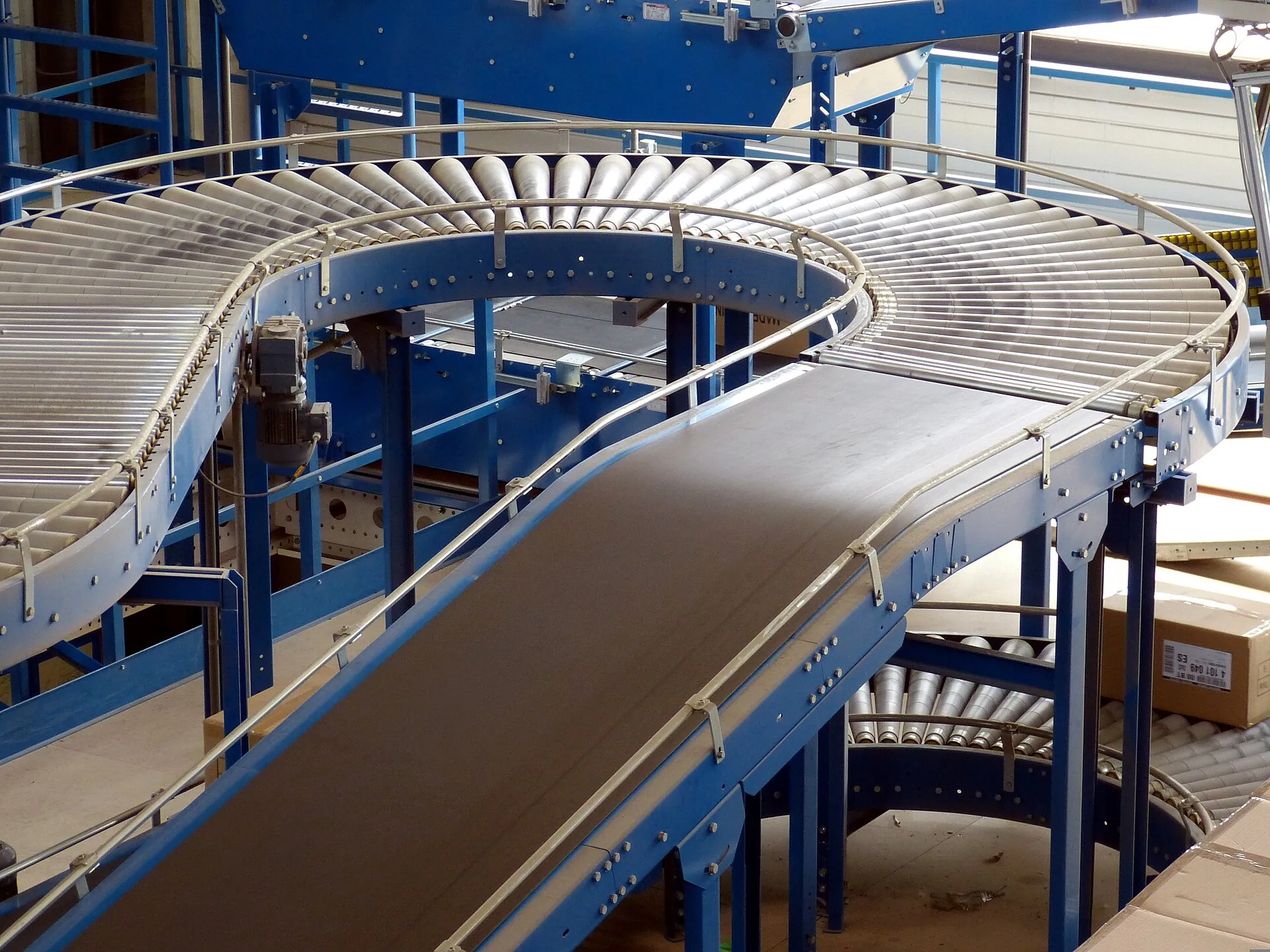
For each proposed belt, seal, bearing arrangement, fastener, coating, enclosure and connector, ask the supplier to assess compatibility against the cleaning conditions you supplied. Request the exact material or product designation, the conditions covered by the supplier’s statement, and any exclusions or operating instructions. Ask whether the assessment covers repeated exposure, rinse conditions and the stated temperatures and application method. If the evidence applies only to a raw material, clarify whether it also addresses the finished part, its coating, joints and assembled interfaces.
Do not treat a broad label such as “washdown,” “corrosion resistant,” or “chemical resistant” as a complete compatibility answer. Ask what that description means for the specific proposed component and the specific conditions in your specification. If suppliers offer alternatives, ask them to explain differences in material, sealing, maintenance requirements and limitations, so you can compare like with like. Keep written responses with the quotation and identify any unresolved questions before approving the order.
Neither S1 nor S2 provides a chemical compatibility matrix, test results for named products, or a component-specific approval. S1 gives general failure modes and maintenance considerations; S2 advises buyers to document chemical treatments when specifying belts. Use these sources to shape questions, not as proof that a selected belt, seal or metal is suitable. Obtain the needed evidence from the relevant component manufacturer or supplier for your stated service conditions.
Review drainage, access and residue traps
Ask for a review of how water, cleaning solution and residue can leave the conveyor. Check frame geometry, horizontal surfaces, joints, brackets, guards, hollow sections, belt supports and the areas beneath or around the belt. Identify locations that may retain liquid, conceal residue or be difficult to inspect and clean. Request drawings or configuration details that show how cleaning access is achieved and how removable parts are handled during sanitation. A design that is easy to reach and inspect can make cleaning and maintenance more practical, but the final arrangement still needs review against the facility’s actual cleaning procedure.
S1 identifies open frames that allow access, sloped surfaces that drain, continuous welds without crevices, and avoiding hollow tubes that trap water as design points to review. It also notes that residue can collect in joints and under belts. These are useful prompts for a design discussion, not a guarantee that a particular conveyor is hygienic or suitable for a regulated application. Ask the supplier to identify any retained-water or difficult-access areas and document how the proposed configuration addresses them (S1).
Include bearings, lubrication and electrical items
For bearings, ask what sealing arrangement and housing are proposed, how they are protected from the described spray, and what lubrication and inspection instructions apply. Confirm whether the lubricant is appropriate for the application and whether product contact is possible; do not assume that a sealed bearing needs no inspection or maintenance. Ask how the supplier expects the assembly to be checked for water ingress, grease loss, corrosion, unusual heat or noise. S1 identifies water ingress and grease washout as washdown concerns and recommends following manufacturer guidance, but it does not specify a suitable bearing model or relubrication interval (S1).
For electrical components, include motors, sensors, connectors, cable entries, junction boxes, conduit fittings, cord grips and enclosure seals. Tell suppliers where each item sits relative to the cleaning spray and ask what protection and installation conditions apply to that exact item. Request confirmation for the assembled configuration, including cable entries and covers, rather than relying only on a component label. Ask how seals and connectors should be inspected and replaced. S1 reports that moisture in connectors or enclosures can contribute to sensor faults; it does not give electrical ratings or certify any enclosure (S1). Obtain applicable product documentation from the supplier and have the responsible electrical or engineering reviewer confirm suitability.
Make the specification traceable
Attach a cleaning-condition schedule to the request for quotation and identify which details are confirmed, estimated or still unknown. Include a component list, proposed materials and finishes, relevant drawings, cleaning zones, operating conditions, maintenance expectations and supplier evidence. Ask the supplier to list assumptions and deviations explicitly, including any component that has not been assessed against the stated cleaning conditions. Require approval of substitutions before purchase or installation so that a later replacement does not silently change an exposed material or seal.
Before release, review the complete configuration with the conveyor supplier and the people responsible for sanitation, maintenance and electrical safety. Confirm that the selected parts, interfaces, access provisions and maintenance instructions correspond to the stated conditions. If the cleaning method or chemistry changes, reassess the affected components rather than assuming the original selection remains valid. S1 recommends inspections and attention to belts, bearings, frames, seals and electrical connections, while S2 emphasizes recording operating and chemical-treatment details for belt selection. Together they support disciplined documentation and review, not a universal design specification or a guarantee of service life (S1, S2).
This guide helps define questions and requirements. Technical decisions require application documentation and review.
Sources
Food Conveyor Maintenance: Belts and Washdown Damage ↗Supports discussion of washdown-related failure concerns for belts, bearings, frames, fasteners, seals, guards and sensors, plus design and inspection prompts. The retrieved text is food-conveyor focused and does not provide chemical compatibility data, component approvals or electrical ratings.
How To Specify A Conveyor Belt ↗Supports documenting belt operating conditions, handled material, chemical treatments and atmospheric contaminants. It is general belt-selection guidance and does not provide washdown compatibility evidence for specific belt compounds or other conveyor components.