The parcel that changes shape
A carton usually gives the designer a relatively defined supporting face. A soft mailer may present a different footprint each time its contents settle. Sending a rigid box through a proposed conveyor therefore leaves a useful question unanswered: what happens when the next order arrives in a partly filled bag? TGW identifies snagging as a particular challenge for soft packaging. That is a reason to test the actual packaging family, rather than assuming that a parcel conveyor accepts every parcel format.
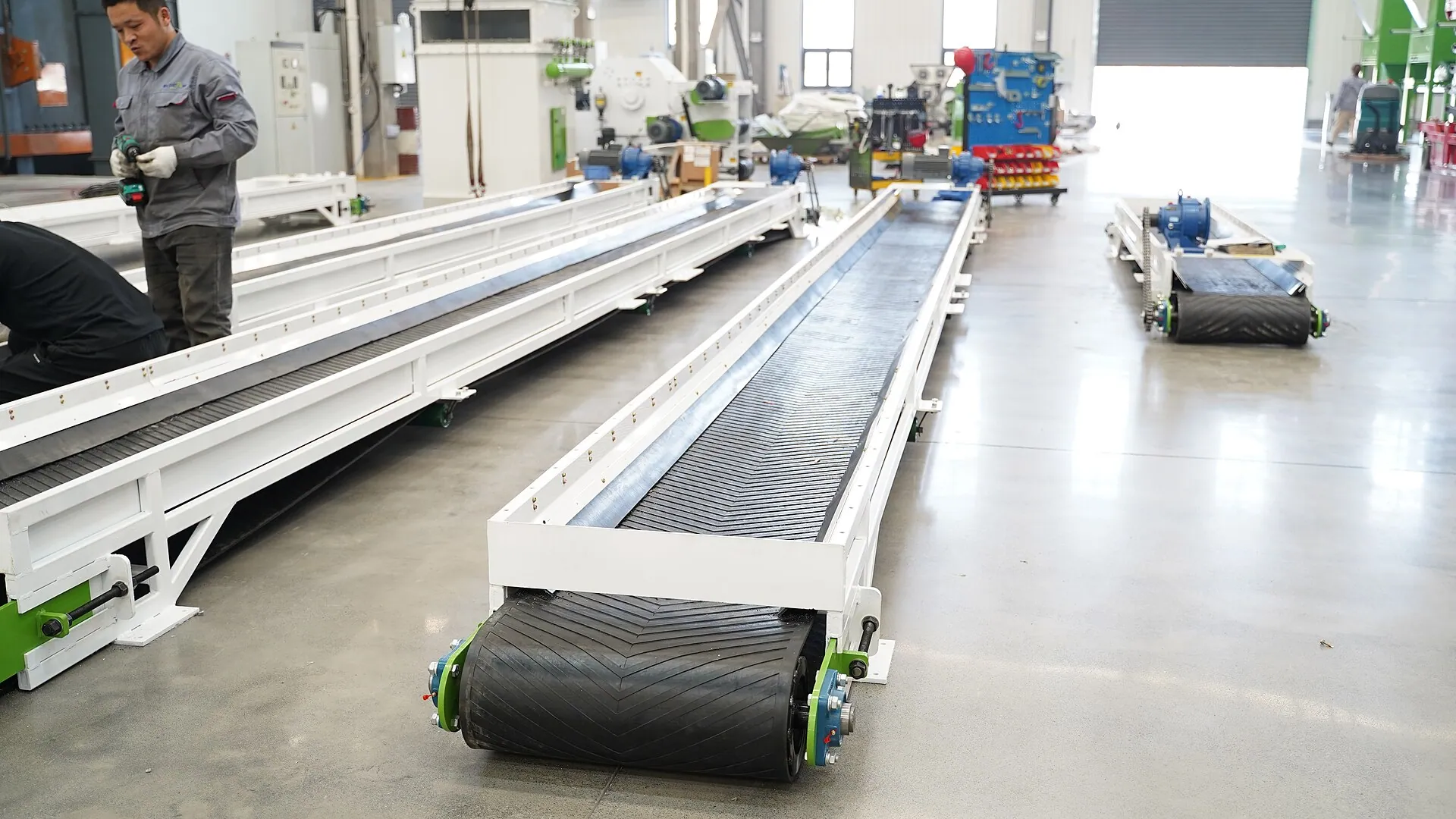
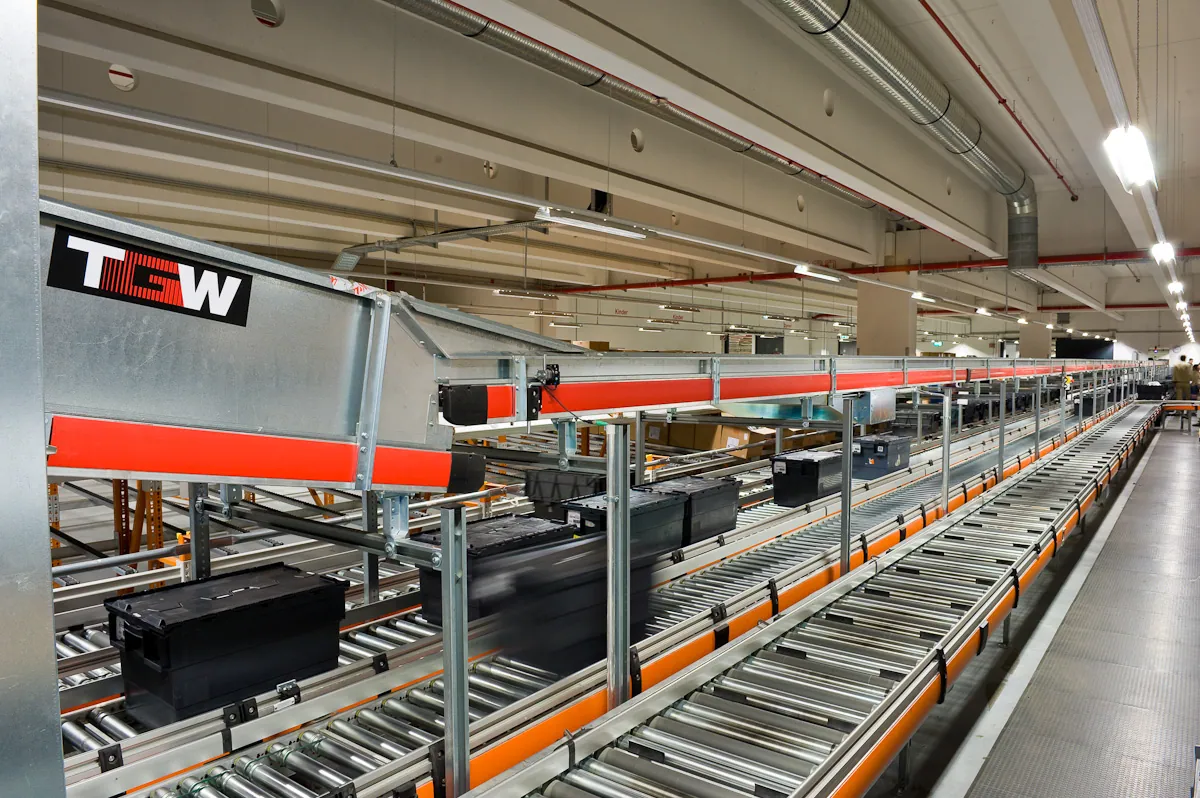
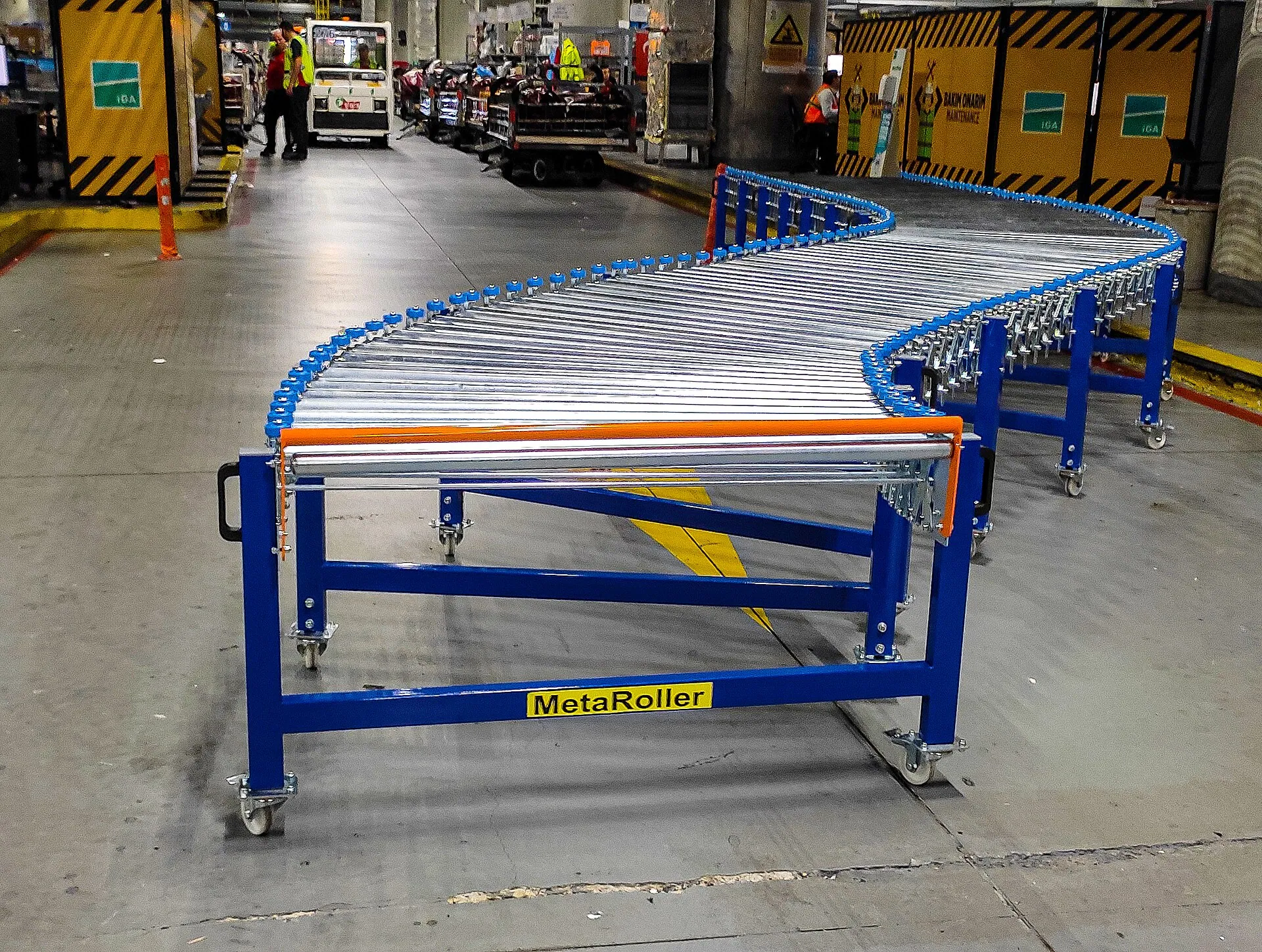
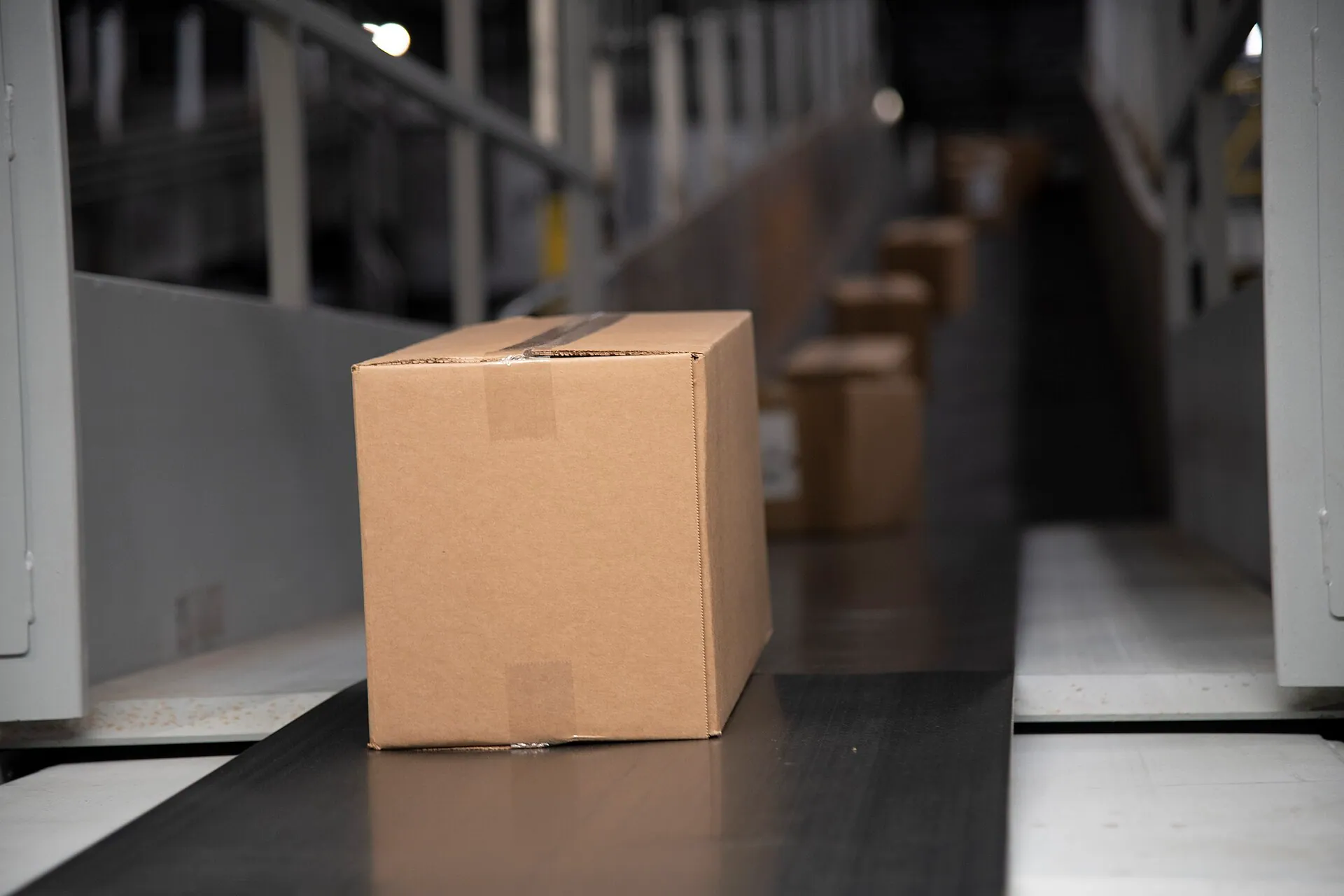
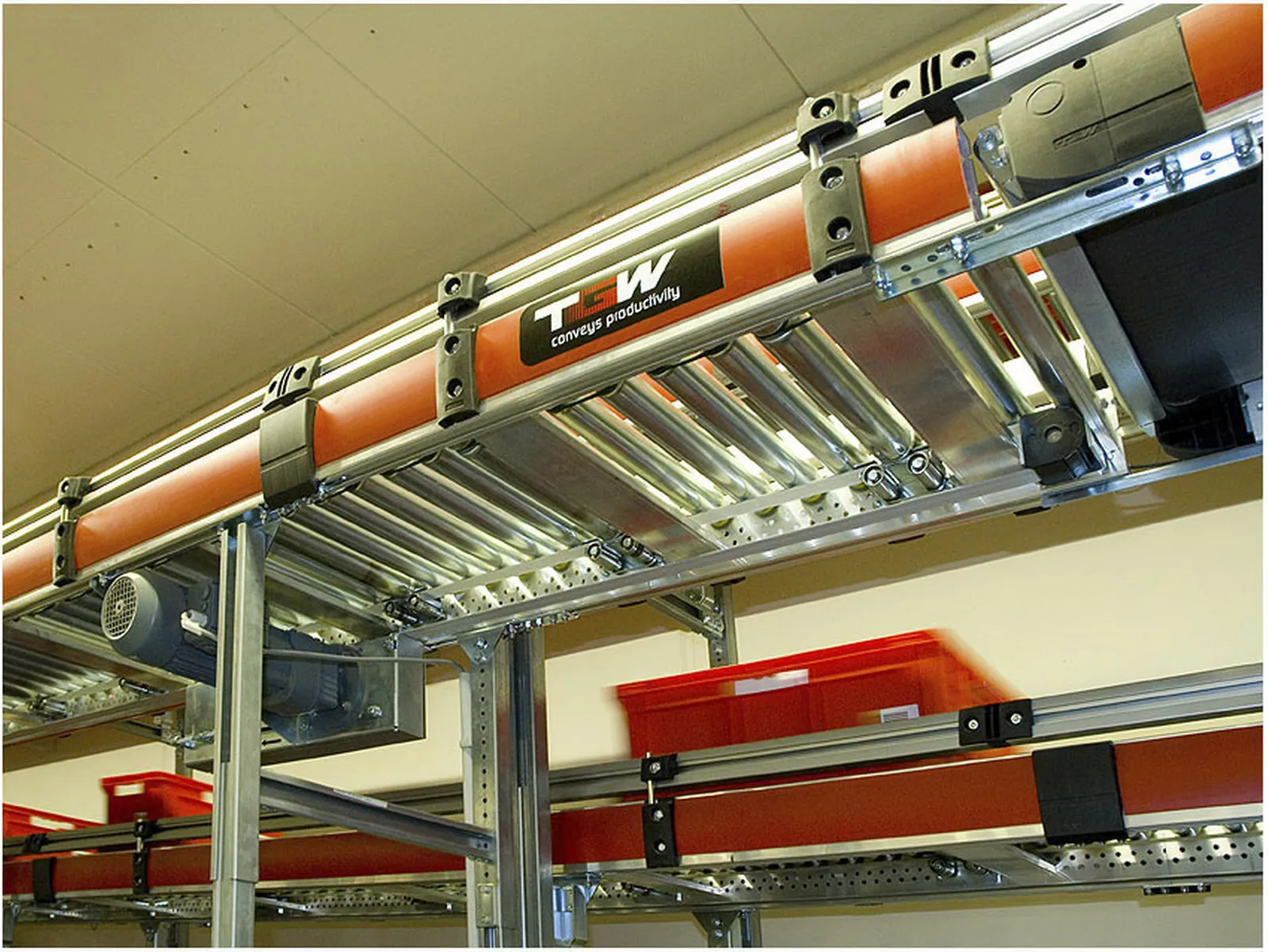
Prepare samples from real packing practice: a light garment with excess film, a compact item inside a larger mailer, a padded envelope and any approved paper alternative. Include the normal range of seams, folded closures and label locations. Record each sample's filled dimensions and mass, along with photographs of its underside. Do not introduce deliberately unsafe loose material merely to make a trial difficult. The carton and roller photographs here illustrate the surrounding parcel system; neither is evidence that polybags have passed a test.
Follow the flap across the whole route
Map every transition that the bag must cross, including the discharge into the next machine. Ask the integrator to explain how the proposed support surface and transition geometry deal with flexible edges. A demonstration on one straight conveyor cannot answer what happens at a merge, curve or sorter entry. Request views that show the bag entering and leaving each interface, not only a distant video of a successful arrival.
Observe whether the leading edge folds, a seam catches, the bag rotates or its contents move within the film. Record the location and sample identity when an event occurs. Avoid calling every hesitation a drive problem: a package can meet the commanded conveyor motion while its loose material behaves differently. If a tray, tote or other carrier is proposed, include loading and unloading that carrier in the process review. psb describes several polybag handling routes; their availability is a prompt for comparison, not proof that one route fits your order mix.
Test the information as well as the motion
A bag that reaches the destination can still be an unsuccessful order if its identification is lost. Include the actual label material and placement rules in the trial brief. Ask the controls supplier to show how the smallest approved package is detected and tracked through transfers. Keep physical delivery, detection and successful identification as separate observations, so a missed read does not disappear inside an overall throughput figure.
Agree how the system responds to a failed read, overlapping packages and a downstream pause before testing these conditions under the supplier's controlled procedure. Identify who authorizes the test and who records the result. Do not move a sensor, cover a safety device or pull a trapped bag from a running conveyor to make the demonstration continue. Where an exception route depends on an operator, include the location and work required in the proposed operating method. An exception that is easy on a quiet demonstration may need a different arrangement during normal work.
Buy against a packaging envelope
Write the approved packaging envelope into the quotation and acceptance plan: the sample families, filled size and mass ranges, permitted closures, label rules and operating conditions. Ask which items require a carrier or a separate route. The supplier should state exclusions explicitly. A general description such as e-commerce ready is much less useful than a record connecting a package family to an agreed route and observed trial result.
Keep the original samples or an agreed method of reproducing them, retain event logs and record any changes made during testing. If a packaging supplier later changes the film, seam or mailer dimensions, use that record to decide whether another trial is needed. Ask for replaceable transition components and the inspection instructions relevant to the selected equipment. The useful purchasing outcome is a documented handling agreement, with a workable exception process, rather than an unsupported promise that every future soft parcel will travel like the original test carton.
This guide helps define questions and requirements. Technical decisions require application documentation and review.
Sources
TGW: conveyor systems and soft packaging ↗Identifies soft packaging snagging as a specific handling challenge. Product claims are not acceptance criteria for another installation.
psb: polybags in intralogistics ↗Describes application-dependent handling and carrier options for polybags. It does not establish a universal roller pitch or bag size limit.