Choose the handling method
Start a flexible conveyor purchase by describing how cartons should travel between the vehicle and the next process. Decide whether the proposal is intended to support manual handling, use gravity, or provide powered transport. Those are different operating arrangements even when their frames look similar. FMH publishes separate flexible gravity and powered product ranges. Compare the appropriate arrangements for the task instead of asking bidders to price an unspecified expandable conveyor.
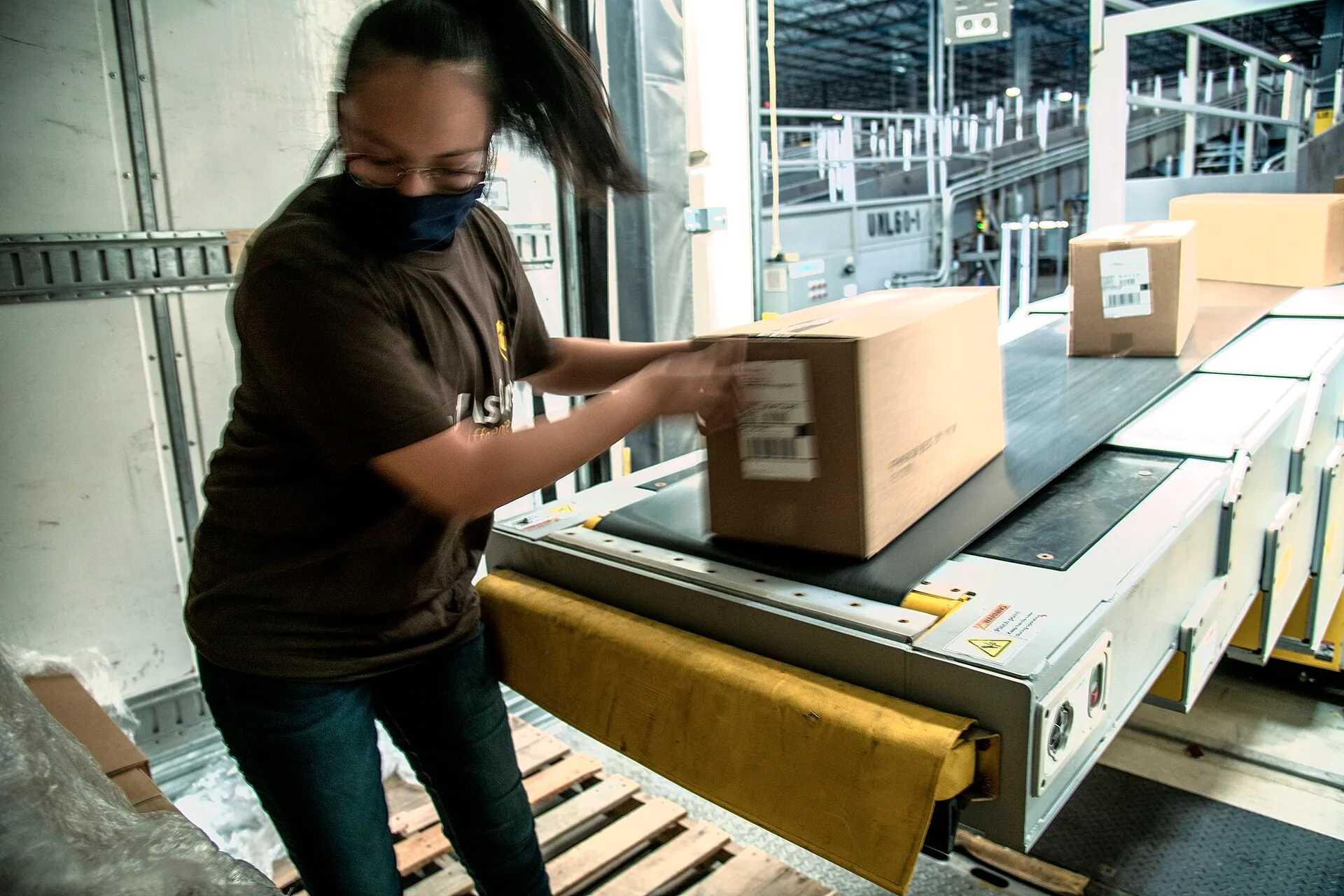
Describe loading and unloading separately if the same equipment must do both. Identify who presents each package, who receives it, and what should happen when either person or process pauses. Ask bidders to explain the proposed movement and stopping method. A flexible frame answers a layout question; it does not by itself define package control, the need for power, or the work remaining for the operator. Put those responsibilities in the specification before comparing prices.
Bring the real package mix
Prepare representative packages covering the size and weight range, base condition and travel orientation expected at the dock. Include the awkward items that are easy to omit from a catalogue discussion: short cartons, damaged packaging that is still accepted by the operation, and mixed sizes arriving together. Ask the supplier to state which packages are suitable for its proposed rollers or wheels and which require a different handling method.
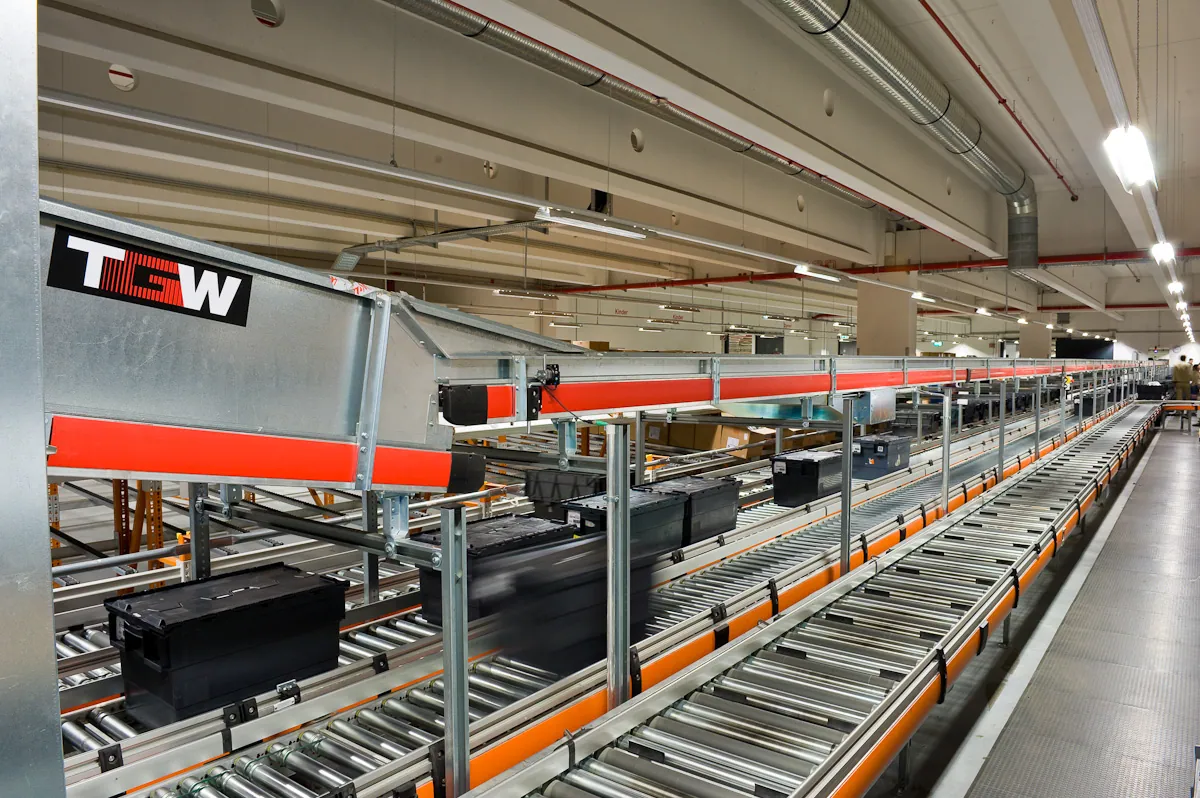
FMH's gravity range offers different roller and skate-wheel configurations. Treat those as options to evaluate with actual packages, not interchangeable surfaces selected only by purchase price. Request a trial in the intended operating arrangement and agree what constitutes an acceptable transfer. If some loads must be handled separately, document the exclusion and the alternative route. A successful run with one convenient carton should not become approval for the entire package list.
Draw every working position
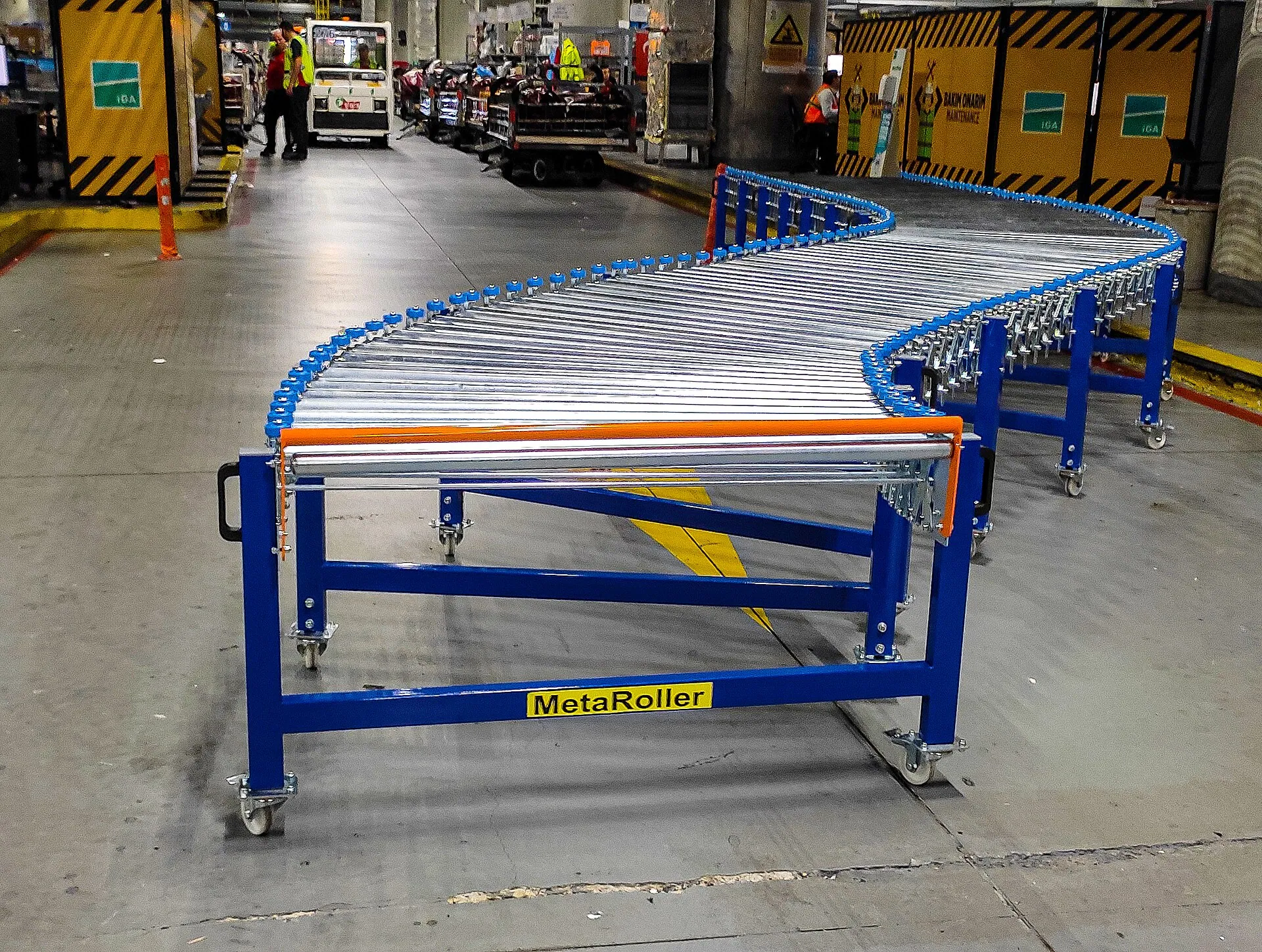
Show the conveyor fully stored, partly deployed and arranged for the intended work. Include doorways, vehicle positions, fixed equipment and the routes used by people and other handling equipment. Ask for the quoted unit's deployed and stored dimensions, working-height range and limits on the arrangements you intend to use. Check those details against the actual dock rather than relying on an extended-length description alone.
Hytrol describes powered flexible conveyors that expand, curve and retract for changing layouts. Ask the proposed supplier how its specific unit is positioned and secured, and what floor conditions it needs. Where powered equipment is considered, include the power connection and cable route in the drawing. The aim is to identify conflicts before purchase, including where the stored unit will stand when another operation needs the same floor space.
Define transfers and pauses
Review both ends of the proposed arrangement. Ask how packages enter, leave and remain controlled when the receiving operation stops. Specify which fixed conveyor, workstation or loading position forms each interface. Request a description of any connectors, end stops or controls included in the quotation and the responsibility for equipment supplied by others. Do not infer an accumulation function merely because a conveyor is powered.
Agree a safe demonstration of the normal sequence and the expected interruptions. Check mixed packages, deployment changes and the return to the stored position using the supplier's approved procedure. Identify who may adjust the unit and which checks precede operation. Do not improvise a slope, restrain moving cartons by hand, or make deployment changes around an operating machine to overcome an unresolved design question. Ask the responsible site team and supplier to resolve the arrangement first.
Buy the complete arrangement
Compare quotations against the same package list, dock drawing and operating sequence. Ask each bidder to identify the supplied configuration, support and positioning features, controls, interfaces and exclusions. Request setup instructions, maintenance information and the replacement-parts list for the actual model. Include the handover and training needed by the people who will position, use and store the conveyor during a normal shift.
Where a supplier claims labour savings or faster loading, ask what work pattern and comparison support that claim. Define a practical acceptance demonstration for your operation instead of adopting a percentage from another installation. A useful purchase is an arrangement the team can deploy, operate and store as intended, with its package limits and responsibilities documented. Select on that complete scope rather than the longest reach or lowest initial price in isolation.
This guide helps define questions and requirements. Technical decisions require application documentation and review.
Sources
FMH: Flexible Gravity Conveyors ↗Describes expandable gravity equipment and application choices. Dimensions and ratings depend on the selected model.
FMH: Flexible Powered Conveyors ↗Provides powered flexible conveyor examples; it does not establish the correct drive or layout for every dock.
Hytrol: Flex Conveyors ↗Describes mobile powered configurations, positioning and controls. Product-specific performance claims are not generalized.