Start with the cleaning task
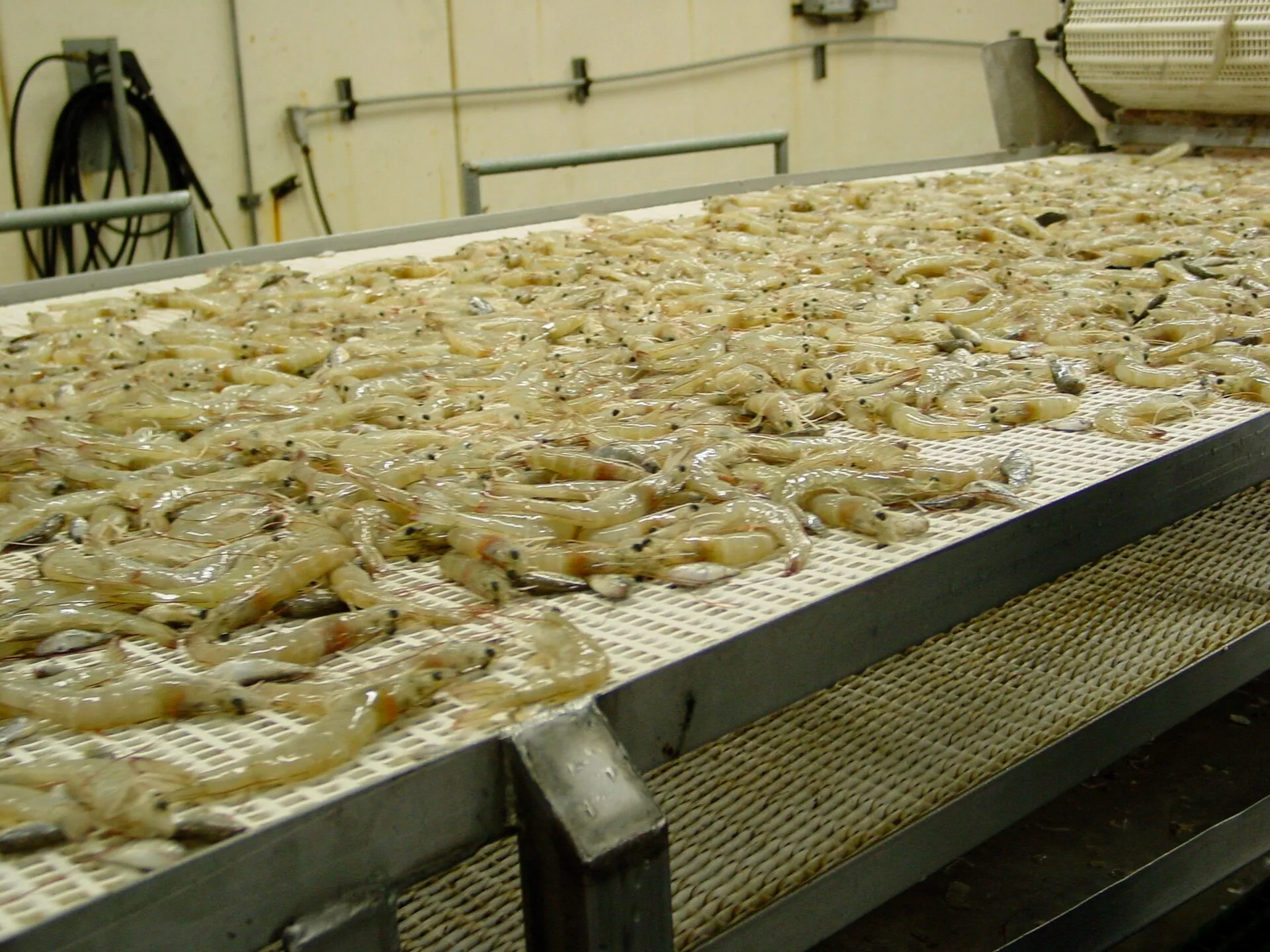
Choose a food conveyor around the cleaning work it must support, alongside the product it moves. A specification that says only stainless steel and food-grade belt leaves important purchasing decisions unresolved. Before requesting quotations, describe the food, whether it touches the belt directly, the residues expected after production, and the changeovers that the sanitation team must manage. Separate these requirements from the conveyor's production rate and layout so neither set disappears during price comparisons.
Commercial Food Sanitation's design program uses cross-functional collaboration to develop written conveyor requirements. Apply that principle to your purchasing review: ask production, sanitation, maintenance and engineering to agree on the intended cleaning task. A useful project document identifies who approves the design and which questions remain open. A general hygienic-design claim should begin that discussion, rather than close it. Do not treat the material description as evidence that the whole installed conveyor is suitable for your process.
Ask what must come apart
Request a drawing or demonstration that follows the complete belt path. Ask how staff will reach the carrying surface, belt underside, return path, guides and transfer areas during the agreed cleaning procedure. For each removable component, record the tools, handling space and storage arrangement required. Ask whether the drawing shows the production position or the cleaning position; the difference can matter when equipment is squeezed between neighbouring machines.
Dorner lists tip-up tails and tool-free disassembly among features of its sanitary conveyor offerings. These are examples to investigate, not features that every food conveyor includes. Ask each bidder to demonstrate the proposed arrangement on the quoted configuration. Can the intended team remove and refit the relevant parts without improvising? What adjustment or inspection follows reassembly? Request written instructions rather than inferring the procedure from a photograph of a lifted belt.
Define the cleaning method
State whether the proposed procedure is dry cleaning, wet cleaning or a combination approved by the site's sanitation team. Give the supplier the intended cleaning agents and operating conditions, and request compatibility confirmation for the actual belt, guides, seals, drive and electrical equipment being offered. Where details are not yet agreed, identify them as design questions instead of assuming that a stainless frame answers them.
Habasit describes a cleaning-in-place accessory that cleans both sides of the belt. An accessory of that kind is a proposal to evaluate against your process, not a substitute for a complete cleaning plan. Ask which surfaces the proposed cleaning system addresses, which tasks remain manual, and what services and access it needs. Request a clear boundary between included equipment, optional equipment and work by others. Avoid accepting an unqualified promise of faster cleaning without a stated method of checking it.
Review the installed layout
Assess the conveyor in its planned location, rather than as an isolated catalogue item. Put neighbouring machines, walls, access routes and the intended cleaning position on the layout. Ask the supplier to mark the space needed for opening covers, handling removed components and reaching inspection points. If a cleaning task depends on moving another machine, record that dependency before approving the arrangement.
Include the return to production in the review. Ask who confirms correct reassembly, which guards must be restored, and how the line is released for operation. Agree the safe access and energy-isolation procedure with the responsible site personnel; do not use an open belt or an exposed drive as a shortcut to cleaning access. A purchasing drawing should make unresolved access questions visible so the project team can resolve them before installation.
Agree how you will accept it
Turn the review into an acceptance plan attached to the order. Ask for the approved layout, component list, cleaning and reassembly instructions, replacement-parts information and any stated operating restrictions. Where practical, arrange a demonstration using representative product and the proposed procedure. Record what the demonstration must show, who witnesses it and how exceptions will be resolved. The site's responsible team should define the cleaning-verification method and acceptance criteria for its process.
Compare quotations against that same plan. A lower initial price may exclude access features, cleaning equipment or documentation that another bidder includes. Make those differences explicit without inventing a universal cleaning-time target. Select the proposal that addresses the agreed production and sanitation requirements with a documented basis. The purpose of this checklist is to improve the buying conversation; it does not establish hygienic certification or validate a food-safety outcome.
This guide helps define questions and requirements. Technical decisions require application documentation and review.
Sources
CFS: Hygienic Conveyor Design Program ↗Supports cross-functional, written conveyor specifications. It does not certify a particular installation.
Dorner: Sanitary Conveyors ↗Provides manufacturer examples of cleaning access and disassembly features; these are product-specific.
Habasit: Hygienic CIP Unit ↗Describes a belt cleaning-in-place accessory. Suitability and cleaning results require application review.