Start with the shortest supporting face
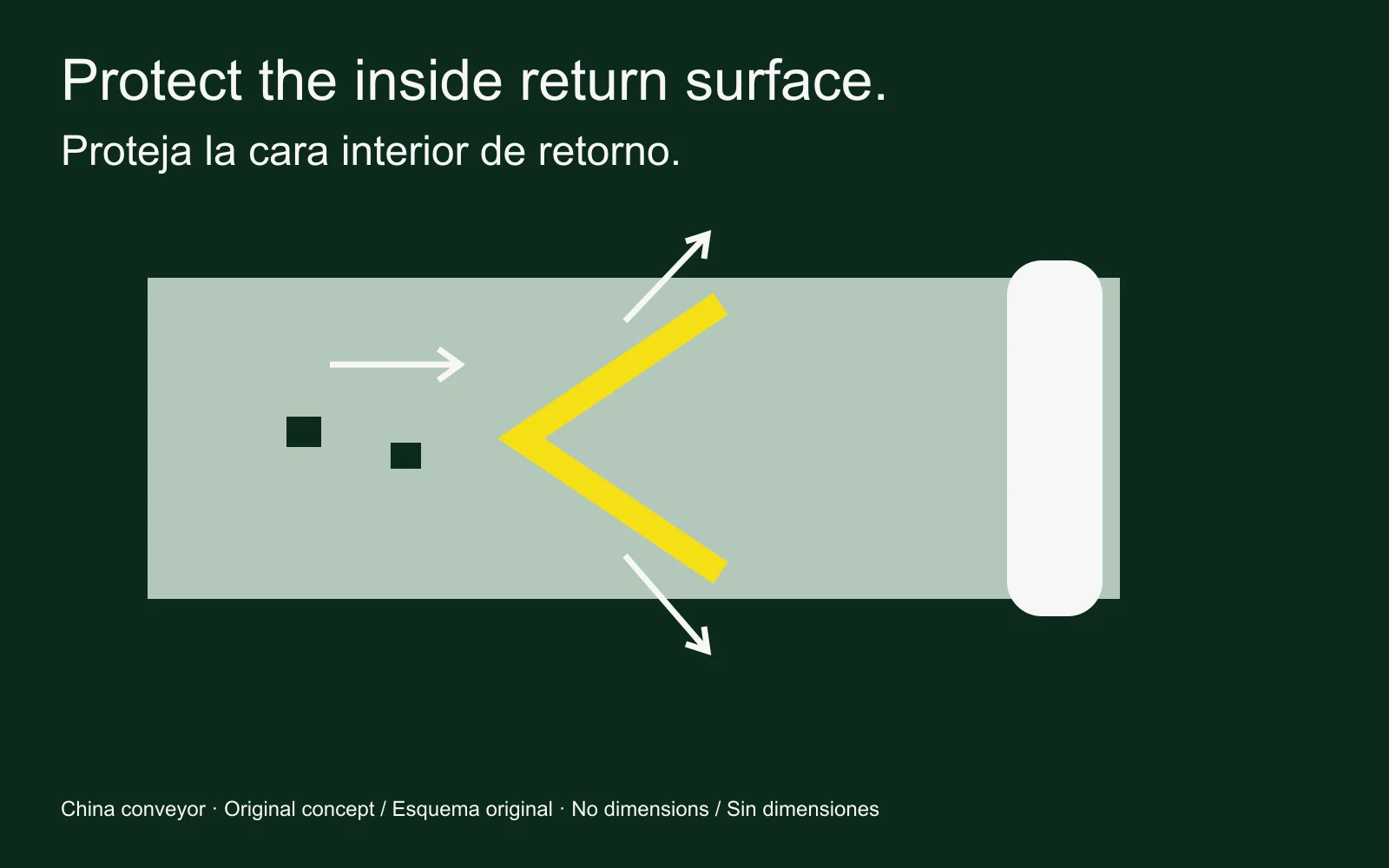
The important dimension of a small product is not always the longest figure on its drawing. A cap, sachet or small snack may approach the transfer on a short supporting face or with its leading edge already lifted. Before requesting a smaller conveyor end, identify the actual orientation at discharge. Record the smallest supporting length in the direction of travel and any permitted variation in shape, packaging or presentation.
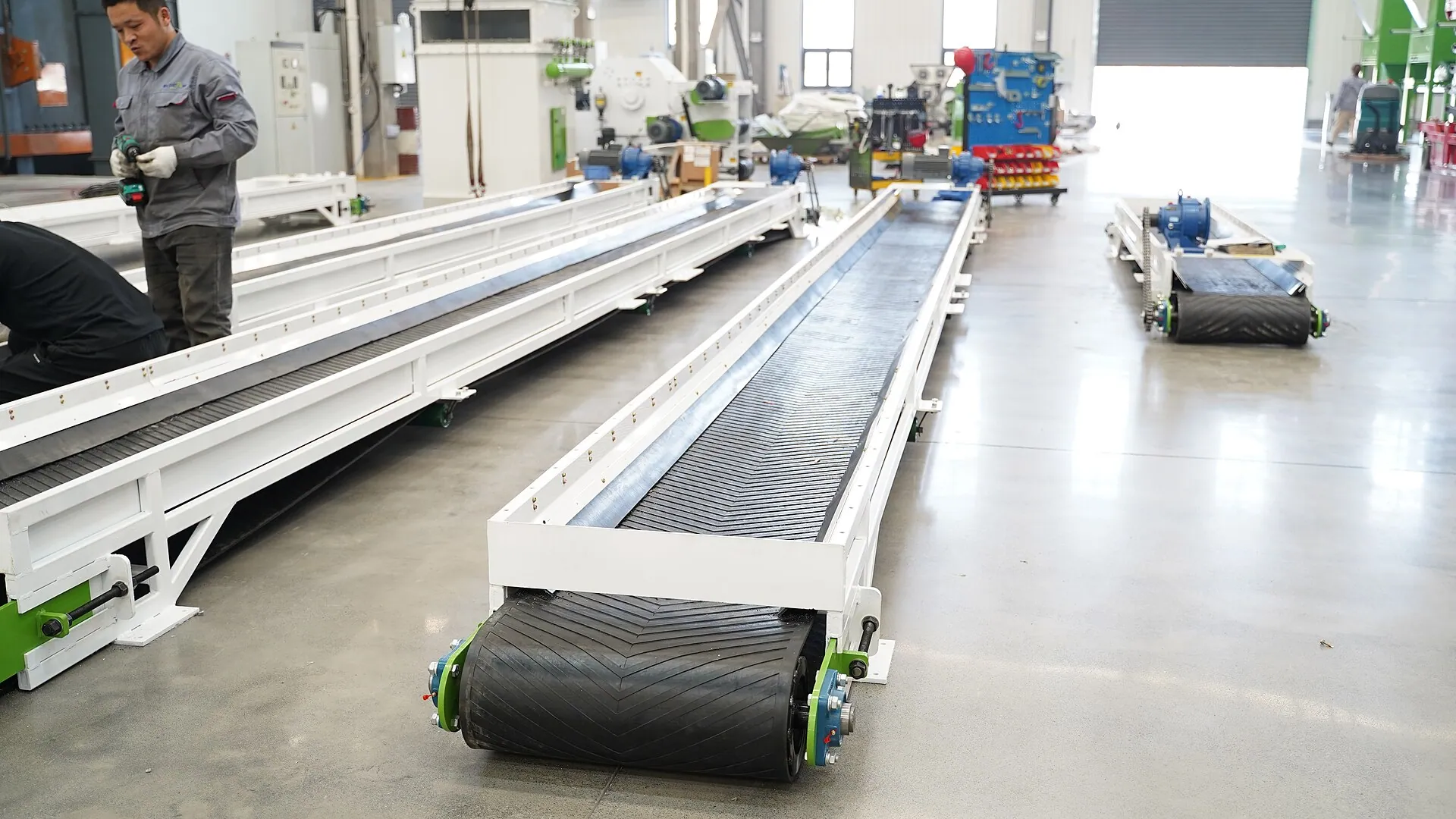
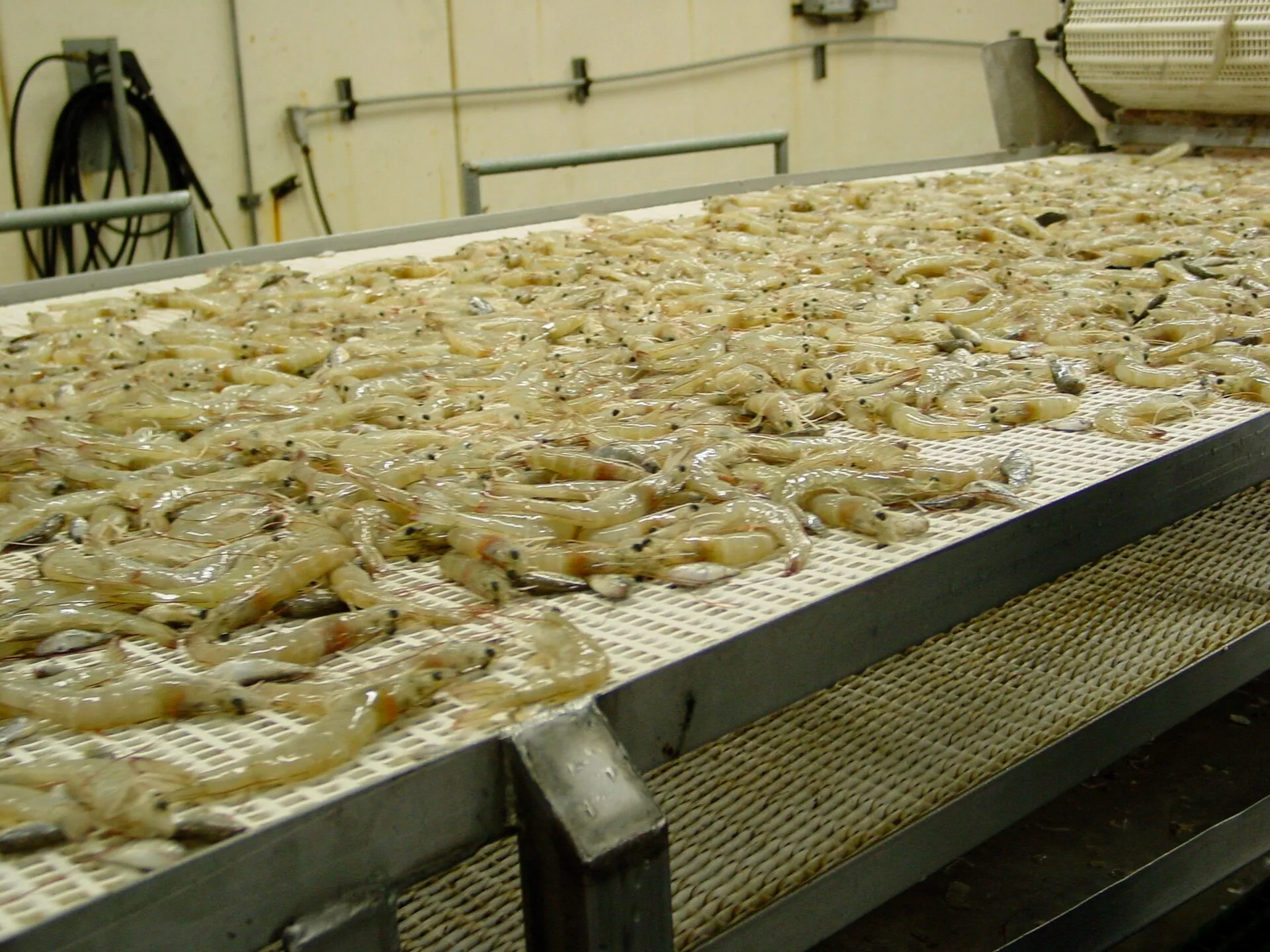
Use representative samples to discuss where support is lost and where the next surface takes over. Ask whether the product must arrive merely upright or also with a defined position for wrapping, inspection or assembly. QC Conveyors describes a nosebar transfer as a way to reduce the space between conveyors. A reduced gap is a design feature; successful handover remains an application result to demonstrate. The workshop and food-line photographs in this article provide general context and do not show a verified nosebar installation or an acceptance test.
Specify the belt and end as one assembly
A quotation for a tiny end roller is incomplete without the belt intended to run around it. Request the belt designation, approved minimum bending arrangement and the end component identified on the conveyor drawing. Ask the supplier to confirm that the proposed belt construction, joint and operating conditions are compatible with that arrangement. Do not substitute a visually similar replacement belt using width and colour alone.
Forbo's knife-edge product example illustrates why a belt may be developed specifically for a narrow transfer. It does not mean that every thin belt can operate on every small end. Include the expected product condition, cleaning method and temperature range in the review. If the application involves food contact, obtain the applicable documentation for the actual supplied belt rather than adopting a declaration from an example product. Request the replacement procedure and part references before purchase, especially where a production team expects to change the belt without replacing the entire conveyor.
Watch the receiving machine, not just the gap
Two closely positioned conveyors can still hand over a product poorly if the receiving surface does not provide the support or motion that the product needs. Ask the integrator to document the relative heights, travel directions and commanded speeds at the interface. Include the neighbouring machine's requirements: a wrapper may need a particular presentation that a simple collection tray would not require. Agree which supplier owns this interface when equipment comes from different companies.
During a controlled trial, observe the whole movement from stable support on the first belt to stable support on the second. Record tipping, rotation, scuffing or a change in product spacing separately. Compare approved sample variations, including the smallest supporting face, instead of judging only the easiest item. Ask how normal stopping and restarting affect the handover. Do not reduce a gap or reposition guards on a running machine to chase a favourable result; dimensional changes belong in the supplier's approved adjustment and verification procedure.
Leave the handover with a repeatable record
Define acceptance in terms of the product state required by the next operation. Record sample identity, orientation, agreed operating settings and the observation method. If a result is unacceptable, identify whether the problem was unsupported travel, an inconsistent arrival position or product damage. These observations give the supplier a clearer design task than a broad request to make the nose smaller. They also help compare a nosebar arrangement with other transfer options proposed for the same application.
Retain the accepted drawing, belt specification, spare references and setup instructions with the machine records. Include access for inspection and the supplier's procedure for isolated maintenance. Ask what must be checked after belt replacement or movement of the adjacent machine. A transfer that worked at commissioning should not depend on someone remembering an undocumented alignment. For buyers, the useful deliverable is a product-specific handover that can be set up again, with an identified owner for the interface and clear evidence of the conditions under which it was accepted.
This guide helps define questions and requirements. Technical decisions require application documentation and review.
Sources
QC Conveyors: nosebar transfer ↗Defines the reduced transfer gap offered by a smaller end arrangement. It provides no universal guarantee for a particular product.
Forbo: knife-edge belt for small items ↗A manufacturer example of a belt designed for knife-edge service. Its material and food-contact claims are specific to that belt.