Start with the belt, not the shaft
Before ordering, identify the modular belt itself. Record the manufacturer and belt series or model, if known, along with any part number marked on the belt, conveyor, drawings or maintenance records. A sprocket that fits the shaft can still be wrong for the belt: its teeth must engage the belt’s drive features correctly. Do not assume that two belts with a similar appearance, width or general description use interchangeable sprockets.
Confirm the belt’s pitch and engagement geometry from the belt manufacturer’s documentation or by asking the supplier to identify it. Pitch is a dimension tied to the belt’s repeated module or hinge pattern; it is not enough to report only overall belt width or thickness. Record the tooth shape and the belt features that the teeth enter. If the belt family or geometry cannot be identified confidently, send clear photographs and dimensions to the belt or conveyor manufacturer before selecting a part.
The available selection guidance identifies belt pitch as a key sprocket-matching requirement. A modular conveyor manual also lists sprocket alignment, positioning and checking correct sprocket engagement as installation topics. These references support treating fit and engagement as essential checks, but they do not provide a universal pitch or tooth profile for every modular belt. [S1] [S2]
Verify engagement and tooth count
Compare the replacement sprocket with the installed part, if it is still available, and with the belt maker’s specification. Check the number of teeth, the spacing between them, the tooth profile and the dimensions that determine how the sprocket sits against the belt. A visual resemblance is not a dimensional match. If the old sprocket is badly worn, measurements from it may be misleading; use an identified part number, an original drawing or confirmation from the manufacturer where possible.
Tooth count is not merely a convenience for matching a part. Changing it can change the sprocket’s effective size and the way the belt moves around the drive. The selection source discusses tooth count as a factor in belt operation, but it does not establish which count is correct for your conveyor. Treat the existing count as a reference, not as permission to substitute another count. If the proposed replacement changes tooth count, belt speed, drive arrangement or operating behavior, get the conveyor designer or qualified service provider to confirm the change.
Ask how the supplier verifies that the proposed sprocket engages the named belt series. When a sample or drawing is available, compare the tooth geometry and relevant dimensions before installation. Do not force a belt onto a sprocket that appears to bind, ride unevenly or fail to seat consistently. A poor fit should be investigated rather than corrected by altering the belt or sprocket without an approved design basis.
Document the shaft and mounting interface
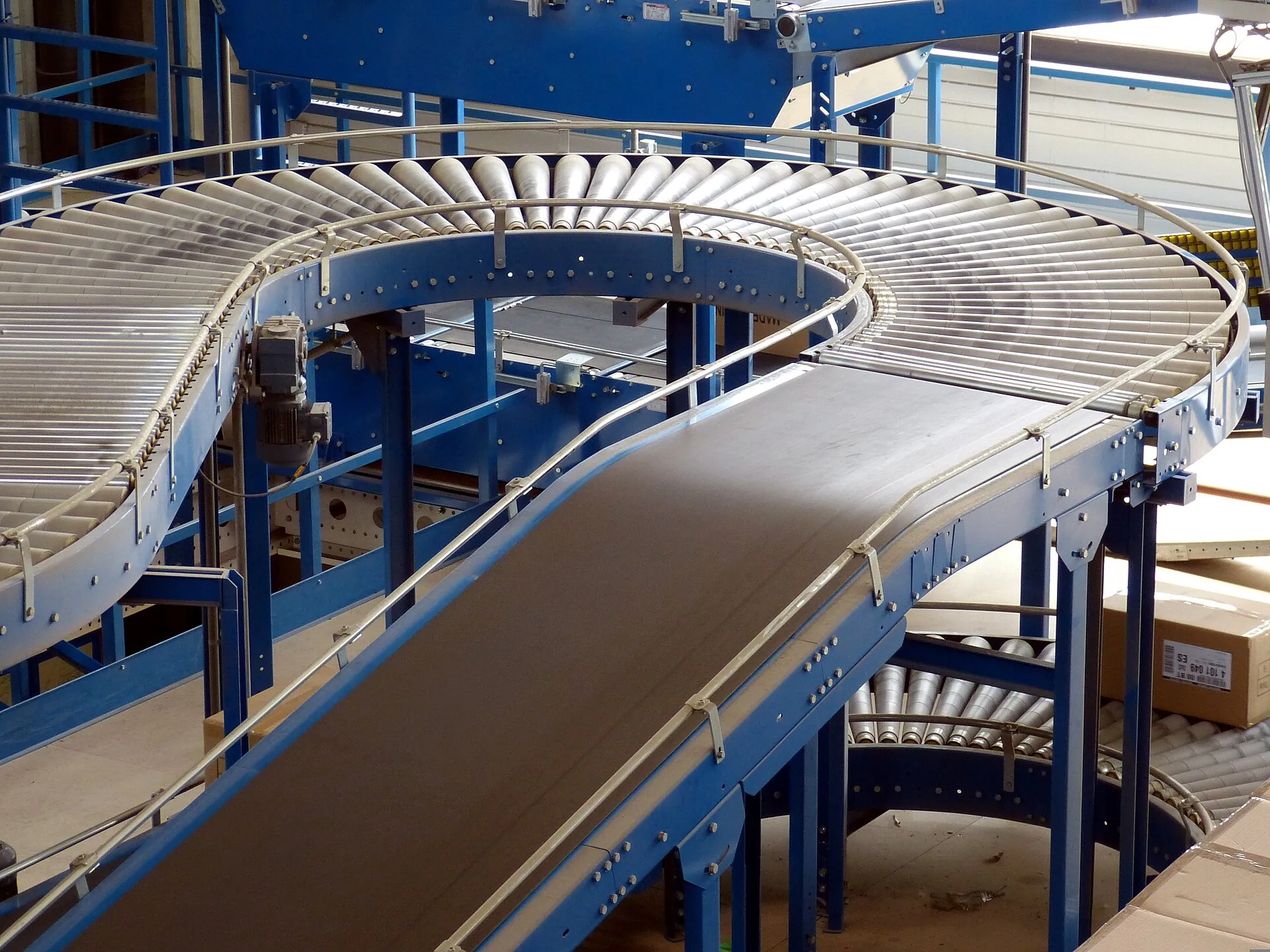
Record the shaft diameter at the sprocket position and how the sprocket is retained. Note whether the existing part uses a keyed bore, another key or drive feature, a set screw, a bushing, a split construction, spacers or other hardware. Photograph both sides of the sprocket and the shaft interface, and include the orientation of any keyway or hub. State the hub position and available clearance so the supplier can assess whether the replacement will fit the assembly, not just the shaft diameter.
Measure the bore and keyway carefully using suitable tools, and identify the units used. If the shaft is worn, tapered, damaged or difficult to access, say so rather than presenting an uncertain measurement as exact. Provide a drawing or a sketch showing the shaft, sprocket location, hub and retaining method when available. Do not assume a catalog bore or mounting style from a photograph alone.
The replacement-parts reference lists bore, hub style and mounting as sprocket specification topics for the sprockets it describes. Its product details concern roller-chain and other sprockets, not proof of modular-belt compatibility. The practical lesson is to document the shaft interface separately and have the supplier confirm that the proposed mounting suits this particular modular conveyor. A shaft-fit match cannot compensate for incorrect belt engagement.
Confirm materials and service conditions
Tell the supplier what the conveyor carries and how it operates, including relevant load, speed, direction, start-stop pattern and operating environment. Report exposure to water, cleaning agents, oils, chemicals, heat or cold when applicable, as well as any hygiene or process requirements. Ask the supplier to confirm that the proposed sprocket material and design are compatible with the belt material and those conditions. Do not select a material solely because it is described as strong, low-friction, corrosion-resistant or suitable for a broad industry.
A material change may affect wear, compatibility, cleaning suitability or operation. The retrieved selection article names several material categories, but its general statements do not establish suitability for a specific conveyor, chemical, temperature range or regulatory requirement. Request the applicable product documentation and written confirmation for the actual duty. If the conveyor manufacturer specifies a part or material, use that specification or obtain approval for an alternative.
Sprocket alignment and engagement matter after selection as well as during ordering. The modular conveyor manual’s contents identify alignment, positioning and engagement checks, but the excerpt does not provide enough detail to prescribe dimensions or adjustment procedures for every machine. Follow the instructions for the specific conveyor and sprocket assembly; do not infer a universal spacing or alignment tolerance.
Build a useful replacement-parts request
A clear RFQ helps the supplier distinguish a true replacement from a superficially similar part. Include the conveyor make and model or serial number if available; belt manufacturer and series; belt pitch and relevant tooth-engagement details; existing sprocket tooth count and part number; shaft diameter; bore, keyway and retention method; hub arrangement; and photographs from multiple angles. Attach belt and sprocket drawings, or a dimensioned sketch, where available. Label measurements and units, and identify any information that is estimated rather than verified.
Describe the operating conditions and explain whether the request is for a like-for-like replacement or a proposed redesign. Ask the supplier to state the belt series the sprocket is intended to fit, confirm tooth count and engagement, and confirm the bore and mounting configuration against the supplied shaft details. Request a drawing or dimensioned confirmation before purchase if the part is custom or the existing identity is uncertain. Keep the supplier’s written confirmation with the equipment records.
Where practical, verify the replacement against a sample belt or the manufacturer’s drawing before fitting it to the conveyor. A sample check can help expose a geometry mismatch, but it does not replace confirmation of the complete assembly, operating duty or installation requirements. If no sample is available, resolve uncertainty with the manufacturer or a qualified conveyor professional instead of relying on appearance alone.
Fit and commission safely
Before inspection, removal or replacement, follow the conveyor’s instructions and the site’s hazardous-energy control procedures. Isolate and secure the equipment against unexpected movement; never bypass guards or work around moving sprockets. Use qualified personnel where required by the equipment instructions or site rules.
After installation, check alignment, sprocket position and belt engagement according to the machine-specific procedure. Observe operation only with guards and safety devices in place and from a safe position. Stop and investigate if the belt rides unevenly, binds, jumps, makes unusual noise or fails to engage as expected. These signs do not identify a single cause by themselves, so check the belt, sprocket, alignment and assembly against the manufacturer’s instructions rather than assuming the new part is correct.
The central ordering rule is simple: verify both interfaces. Match the sprocket to the exact modular belt engagement geometry, then match its bore and mounting arrangement to the shaft. Confirm tooth count, materials and duty with the supplier, and document the evidence before buying. A complete part identification and a careful fit check are more reliable than ordering by appearance or shaft size alone.
This guide helps define questions and requirements. Technical decisions require application documentation and review.
Sources
MODULAR BELT CONVEYOR ↗Robotunits modular belt conveyor operating and assembly instructions. The retrieved excerpt lists sprocket alignment, positioning and engagement checks; it does not provide universal dimensions or specifications for other conveyor models.
Plastic Modular Belt Sprockets: How to Choose the Right Sprocket ↗A supplier selection article that identifies belt pitch and tooth count as modular sprocket selection considerations. It is general guidance, not a verified specification for a particular belt series or operating application.
Replacement conveyor sprockets | Fluent Conveyors ↗A replacement-sprocket page describing bore, hub and mounting details for its roller-chain and other sprockets. It does not establish compatibility with modular conveyor belts; used here only to frame shaft-interface questions.