Specify the Loaded Conveyor When You Compare Noise ↗
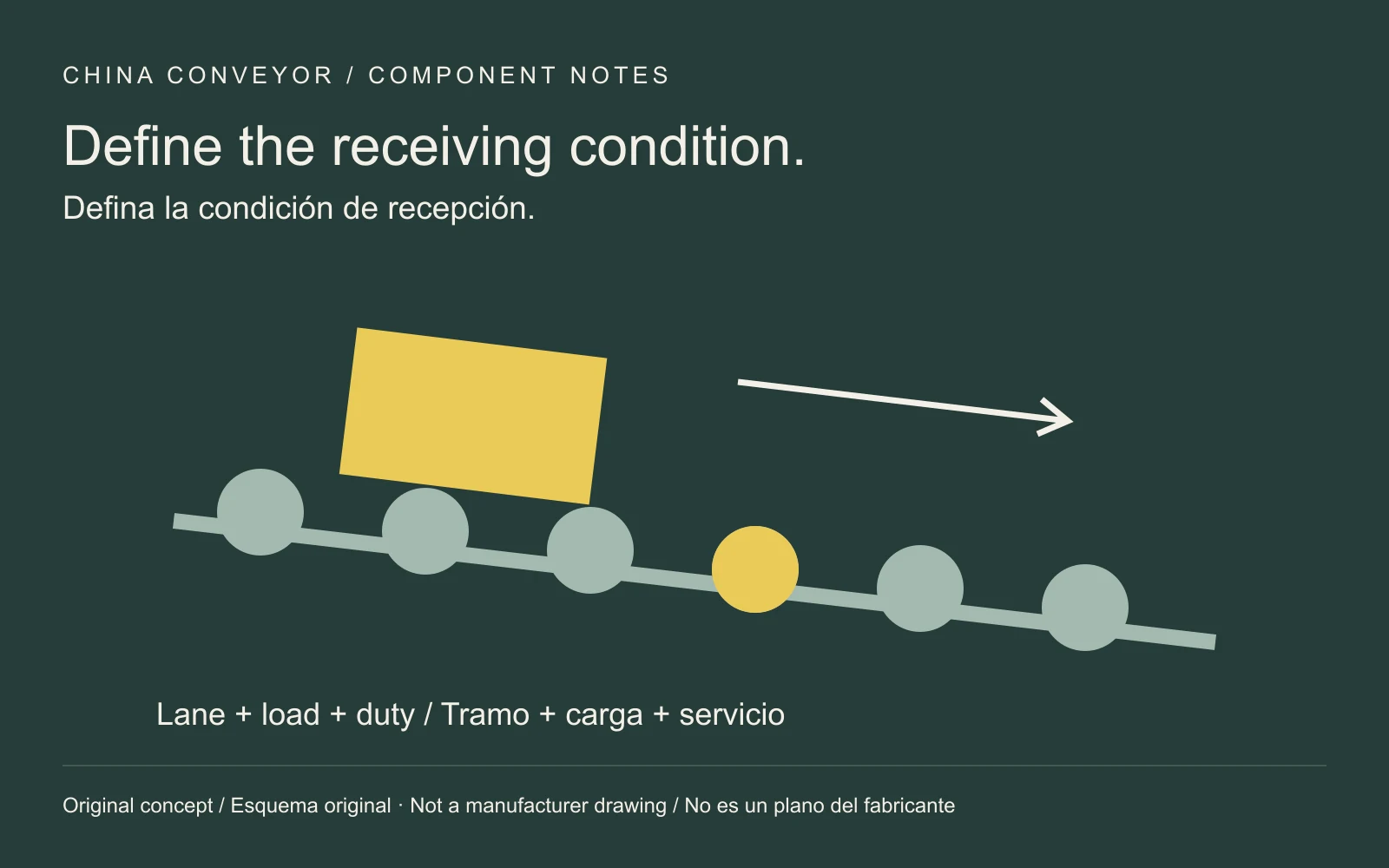
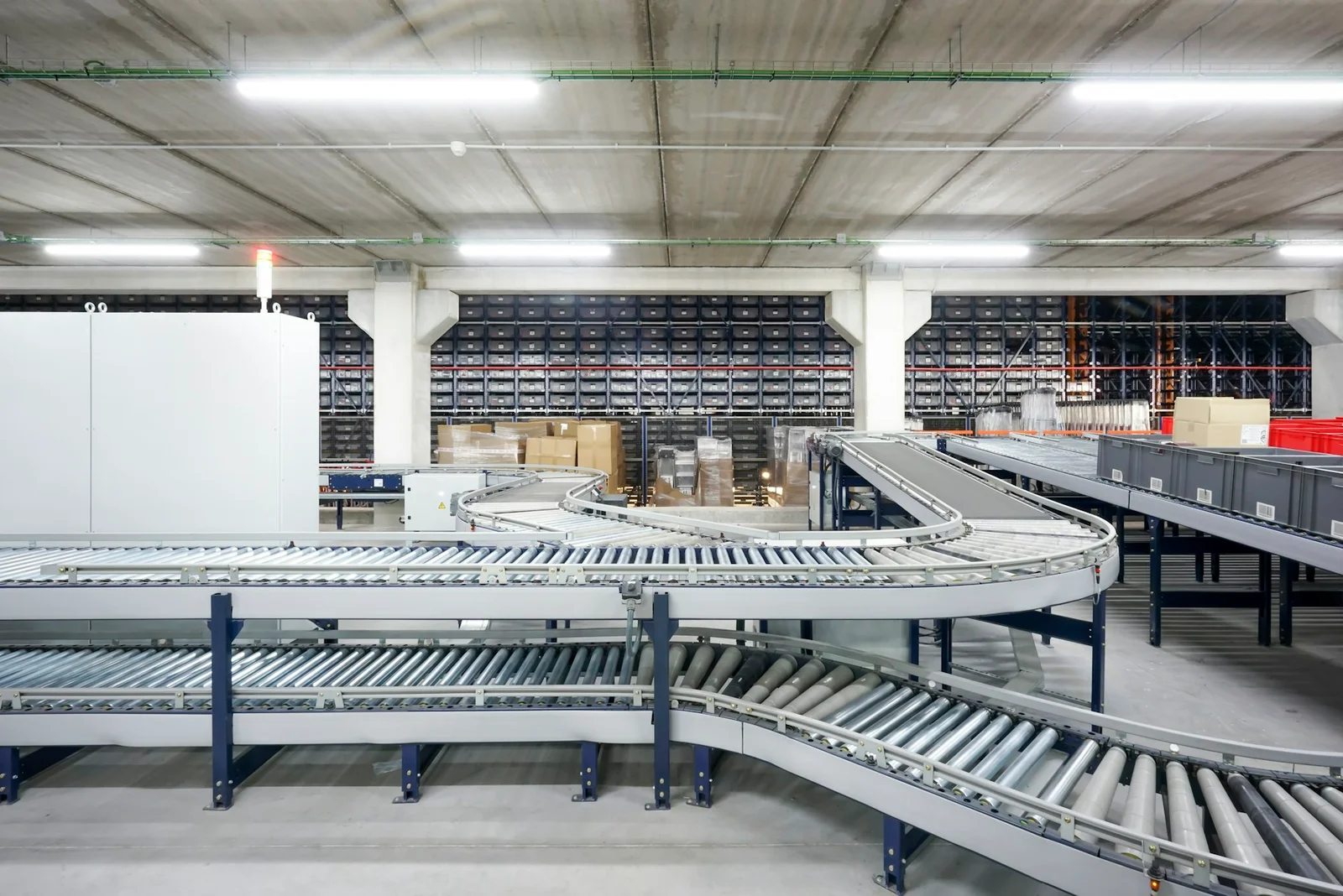
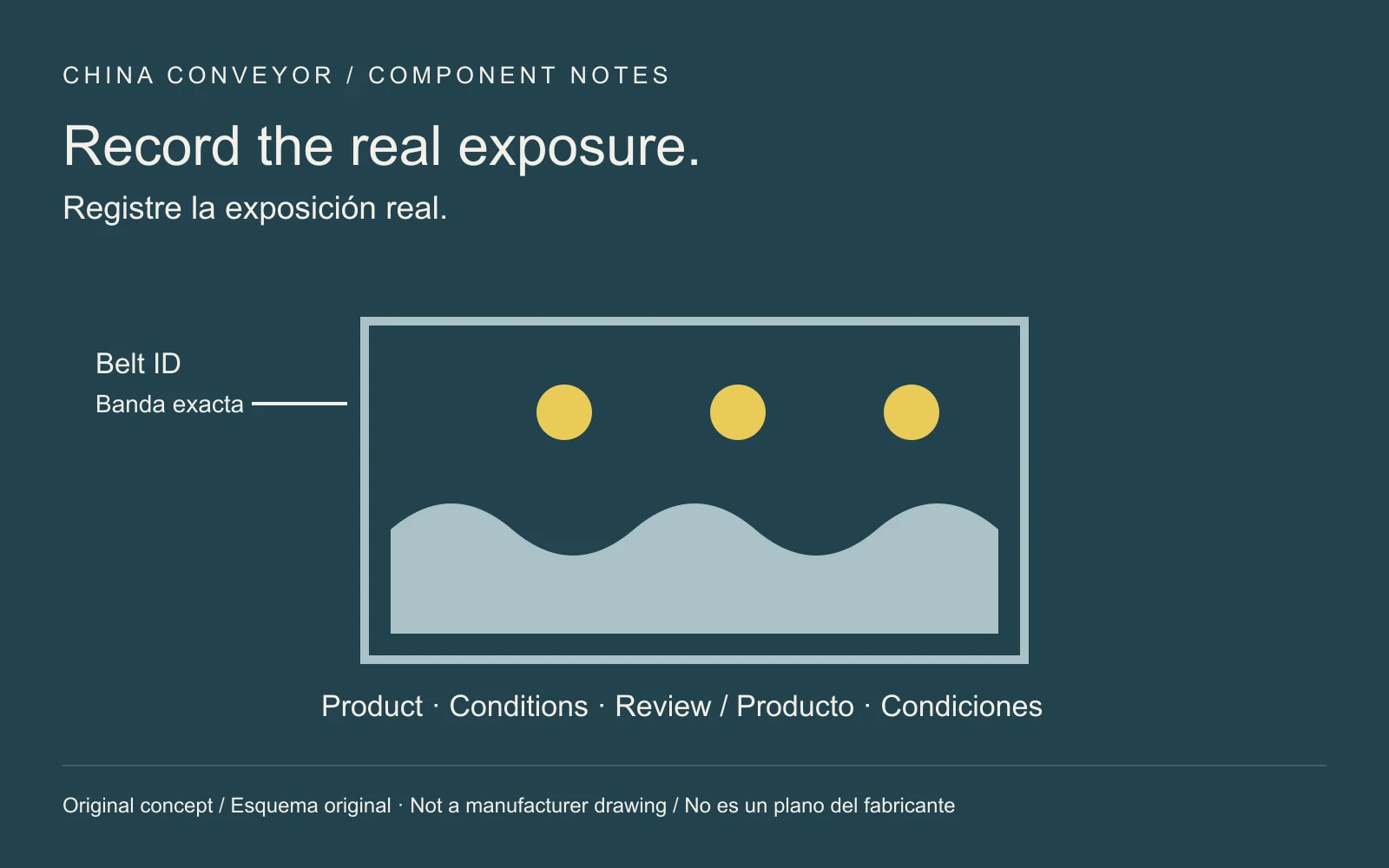
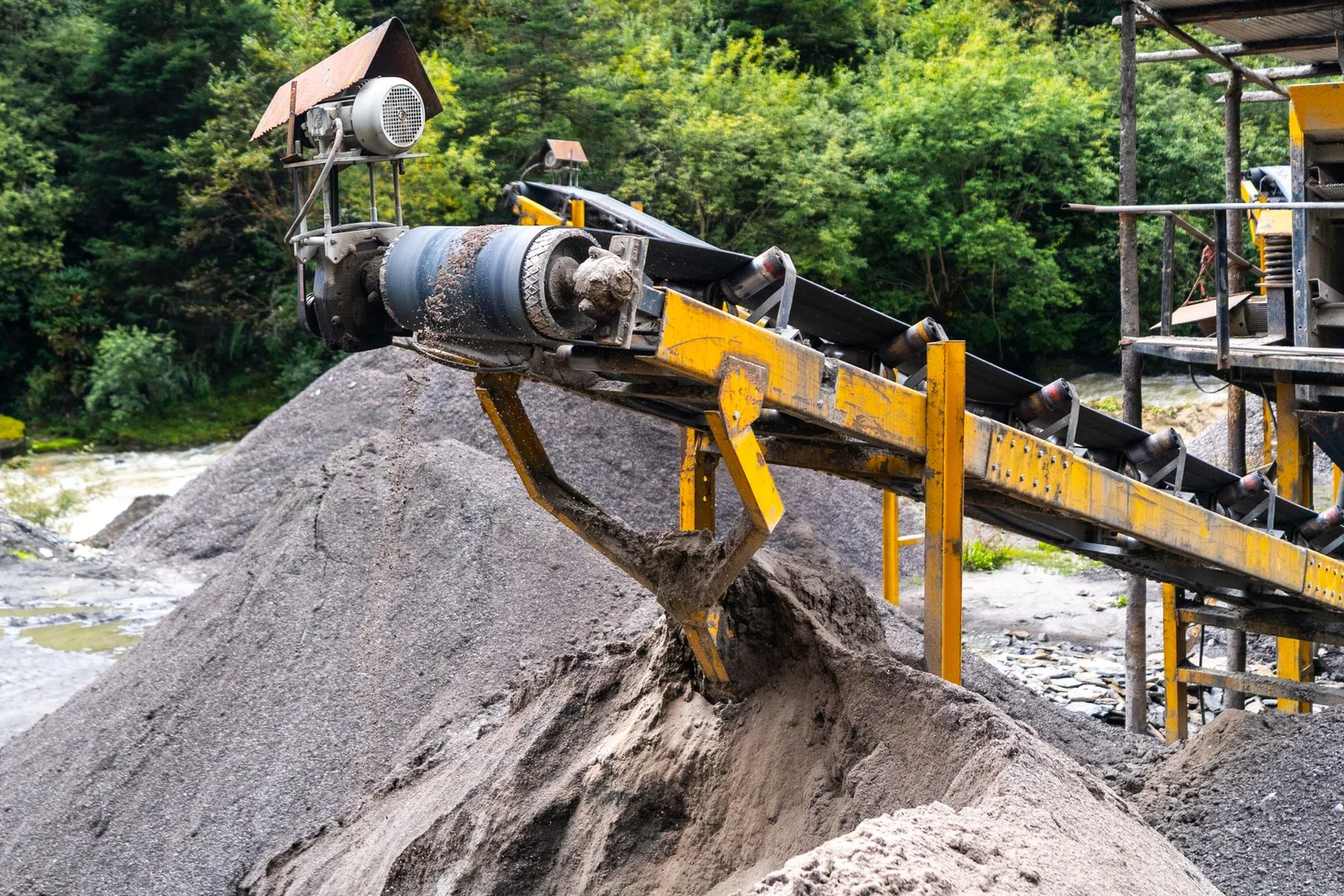
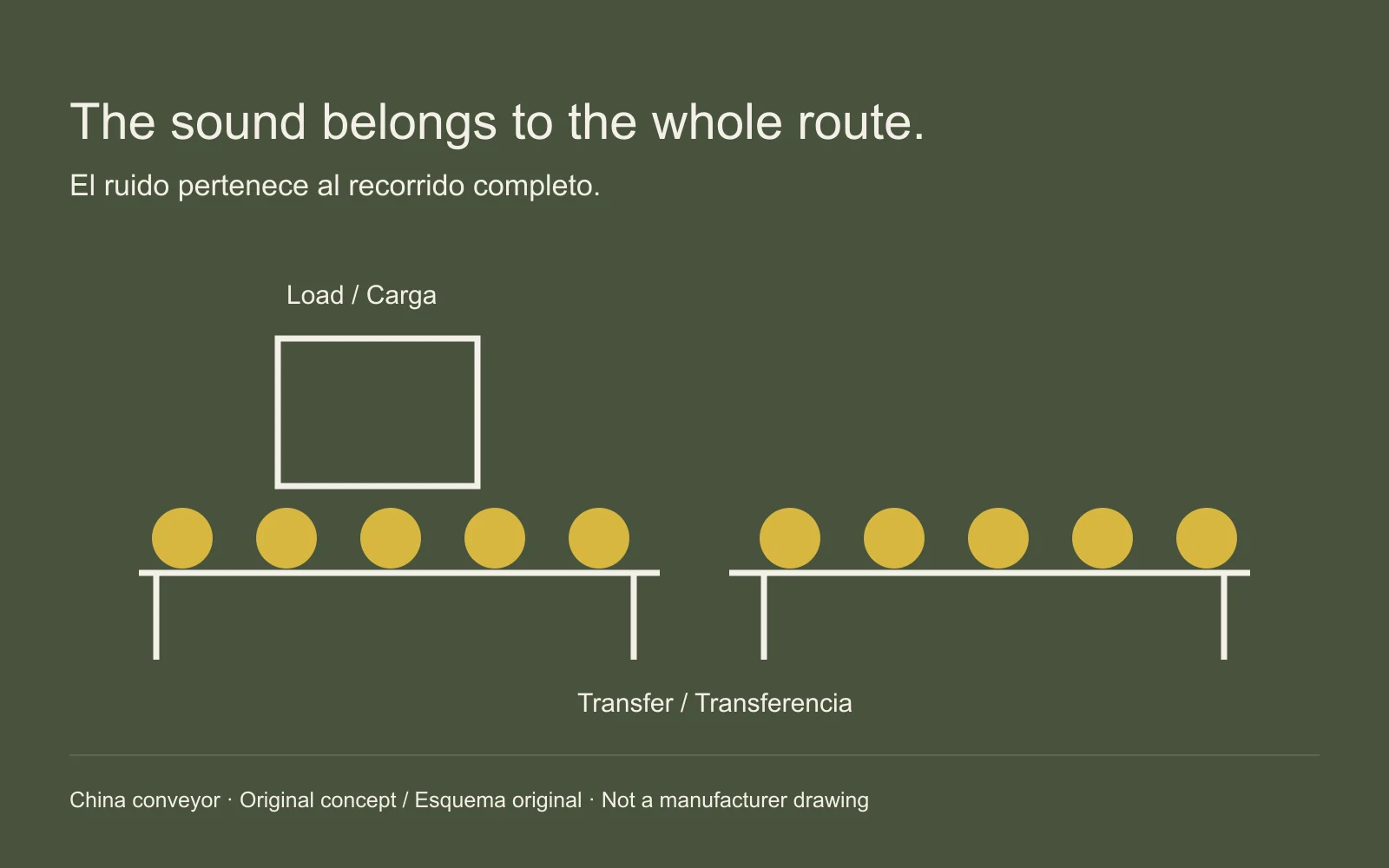
A quiet roller does not describe every sound on a working line. Include the conveyed product, transfer points and agreed observation conditions in a conveyor-noise enquiry.
A closer look at conveyor technology, its application and the evidence behind it.
53 articles in this collection
A quiet roller does not describe every sound on a working line. Include the conveyed product, transfer points and agreed observation conditions in a conveyor-noise enquiry.
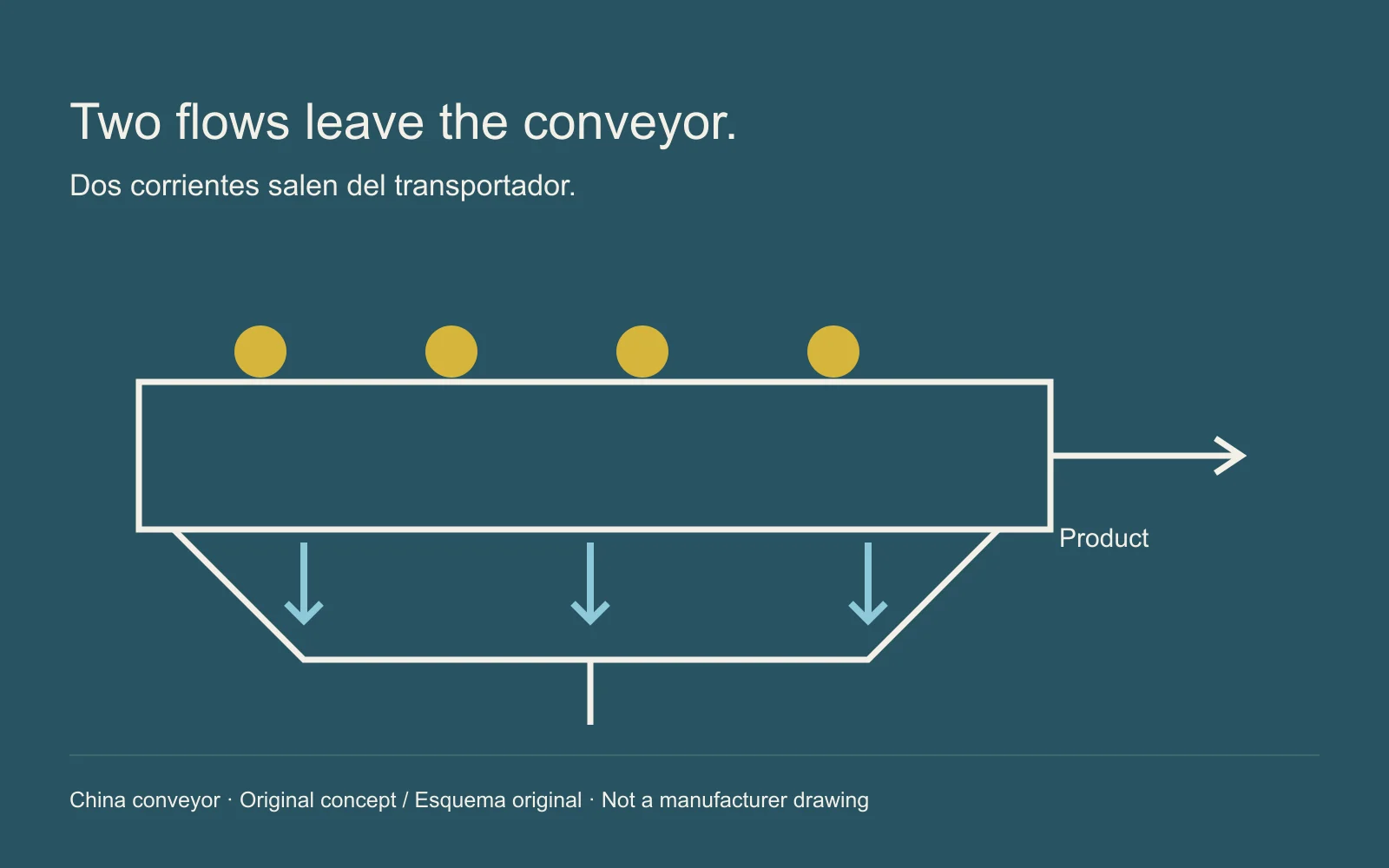
Food-processing equipment can separate water while conveying the product. Define both outlet routes and the receiving process when requesting a dewatering conveyor.
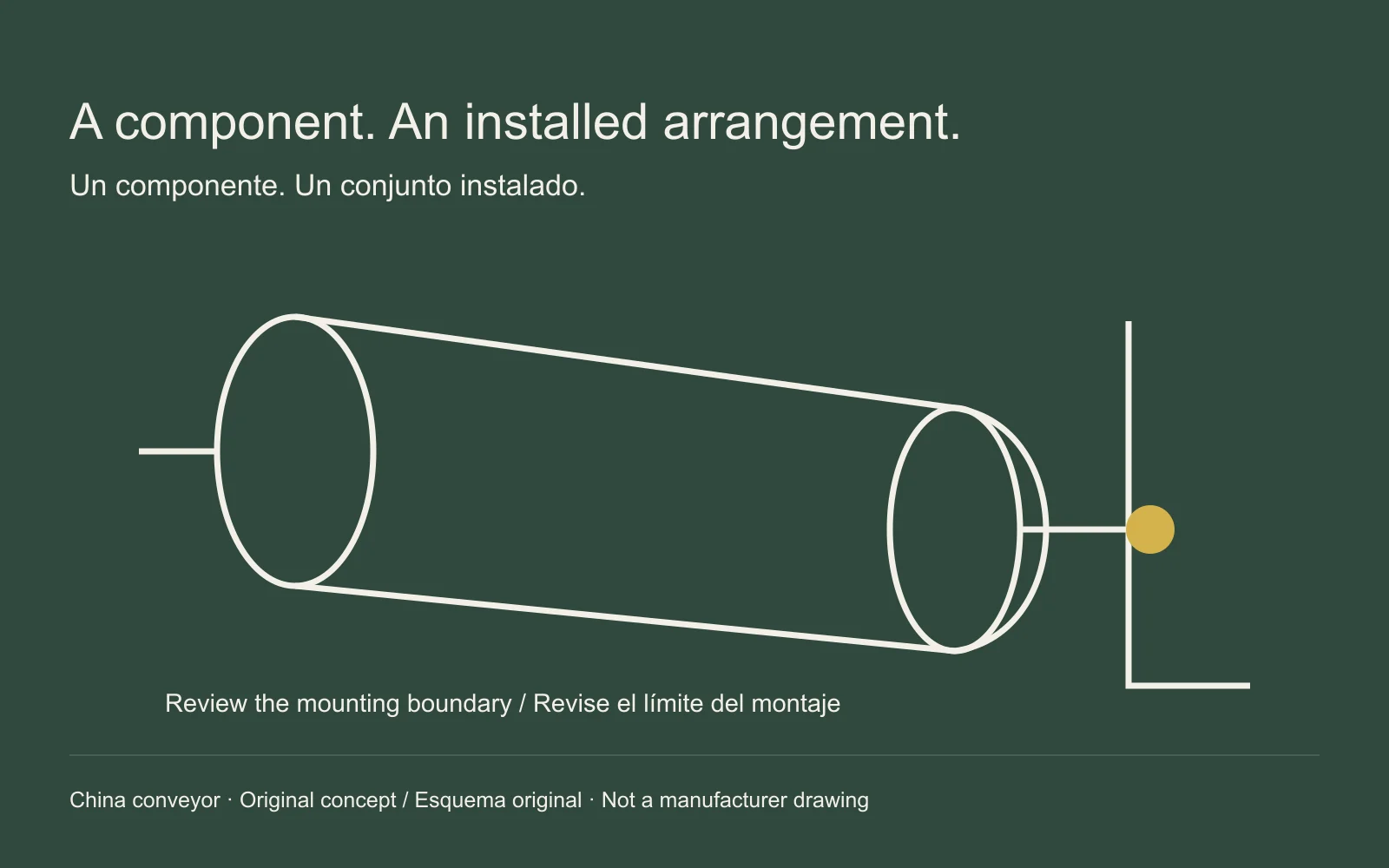
Interroll's planning documents connect roller antistatic features with shaft, frame and system responsibilities. Preserve that boundary when specifying replacement rollers.
Habasit's ENB-16ERCO-C1 and EMM-20ERCH-W2 documents describe different forming-belt constructions. Keep cover material, adhesive exposure and the exact reference together.
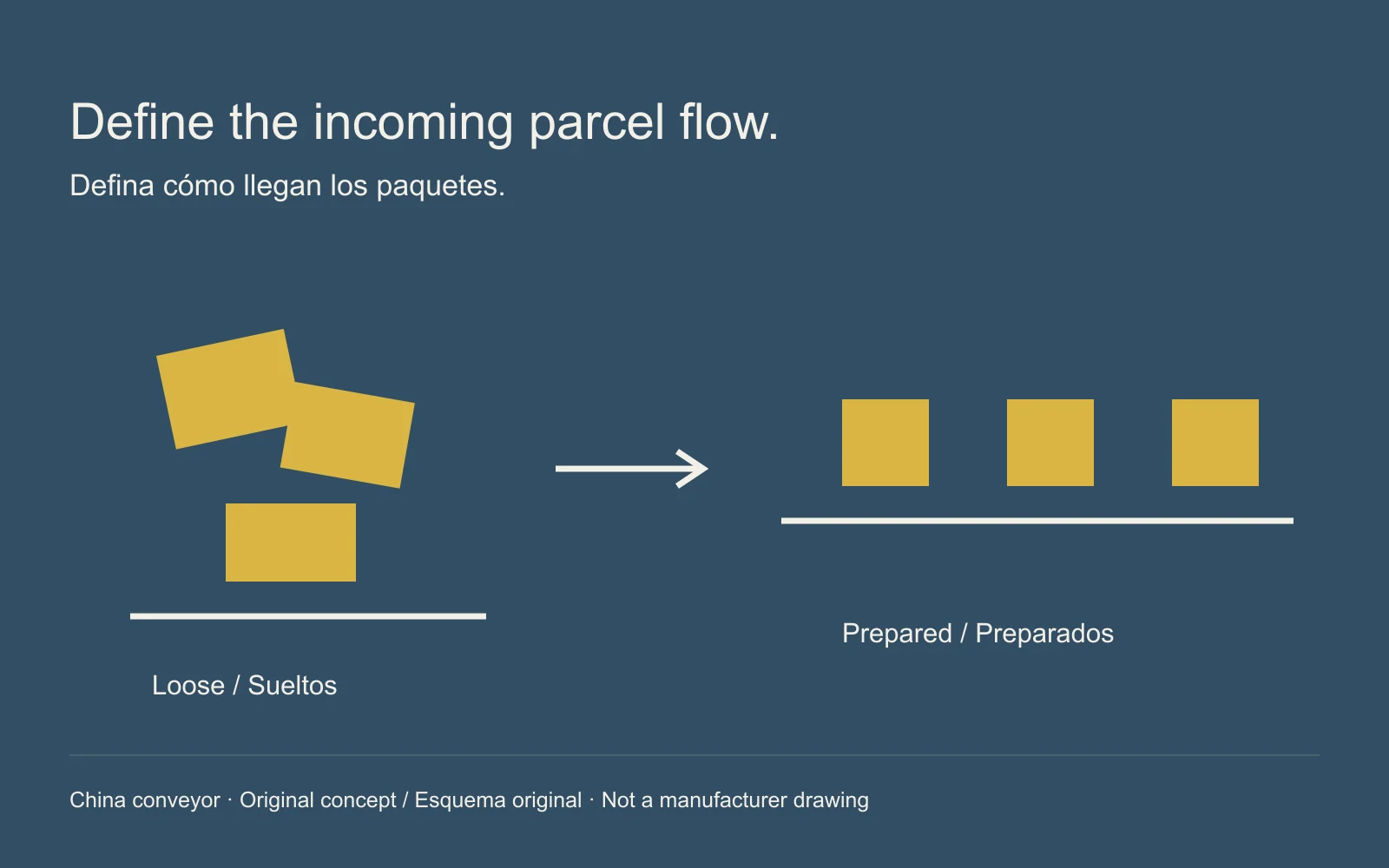
Caljan's loader and unloader describe different parcel-flow conditions. Define the incoming presentation and the next conveyor before comparing dock automation throughput.
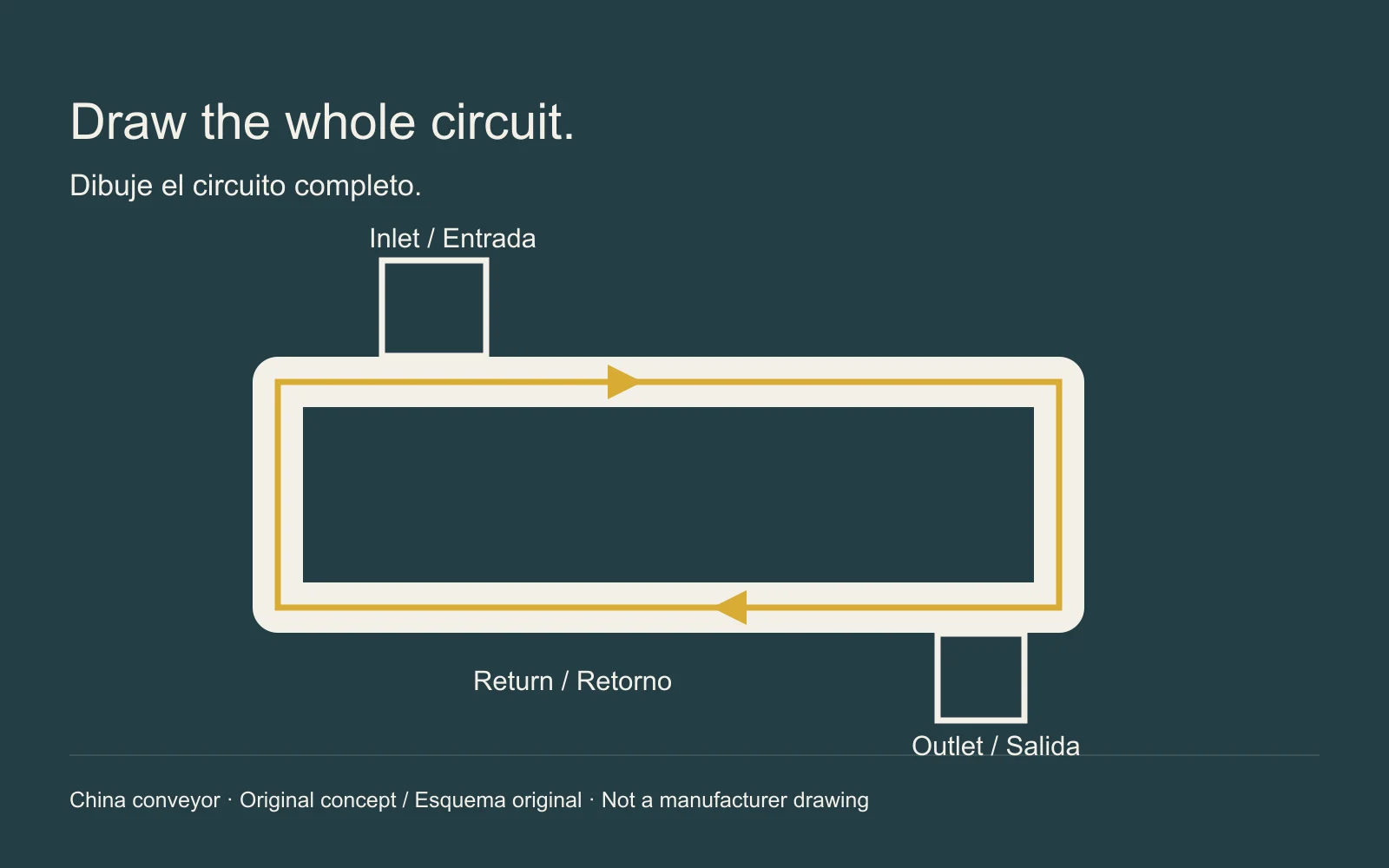
An inlet-to-outlet line is only part of a tubular drag conveyor circuit. Include the return route, corners and service scope when comparing enclosed conveying offers.
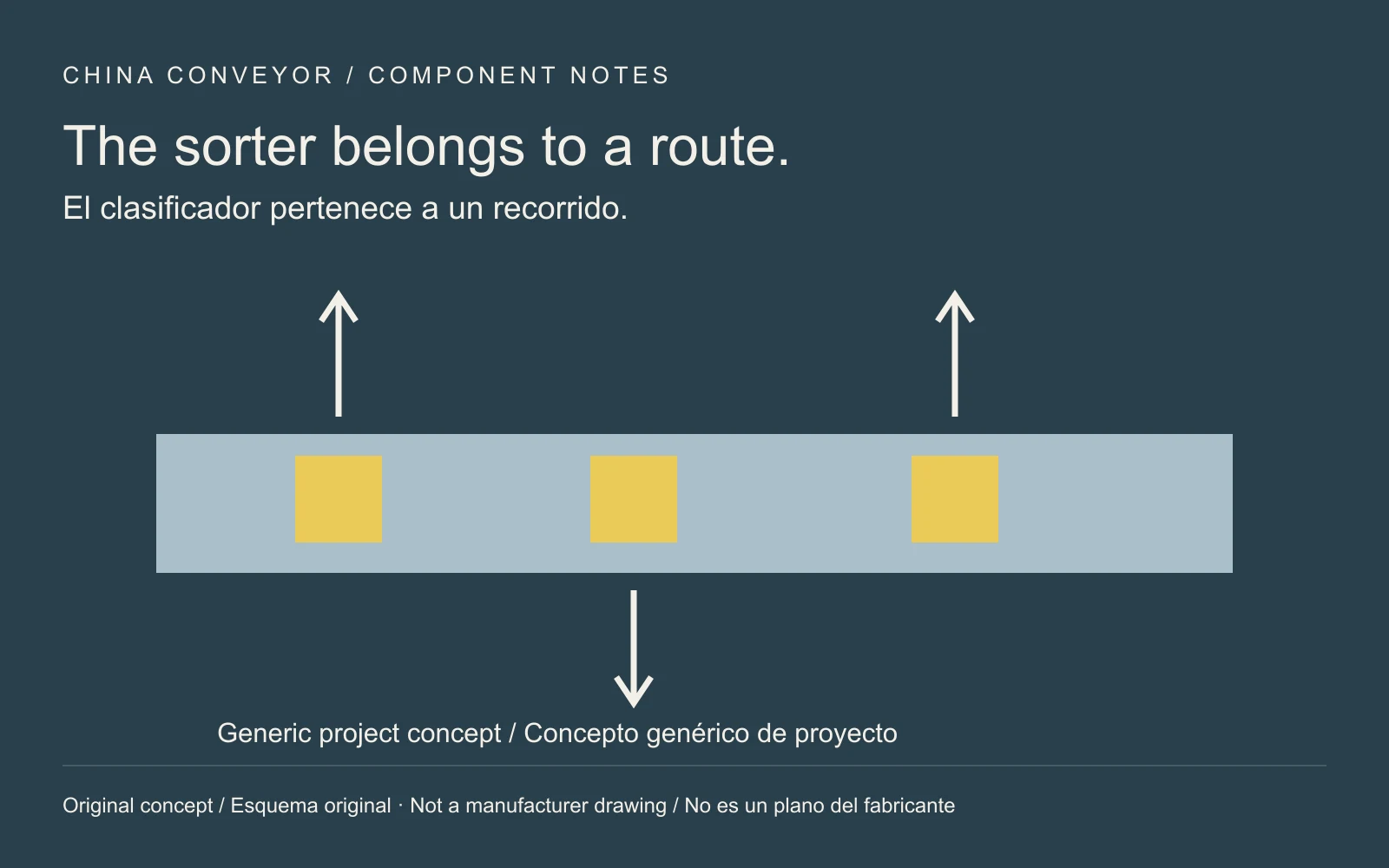
Check-in, screening, sorting and reclaim put different jobs inside an airport conveyor system. A spare-belt request should identify its position before comparing products.
Habasit's detectable-material portfolio puts belt fragments into the inspection discussion. The material, fragment and installed inspection system need one shared record.
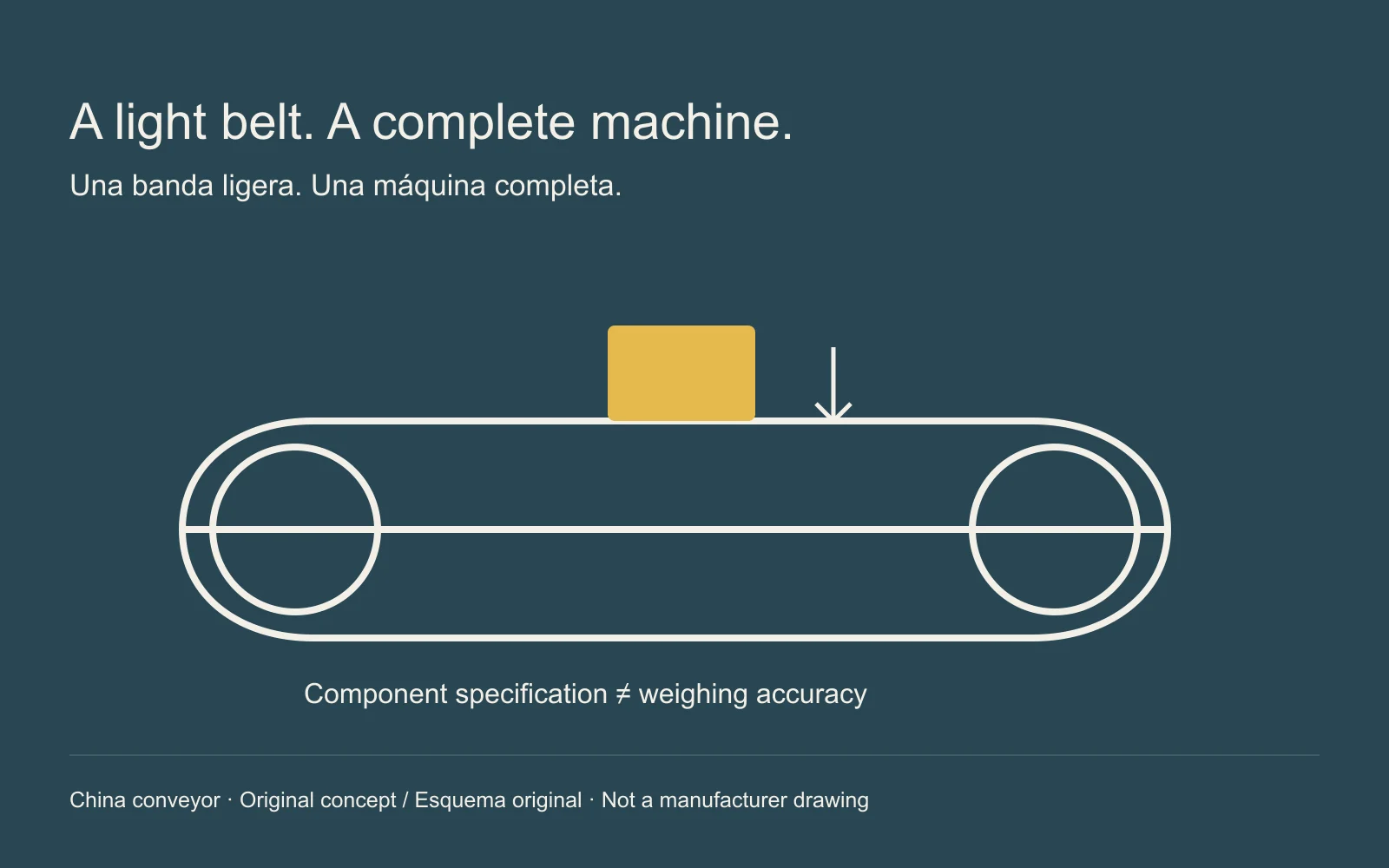
Habasit's FNI-3EIW pairs a light fabric construction with weighing and packaging applications. Replacement decisions still need the machine, joint and compliance record.
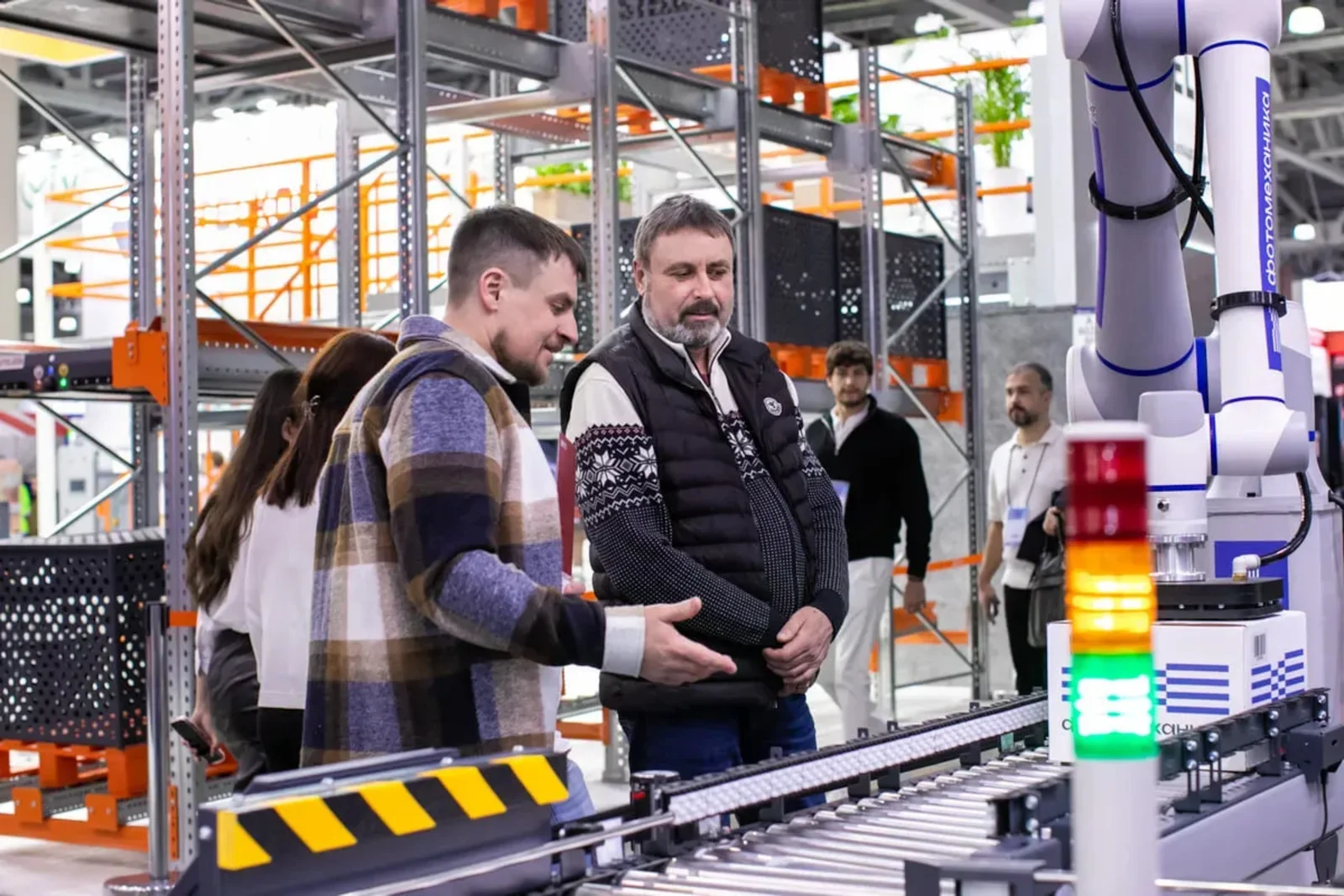
State whether the product stops for a robot or is handled while moving. Connect the conveyor, product reference and robot interface in one operating description.
Interroll's May 2026 MC-S discussion focuses on compact regional sortation. Read the published product envelope alongside the complete induction and destination plan.
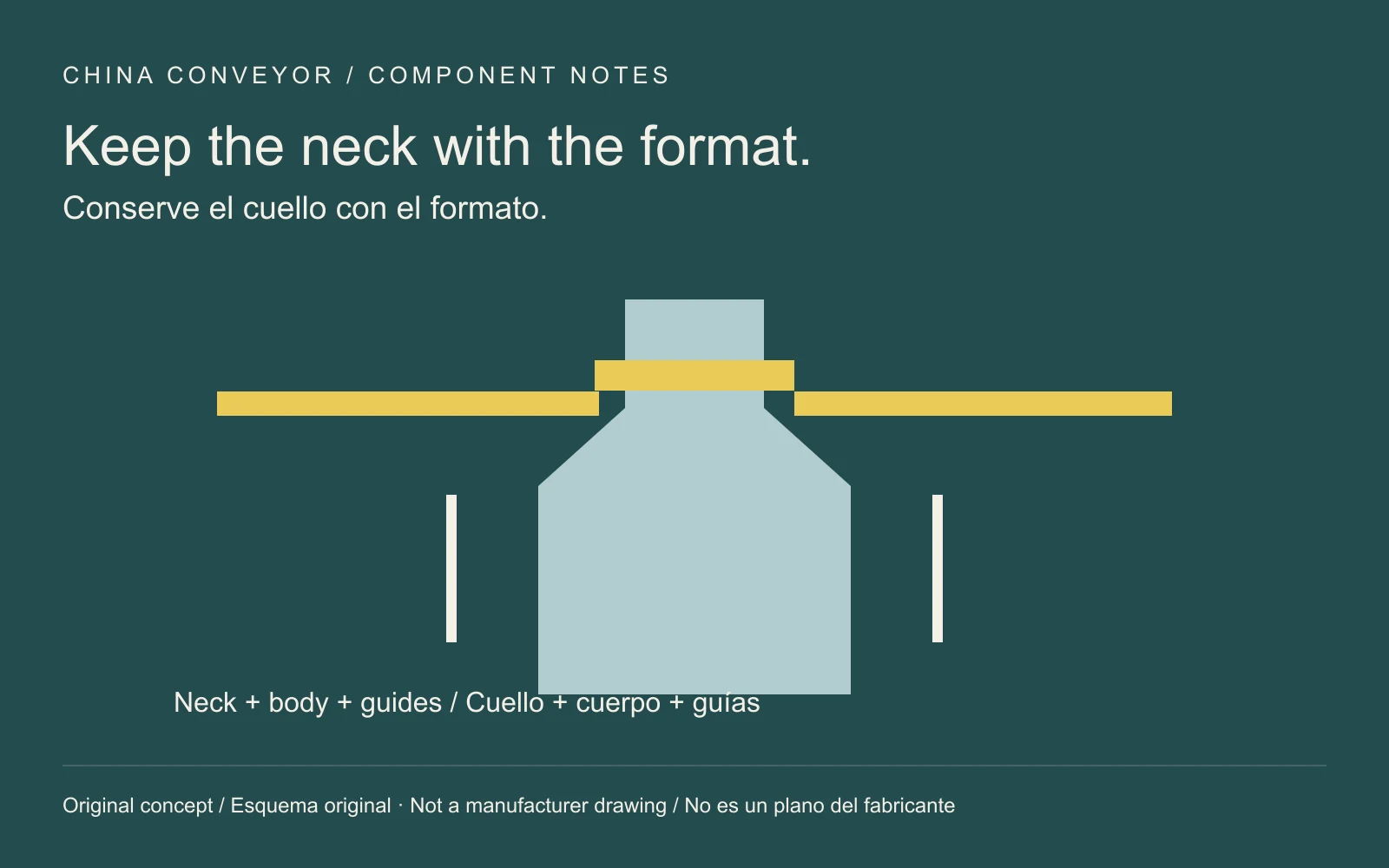
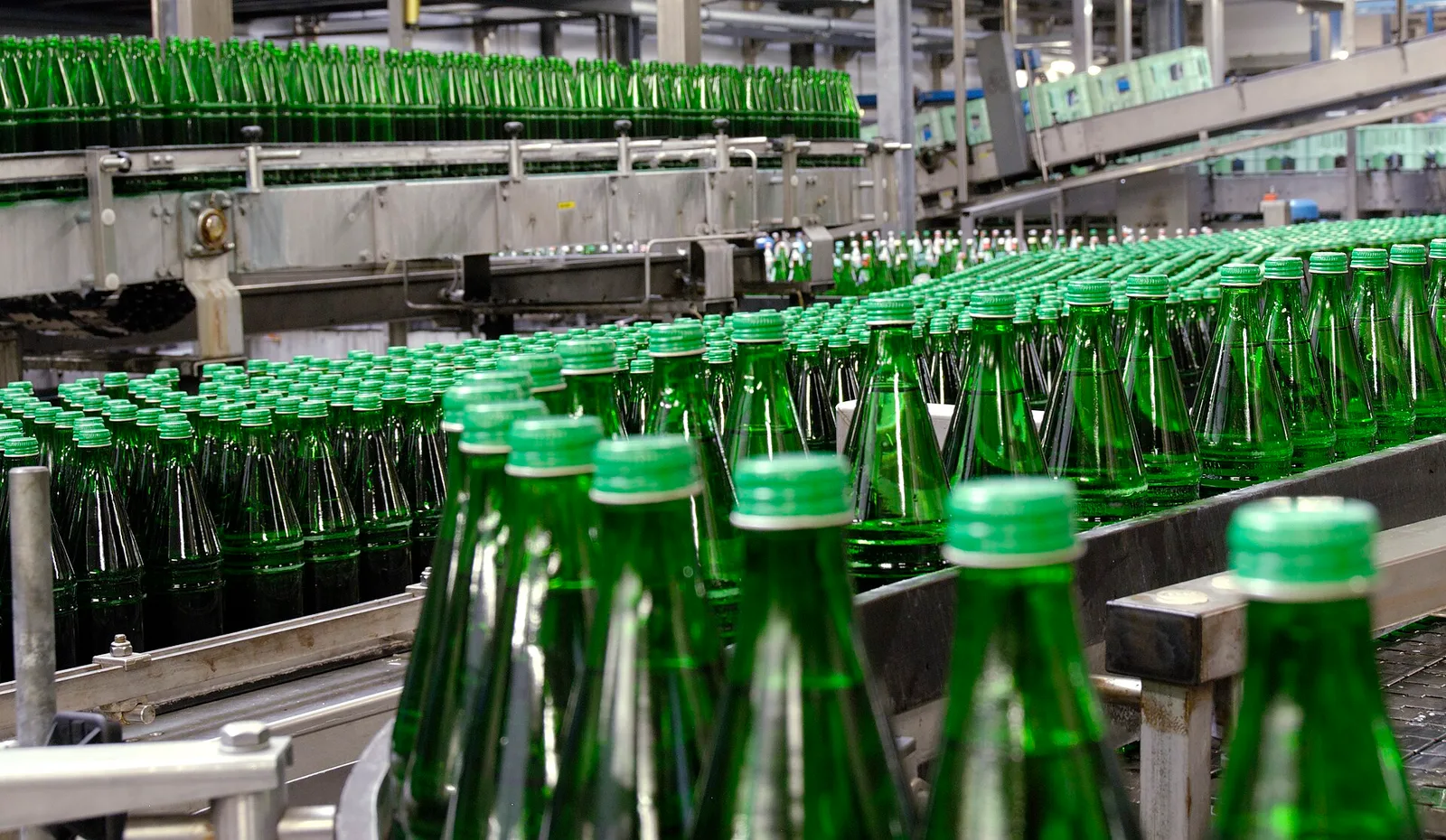
For empty PET bottle air conveying, preserve neck and guide information with each format. A bottle volume alone does not identify the handling arrangement.
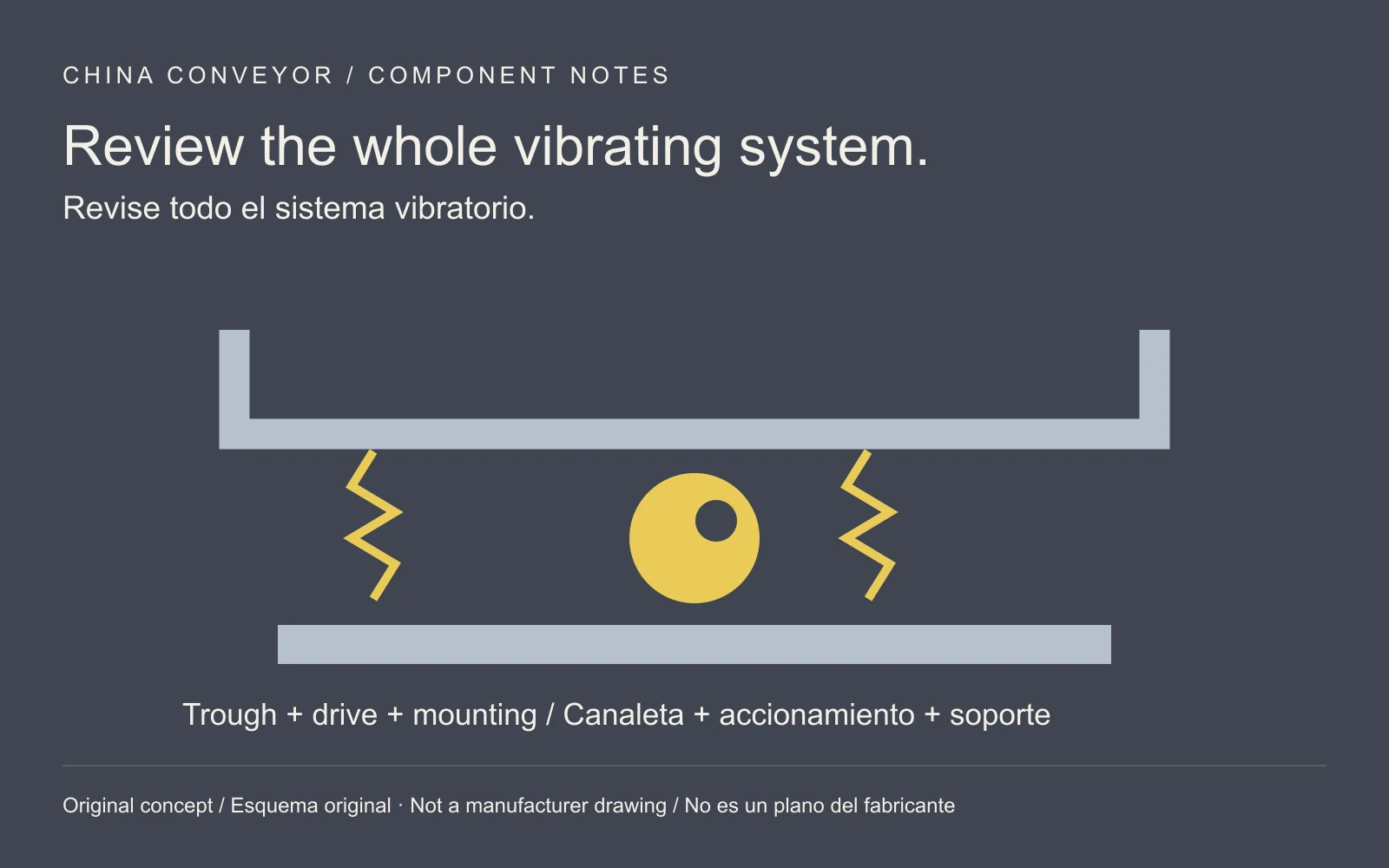
For a vibratory conveyor, connect the trough to its drive, mounting arrangement and material duty. Dimensions alone leave the operating proposal incomplete.
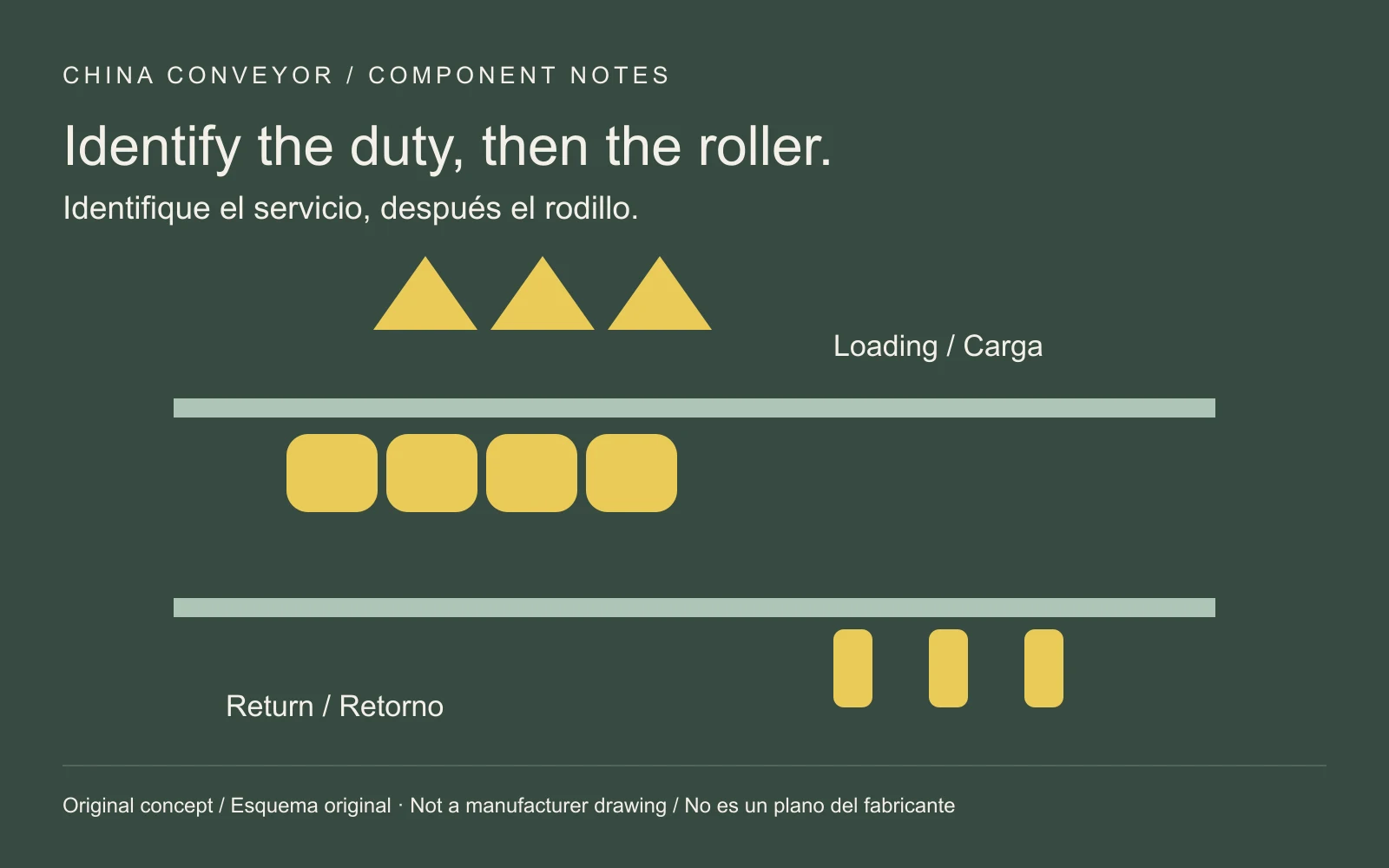
An impact roller and a disc return roller can both have rubber rings. Identify the conveyor position and intended function before ordering by appearance.
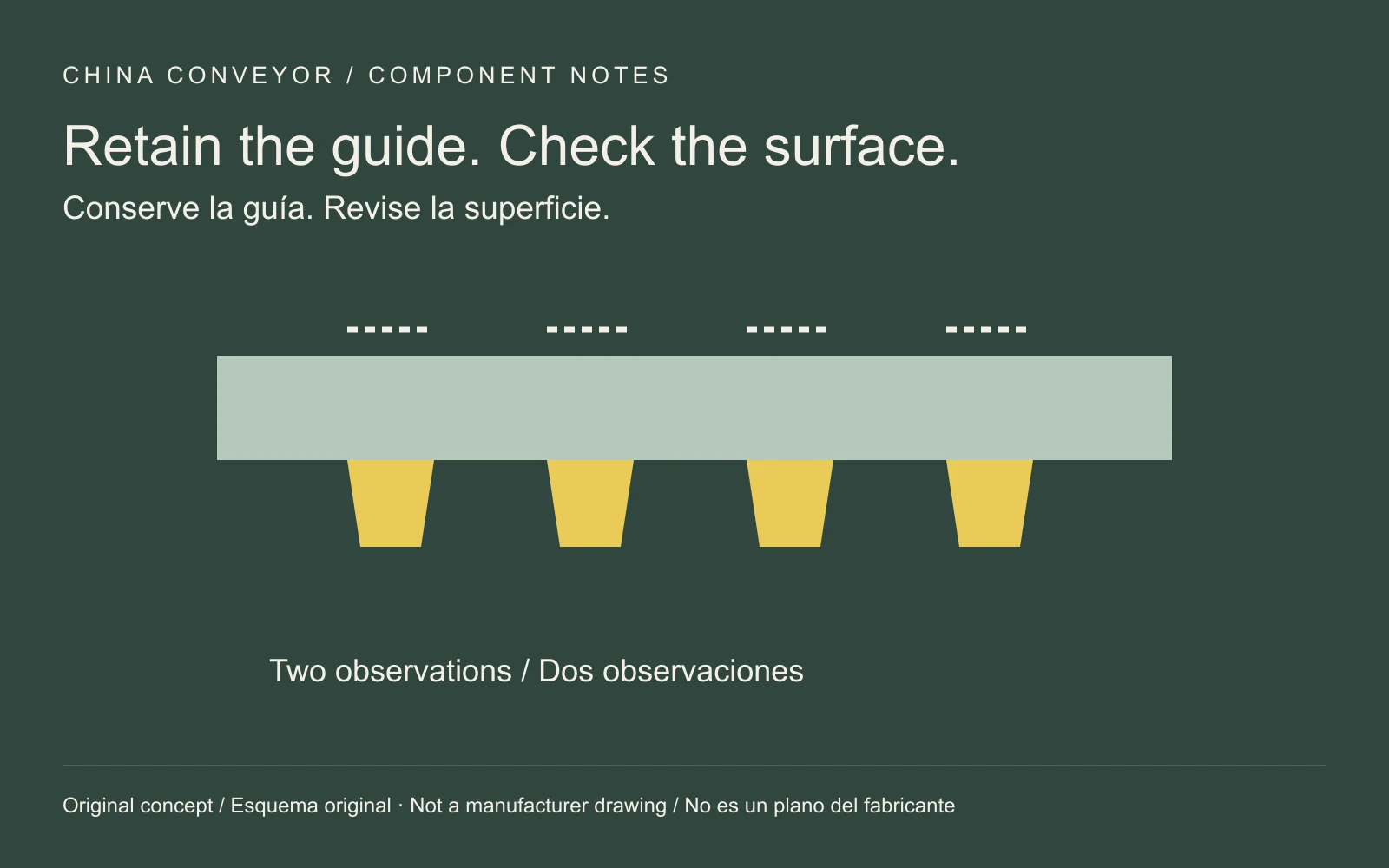
A Sparks Belting bakery case shows why retaining a tracking guide and preserving the carrying surface need to be evaluated together during a replacement trial.
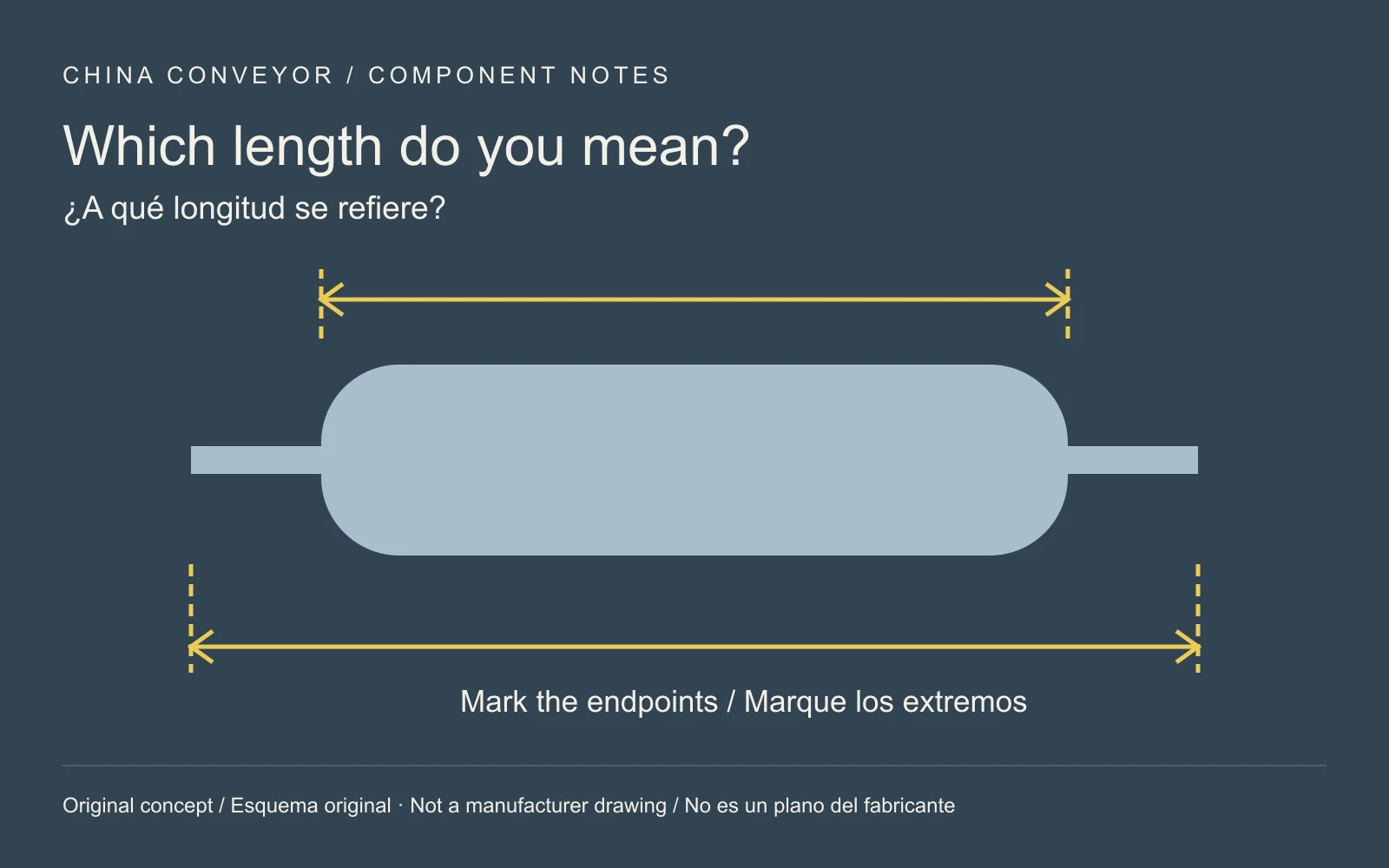
Tube length, installation length and overall shaft length are different drawing references. Identify the shaft ends and dimension convention before ordering a roller.
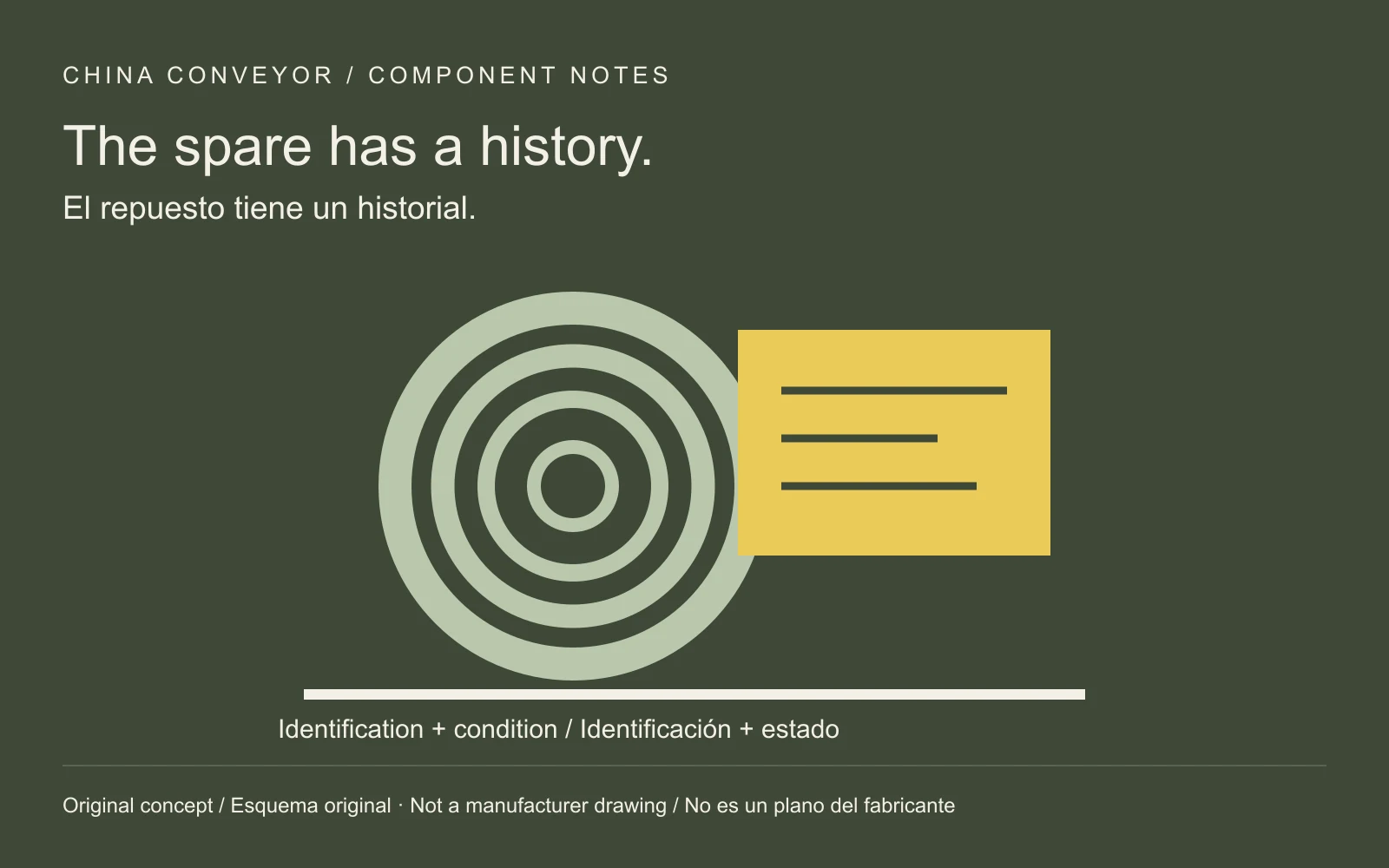
Receiving condition, packaging and storage history belong with a spare conveyor belt. Preserve them so the next shutdown begins with an identifiable, reviewed roll.
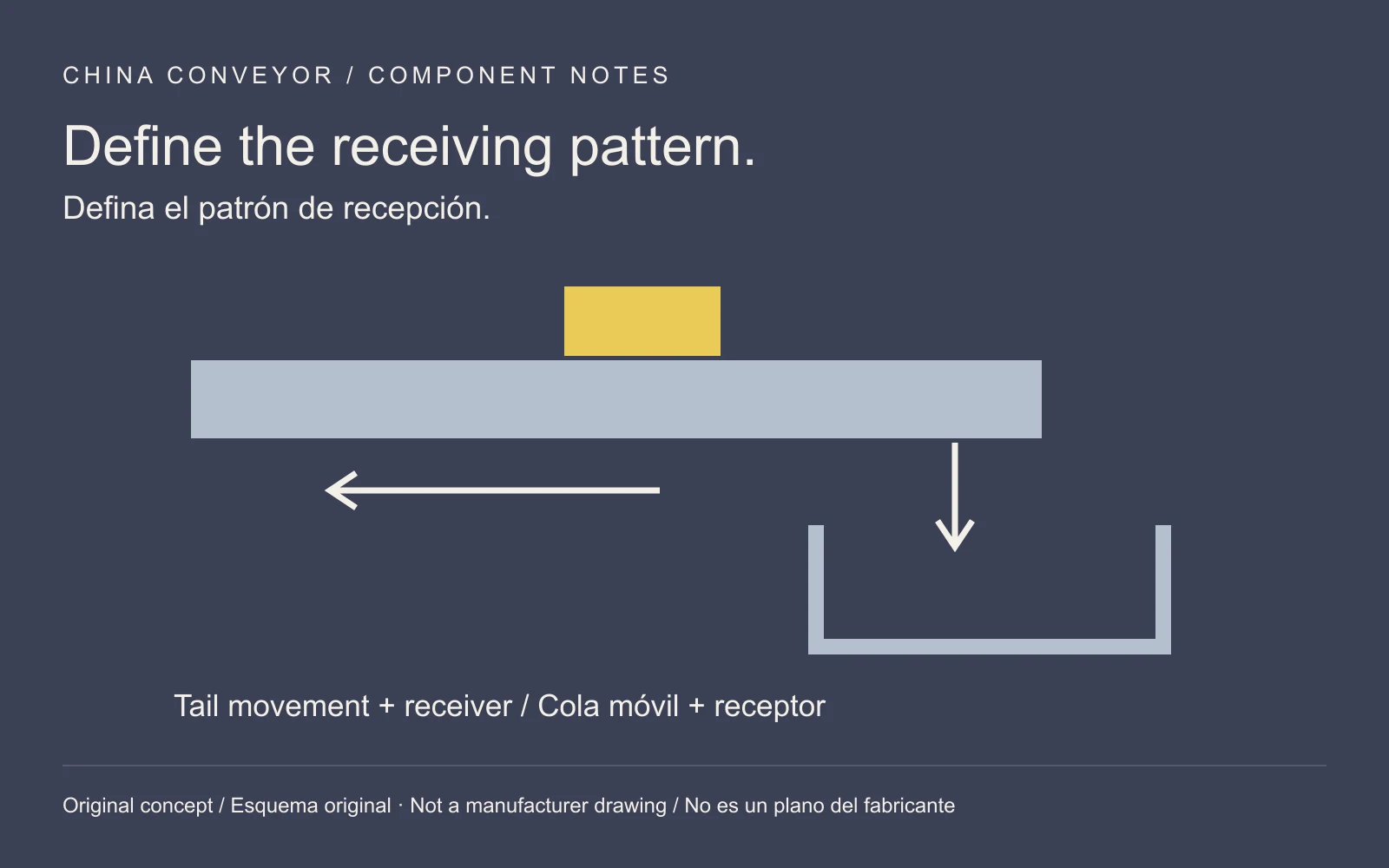
For automatic depositing, the moving conveyor tail and receiving tray belong in one sequence. Define the placement pattern and product condition before comparing cycles.
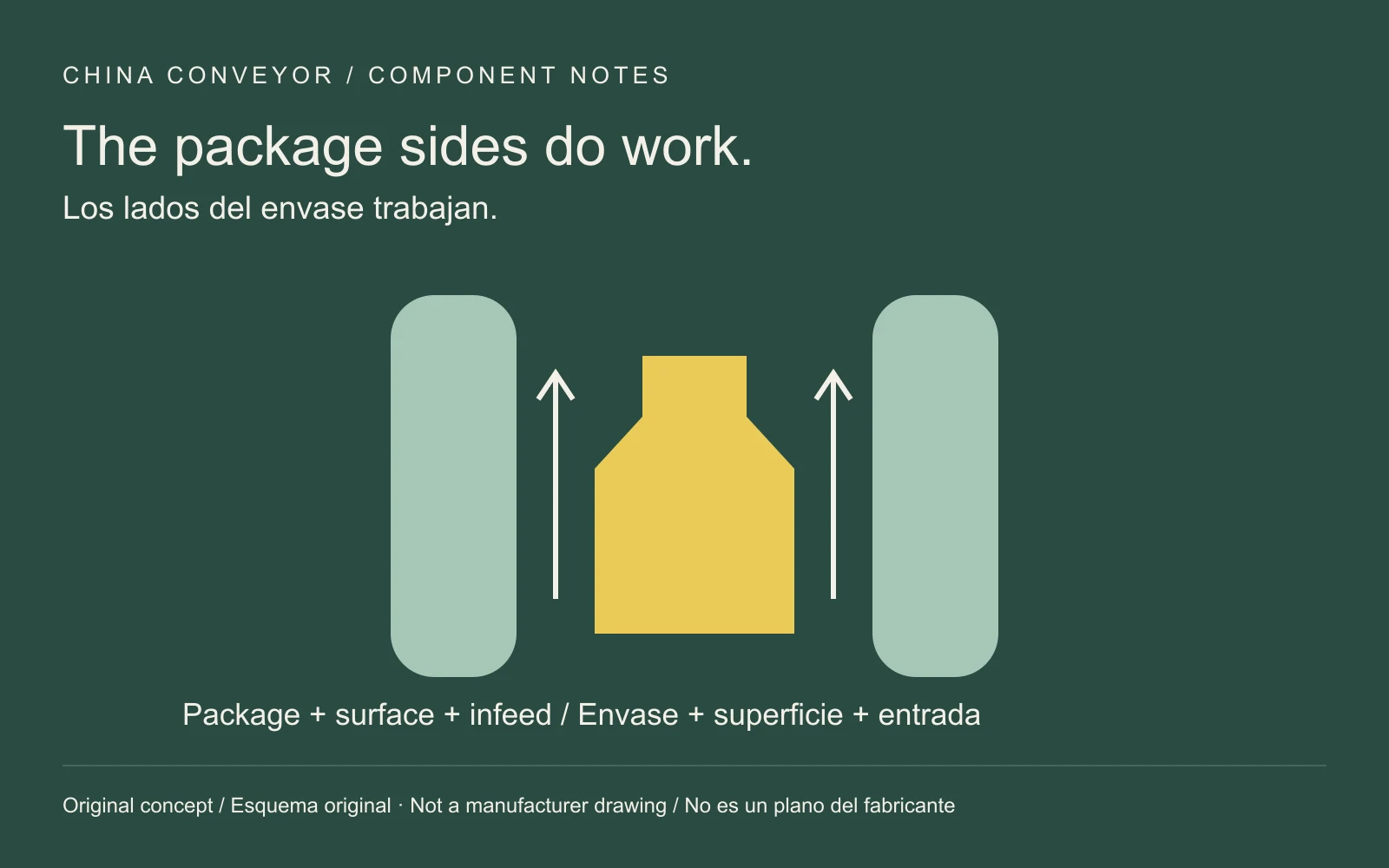
Vertical lifting by opposing chains makes package condition part of the application. Review the sidewalls, surface state and infeed with representative samples.
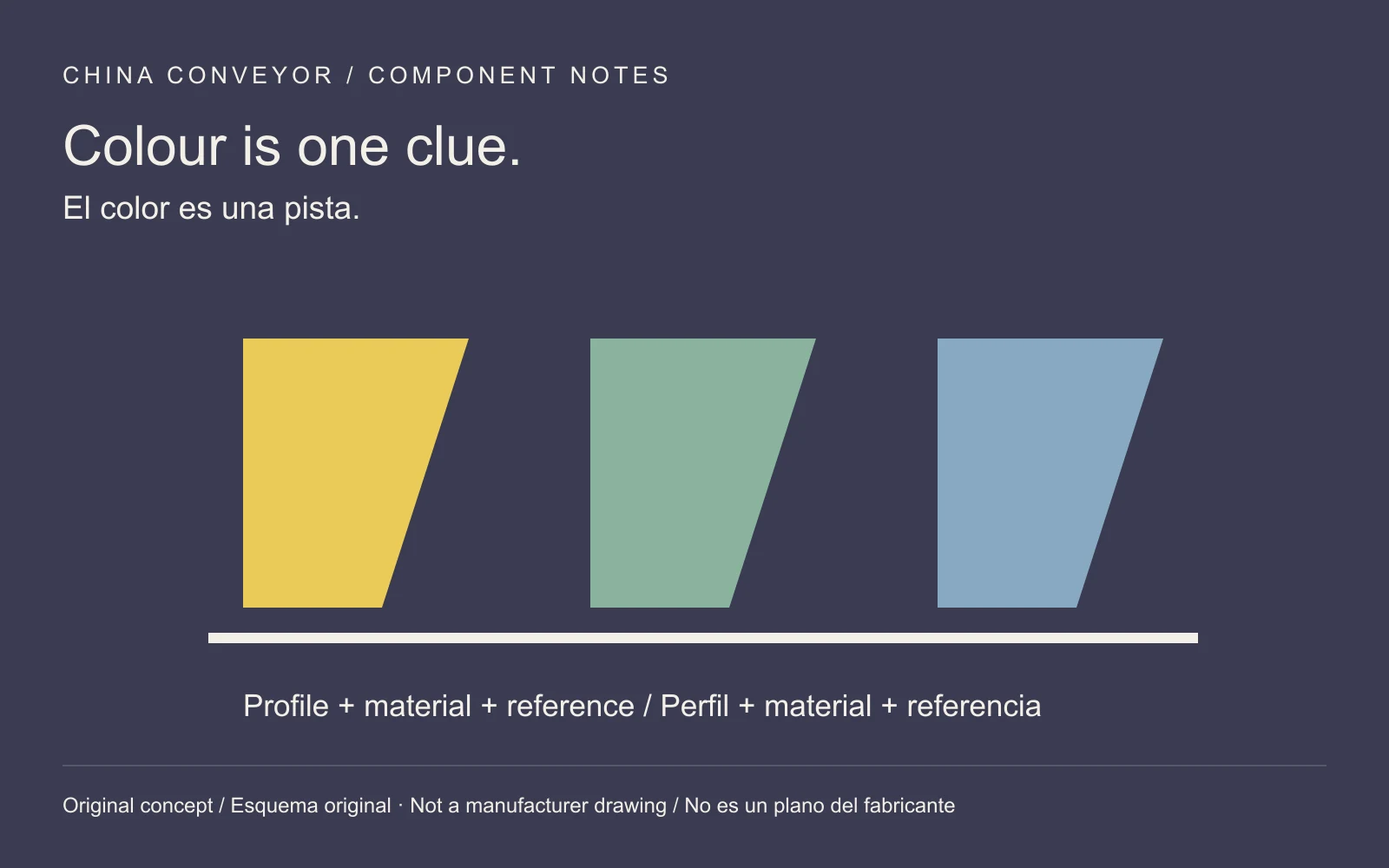
Identify the cleaner, blade profile and material reference before ordering a replacement. Colour can help within a product range while leaving other details unresolved.
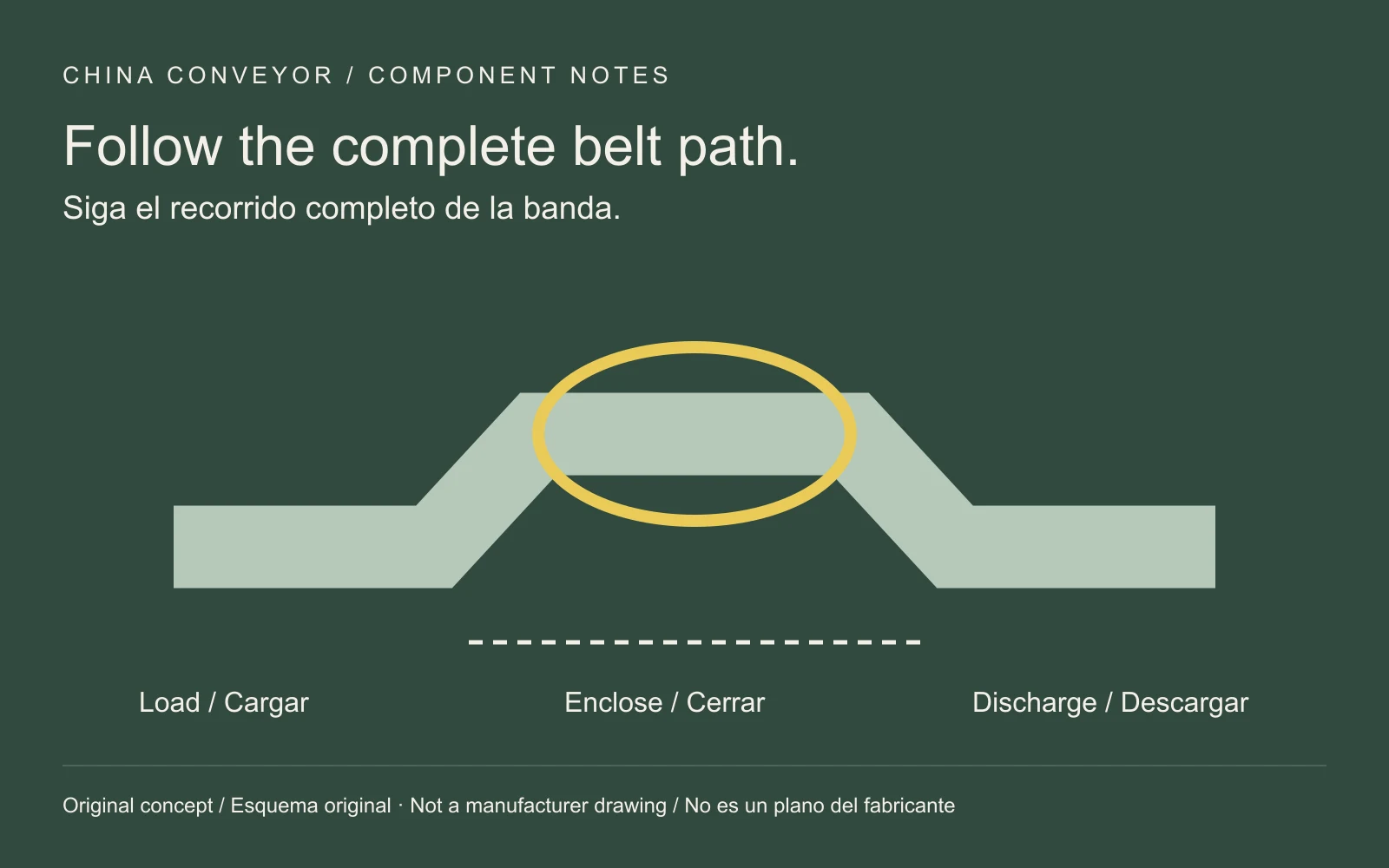
The enclosed conveying run is only part of a pipe-conveyor layout. Include loading, belt-forming and discharge transitions when defining the complete system.
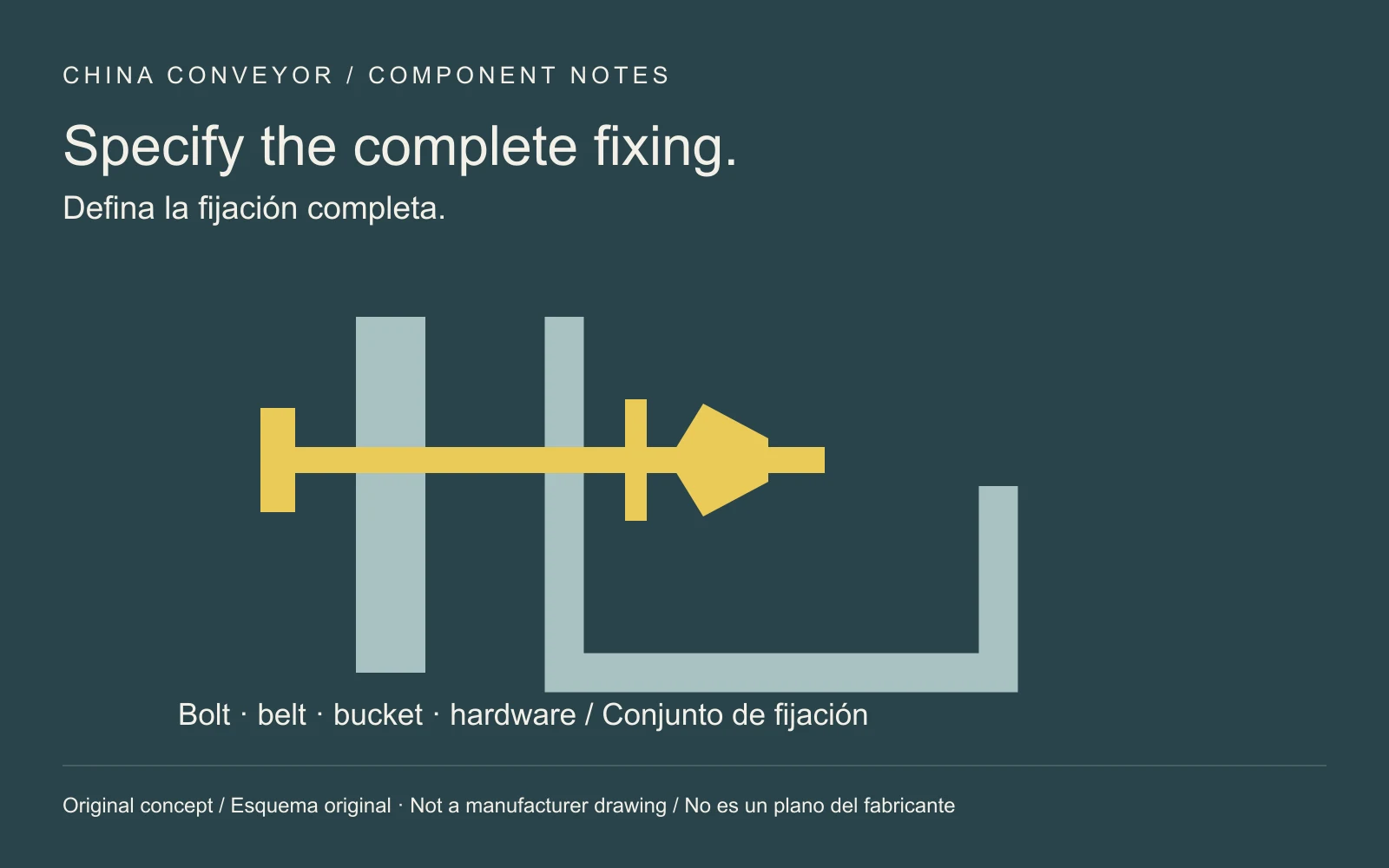
Bucket shape, belt and fixing arrangement belong in an elevator-bolt enquiry. Define the washer and nut configuration with the selected bolt before ordering spares.
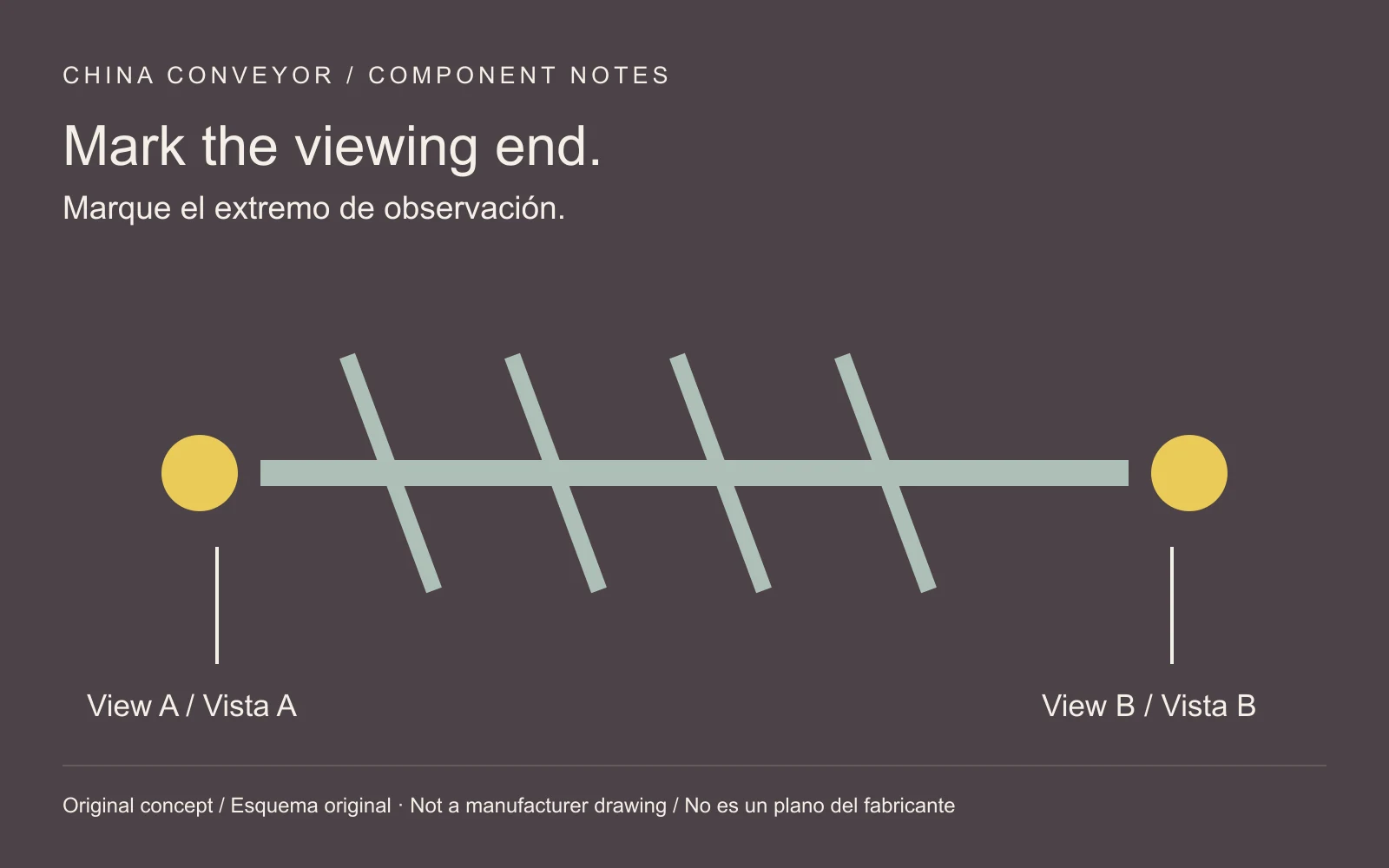
Screw hand and rotation determine flow together. Mark the viewing end on the drawing so a replacement enquiry does not depend on an ambiguous rotation label.
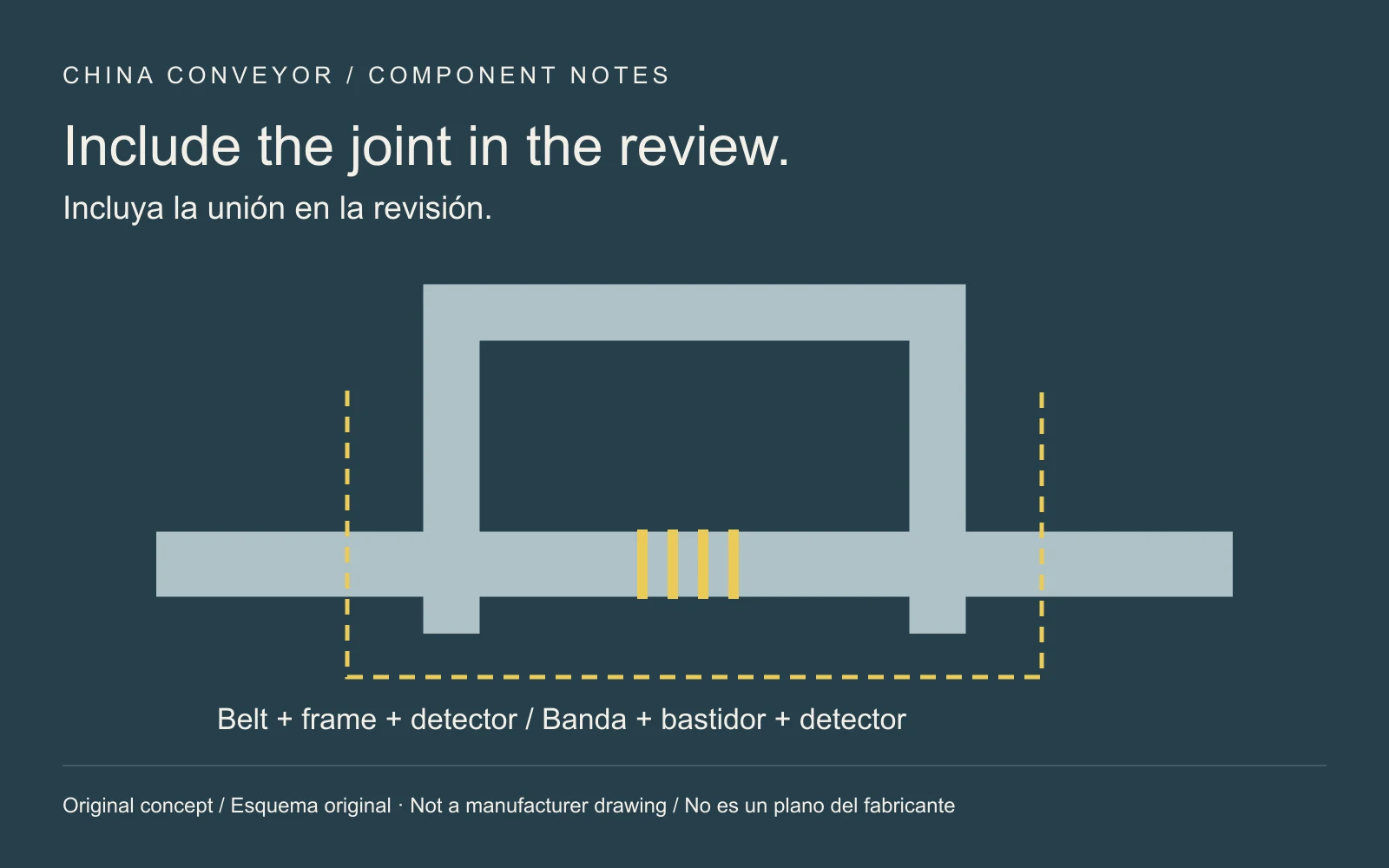
A replacement splice can affect a conveyor passing through a metal detector. Review the belt and surrounding structure with the detector supplier before approving a change.
A belt enquiry should identify the oil exposure, not only request an oil-resistant grade. Connect the handled material, compound and proposed assessment.
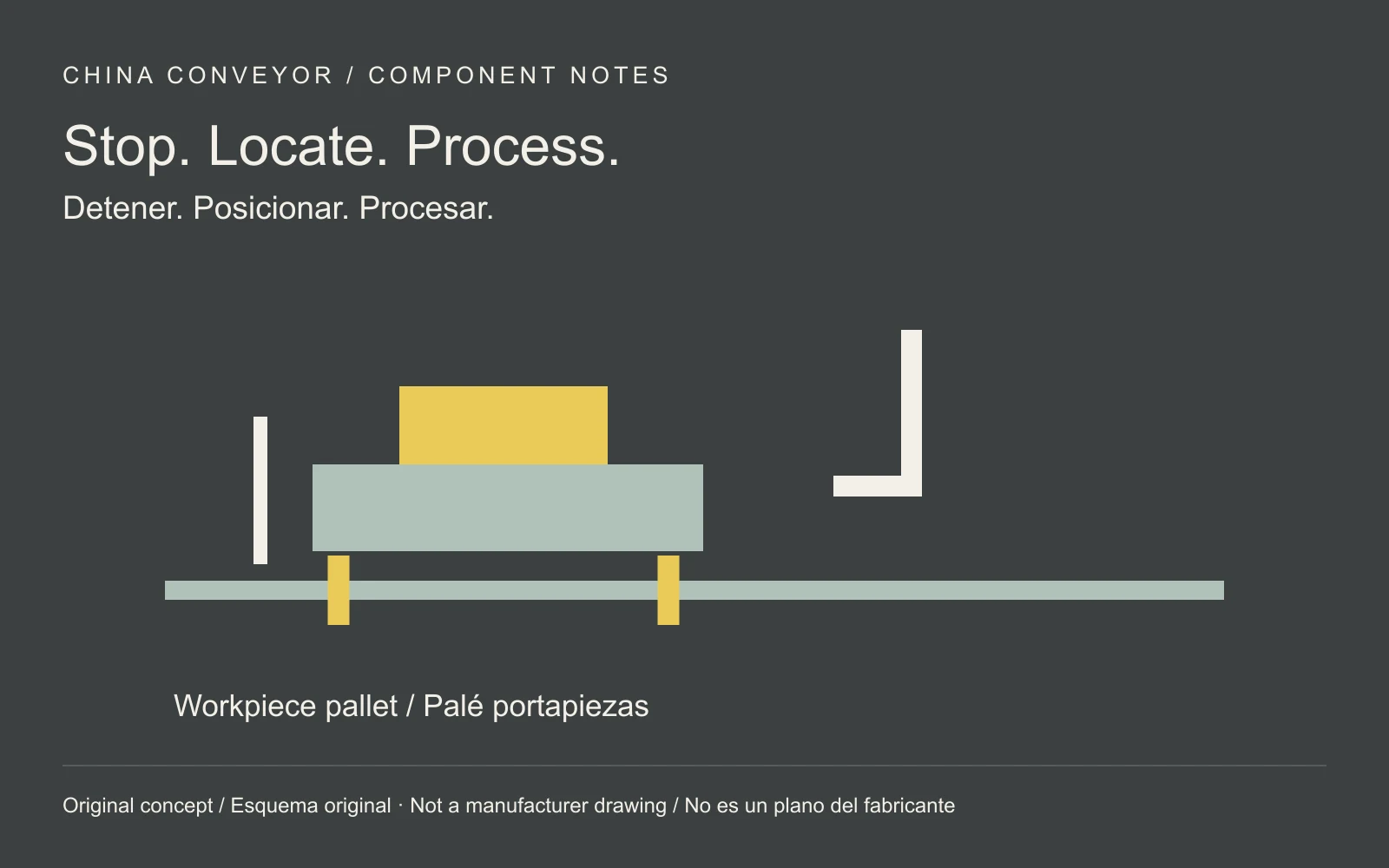
For an assembly conveyor, define the fixture position and process interface as well as the pallet stop. A locating station is an identifiable module in the system.
On a backlit conveyor, a replacement belt must suit the inspection arrangement as well as the machine. Include illumination and the actual part in the review.
An unpowered roller lane can have an engineered braking arrangement. Define the load, entry conditions and duty before choosing a speed controller.
A curve roller needs more than a single diameter in the stores record. Preserve taper direction, drive details and curve geometry in the replacement enquiry.
Record the exact belt, cleaning product and exposure conditions before changing a conveyor cleaning routine. A broad polymer name does not close the review.
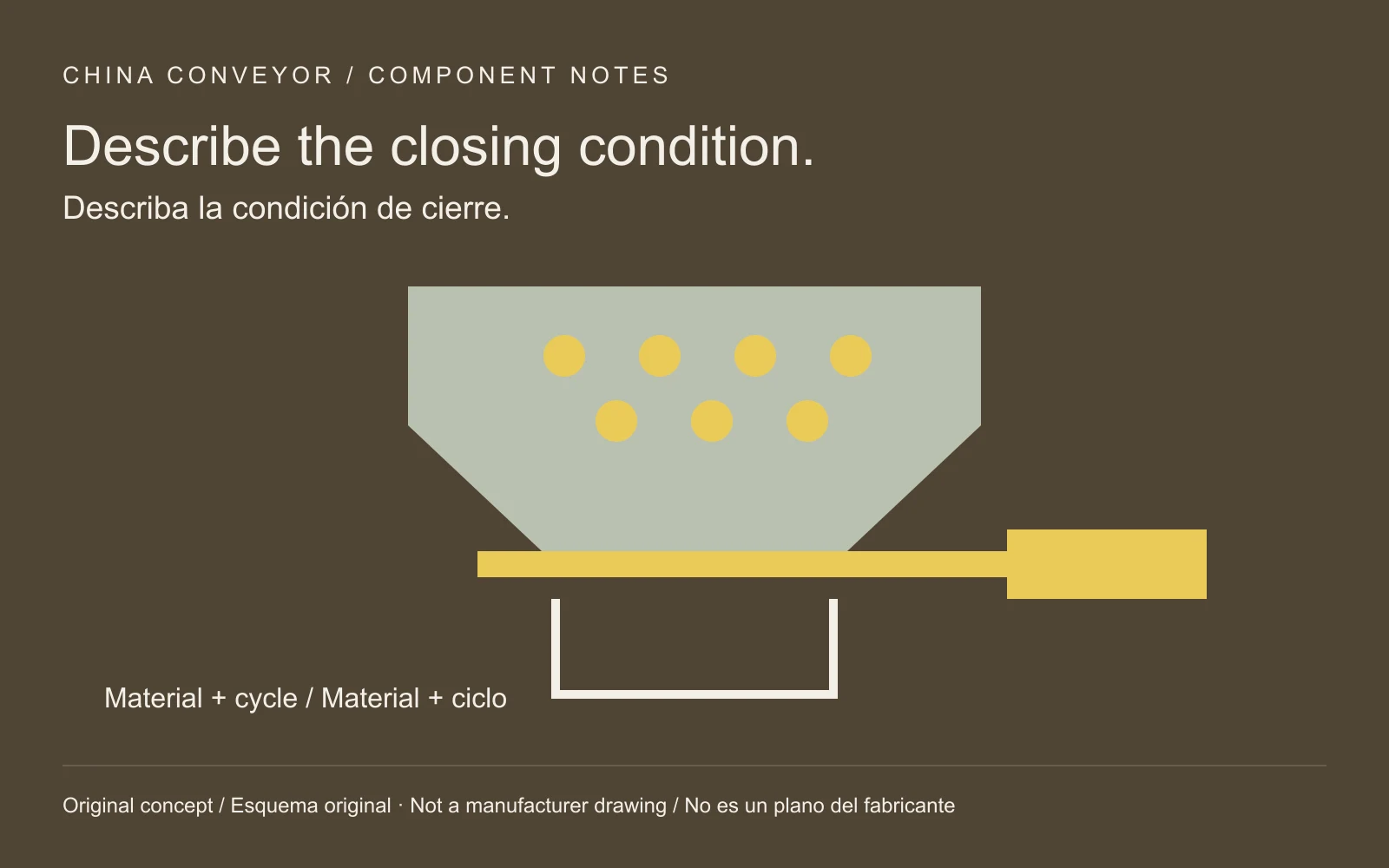
For a gate below a hopper, flange size leaves the operating duty unresolved. Describe the material, closing condition, actuation frequency and downstream equipment.
A screw conveyor hanger-bearing order needs the shaft interface and handled material, as well as a size. Keep geometry and material selection connected.
Friction-driven and positive-drive spiral systems need different discussions. Identify the existing belt-to-cage relationship before requesting a retrofit.
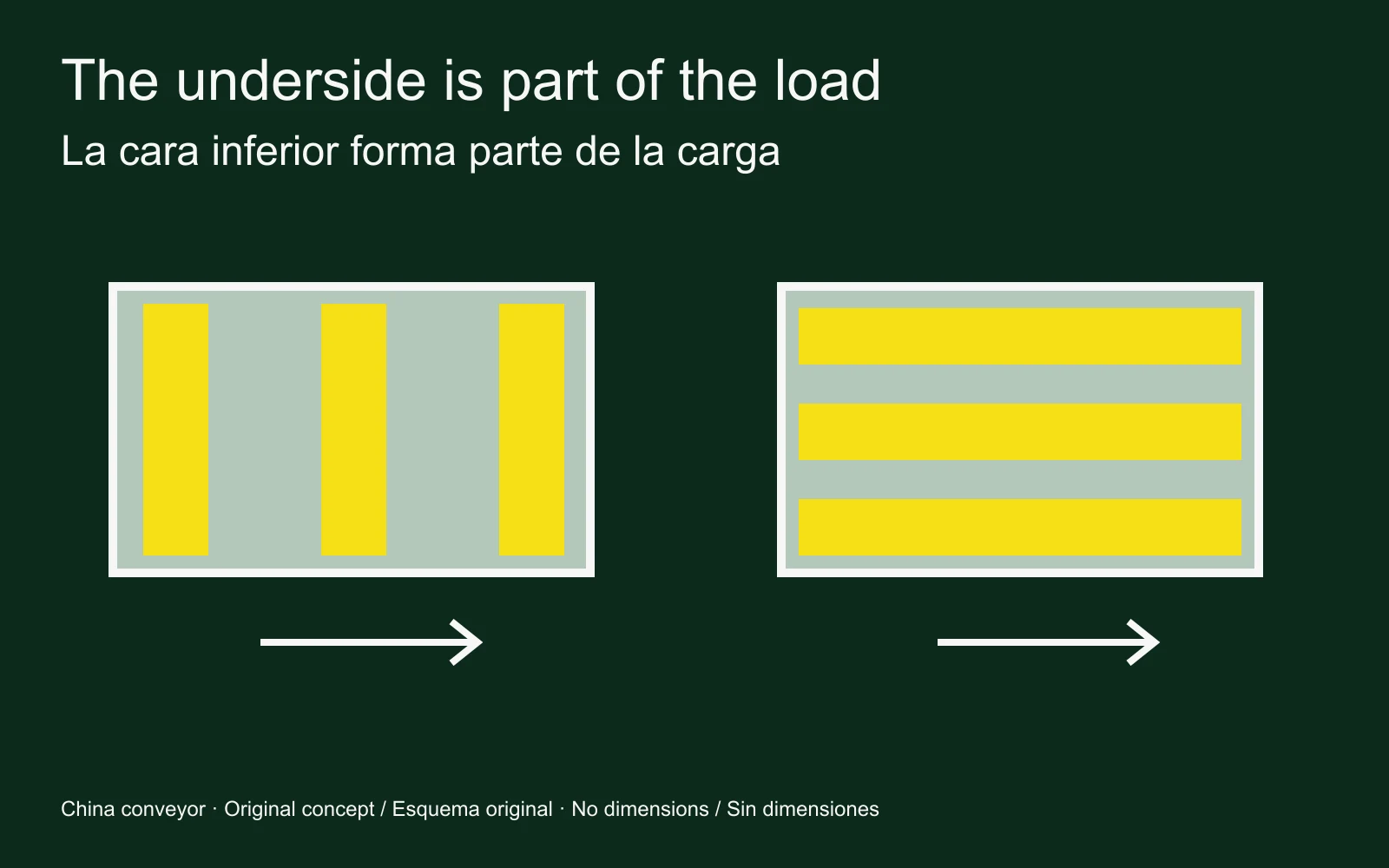
A vacuum conveyor needs a product-specific holding arrangement. Show the underside, covered holes and release point before comparing blower specifications.
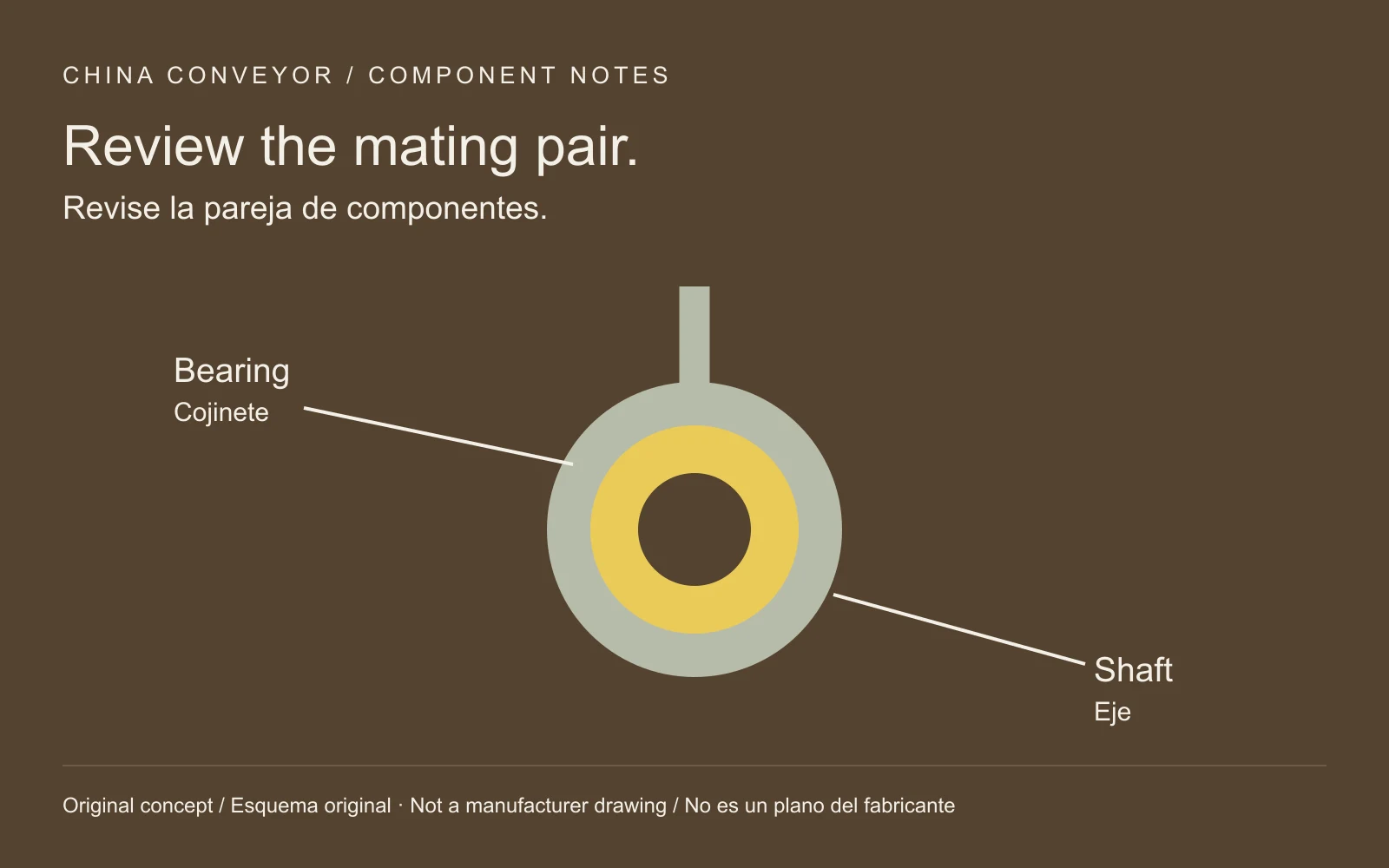
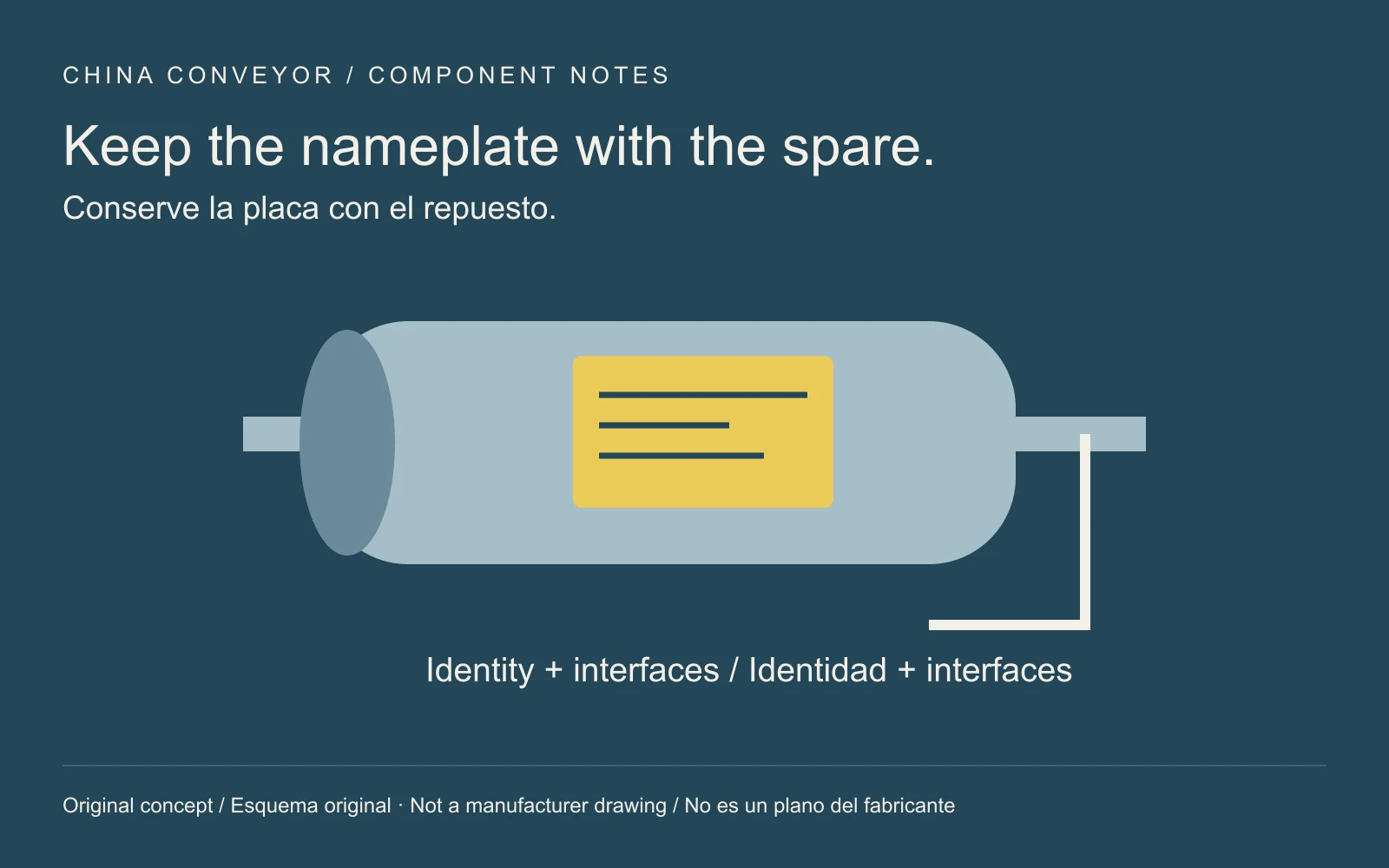
A matching drum diameter does not identify a replacement drive. Bring the nameplate, electrical variant and mounting interfaces into the spare-parts enquiry.
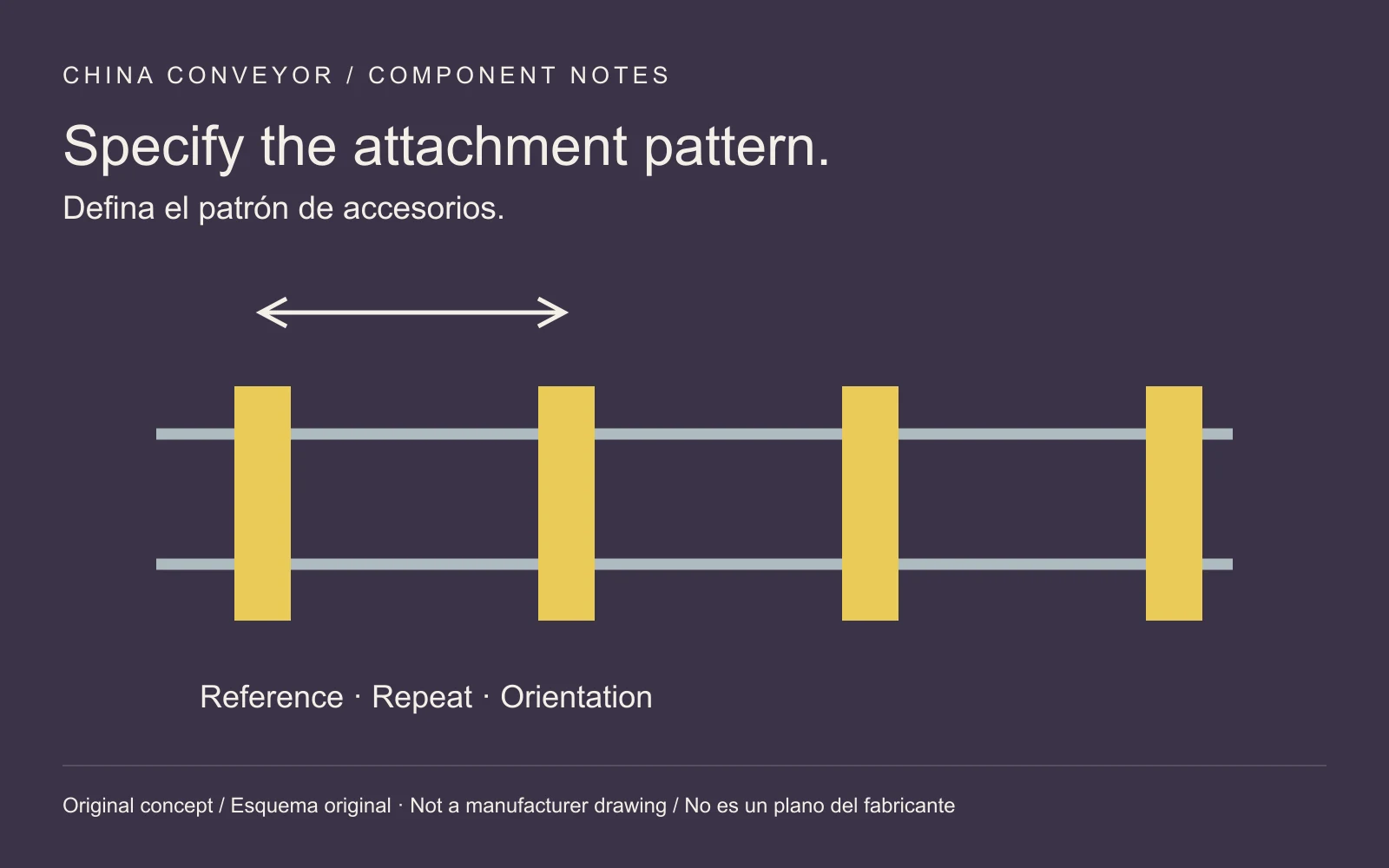
Attachment position, orientation and parallel-strand matching belong in a conveyor chain replacement enquiry. Pitch alone does not describe the working assembly.
Belt support, wear protection and sealing need separate descriptions in a loading-zone repair. Replacing a skirt strip alone may leave the original question open.
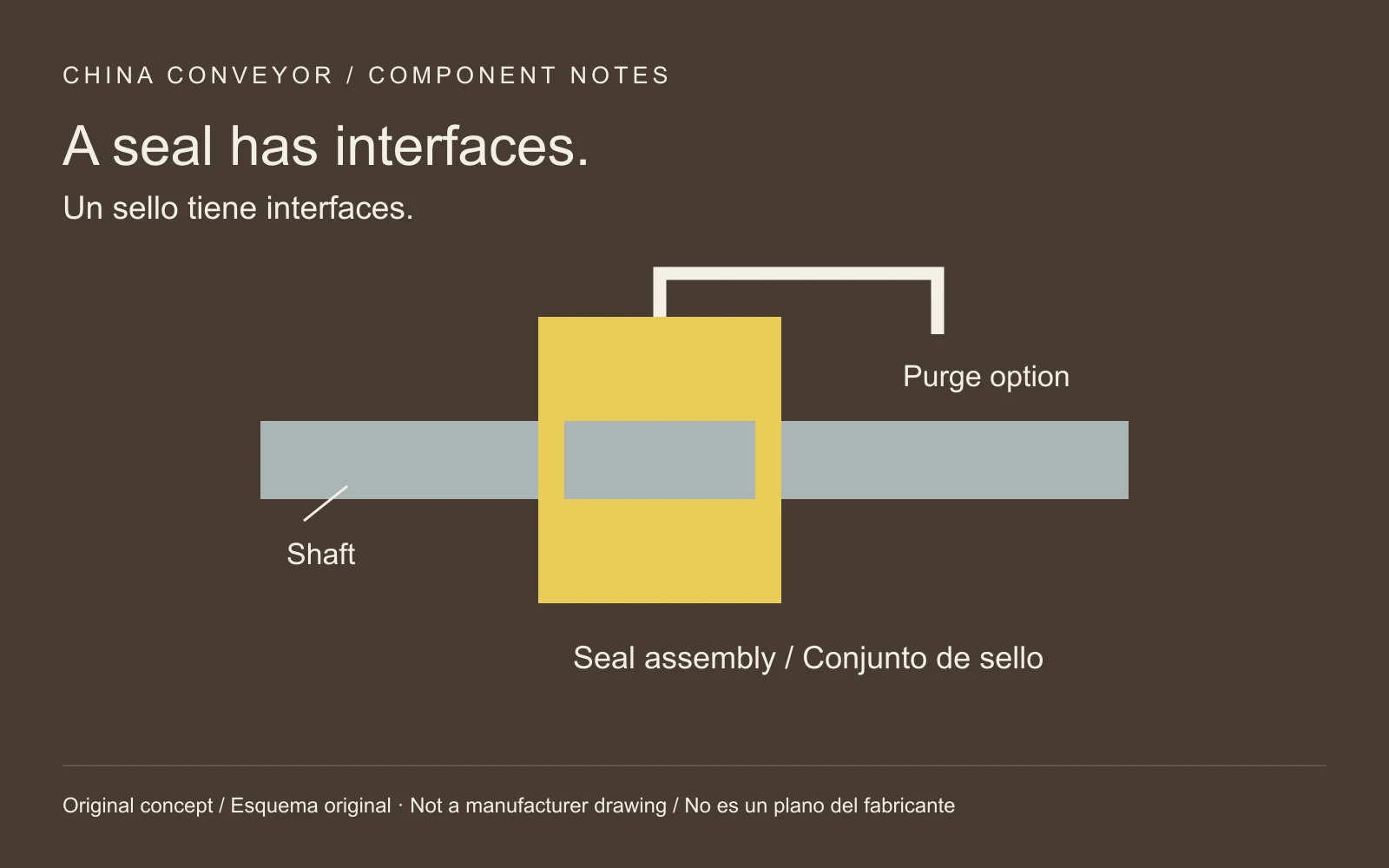
For a screw conveyor, a replacement seal can involve purge supply and maintenance access as well as shaft dimensions. Put those interfaces in the enquiry.
Compare pulley lagging with its operating conditions, finished dimensions and installation scope. A material label alone leaves the replacement job undefined.
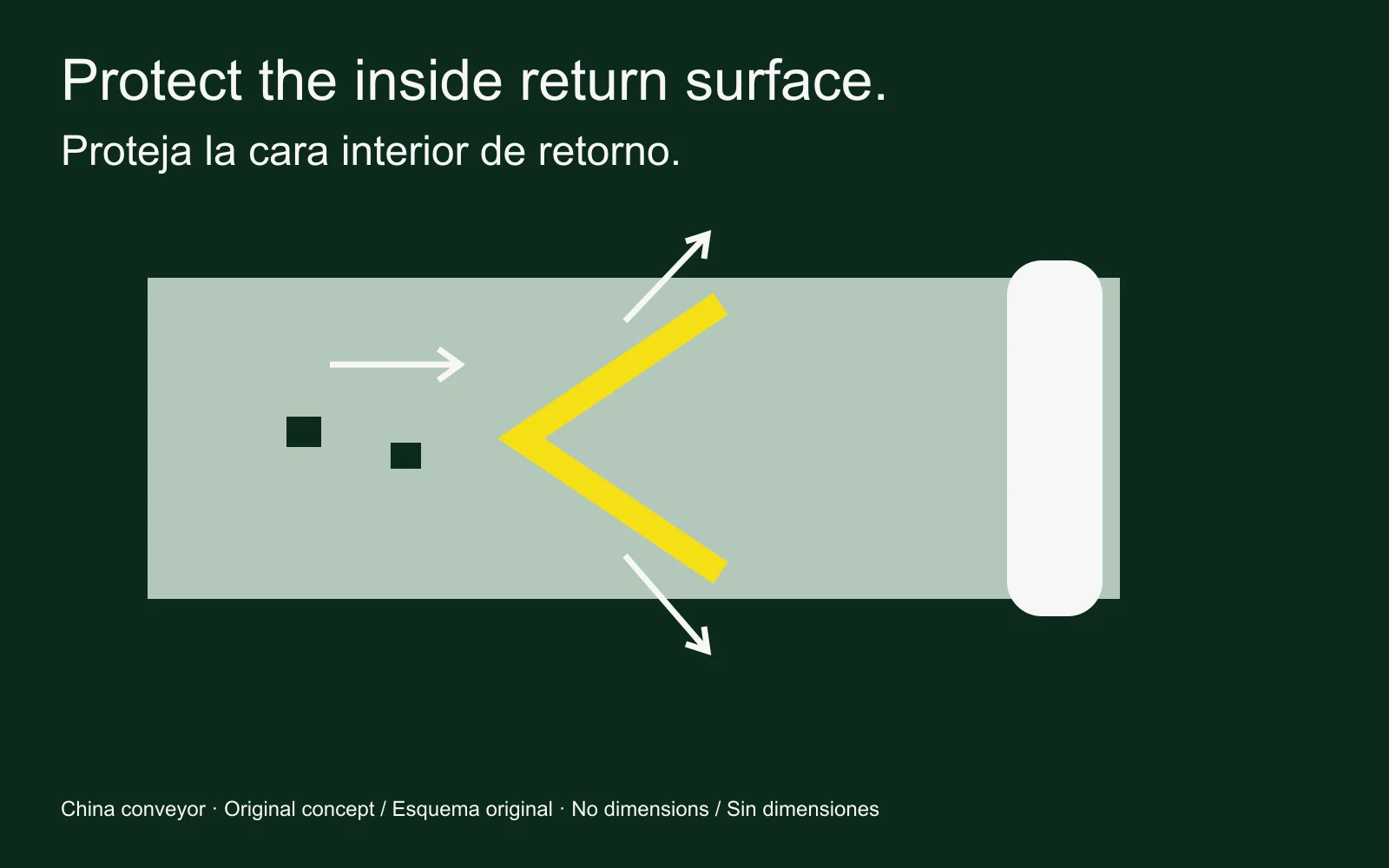
A cleaner at the head does not describe every cleaning task. Identify debris on the inside return surface and agree where a belt plow will discharge it.
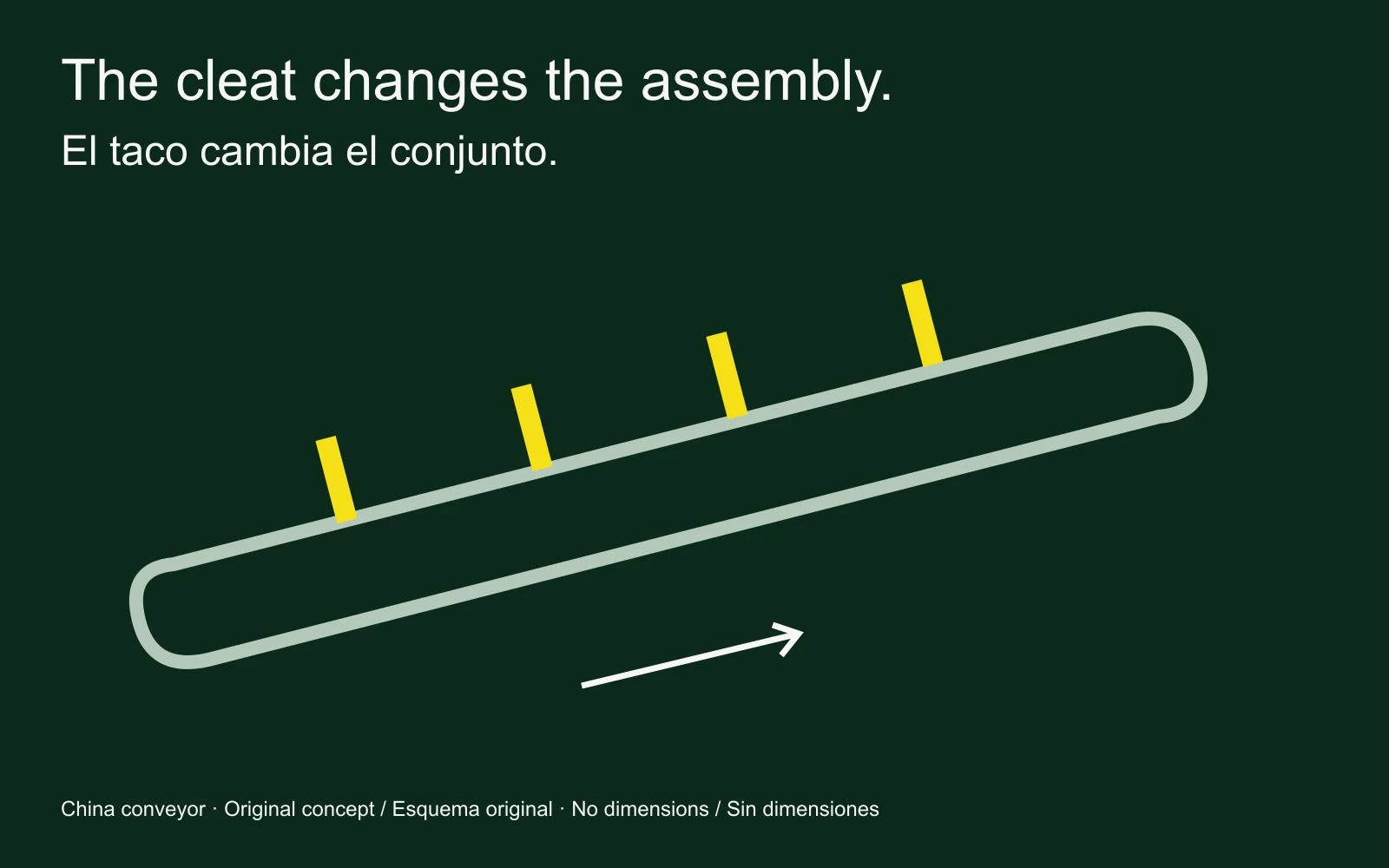
A plain-belt specification is not a complete cleated-belt specification. Review the cleats, other fitted components and the conveyor's bends together.
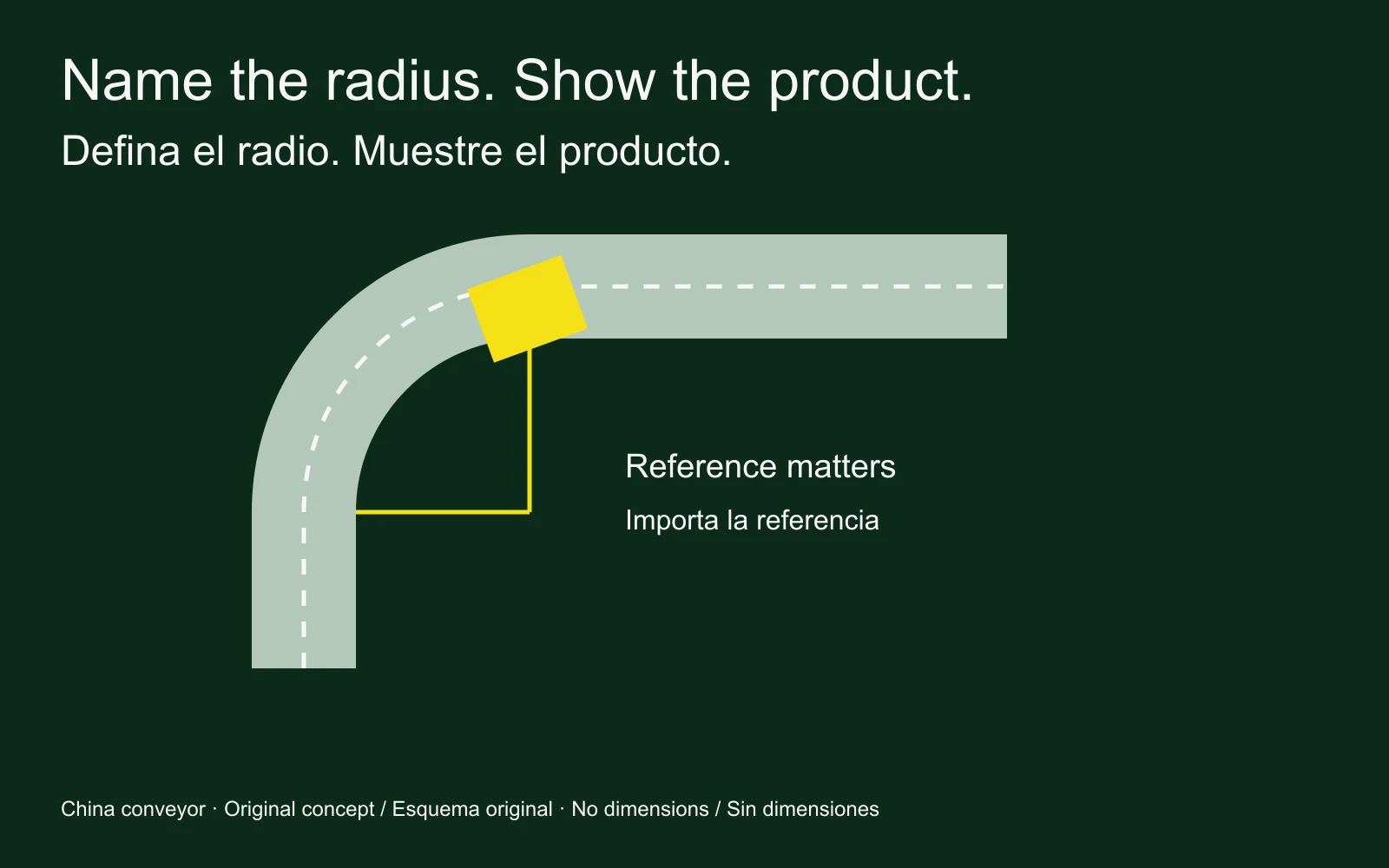
A curve angle does not define its footprint. Name the radius reference, belt width, entry sections and product envelope before comparing curved conveyors.
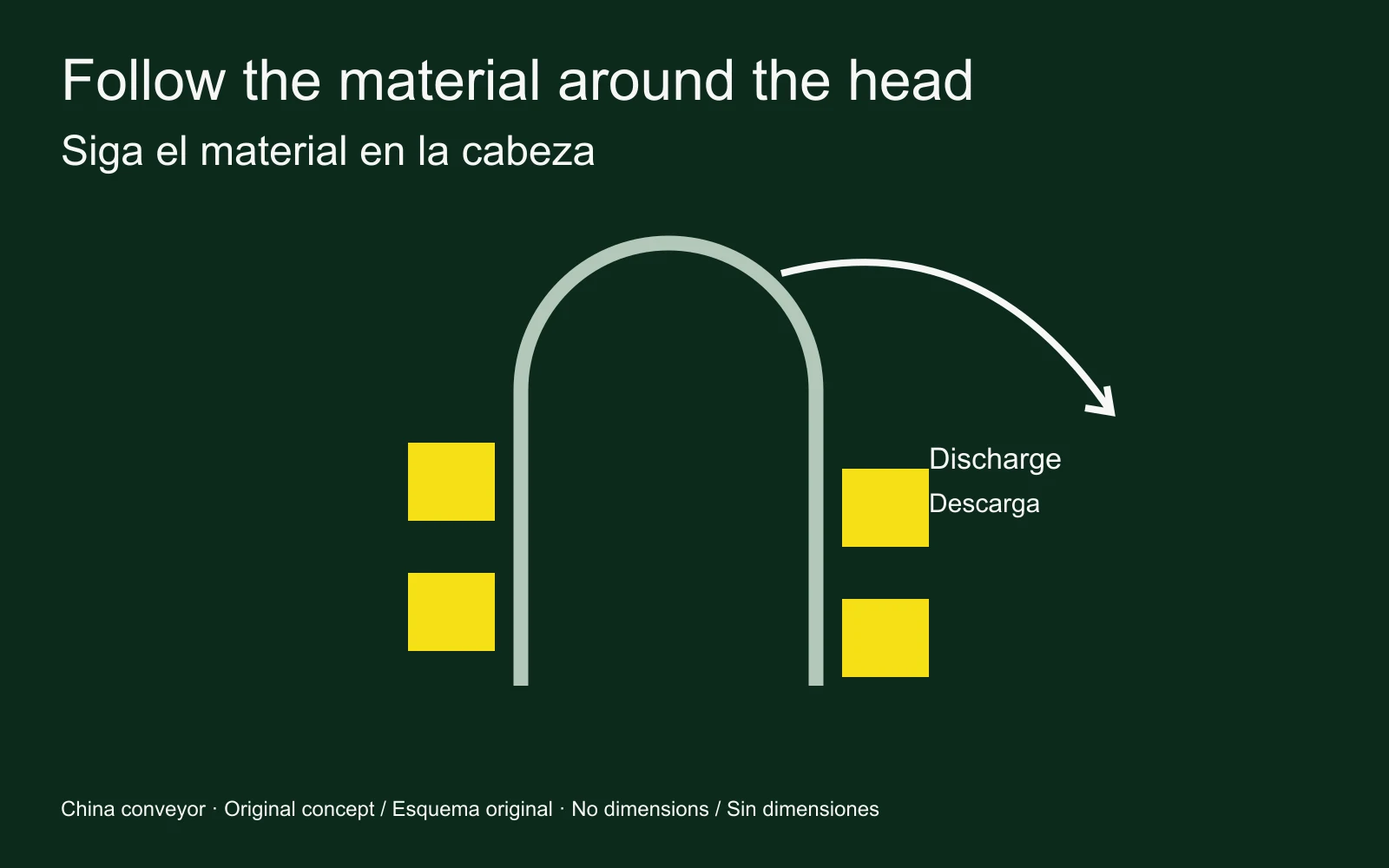
A replacement elevator bucket is part of a discharge system. Review its profile, arrangement and material duty before treating matching holes as interchangeability.
Two belt-scale offers may include different verification work. Separate reference checks, a weighed material comparison and the record needed after conveyor changes.
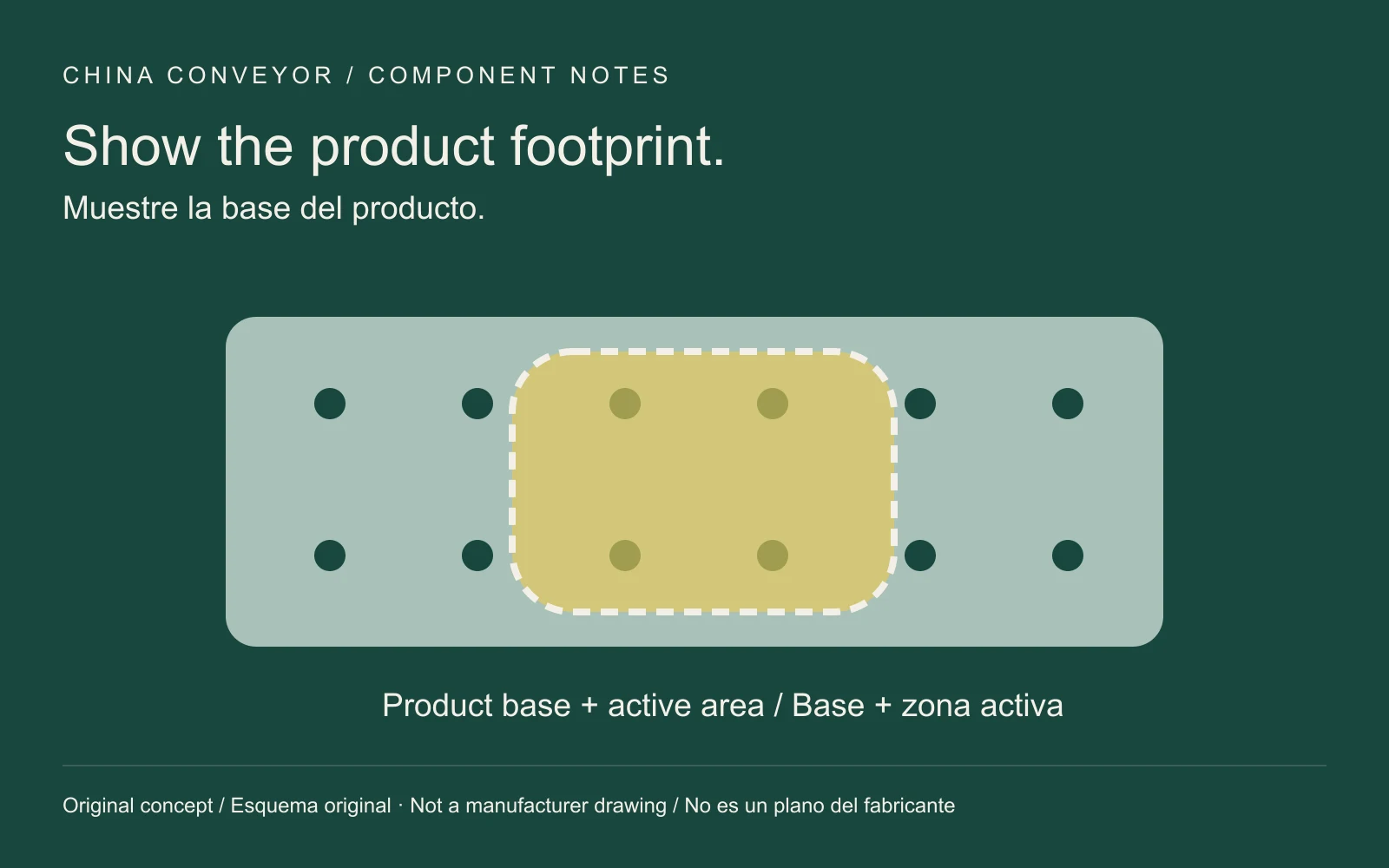
A pallet footprint and weight are not enough. Record bottom-board orientation, support surfaces and transfer conditions before comparing pallet conveyors.
A beltless magnetic conveyor enquiry starts with the actual scrap stream. Define material, chip shape, liquid carryover and discharge before comparing layouts.
Temperature changes affect the space a modular belt needs. Review the returnway, lateral clearance and material choice together before ordering a replacement.
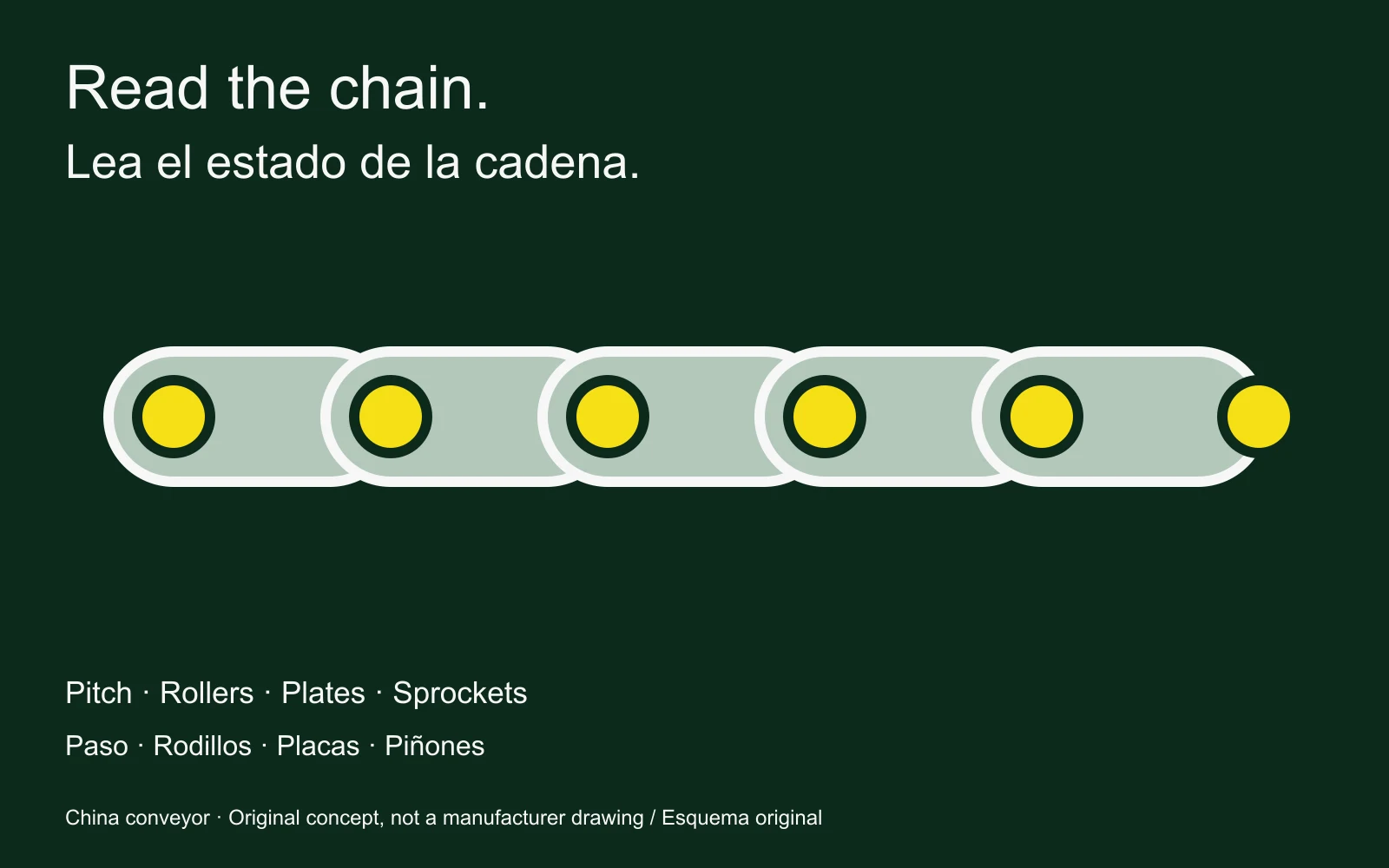
Take-up adjustment cannot describe the whole chain. Separate pitch elongation, roller wear and sprocket condition before deciding what to replace.
Renold's phone-based assessment and a Tsubaki field report show two different ways of approaching chain condition. Their scopes matter.
Digital component drawings can sharpen a conveyor-frame enquiry. The missing step is still responsibility for the complete installed structure.
Rulmeca's RMS connects conveyor-drive condition with remote reporting. The practical question is who turns the readings into maintenance action.
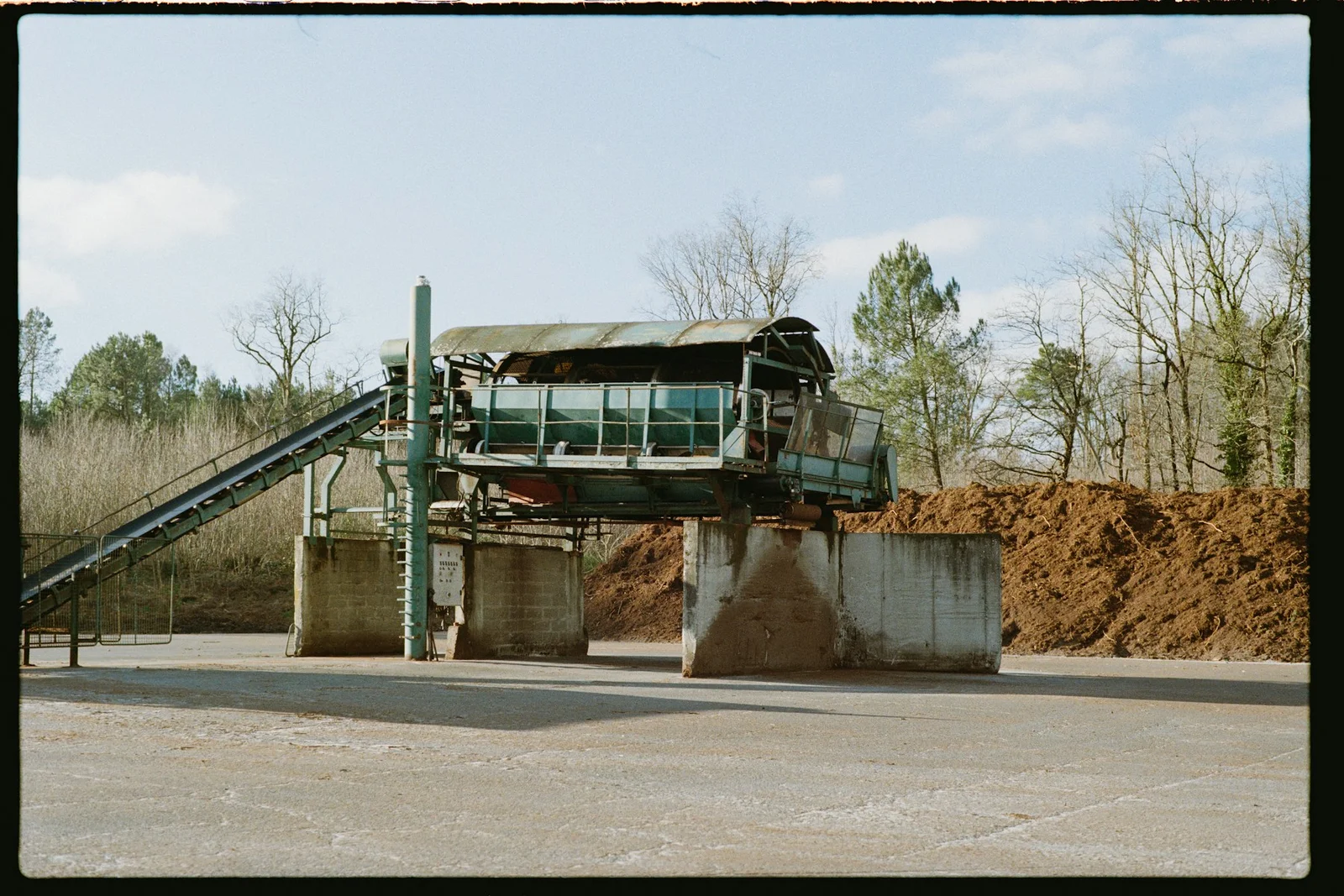
Bulk-flow testing and integrated feeder projects show why a hopper cannot be specified from storage volume and outlet size alone.
Habasit's 2026 M5062 documents connect perforated modular belts with cooling duty. A freezer result still depends on the complete process.