Loading and unloading start with different flows
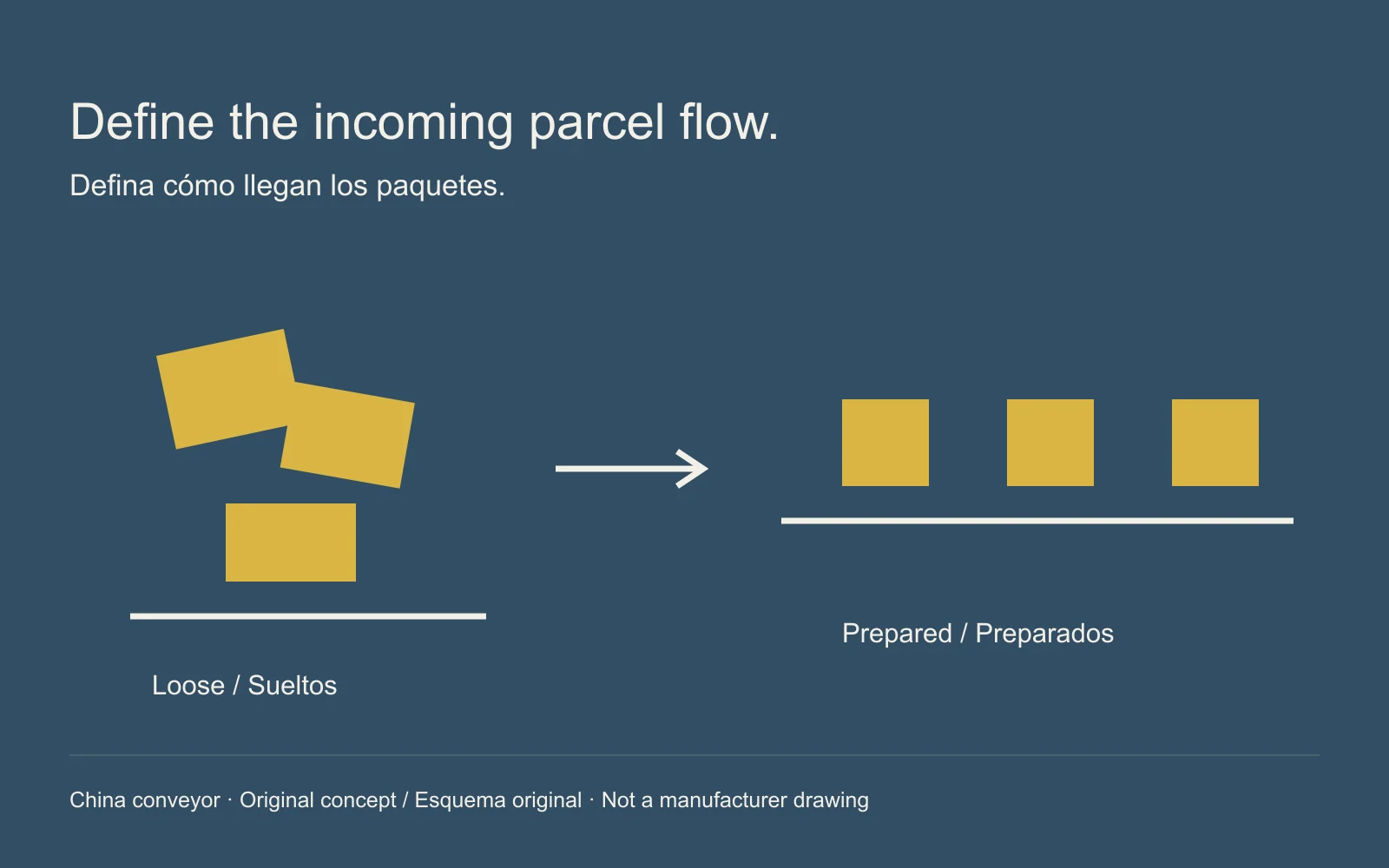
Caljan's current product pages describe an AutoLoader for loading vehicles and an AutoUnloader for removing loose-loaded parcels. The loader's FAQ requires a singulated incoming flow within approved parcel specifications and excludes clumped or bulk infeed. The unloader is described around inbound handling and transfer to following equipment. Those are different process boundaries, even though both products connect vehicles and conveyors.
An enquiry should begin with the operation being automated and the actual condition of the incoming parcels. Name the vehicle side and the warehouse side, then describe what crosses each interface. A drawing with an arrow labelled parcel flow leaves important questions open if it does not say how those parcels are presented.
This is an application review of existing equipment information, not a new product-launch report.
A parcel-per-hour figure needs its boundary
The reviewed pages advertise up to 3,500 parcels per hour for AutoLoader and up to 5,000 for fully automatic AutoUnloader. These are Caljan's product figures, not a measured throughput for our readers' sites, and the two operations should not be treated as the same test.
For a proposal, ask where parcels are counted and which operating conditions the rate describes. Include the agreed parcel range, the presented flow and the receiving arrangement. Separate a period of continuous operation from a result that includes docking, waiting, interruptions and vehicle changeover.
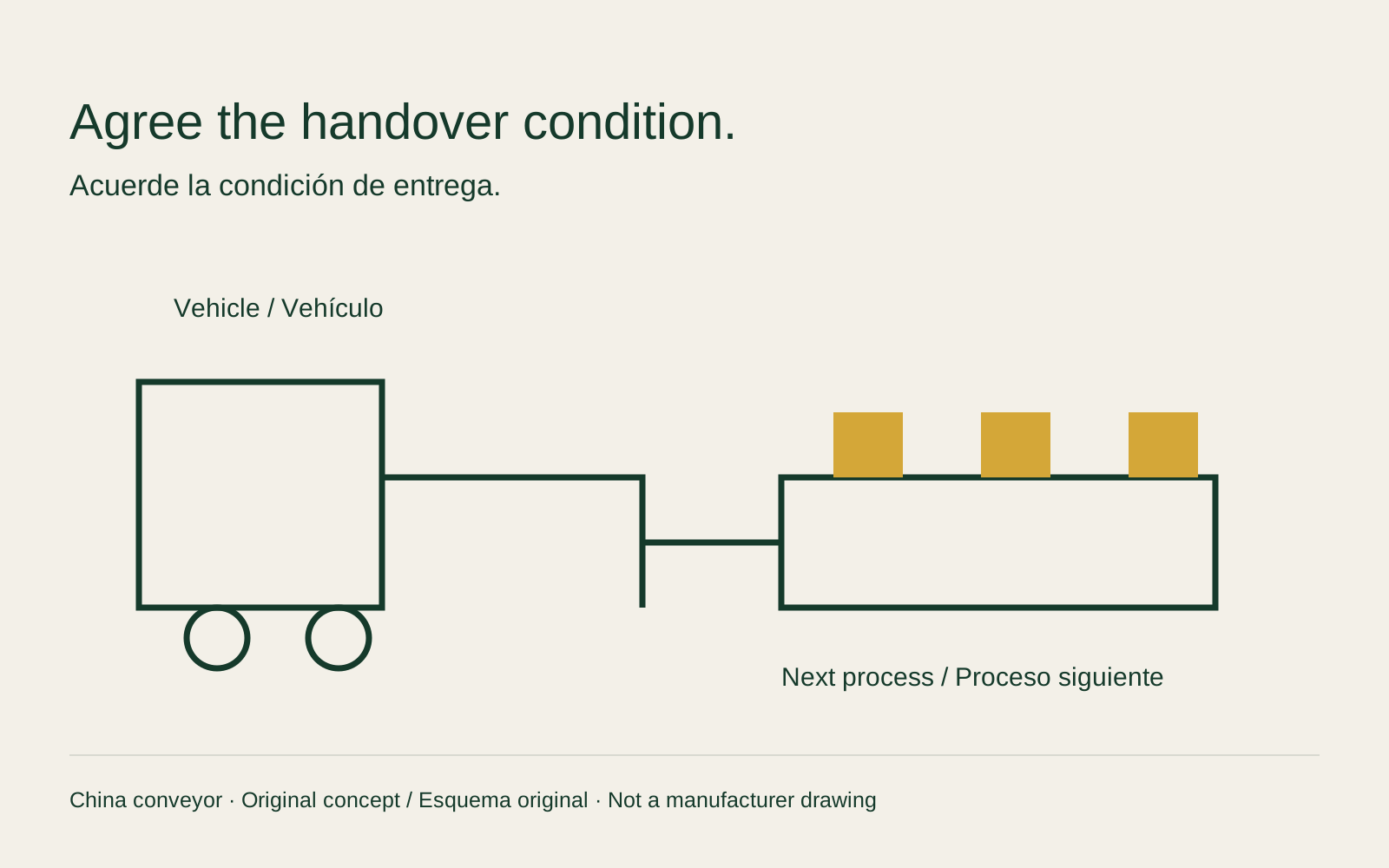
If the next machine requires a particular presentation, identify which supplied function provides it. The unloader page describes a 3D-to-2D singulation function; that phrase should not be rewritten as a guarantee of every downstream sorter's required infeed. Have the responsible suppliers agree the actual handover condition.
The useful commercial comparison places the complete scope and its accepted demonstration next to the quoted rate. A single number on a brochure cannot allocate the work between an unloader, take-away conveyor and later process.
Use the parcel mix to define the demonstration
Provide representative parcel types and identify the conditions that need review, including variations in package shape, surface and stability. Let the equipment supplier define the approved range for the proposed configuration. Retain exclusions and handling arrangements for items outside that range.
Ask the project team to agree what happens when the receiving process pauses or a parcel cannot continue normally. Name who implements the controls and who approves the coordinated operation. This article does not provide safety-control logic, a docking procedure or a method for clearing a blockage.
A recorded demonstration should identify the equipment configuration, material presented, interface conditions and scope of the observed result. Keep unresolved cases visible rather than describing one successful run as approval for every parcel in the network.
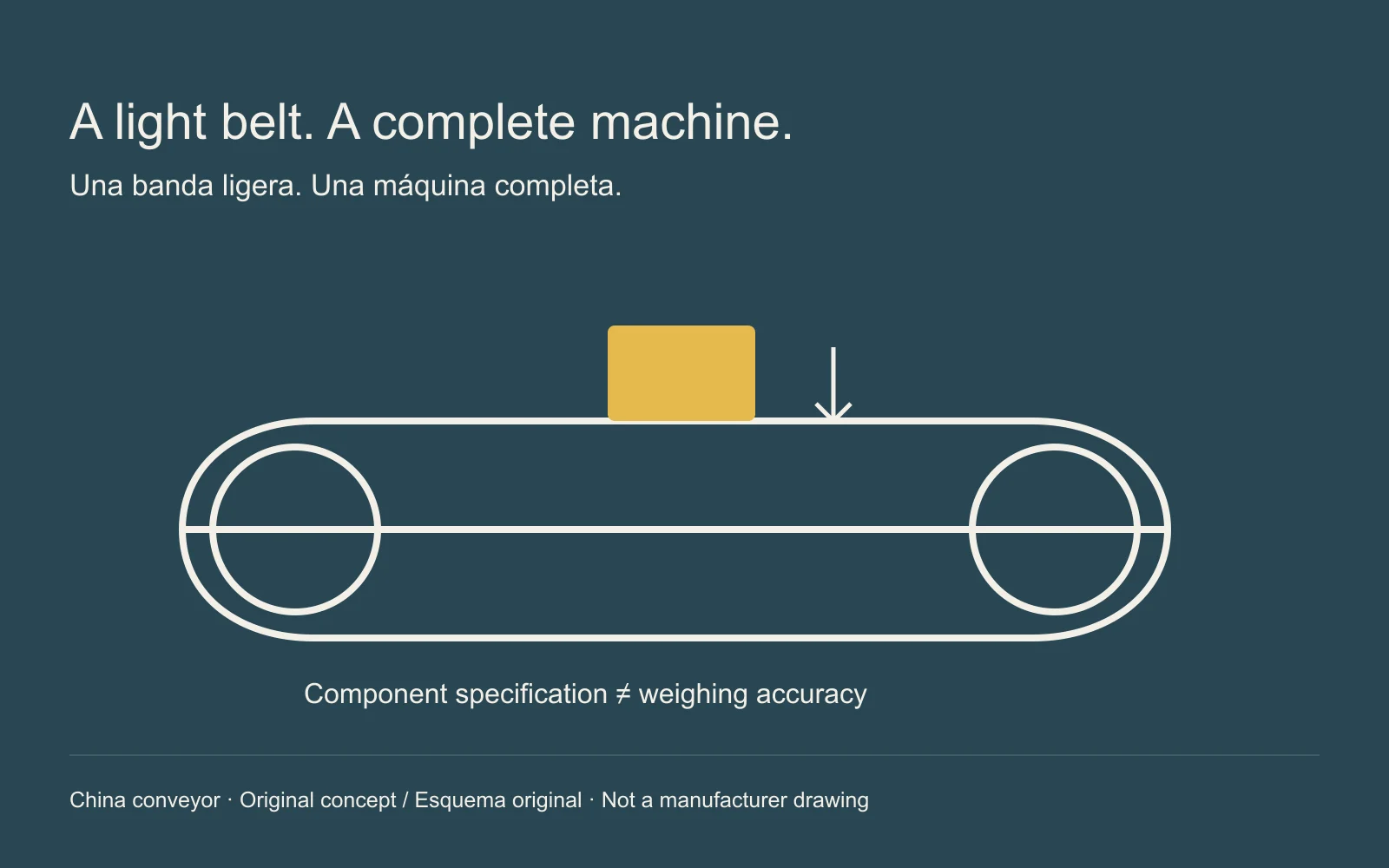
The original illustrations distinguish an inbound loose-loaded stream from an outbound prepared stream. They show functional questions only; they are not Caljan machine drawings or an operating procedure.
Manufacturer announcements and our analysis are distinguished. Product claims require verification for the specific application.
Sources
Caljan — AutoLoader product information and FAQ ↗Primary page specifies singulated infeed and its advertised loading rate. Product claims remain conditional and are not adopted as an observed project result.
Caljan — AutoUnloader product information and FAQ ↗Primary page describes loose-loaded inbound parcels, 3D-to-2D function and manufacturer throughput. It does not establish every following machine's accepted infeed condition.