A material option with a defined inspection purpose
Habasit's metal- and X-ray-detectable portfolio addresses the possibility of belt or accessory fragments entering a food product stream after damage. The brochure distinguishes the two inspection methods and says detectable belts complement tracking, cleaning and maintenance. It should be read as a material option within a wider process, not a promise that every fragment will be found.
For a buyer, the first decision is to identify the position and component being changed. A detectable carrying surface, a scraper and an accessory are different purchase items. Record the precise material and part reference rather than extending a claim from one product family to everything fitted to the conveyor.
The portfolio announcement reviewed here has no visible publication date. This article examines the available brochure and the questions it raises for specification; it does not invent a launch event.
The brochure names an important limit
For its metal-detectable TPU belt discussion, Habasit says detection applies to the TPU layers and excludes very fine abrasion dust and textile fibres. Its X-ray discussion also makes performance dependent on the product and system conditions. Those qualifications belong beside the product selection in the enquiry, where both the belt supplier and inspection-equipment team can see them.
Ask the responsible teams to define the material and fragment condition represented by any proposed evidence. Keep the inspection equipment reference and the food product represented by that evidence with the record. A statement about detectable material should not lose its conditions as it passes from a catalogue to a distributor quotation and then a stores description.
If an assembly includes several materials, ask which of them the supplier's claim covers. Preserve any exclusions in the purchasing record. This is a request for traceable evidence, not a proposal to alter detector sensitivity or bypass an existing food-safety procedure.
Make verification a named part of the handover
The commercial offer should say which party supplies the material documentation, which party reviews the installed inspection arrangement and who approves the completed change. Let the responsible food-safety and inspection teams define any required validation under the site's own procedures. This publication supplies neither test fragments nor acceptance limits.
Carry the approved material identity into spare-parts ordering. A replacement described only by colour and dimensions can lose the characteristic that motivated the original purchase. Ask how the supplier will identify the finished component and document later changes to its construction.
The result to seek is a clear chain from the component ordered to the evidence reviewed and the installed arrangement accepted. Detectability is useful information for that chain; it does not remove the need to investigate belt damage or maintain the conveyor.
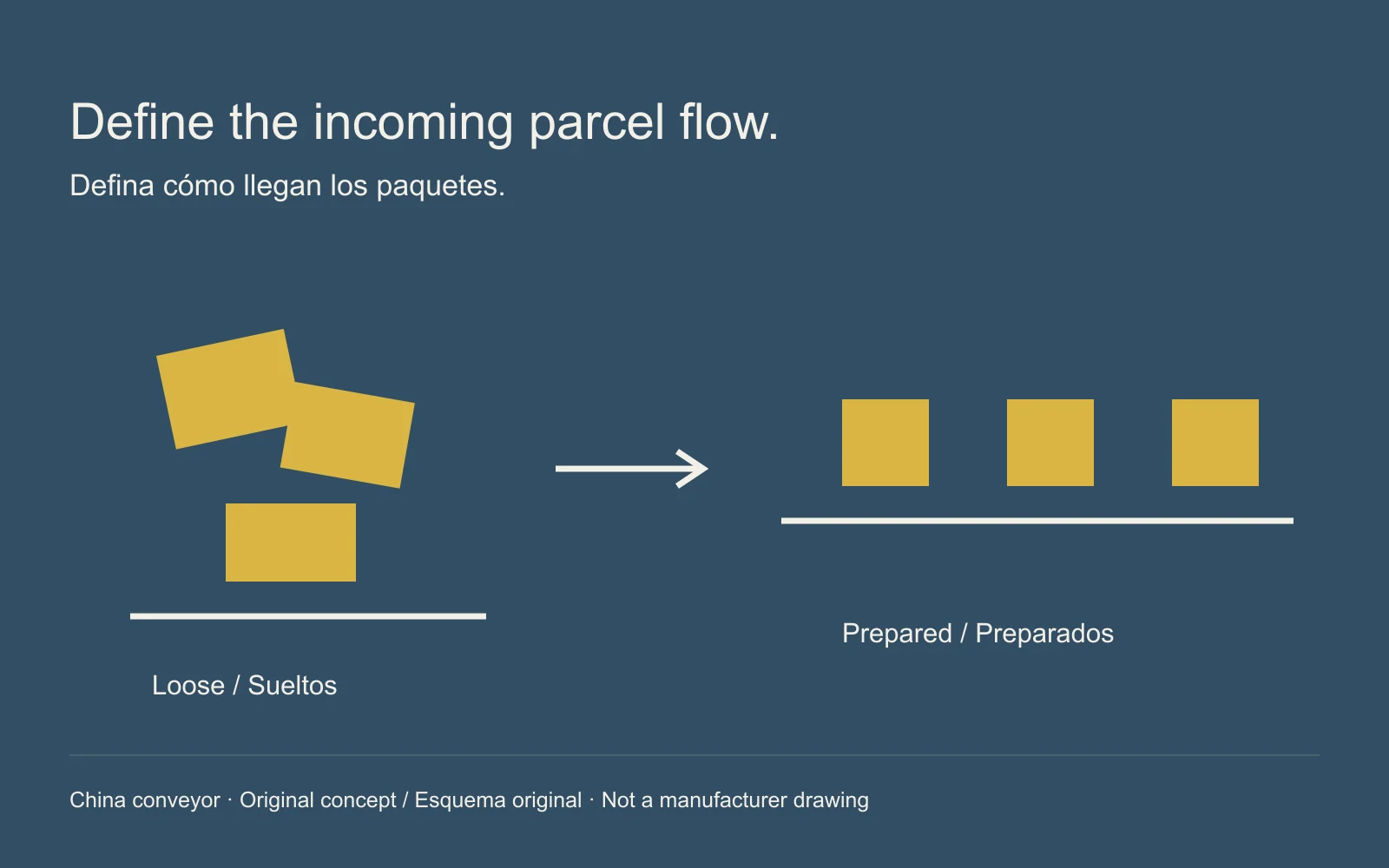
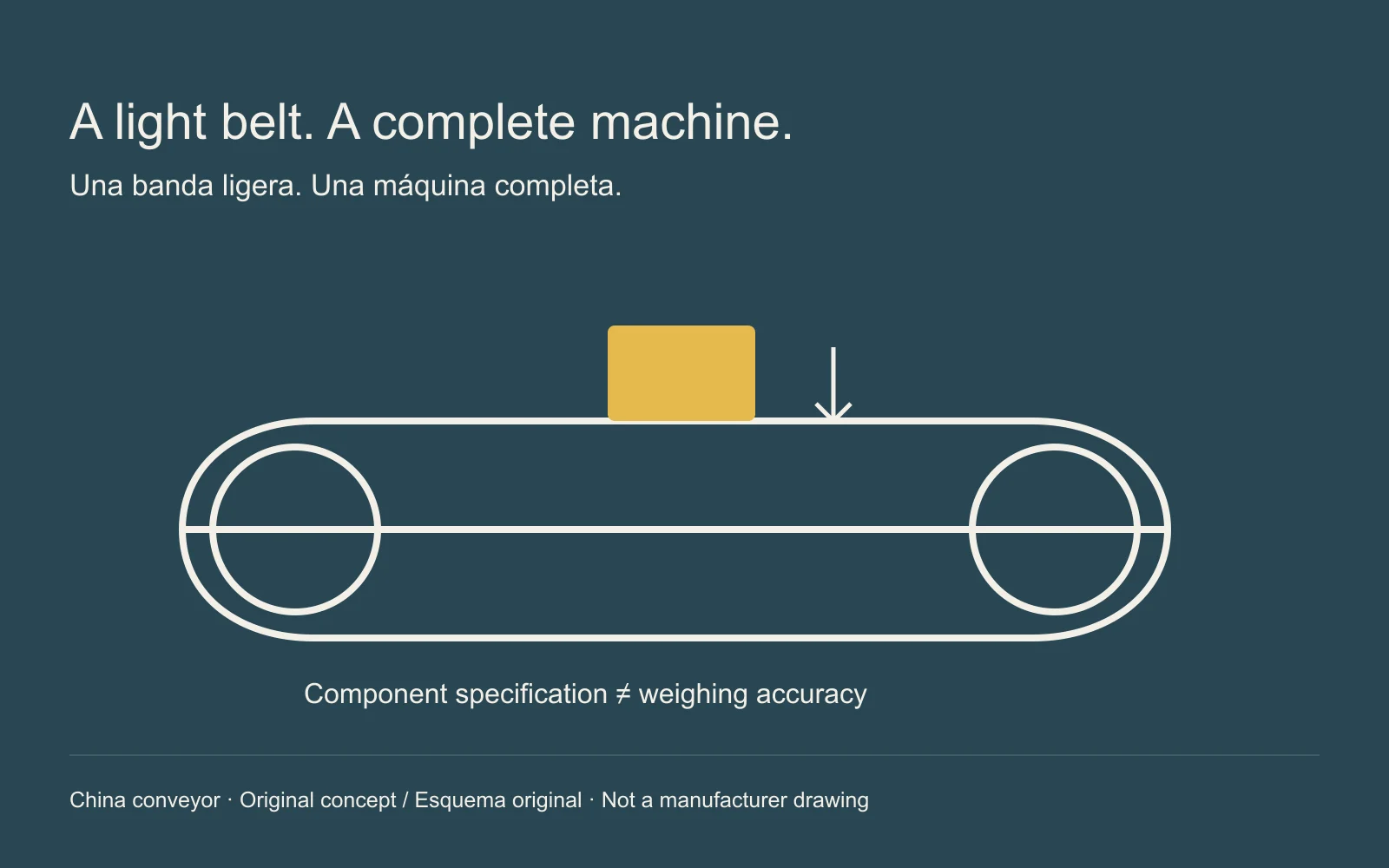
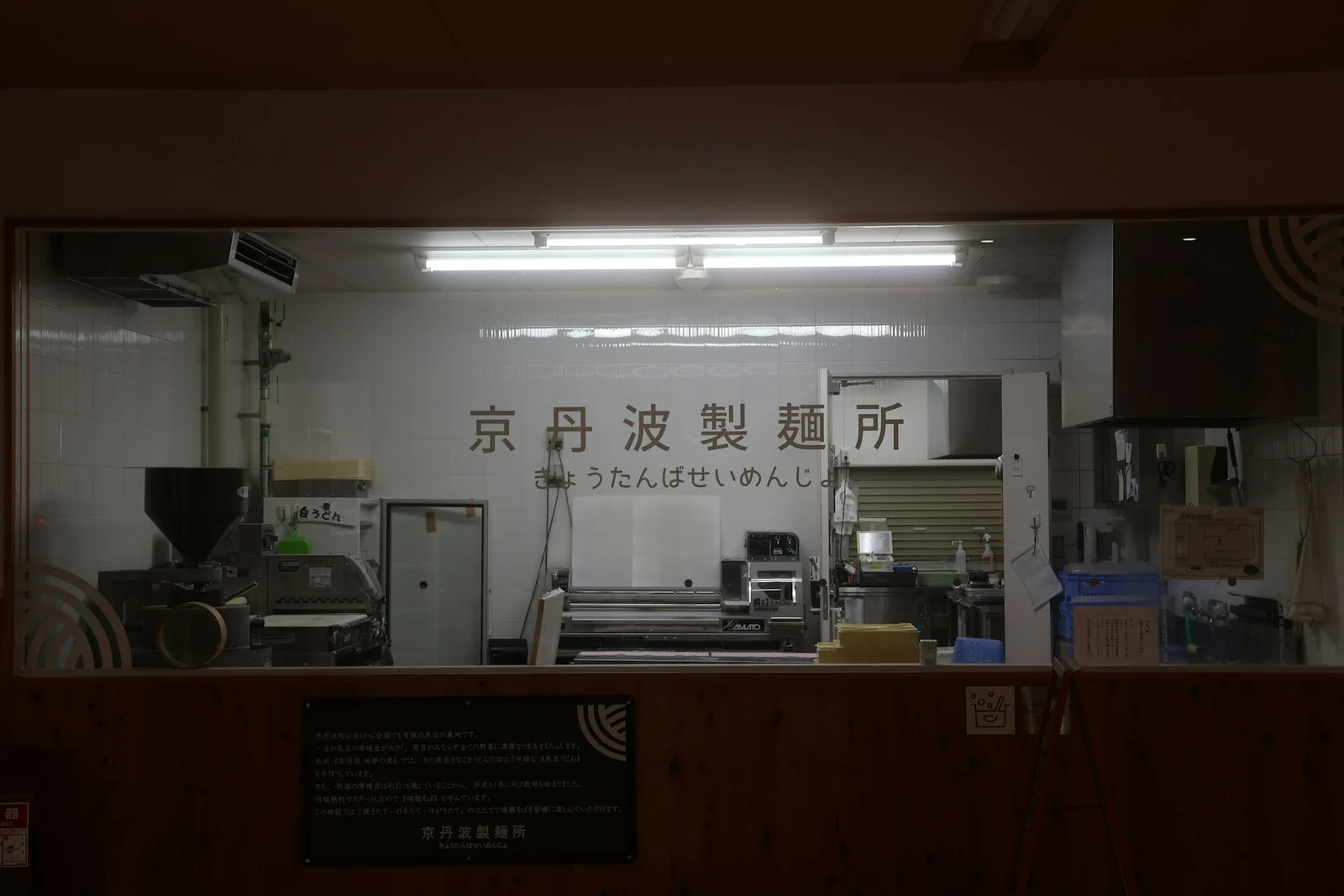
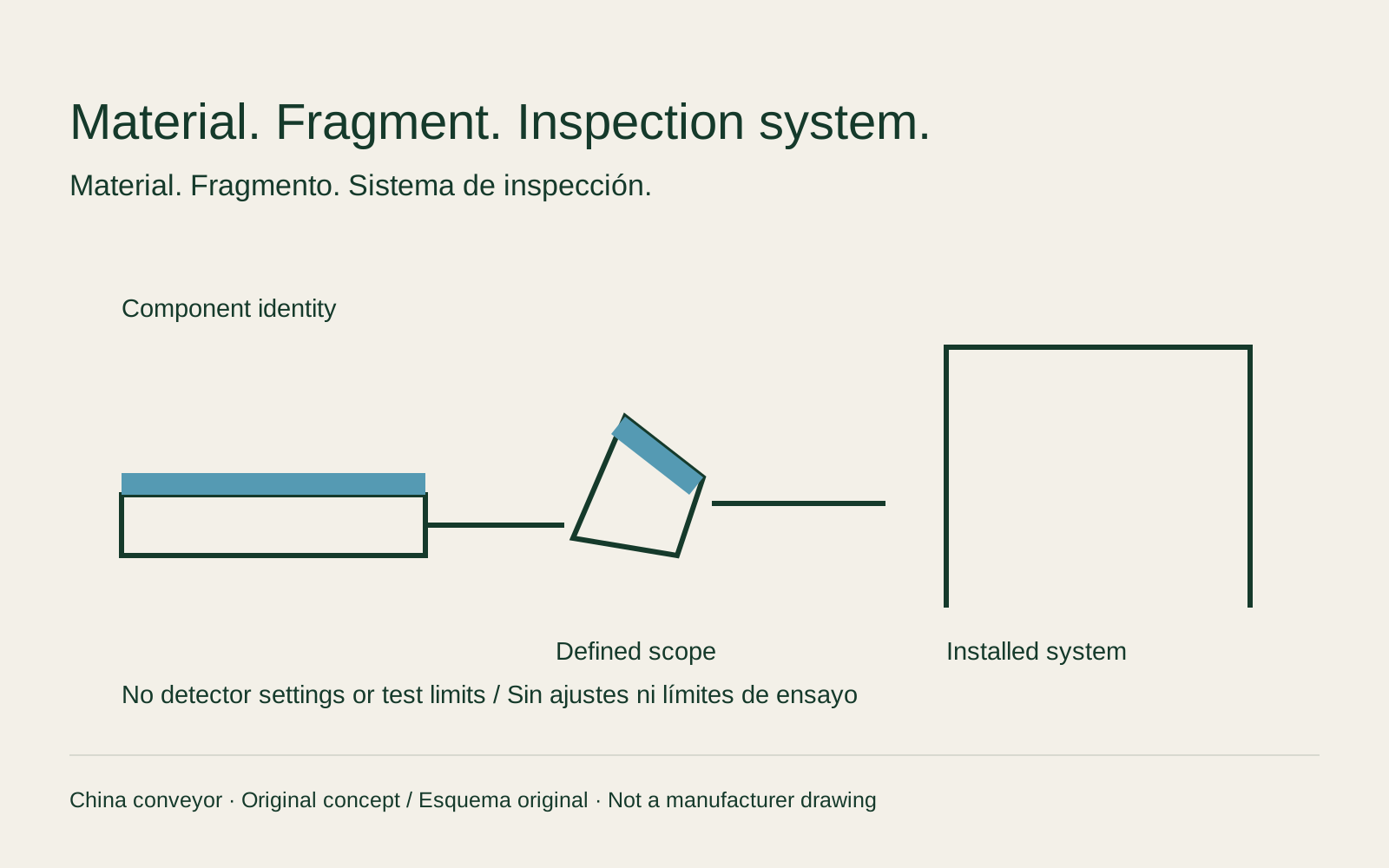
The noodle-factory photograph illustrates food-production equipment in Japan, without identifying a Habasit installation or an inspection result. The original concept drawing links material identity, fragment scope and system review without depicting a detector test.
Manufacturer announcements and our analysis are distinguished. Product claims require verification for the specific application.
Sources
Habasit — Metal and X-ray detectable portfolio brochure announcement ↗Undated primary announcement describing the portfolio. No launch date, universal detectability or independent validation is inferred.
Habasit — Metal and X-ray Detectable Portfolio ↗Primary brochure, especially pages 2–3: complementary role, TPU-layer scope, exclusions for fine abrasion dust and textile fibres, and system-dependent conditions.