One application label can cover different constructions
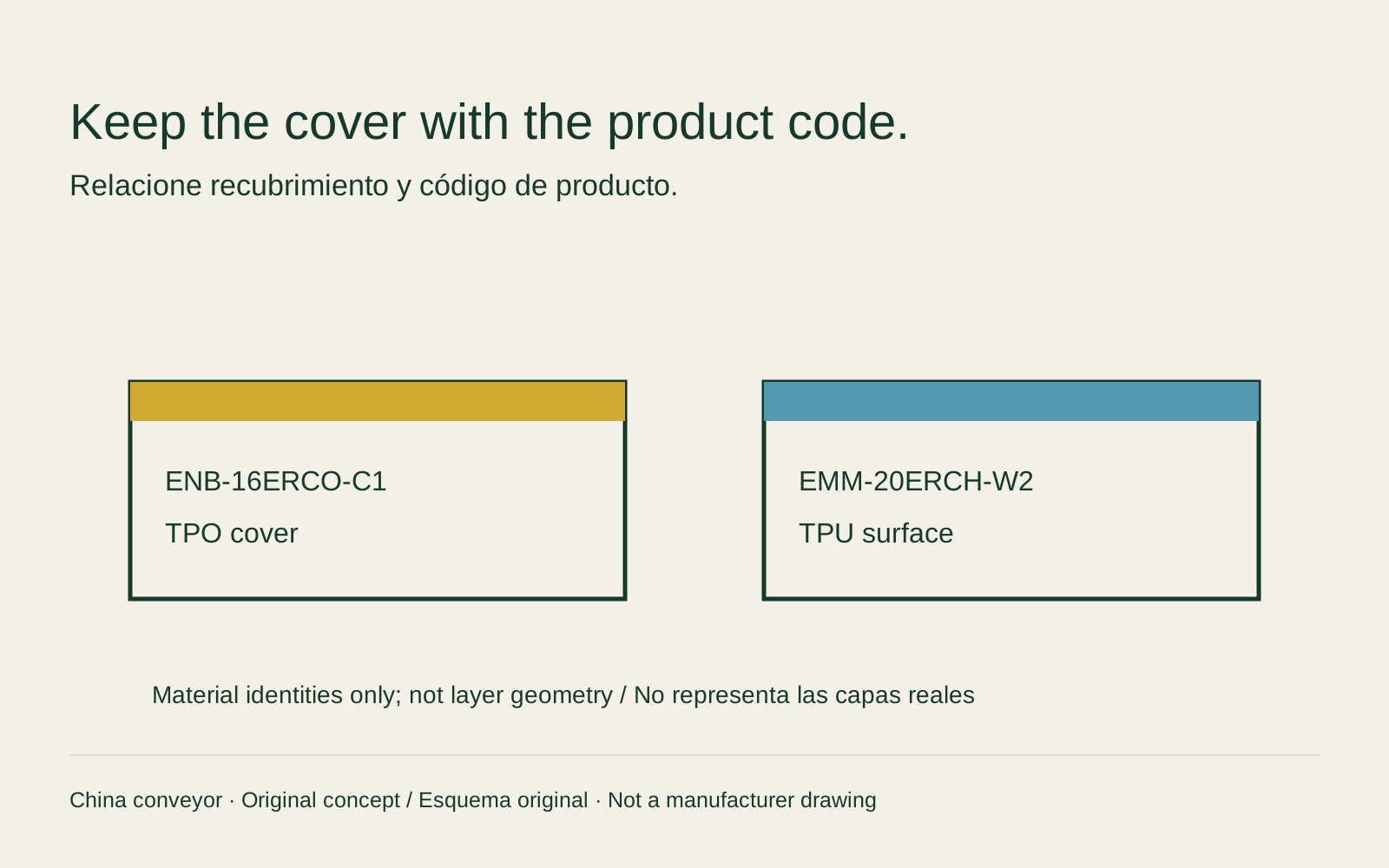
Habasit describes ENB-16ERCO-C1 as a TPO-coated forming belt for wood-based panel production, including MDF, HDF, particleboard and OSB. A separate forming-belt flyer identifies EMM-20ERCH-W2 with a TPU conveying surface. Both documents discuss release properties and named adhesive or resin families. They do not make the two product references interchangeable.
This is a review of available product information, not a new launch announcement. The ENB introduction reviewed here has no visible publication date. The comparison concerns what a buyer should retain from two documents, without ranking one belt as the better choice for every forming line.
A request for a forming belt can otherwise lose the cover-material distinction before an offer reaches the plant's technical team. Keep the full reference, the construction and the intended conveyor position on the same enquiry.
Name the exposure instead of copying the broad claim
The material being formed and the process used at that position belong in the specification. Describe the actual adhesive or resin exposure, relevant operating conditions and cleaning products for the suppliers' review. A manufacturer's statement naming a resin family should not be expanded into approval for every formulation or operating condition within it.
Separate the document for the selected reference from literature about the wider product range. If a supplier proposes a different belt, ask it to identify the offered construction and the basis for reviewing the intended application. A similar role in the line is not itself a technical substitution approval.
Record which side of the belt performs each function and which details of the existing equipment must be preserved. The responsible suppliers should identify the required joint, geometry and fabrication details; this article does not prescribe a replacement tension, cleaning method or resin process.
If the intended process changes after quotation, return that change for review. An earlier compatibility discussion should remain linked to the conditions it actually covered.
Turn release performance into an agreed observation
A useful proposal says what the supplier expects to demonstrate and under which material and operating conditions. Agree how the relevant teams will observe belt-surface condition, product transfer and any effect on the following process. Keep manufacturer descriptions of cleaner operation separate from a measured result at the buyer's plant.
For spare parts, retain the accepted product reference and finishing details, with the relevant data sheet and the application review. This makes later enquiries more precise than a stores label saying wood belt. It also leaves a record of who approved a change and why.
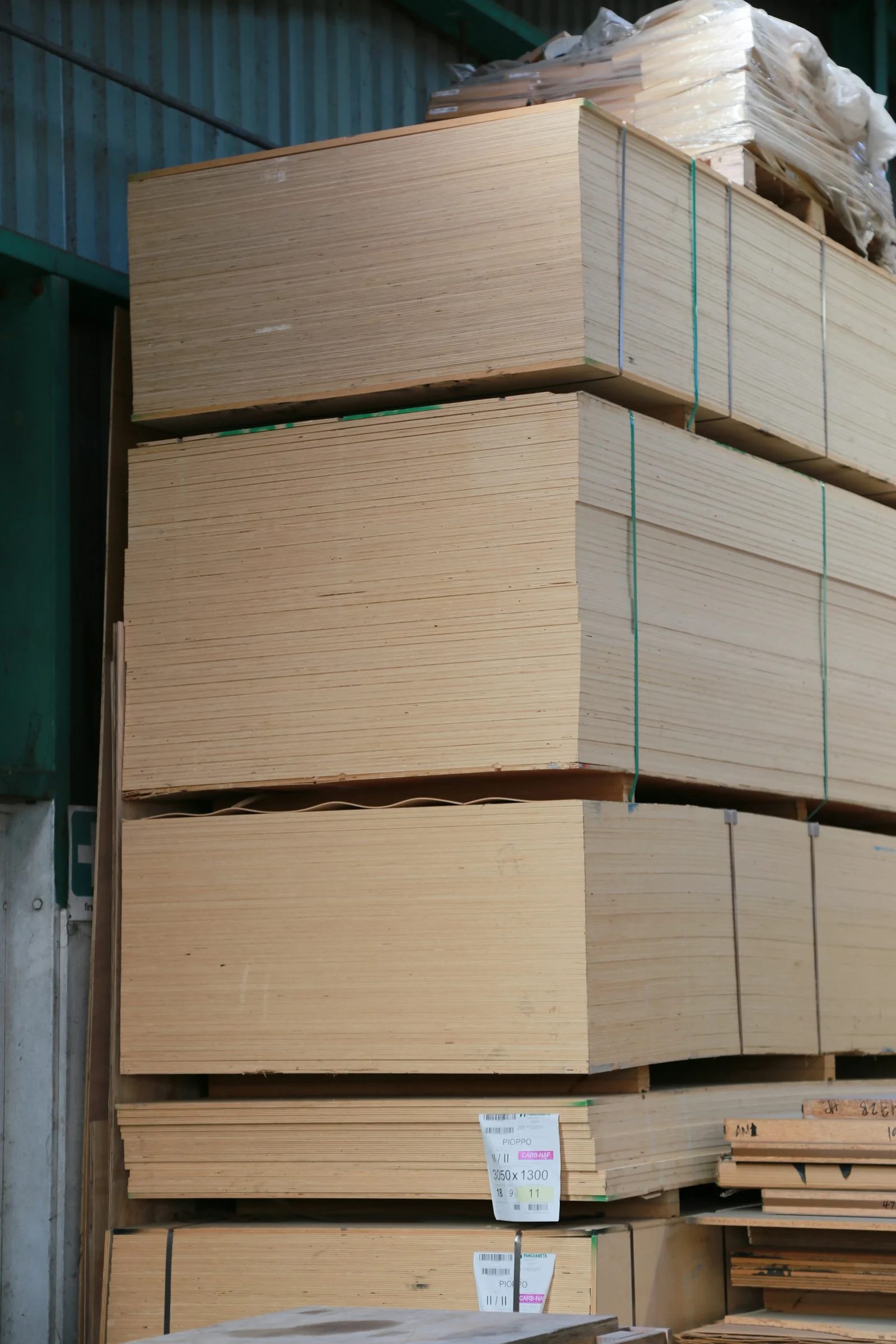
The wood-panel warehouse photograph provides industry context in Auckland. It does not show either Habasit belt or establish how the photographed plywood was manufactured. The original illustration distinguishes cover material and equipment identity without representing a manufacturer's layer geometry or a comparative performance test.
Manufacturer announcements and our analysis are distinguished. Product claims require verification for the specific application.
Sources
Habasit — ENB-16ERCO-C1 for wood-based panel production ↗Undated primary introduction identifies the TPO cover and applications. Named adhesive-family claims are not expanded into universal compatibility.
Habasit — EMM-20ERCH-W2 forming-belt flyer ↗Primary flyer identifies the distinct product reference and TPU conveying surface. Its application and performance claims do not approve interchangeability with ENB-16ERCO-C1.