The component is part of the weighing process
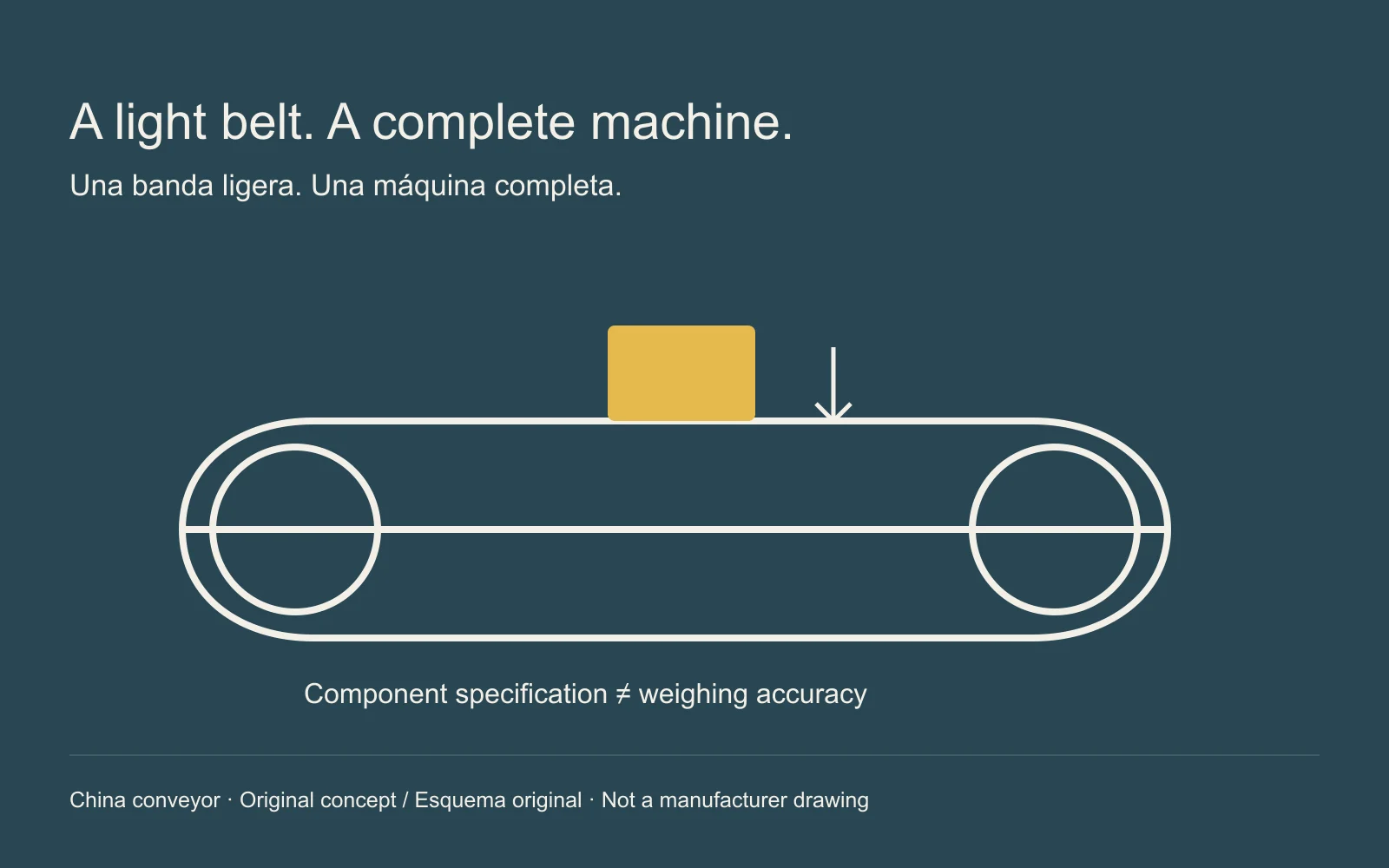
Habasit presents FNI-3EIW as a single-ply fabric belt for food checkweighing and packaging. Its data sheet, released on 14 October 2026 in the version reviewed here, lists a thickness of 0.50 mm and a belt mass of 0.30 kg per square metre. Those are component specifications, not a statement of the accuracy of a complete checkweigher.
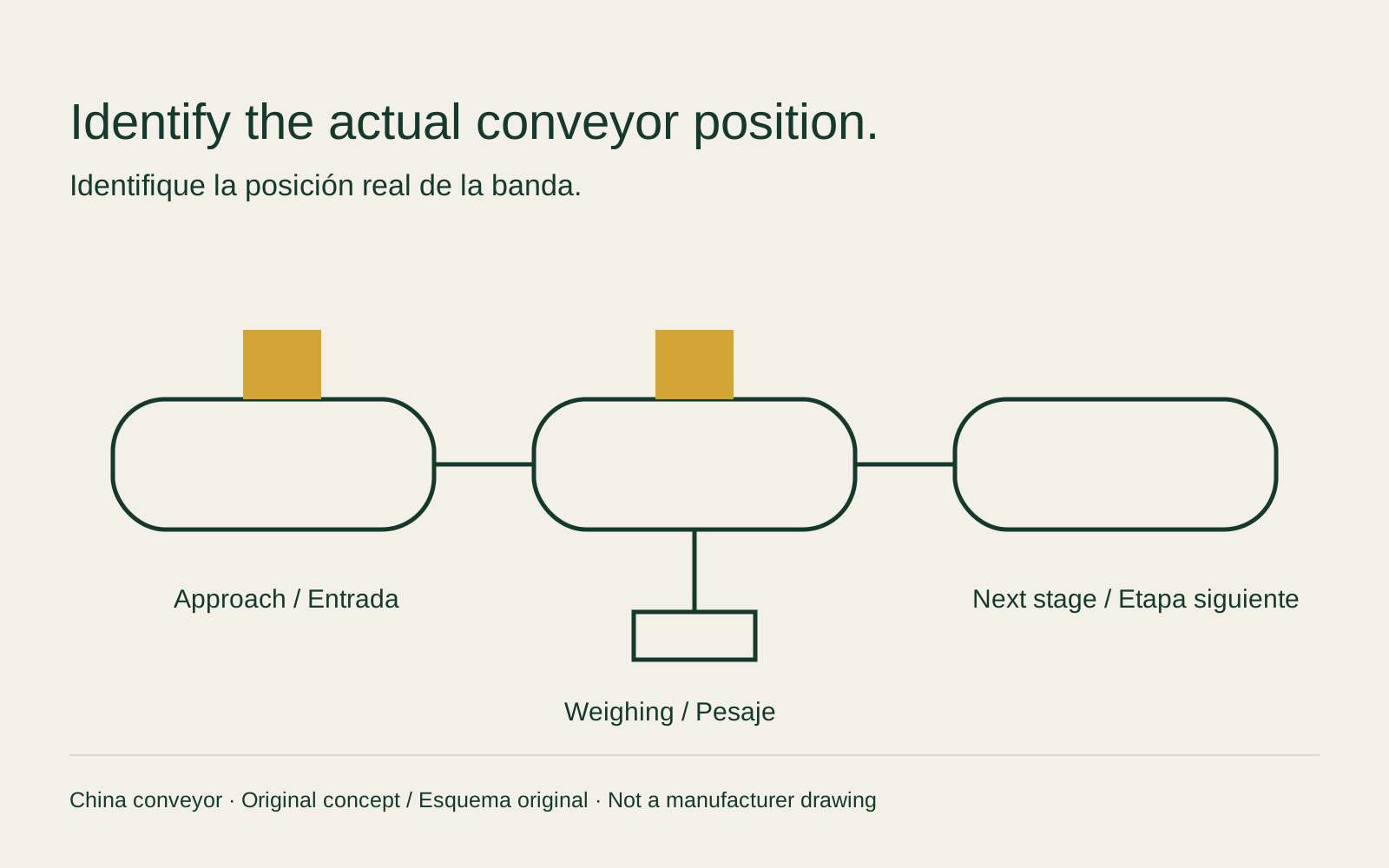
That distinction matters when stores are asked to source a replacement. An enquiry that records only length, width and a white surface leaves out the installed machine and the function performed by that belt. Identify whether the position is the weighing conveyor, an approach conveyor or a separate product-rejection stage. Keep the machine reference with the part request.
The product announcement is undated on the page we reviewed. We therefore describe an available product and its current published sheet, without assigning a new November launch date.
Read the two belt faces and the joint together
The published construction uses impregnated polyester fabric on both faces. Habasit lists weighing among the applications and names Flexproof 10 x 80 as the master joining method for standard applications. The same sheet has separate entries for pulley and knife-edge geometry. Read those entries in their stated context; one minimum dimension should not be copied into every position on a machine.
For a replacement quotation, record the original belt reference, finished dimensions, requested joint and conveyor position. If the installed joint differs from the proposed supply, ask the belt fabricator and machine supplier to resolve the difference before ordering. A familiar product code does not record every finishing detail.
Include a description of the product and the actual sequence. Is it carried onward after weighing, or does it transfer to another belt before rejection? Ask the machine supplier to identify the acceptance checks it requires after replacement. This article does not prescribe belt tension, calibration or a weighing tolerance.
Food suitability comes with its documentation
The data sheet directs buyers to the manufacturer's Document of Compliance for EU and FDA conformance. Obtain the document applicable to the supplied material and intended use, together with the belt identification and fabrication record. A statement in a short product description should not become the entire purchase specification.
Describe food-contact conditions, cleaning exposure and operating conditions in the enquiry, so the responsible suppliers can review them. Do not infer fire resistance from the word antistatic: the reviewed sheet separately states that this product has no specific flammability-prevention property.
A useful handover leaves the buyer with the component identity, joint details, relevant compliance documentation and the machine supplier's agreed checks. It also identifies the point at which a later change of product, cleaning regime or belt fabrication needs another review.
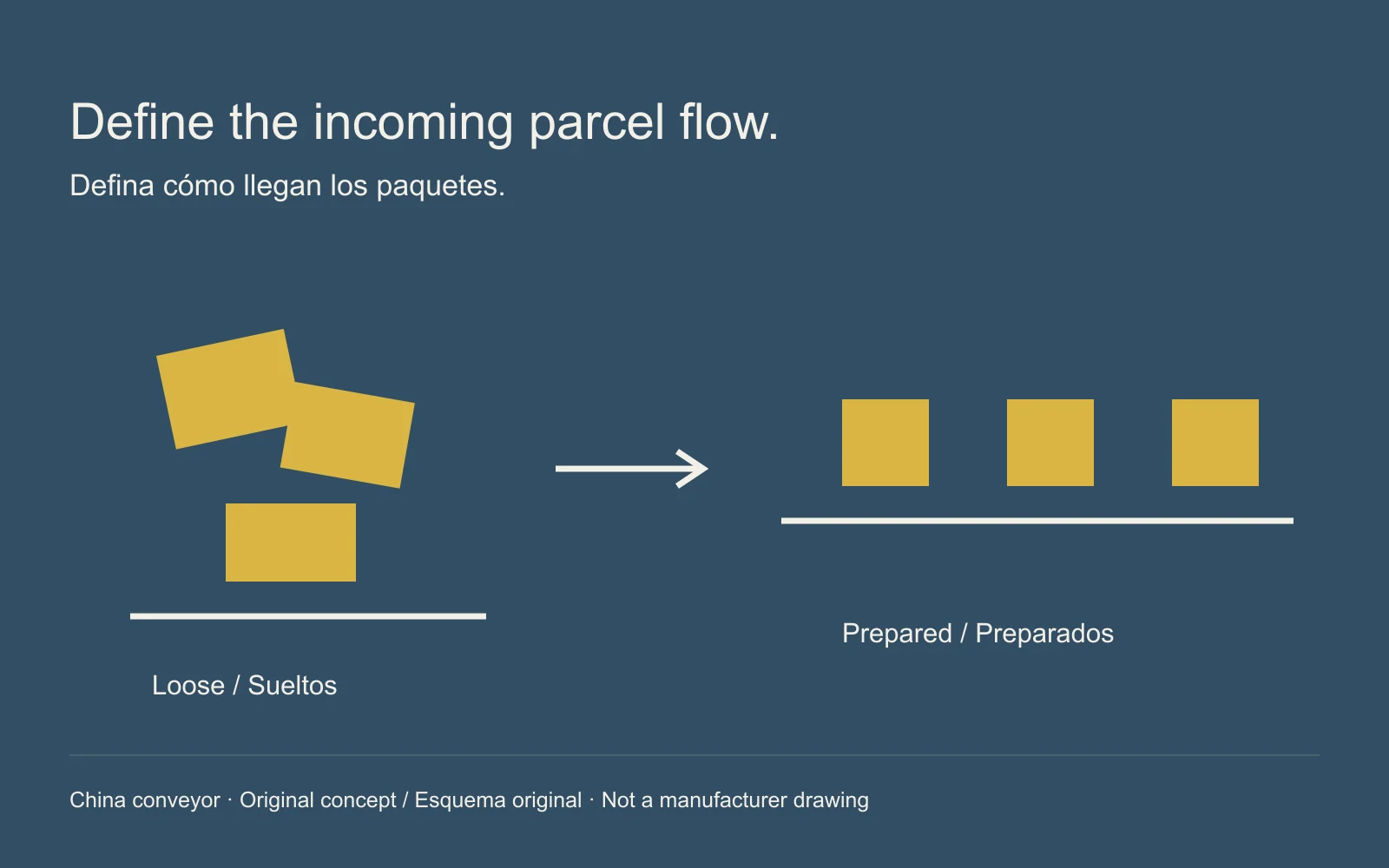
The original illustrations show a thin-belt concept and the functional positions around a checkweigher. They are not Habasit drawings, scale representations or proof of measurement accuracy.
Manufacturer announcements and our analysis are distinguished. Product claims require verification for the specific application.
Sources
Habasit — FNI-3EIW for weighing and packaging ↗Undated primary product introduction. Its application and performance language is attributed to Habasit; no launch date or complete-machine accuracy is inferred.
Habasit — FNI-3EIW product data sheet, reviewed release 14 October 2026 ↗Primary technical sheet: construction, thickness, mass, joining references, compliance-document requirement and distinct flammability entry. Check the current supplied revision.