Tubular Drag Conveyors: The Return Leg Belongs in the Layout ↗
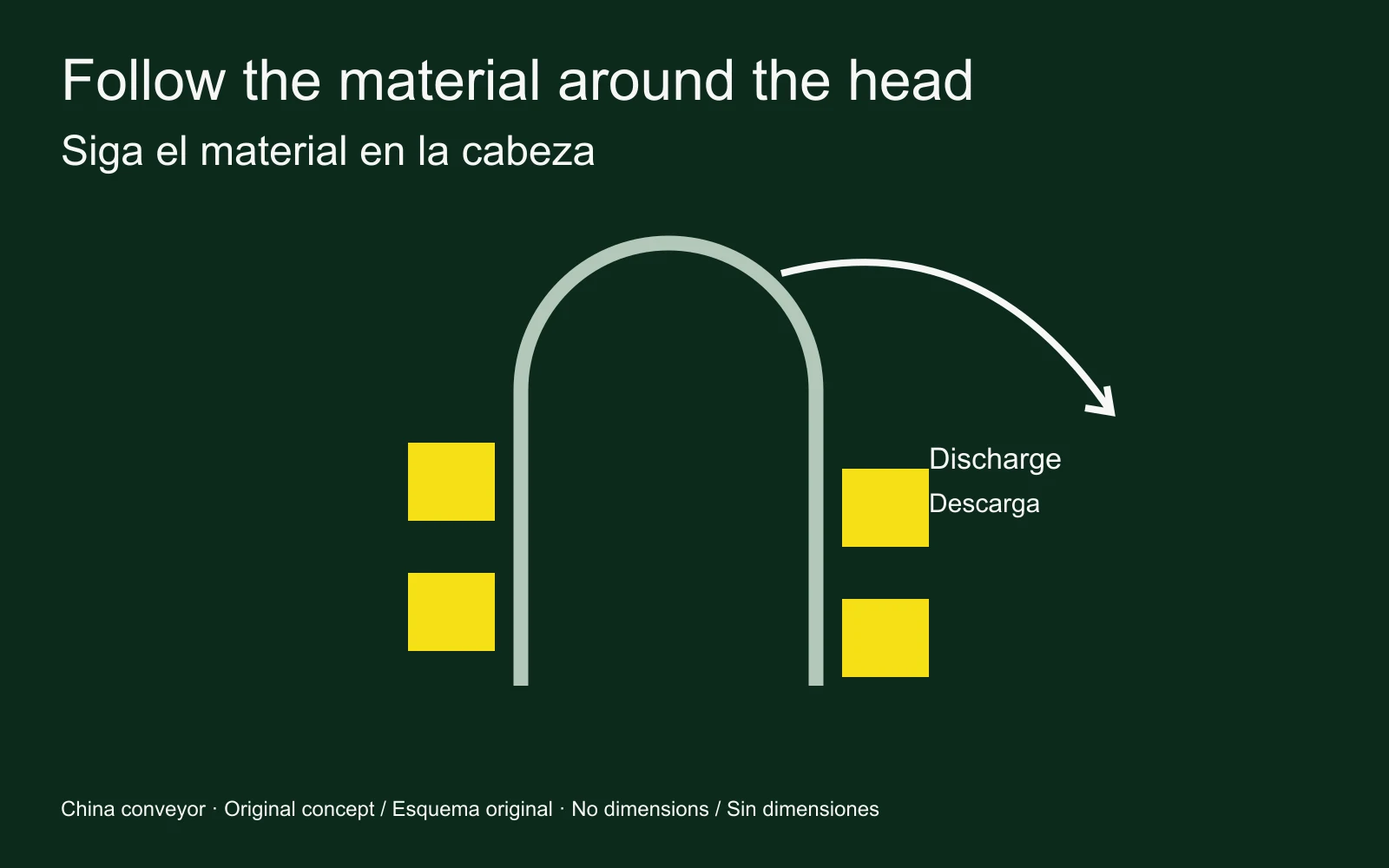
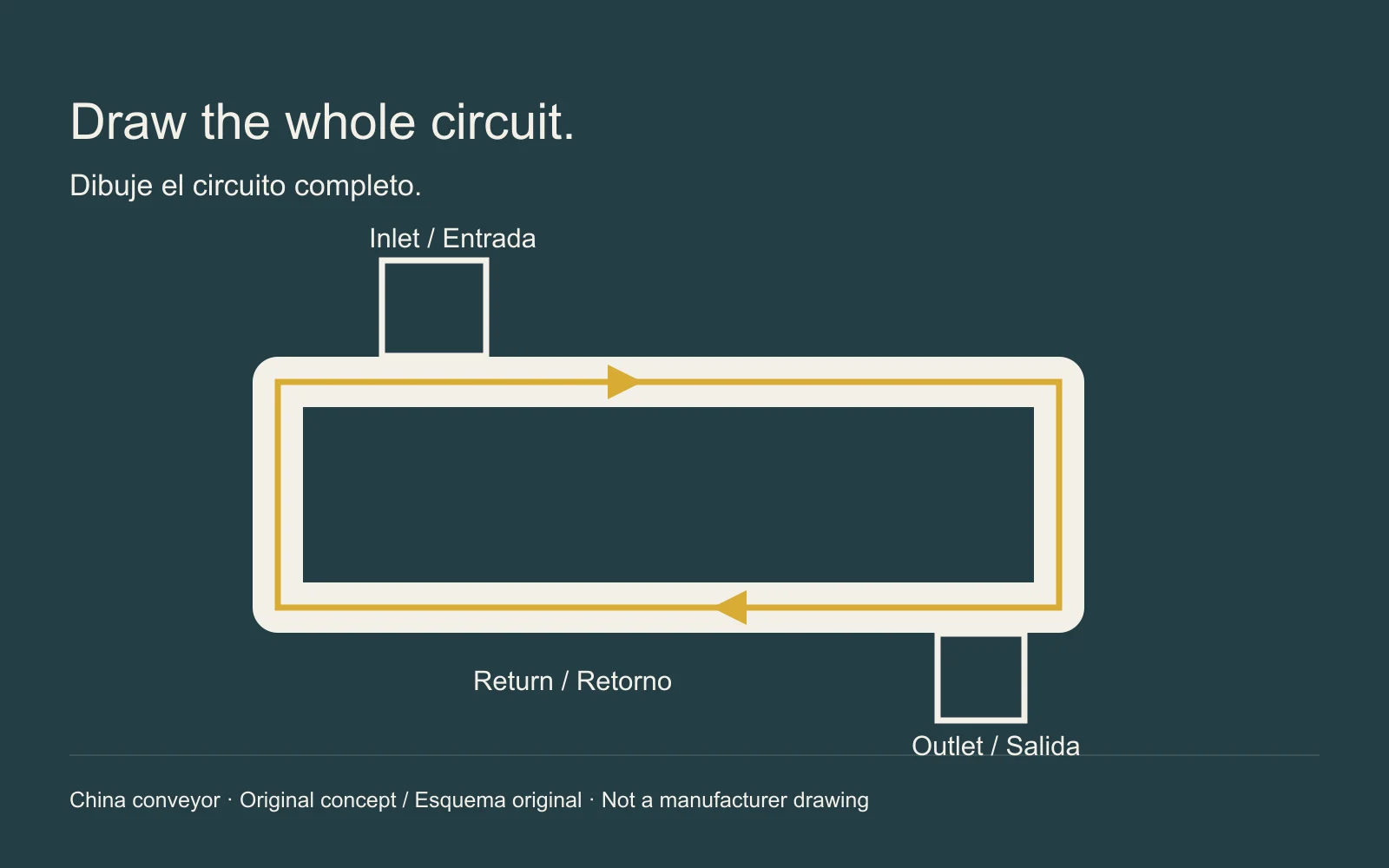
An inlet-to-outlet line is only part of a tubular drag conveyor circuit. Include the return route, corners and service scope when comparing enclosed conveying offers.
Distinguish the conveyor working chain from a transmission chain. Follow condition-assessment methods and the information needed to identify an installed chain correctly.
9 articles in this collection
An inlet-to-outlet line is only part of a tubular drag conveyor circuit. Include the return route, corners and service scope when comparing enclosed conveying offers.
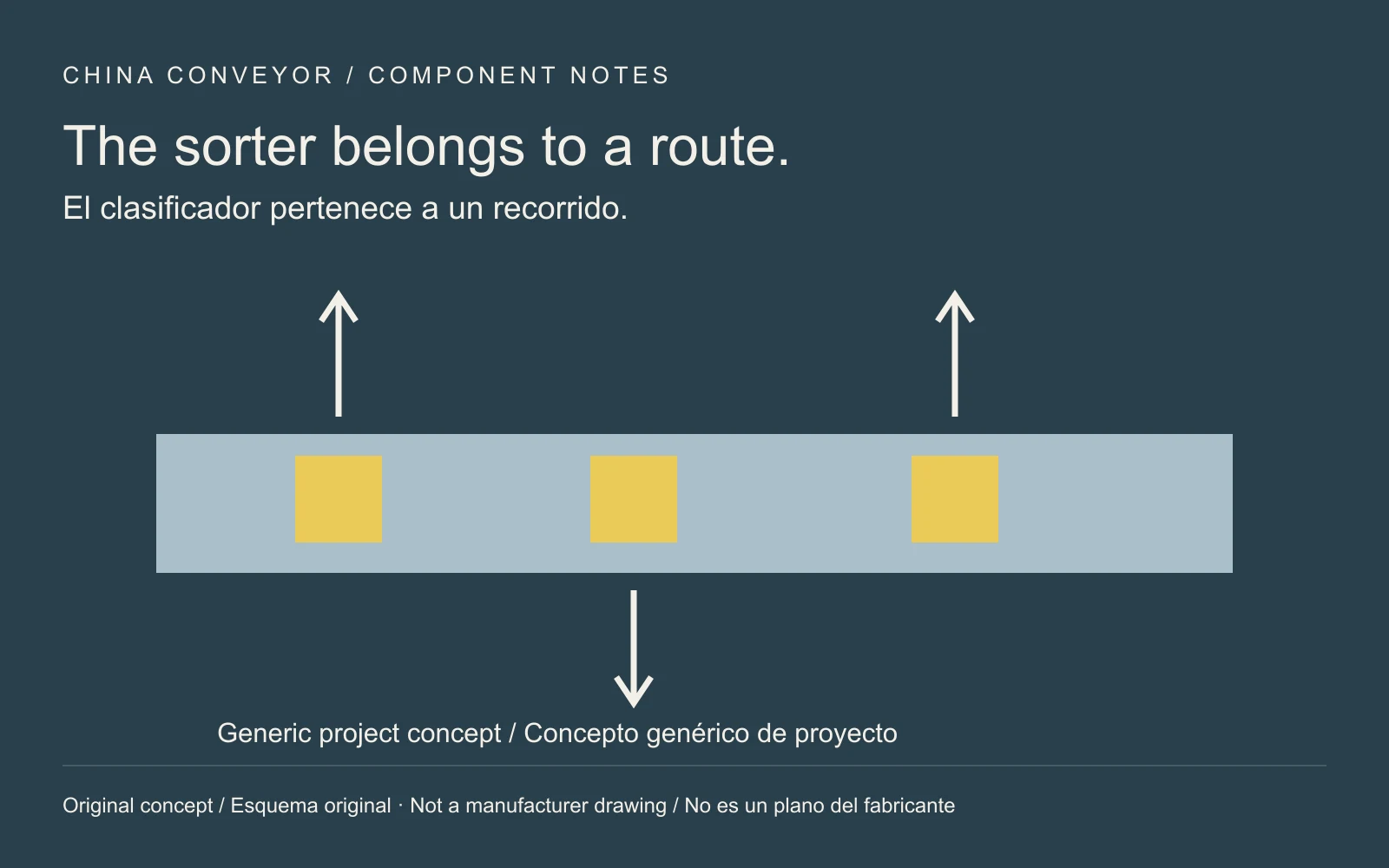
Interroll's May 2026 MC-S discussion focuses on compact regional sortation. Read the published product envelope alongside the complete induction and destination plan.
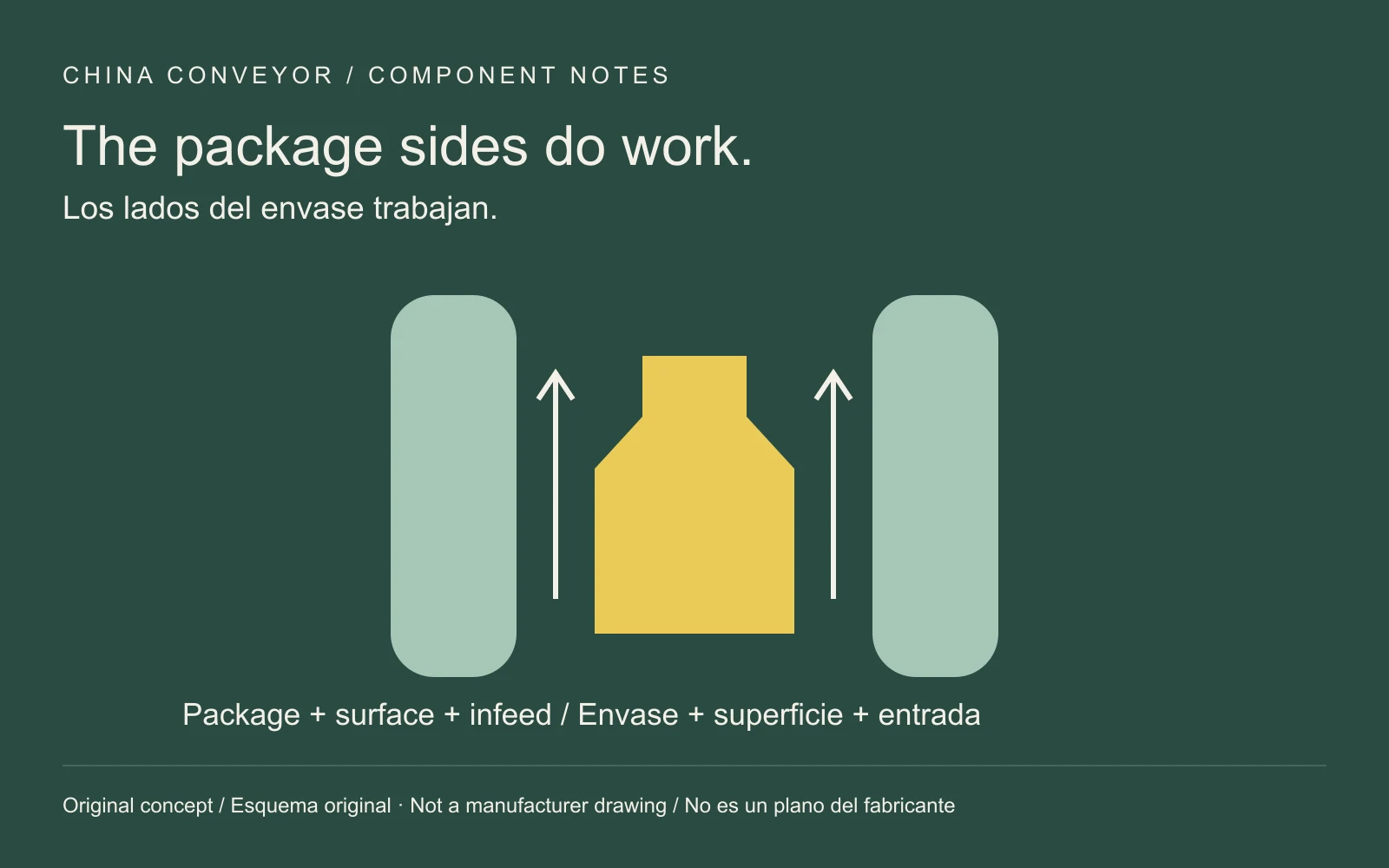
Vertical lifting by opposing chains makes package condition part of the application. Review the sidewalls, surface state and infeed with representative samples.
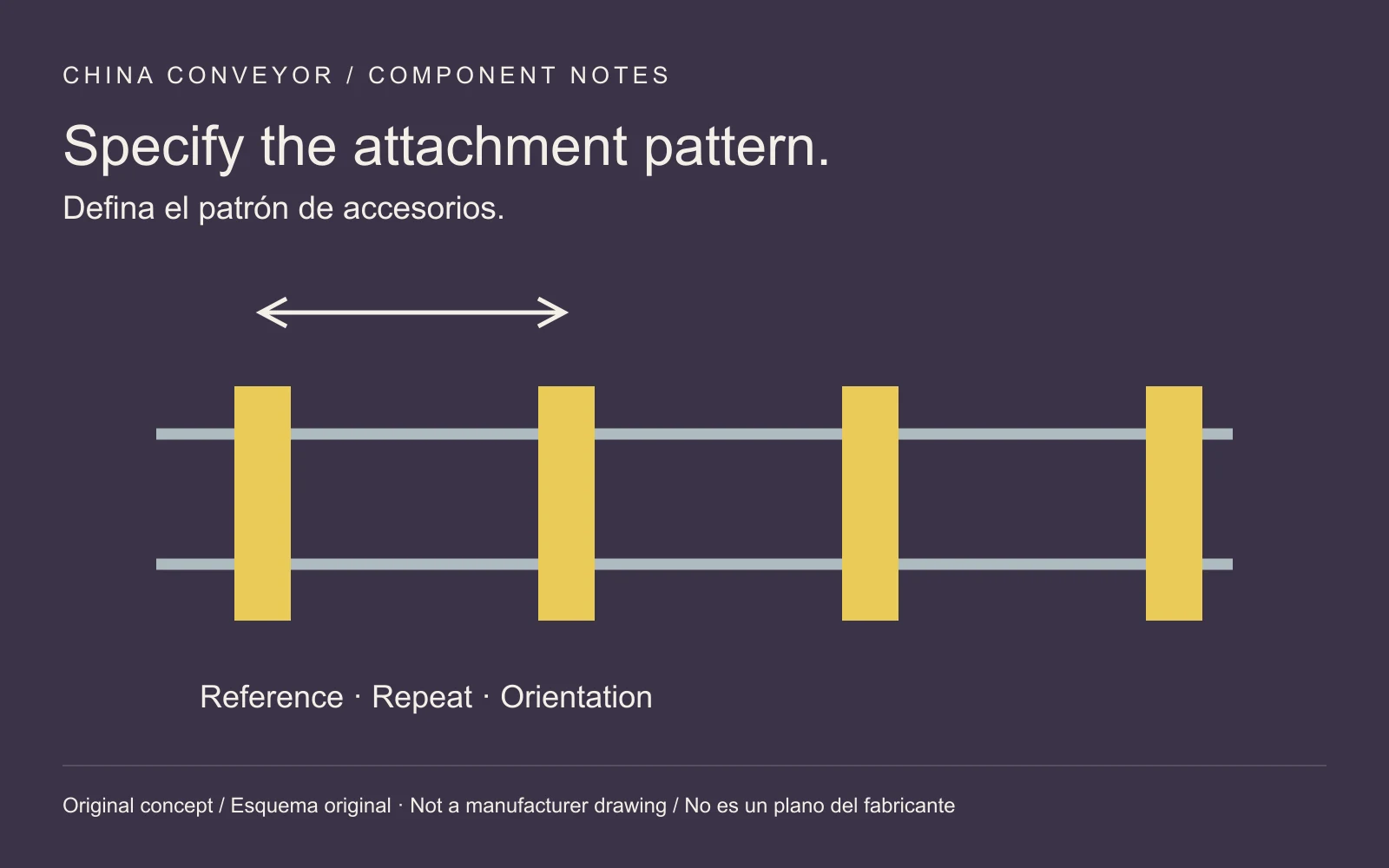
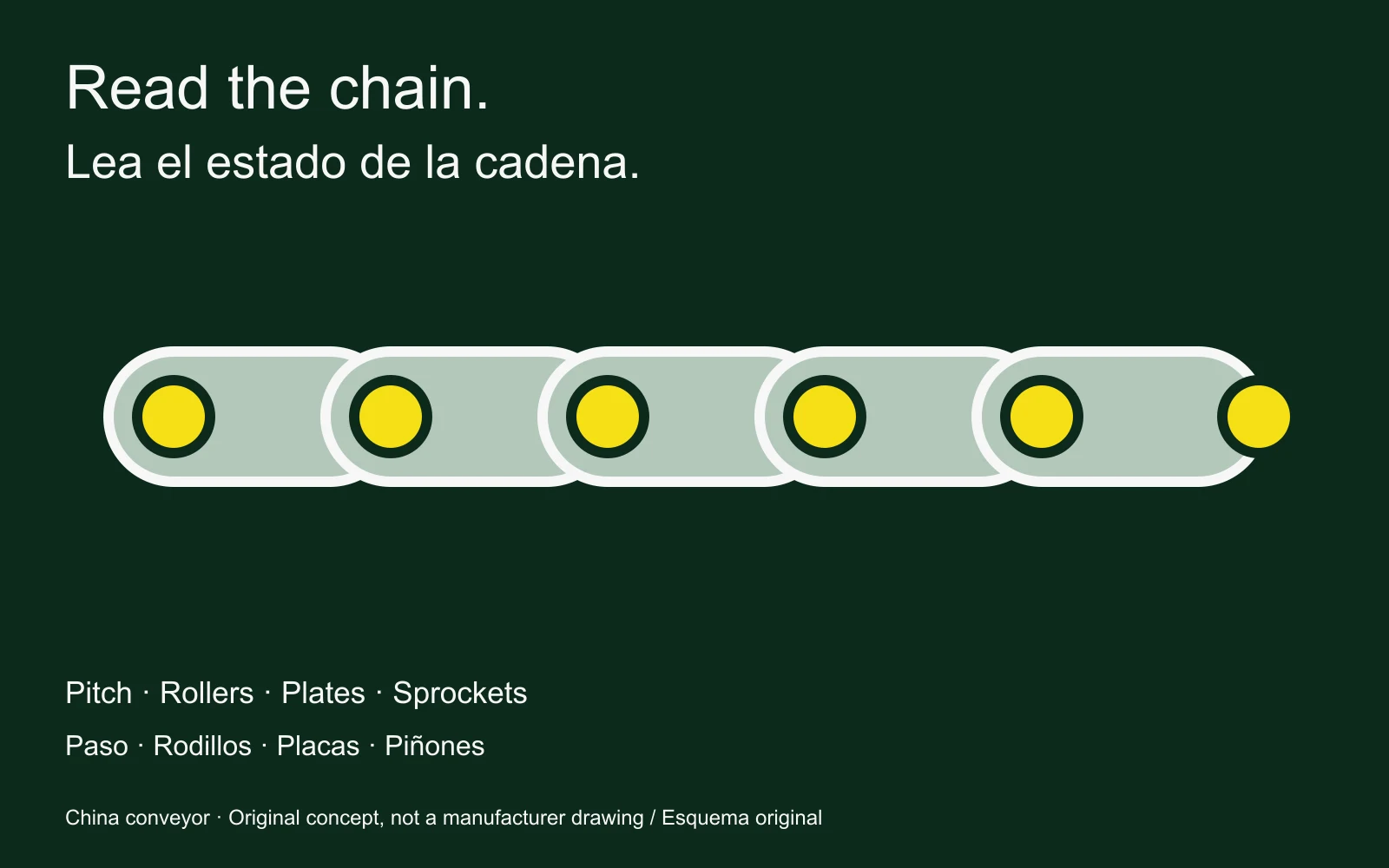
Attachment position, orientation and parallel-strand matching belong in a conveyor chain replacement enquiry. Pitch alone does not describe the working assembly.
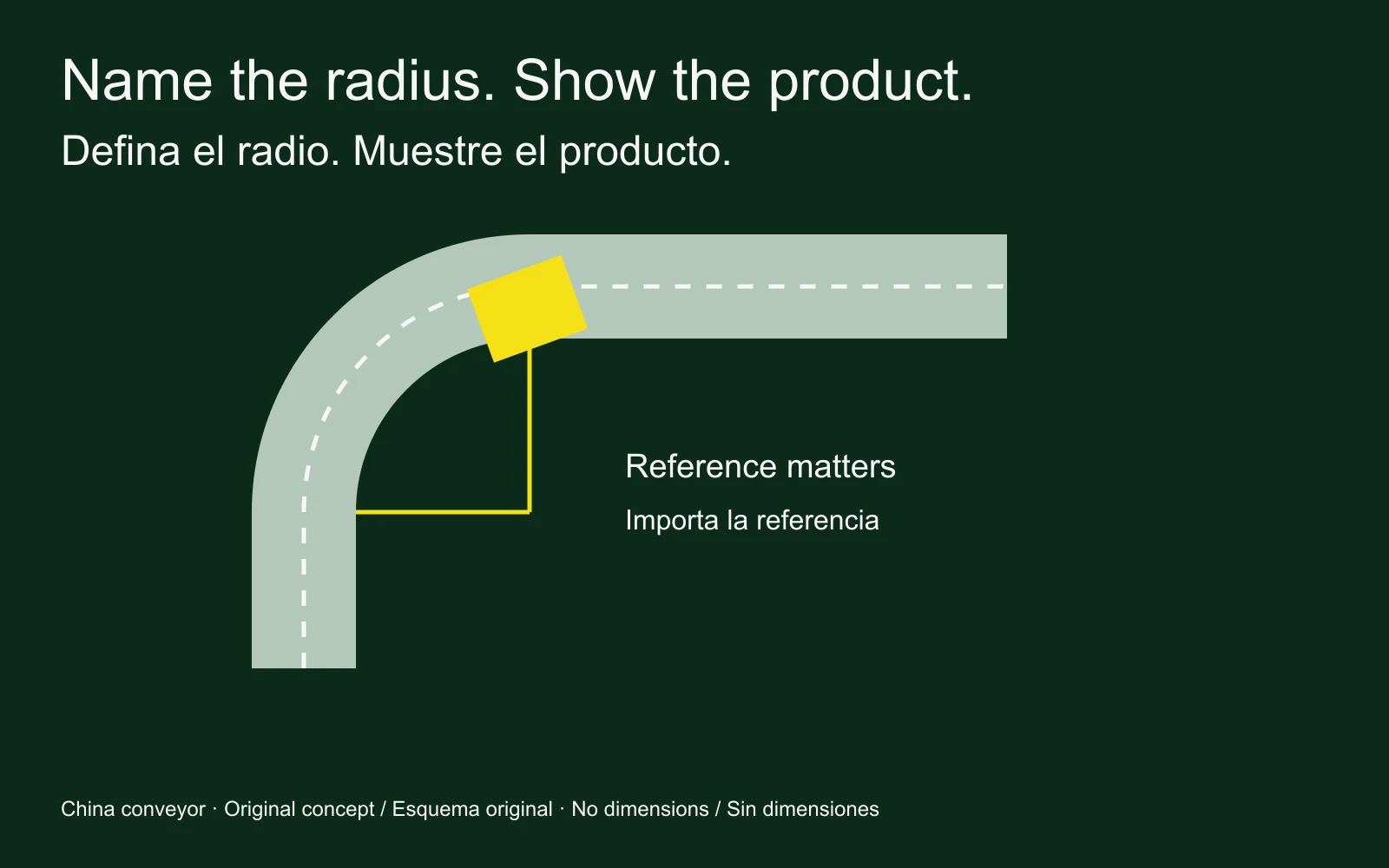
A curve angle does not define its footprint. Name the radius reference, belt width, entry sections and product envelope before comparing curved conveyors.
A replacement elevator bucket is part of a discharge system. Review its profile, arrangement and material duty before treating matching holes as interchangeability.
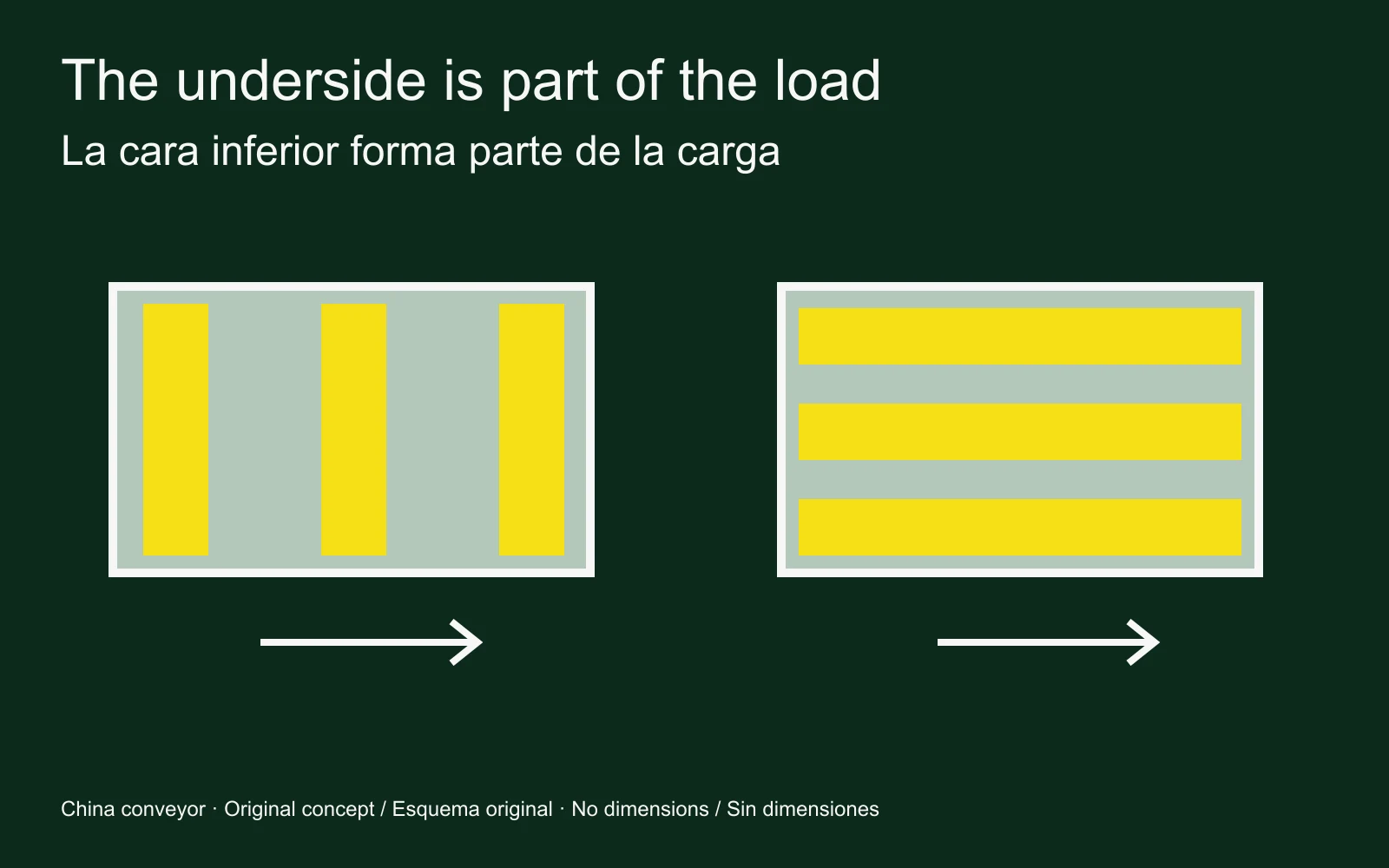
A pallet footprint and weight are not enough. Record bottom-board orientation, support surfaces and transfer conditions before comparing pallet conveyors.
Take-up adjustment cannot describe the whole chain. Separate pitch elongation, roller wear and sprocket condition before deciding what to replace.
Renold's phone-based assessment and a Tsubaki field report show two different ways of approaching chain condition. Their scopes matter.