Two signals from the chain industry
The chain sector offers an interesting comparison between portable assessment and field service. Renold's published app description presents audio analysis for a roller-chain drive and explicitly describes its results as indicative. Separately, a July 2026 Tsubaki report describes an assessment of an ash-conveyor drive chain. These are independent examples from different suppliers, not a joint project or a claim that one method validates the other.
For conveyor buyers, the useful story is the range of ways a maintenance concern can enter the service process. An operator may want a preliminary indication, while a site engineer may need an investigation tied to the actual equipment and duty. Neither objective should be hidden under a general smart-chain label. Our analysis is that the first purchasing task is defining the asset and the decision to be supported. A drive chain, an attachment chain carrying products and a bulk conveyor's working chain should not automatically be treated as the same application.
A phone result still has a boundary
A portable tool can be attractive when the alternative is waiting for a specialist to reach the site. Before adopting one, confirm the chain families and operating arrangements for which its supplier intends it. Ask what information the user must provide and how the result is interpreted when the local environment is unsuitable for a valid assessment. A report should retain the machine identity and relevant observations, rather than becoming an unexplained pass label.
The important distinction is between screening and authorization. An indicative result should not independently authorize continued operation of equipment with an unresolved defect. Define who reviews the report and what observations trigger a qualified inspection. Do not approach exposed moving chains or remove guards to obtain a recording. The site's operating and safety arrangements remain the boundary for using any portable assessment tool. These are editorial implementation questions; we are not asserting that a phone application measures every failure mode or replaces the equipment supplier's inspection method.
What the field-service example adds
Tsubaki's July report connects chain condition with the environment in which the drive operates, including contamination and maintenance practice. Its reported findings belong to that particular installation. They are useful here as a reminder to record the operating context when commissioning an investigation, rather than copying the reported corrective actions into a different machine's maintenance plan.
A service request can provide the chain identification, drive arrangement, duty history and a description of the change noticed by the site. Attach earlier inspection records where available. Ask the specialist which examinations are included, which require an outage and what evidence supports the final recommendation. If replacement is advised, request the boundary of the work, including related components that require review. This creates a clear connection between an observation, the assessment performed and the decision made. It is also a better basis for comparing service quotations than asking only how quickly a technician can visit.
A maintenance record that survives the tool
The longer-term opportunity is a record that remains useful even when the assessment tool changes. Keep preliminary reports, field findings and completed work linked to the same asset. Record the operating condition and date so a later reviewer can distinguish a genuine change from an assessment taken under different circumstances. Decide who closes the action after a recommendation, rather than assuming a report itself completes the maintenance task.
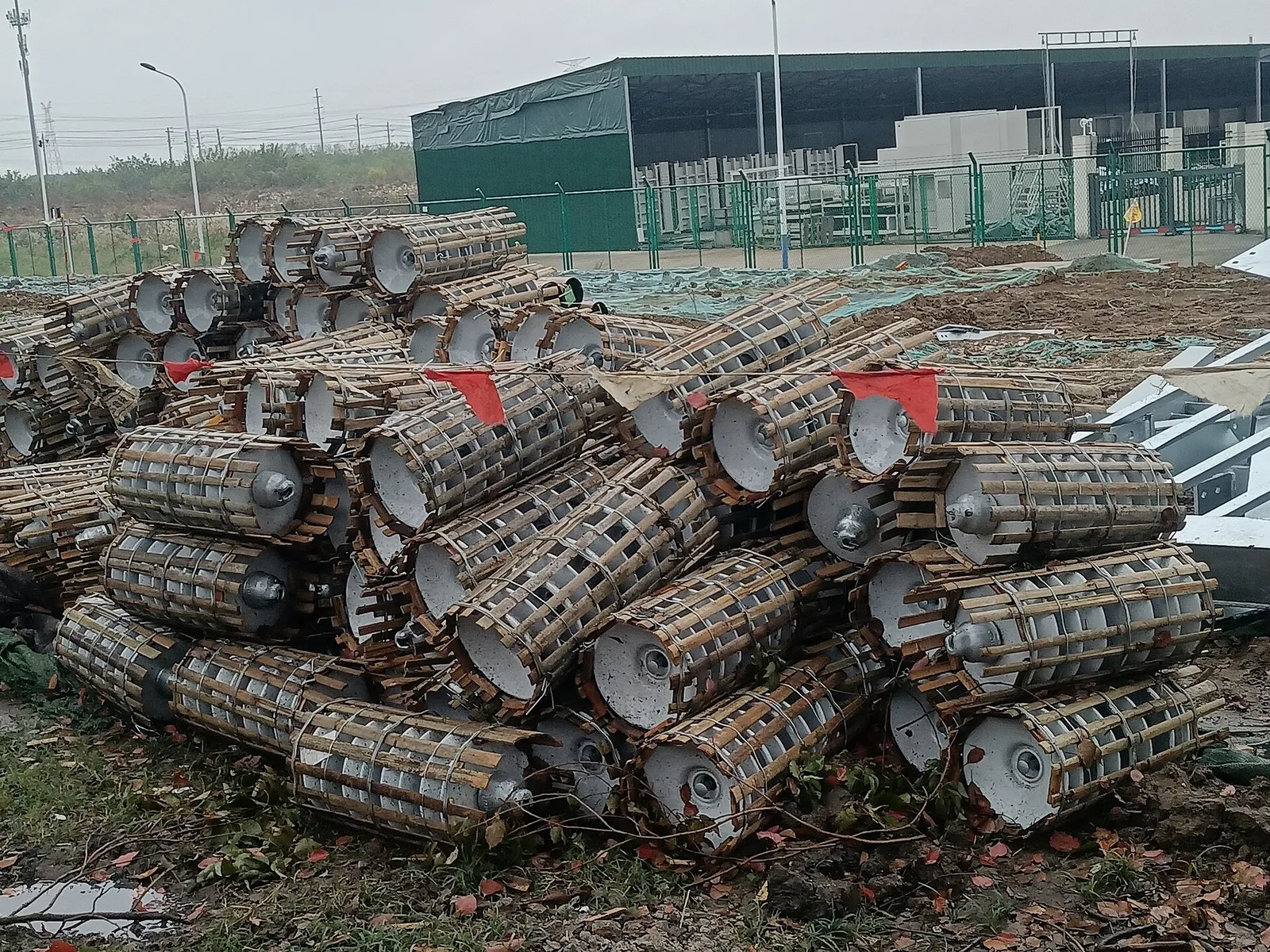
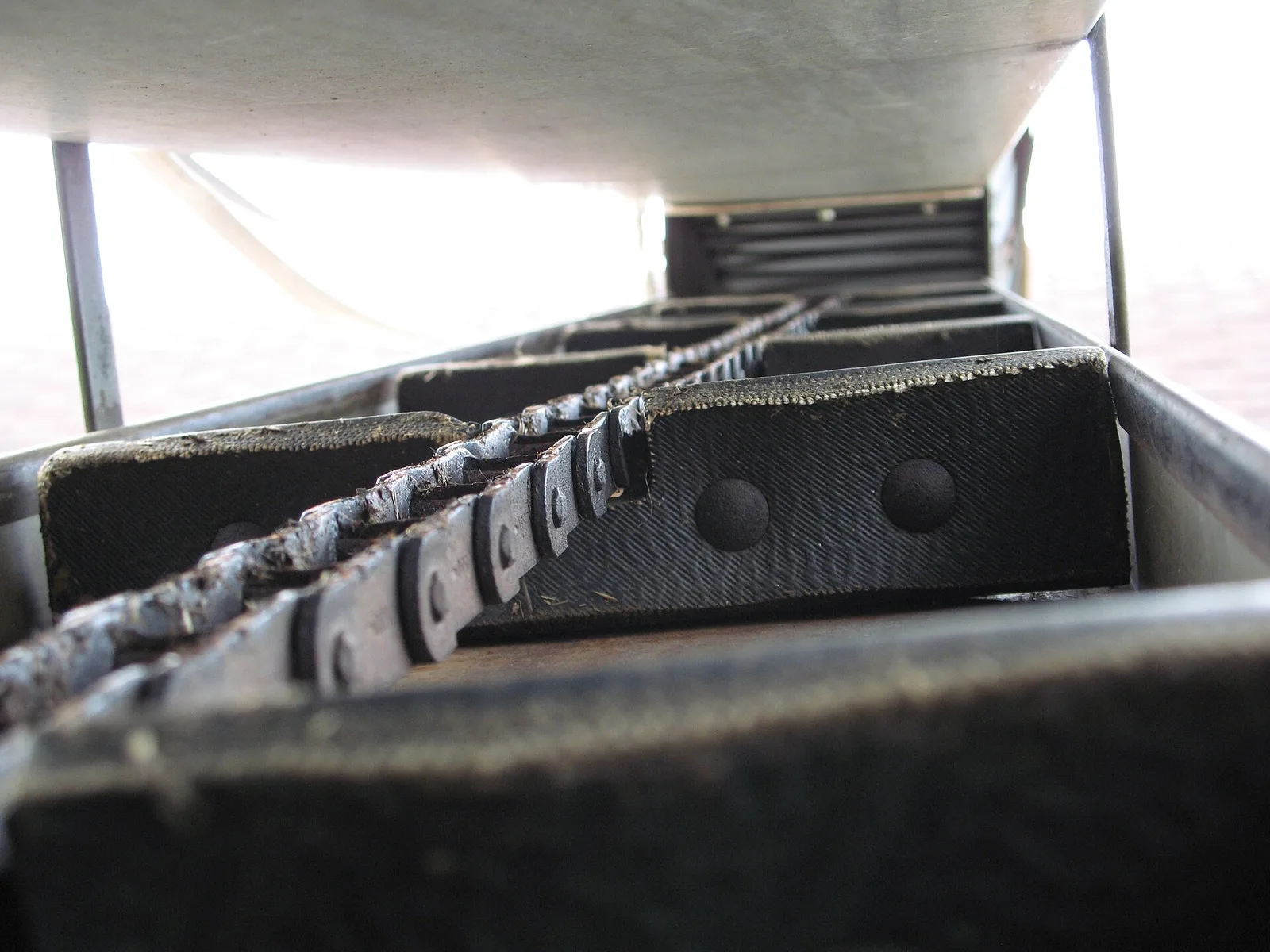
For procurement teams, specify the intended service scope before comparing subscriptions, visits or replacement parts. Ask how results can be retained and explained to the next maintenance team. The industry development is broader access to condition information; the value comes from an appropriate decision process around it. These two supplier examples illustrate different parts of that process without proving a universal replacement interval or a common accuracy level. The accompanying photographs show conveyor-chain arrangements generally and do not depict the app being used or the installation described in Tsubaki's report.
Manufacturer announcements and our analysis are distinguished. Product claims require verification for the specific application.
Sources
Renold: Chain Condition Monitoring app listing ↗Publisher description of audio-based roller-chain drive assessment, explicitly indicative. It does not qualify every conveyor chain.
Tsubaki: ash-conveyor drive-chain assessment, July 2026 ↗Supplier-reported inspection example. Its findings apply to that reported installation, not to all chains.