A 2026 product focus on the belt surface
Habasit's 2026 M5062 documentation positions a perforated modular belt for cooling and freezing applications. The accompanying product data sheet, released on 18 February 2026, identifies the model's construction and material variants. The relevant industry story is the attention given to the interaction between the conveying surface and process airflow, rather than treating a freezer belt as a generic moving support.
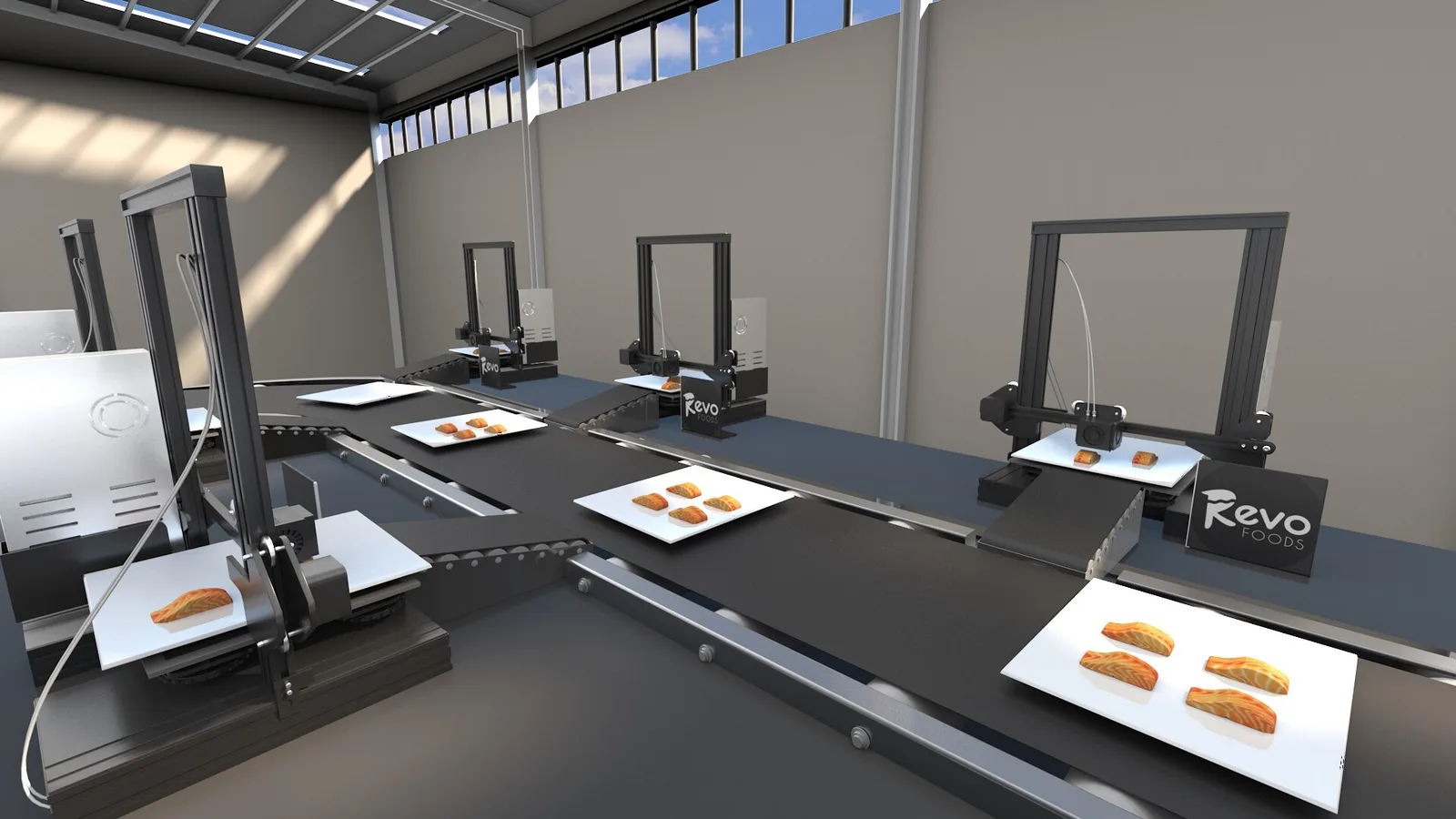
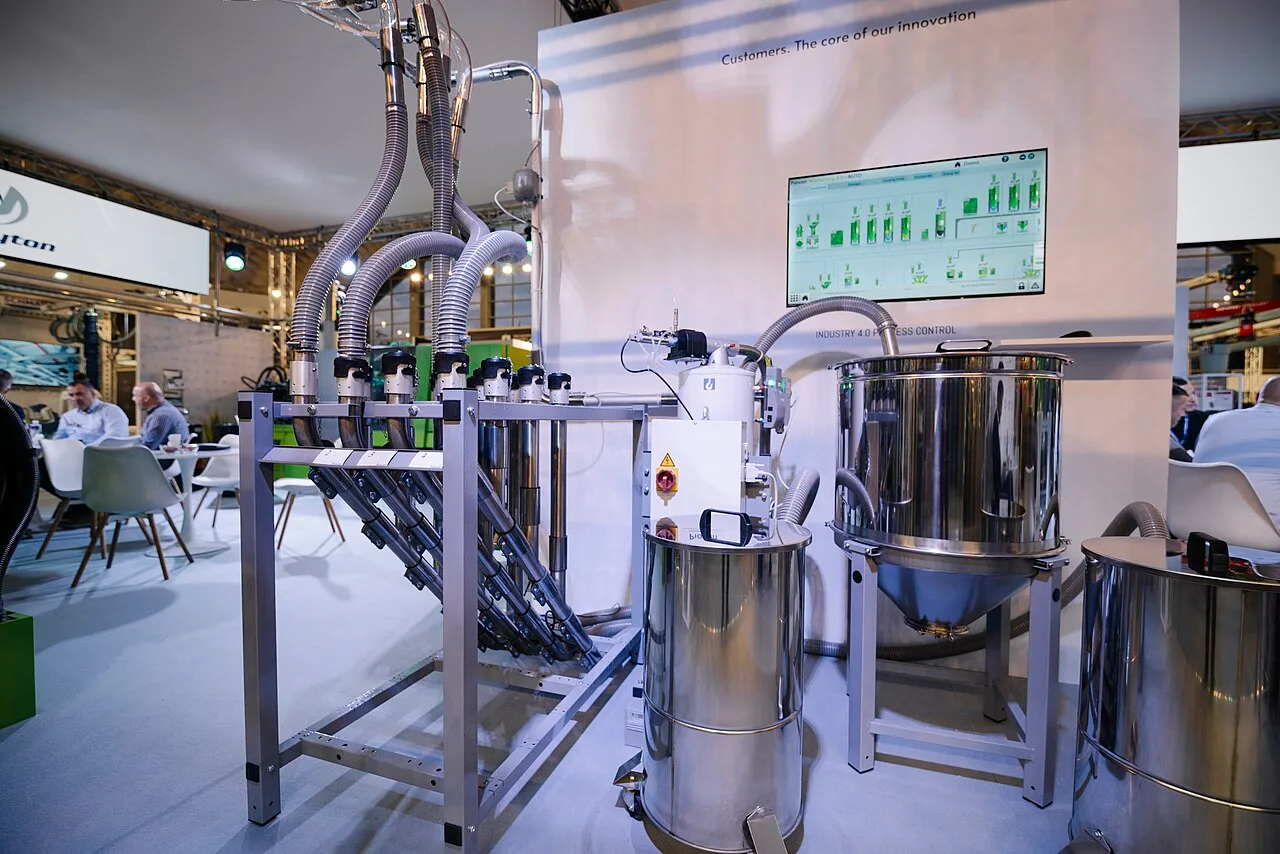
That positioning is useful, but it should not be read as a measured result for every freezer. Our interpretation is that buyers need to compare the belt's mechanical role and its process role together. A change in belt selection is part of a wider cooling arrangement, not a standalone guarantee of a different product temperature or energy bill. The photographs here illustrate food production and processing equipment. They do not show M5062, a freezer application or a comparative cooling trial, and they provide no evidence for a performance claim.
An opening pattern is only one design input
A buyer can begin by describing the product that the belt must support, its presentation and the process conditions around the conveyor. Ask the belt and freezer suppliers to explain how the proposed arrangement meets those requirements together. A surface intended to pass air still needs to carry the actual product through loading, processing and discharge. Avoid reducing the selection to a comparison of open-area figures without considering that complete route.
Request the exact belt and material designation for the proposal, including the corresponding data sheet revision. Where a new belt is proposed for an existing conveyor, ask which supporting and driving components are included in the compatibility review. Keep any required modifications within the quoted scope. This creates a useful link between product documentation and the installed arrangement, while leaving the actual engineering assessment with the responsible suppliers. A brochure's application category is a starting point for that assessment, not its conclusion.
Read material limits separately from headlines
The product data sheet distinguishes material variants and notes the conditions relevant to nominal mechanical values. That is a reason to use the selected material's documentation, rather than combining the most attractive figure from several columns into an imaginary universal specification. Ask the supplier which operating conditions apply to the proposed belt and what information is needed for the application calculation.
The review should cover the actual process states the belt encounters, including any relevant cleaning or defrosting arrangements identified by the site. If a broad promotional application statement and a specific material limit appear difficult to reconcile, request written clarification for the selected configuration before ordering. Do not infer an expanded operating range on the buyer's own initiative. This is a documentation discipline applicable to the purchase, not a new temperature or strength limit proposed by this article. Keep the final clarification with the order so later replacements follow the same accepted basis.
Evaluate the process result at the process level
Where a project expects a cooling or energy improvement, agree how the result will be established across the whole relevant process. Record the product, operating conditions and comparison method. Separate a stated belt feature from an observed plant outcome, and distinguish the manufacturer's comparative claims from a commitment included in the specific proposal. A different material, loading pattern or process setting can make an unqualified comparison misleading.
Request the accepted belt configuration, interface review and maintenance instructions as part of the handover. Identify what a later change in product or process would require the supplier to reassess. The wider significance of the 2026 documents is that conveyor-belt selection is being discussed as part of processing performance, alongside mechanical transport. Buyers can use that discussion constructively by keeping the supplied model, material limits and process evidence connected. The practical goal is a belt selection that the conveyor and freezer teams can both explain, support and evaluate under the actual agreed duty.
Manufacturer announcements and our analysis are distinguished. Product claims require verification for the specific application.
Sources
Habasit: M5062 cooling and freezing flyer, 2026 ↗Product positioning for airflow-related applications. Comparative energy and performance percentages are not adopted as guarantees.
Habasit: M5062 data sheet, released 18 February 2026 ↗Model-specific construction and material data. Nominal values and material limits require the manufacturer's application calculation.