Technology focus: the hopper as a process component
A hopper can look like a straightforward fabrication item while performing a demanding process role. Jenike & Johanson's published testing guidance connects equipment design with measured material properties under representative conditions. A KWS case describes a hopper-and-feeder arrangement handling dried filter cake between other process machines. These sources provide a technical perspective on integrated bulk handling; this article does not announce a newly invented hopper or a new project at either company.
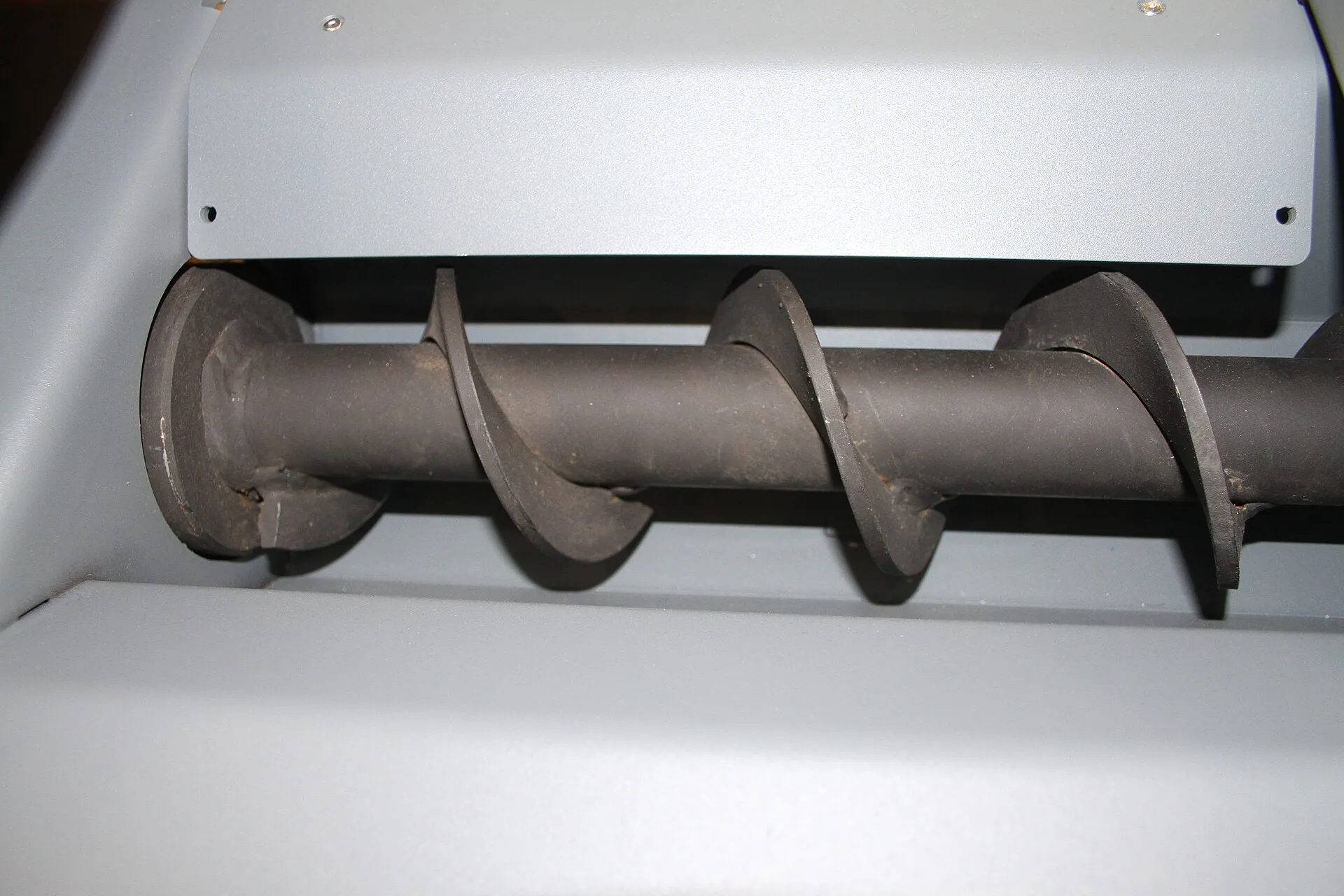
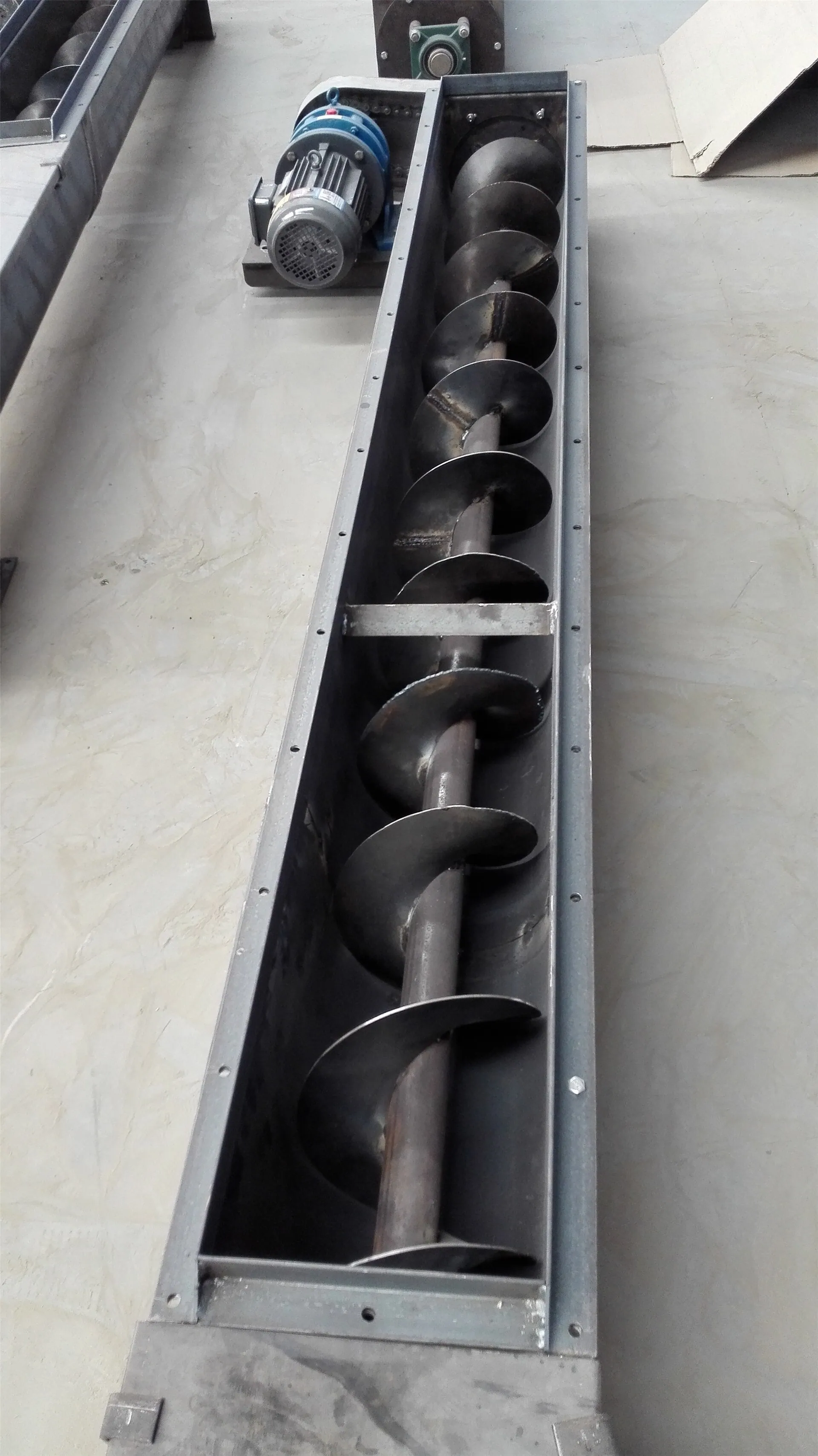
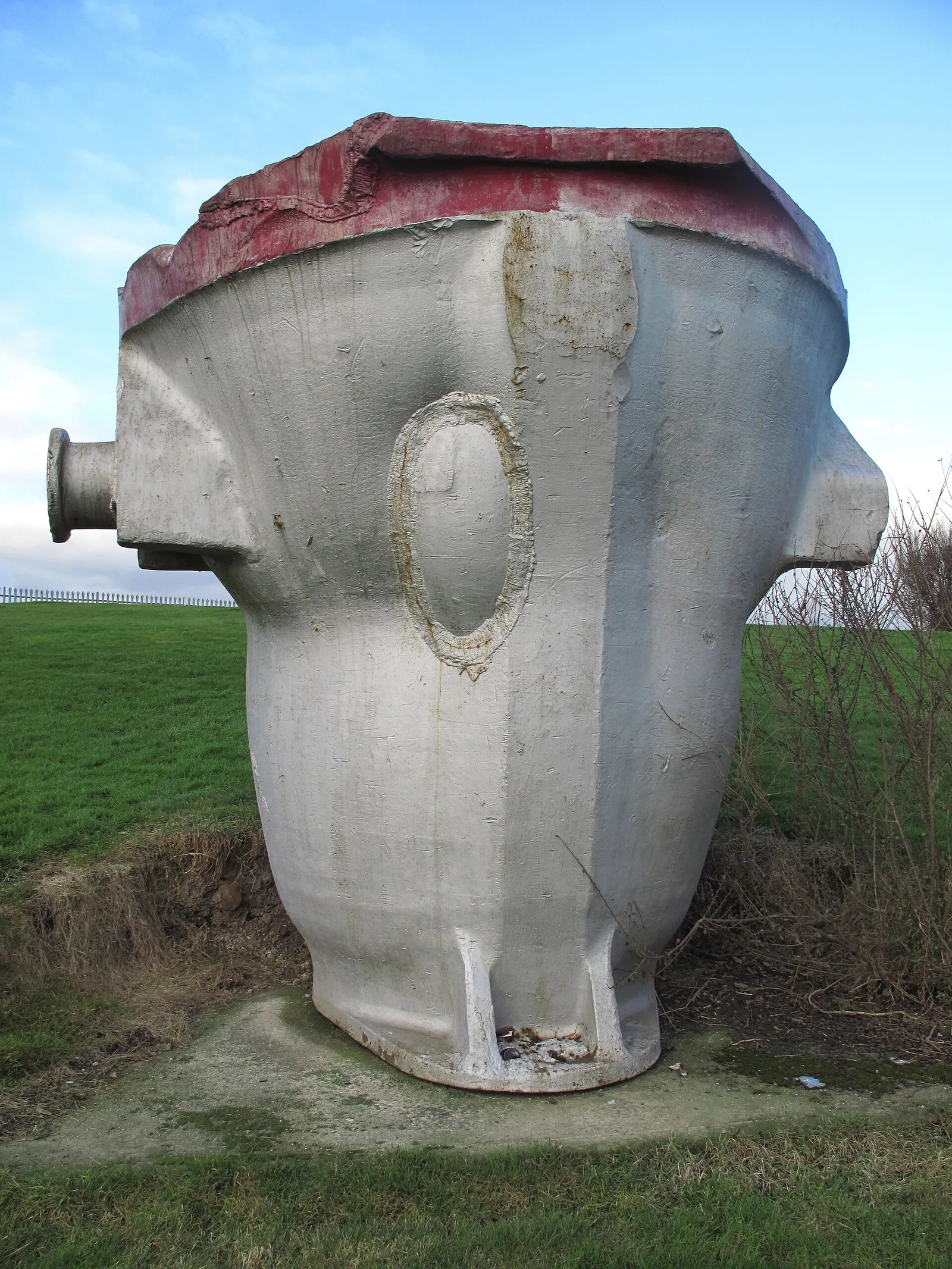
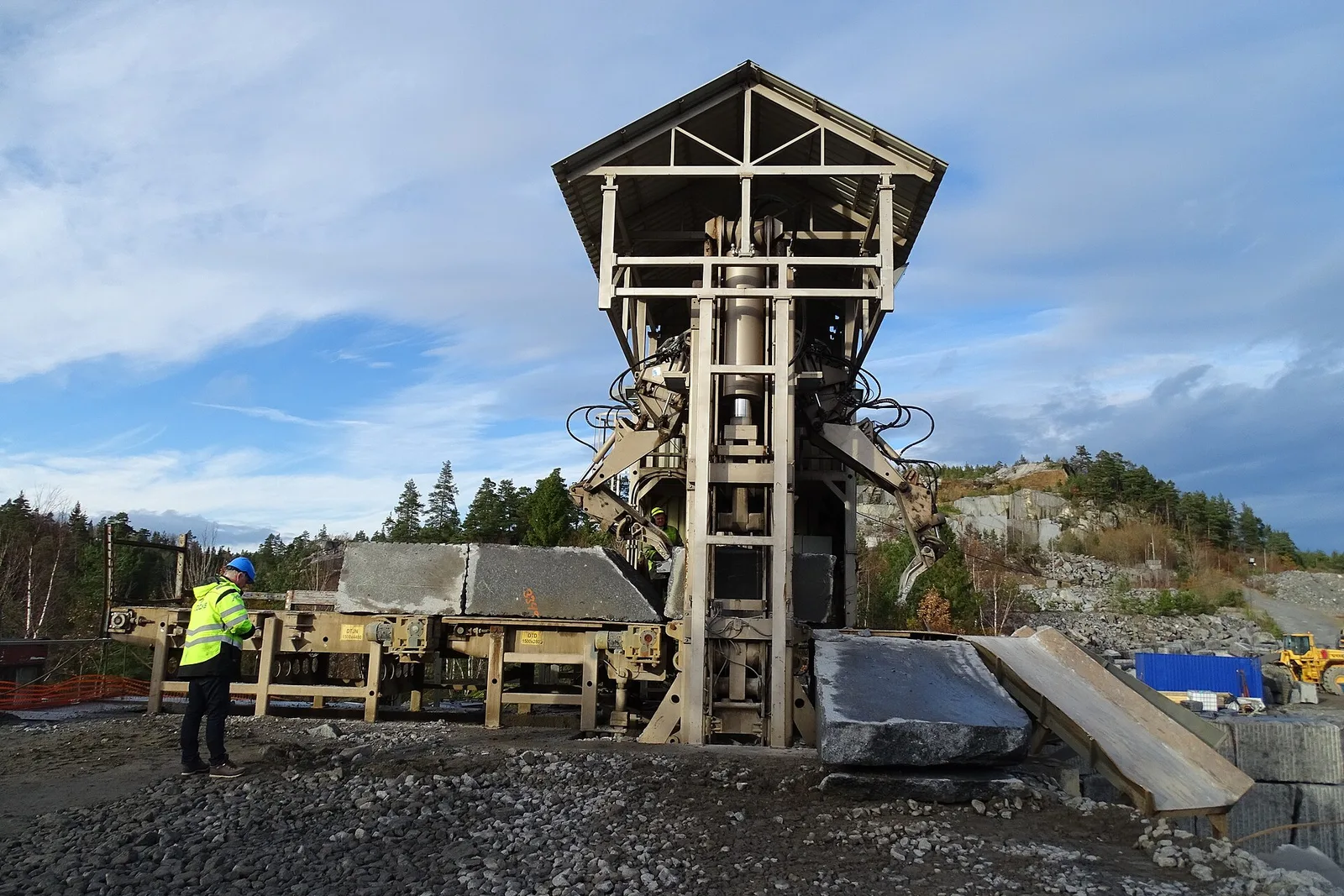
Our reading is that the value lies in treating the stored material, its discharge and the receiving process together. Storage volume alone describes only part of that task. A purchaser comparing vessels by capacity and fabrication price may leave the actual withdrawal duty undefined. The equipment photographs here illustrate hopper and processing structures generally, not the reported KWS installation or a flow test. They cannot establish whether a particular material will discharge reliably from a similar-looking vessel.
A sample needs a process history
The first useful question is what material should represent the planned duty. A clean sample collected immediately after production may not represent material stored for a different period or received in a different condition. Ask the testing specialist how samples should be selected, handled and documented for the engineering question being investigated. Identify which process variations are known and which remain uncertain.
A good test request records where the sample came from and how it relates to the proposed operating conditions. Keep measured properties separate from values estimated from a generic material description. Ask what the chosen test can establish and which parts of the equipment design remain outside its scope. This avoids both extremes: choosing a hopper from an unsupported assumption, or commissioning tests without a clear design decision to inform. The purpose of the work is a relevant engineering input, not simply a certificate showing that a sample reached a laboratory.
The outlet belongs to an interface
The KWS example is useful because it places the hopper within a connected process rather than presenting it as an isolated container. Its reported solution should not be copied by diameter, shape or screw arrangement into a different application. Instead, use the example to ask how the proposed hopper discharge is coordinated with the selected feeder and the receiving machine.
Request a drawing that shows the full opening and defines the responsibilities of the vessel and feeder suppliers. Ask what happens during normal withdrawal, replenishment and a downstream pause under the intended operating method. If different companies supply the equipment, identify who reviews the combined arrangement and accepts changes. A fabricated hopper can match its own drawing while the overall process interface remains incomplete. The purchasing scope should therefore describe the connected duty and the information exchanged between suppliers, with any exclusions stated before fabrication starts rather than discovered at installation.
What this means for a new project
The practical industry lesson is not that every hopper needs the same test or the same design. It is that a bulk-handling proposal should explain the relationship between the material information and the selected arrangement. Ask the responsible specialist to identify the assumptions behind the design and what change in process or material would require another review. That makes a later discussion about poor discharge more specific and useful.
Retain the sample record, relevant test results, accepted interface drawing and operating scope with the equipment documents. Where the project cannot reproduce every planned condition before purchase, record what remains to be confirmed and who owns that confirmation. Compare quotations on the same basis instead of assuming that equal storage volume means equal process capability. A hopper becomes a better specified purchase when its role in material flow is visible, supported by relevant evidence and connected to the feeder and process that will actually use it.
Manufacturer announcements and our analysis are distinguished. Product claims require verification for the specific application.
Sources
Jenike & Johanson: bulk material testing ↗Primary explanation of material-property testing under representative process conditions. No generic hopper angle is inferred.
KWS: filter-cake hopper and feeder case ↗A supplier-reported example of integrating a hopper, feeder and downstream equipment. Its dimensions and results are not generalized.