The inlet changes the purchasing question
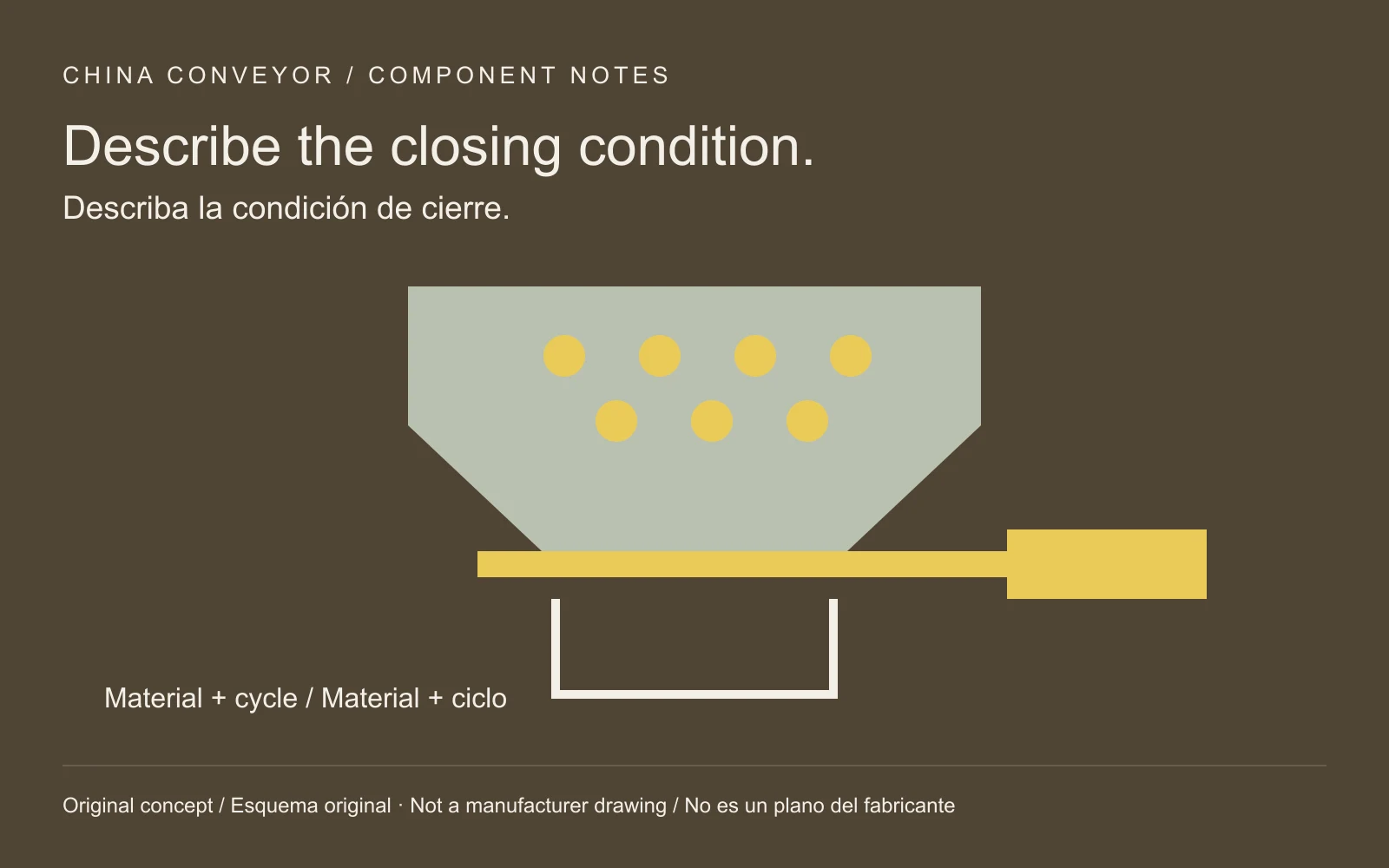
Two screw machines can look similar in a quotation while doing different jobs. Before comparing diameter or motor power, draw the material path into the inlet. Does another device deliver an already controlled supply, or does material from a hopper remain available above the opening? Identify which machine is expected to set the process feed rate. Without that answer, suppliers may quote different duties under the same general description of screw conveyor.
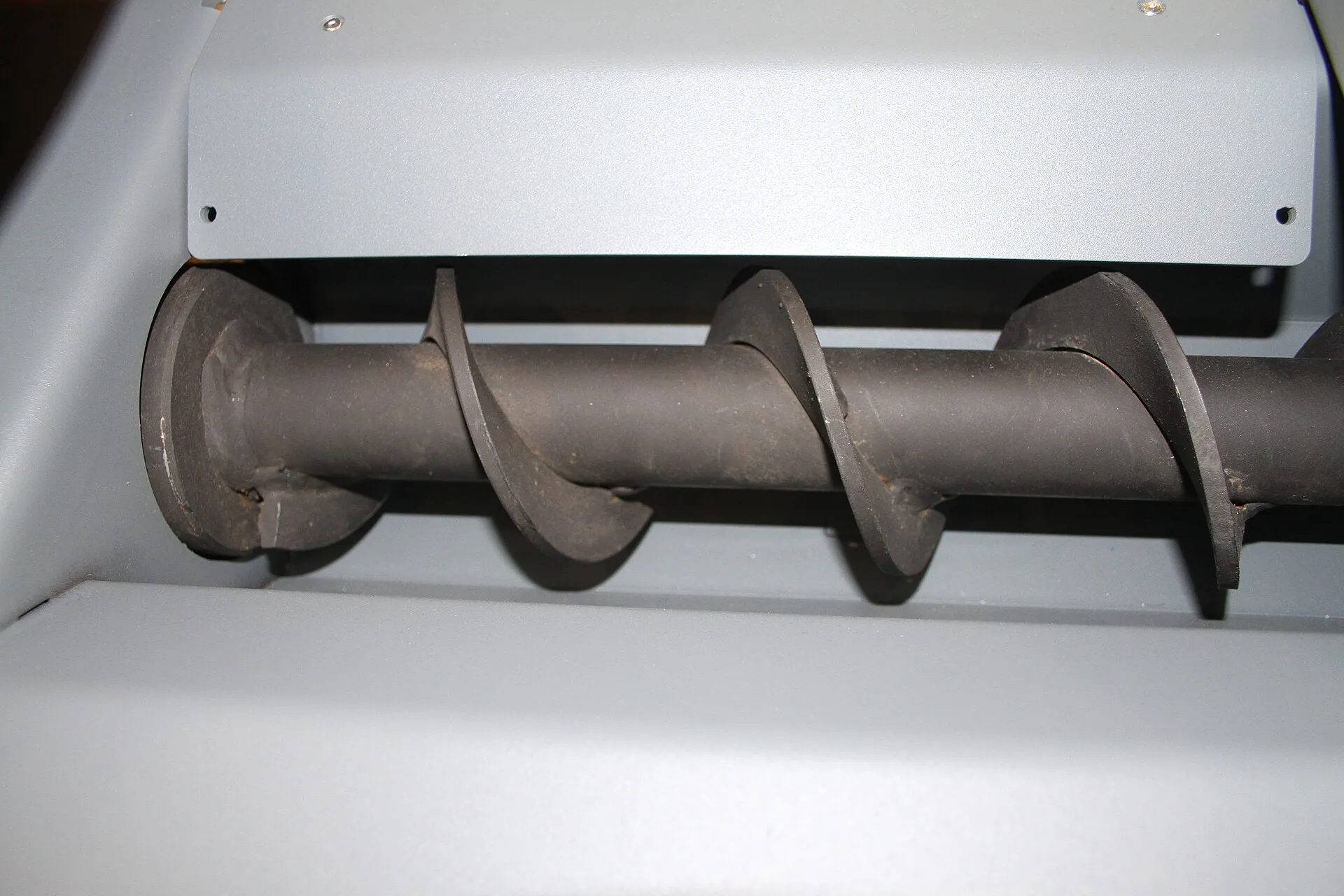
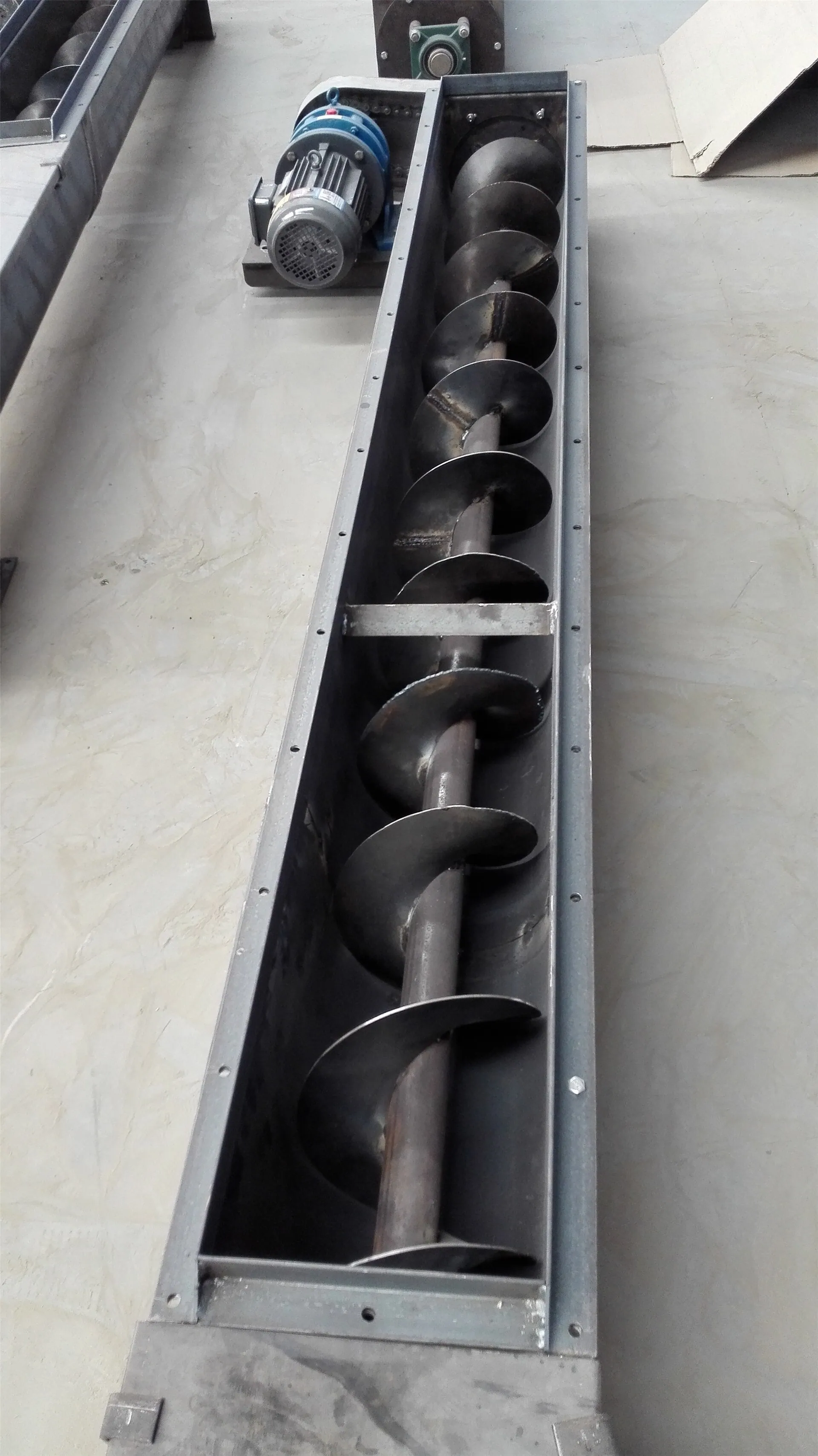
KWS distinguishes a conveyor receiving controlled material from a feeder with a flood-loaded inlet that meters from storage. Use that distinction to describe your process rather than selecting by appearance. State whether the machine's task is transferring the incoming supply or controlling the withdrawal from the hopper. The screw and trough photographs in this article illustrate components only. They do not establish whether either pictured assembly has been designed as a feeder, its capacity, or its ability to operate under your stored material.
Send the hopper interface with the material data
A feeder enquiry should include more than the downstream outlet position. Supply the hopper opening dimensions and shape, the available installation envelope and the intended stored material level range. Include a drawing showing how the hopper and proposed screw connect. Ask the supplier which dimensions must be fixed before its design can be confirmed and which assumptions remain provisional.
Describe the material as it will be received, including known variation in bulk density, moisture, particle size and flow behaviour. Distinguish measured information from an estimate copied from a material name. KWS's feeder guide identifies material properties, inlet geometry and stored material height among the design inputs. Do not translate those inputs into a universal hopper shape or flight pattern on your own. Ask how the proposed feeder design addresses the actual opening and how responsibility for the hopper interface is divided if different companies supply the storage vessel and screw assembly.
Define what the speed control must deliver
A variable-speed drive is not a complete feed-rate specification. State what the next process needs: a selected operating range, a particular repeatability requirement, or a relationship to a weighing or process control system. Agree the units and the material condition for any promised rate. Ask whether the offer describes volumetric delivery or a measured mass flow, and identify the feedback equipment included where the process requires it.
Do not assume that changing speed on a conveyor receiving an independently metered supply changes the upstream material rate. Equally, do not treat a feeder speed setting as an exact mass-flow measurement across changing material conditions. Ask the supplier to explain the proposed control boundary and the information required from the neighbouring process. Include the expected start, normal stop and downstream unavailability sequences in that discussion. Keep emergency and protective functions with the responsible machinery and controls specialists; a production rate setting is not a substitute for the machine's safety design.
Test the duty that will exist under the bin
Agree the trial material and how the relevant inlet condition will be represented. A brief demonstration with occasional handfuls of material does not reproduce the stated flood-loaded duty. Ask what the trial will establish, what it will not establish and which items remain subject to engineering confirmation. Record the material condition, storage arrangement, settings and output measurement method alongside the results. Do not present an unloaded rotation test as proof of a loaded feed-rate guarantee.
The purchasing package should identify the accepted inlet arrangement, screw configuration, drive, control scope and exclusions. Request access and isolation provisions for inspection, together with the correct spare references and the supplier's maintenance instructions. Record who is responsible for resolving a mismatch at the hopper or downstream connection. Compare bids only after these boundaries match. An appropriate feeder or conveyor is the machine whose specified duty matches the real material supply and process demand, supported by a clear test and drawing record, rather than the auger with the most attractive nominal capacity.
This guide helps define questions and requirements. Technical decisions require application documentation and review.
Sources
KWS: screw conveyor versus screw feeder ↗Distinguishes controlled inlet supply from flood-loaded metering. The distinction is used without assuming an exact speed-to-mass-flow relationship.
KWS: types of screw feeders ↗Lists material and hopper interface inputs relevant to feeder design. Dimensions, drive power and feeder configuration require application engineering.