Start with material and duty
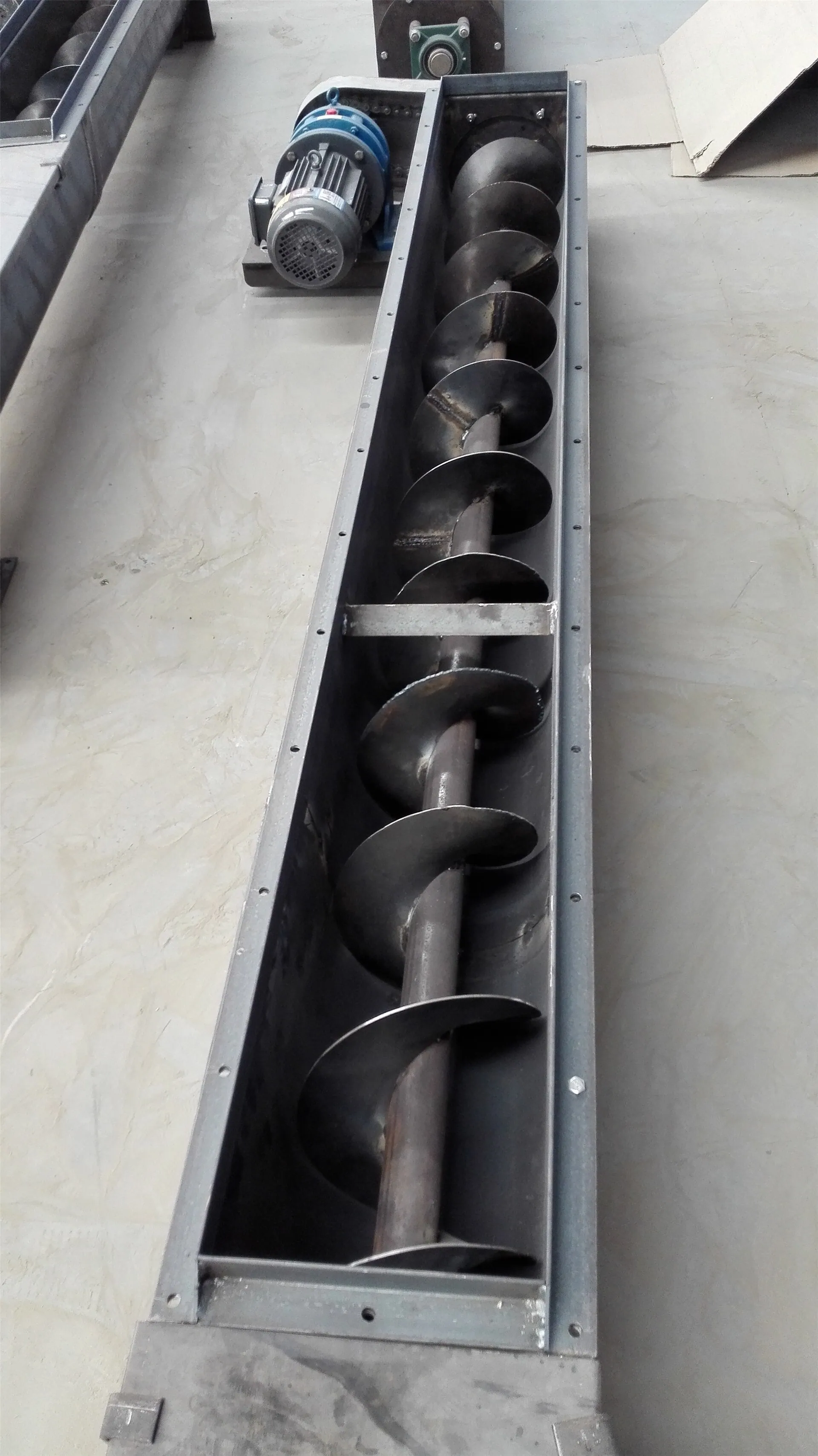
Choose between a U-trough and a tubular screw conveyor by defining the application before the housing shape. Record the bulk material, its condition when it reaches the inlet, the required transfer rate and the proposed route. Include known variation rather than sending only an average operating point. KWS's engineering guide identifies material characteristics, feed conditions, distance and incline among the inputs to selection. A photograph of a similar screw cannot replace those inputs.
Also state whether the equipment receives a controlled material flow or must draw and meter material from storage. KWS distinguishes screw conveying from screw feeding. Ask the supplier which duty it is designing for and what equipment controls the inlet. This prevents a quotation for transferring material from being treated as a complete solution for regulating discharge from a hopper. Where the intended feed arrangement is uncertain, resolve that uncertainty before accepting a size or drive selection.
Compare access and containment
KWS describes U-troughs as a common construction that provides maintenance access. Its component guide also describes split tubular housings and removable or hinged lower trough sections. These are different access arrangements to discuss, not evidence that every screw conveyor opens in the same way. Ask the bidder to show the proposed cover, inspection and component-removal arrangement on the quotation drawing. Identify the space required around the installed unit.
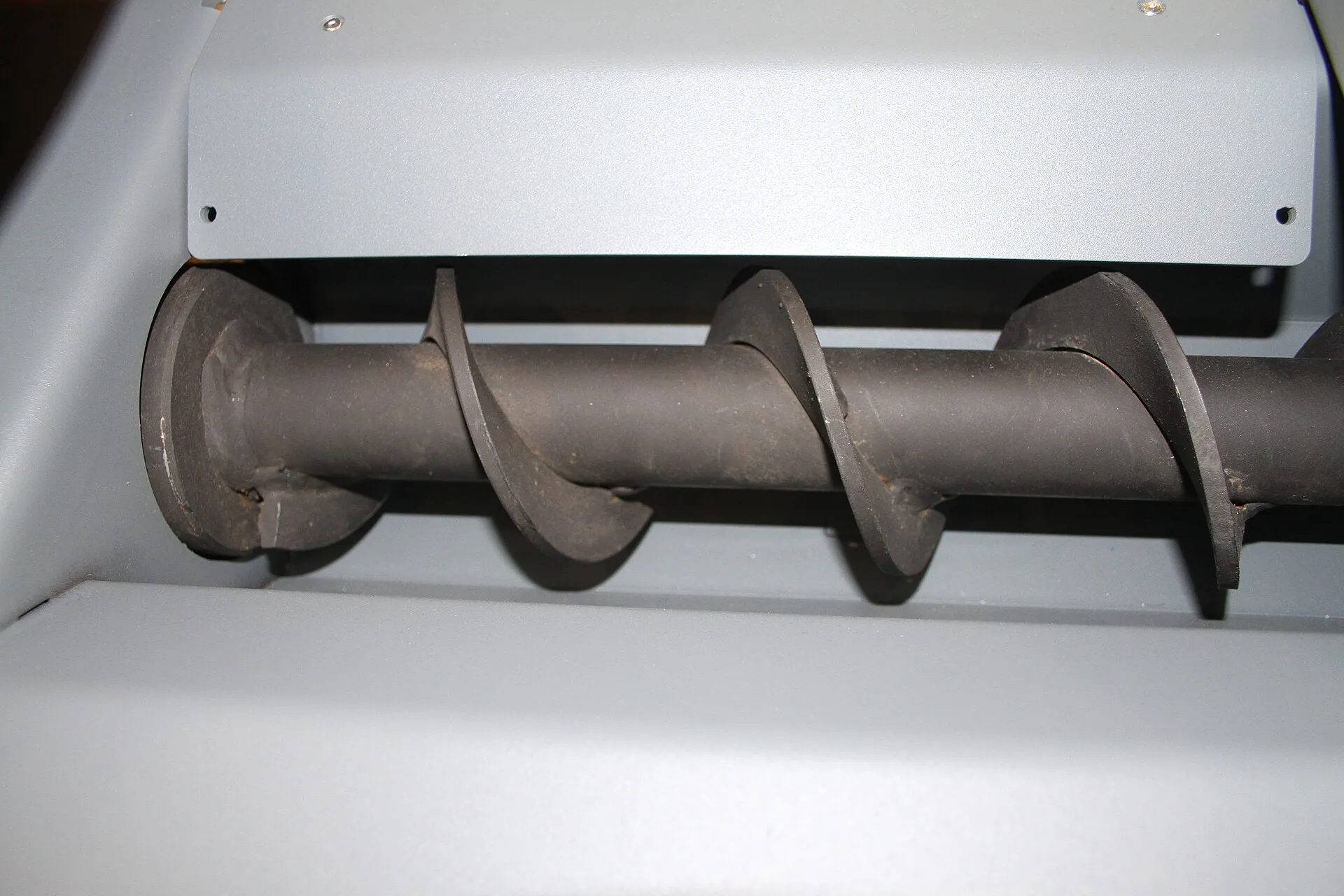
KWS explains that tubular containment can reduce material fallback on inclined duties. That is a reason to review a tubular option with the supplier, not a promise that changing the housing alone will deliver the required capacity. Ask how the proposed screw, housing, speed and material conditions work together in the design. Compare alternatives using the same route and duty. Do not transfer an inclination rule from a product description to a different material or installation without review.
Describe what must stay inside
Define the containment problem in terms the supplier can evaluate. Are you trying to limit material leakage, protect the product from the surrounding environment, or address another process requirement? State the material condition and operating environment, then request a description of the proposed covers, joints, connections and end arrangements. A round housing is a geometric description; it is not, by itself, an agreed acceptance criterion for the complete installation.
Ask which containment features are included in the basic quotation and which require a different construction. Request any claimed performance and the conditions behind it in writing. If the duty involves pressure, potentially hazardous material or other special process conditions, refer those requirements to the responsible engineering team rather than relying on a generic conveyor description. Make the boundary between conveyor design and the wider process assessment explicit in the purchase documents.
Plan how it will be serviced
Review a representative maintenance task before approving the layout. Ask how the team reaches inspection points, removes the intended components and returns the conveyor to service. Mark the handling route and any equipment that must move first. If a proposed access feature is not included on the drawing, do not assume it will appear during fabrication. Ask the supplier to identify the actual parts, supports and instructions needed for the task.
Treat covers and access openings as part of the machine's safety arrangement as well as its maintenance arrangement. The responsible site team should establish the isolation, safe access and reassembly procedure using the equipment instructions. Do not specify routine access to a turning screw or use an open cover as an operating solution. Include restoration of the required guarding and authorisation to restart in the documented task, rather than leaving those steps outside the buying discussion.
Compare complete proposals
Send every bidder the same material description, inlet arrangement, route, rate requirement and access constraints. Ask the proposal to identify the housing construction, material-contact components, drive selection basis, supports and exclusions. Request the operating and maintenance documents, replacement-part information and any application limitations. Where a demonstration or material test is proposed, agree what it will check and which conditions it represents. A successful demonstration of another material is not acceptance of your own duty.
Evaluate the differences as a system. A U-trough proposal with useful access and suitable containment may answer a different need from a tubular proposal intended for an inclined route. Neither housing is the universal better buy. Select the arrangement whose documented design addresses the actual material and service requirements, and ask the supplier to resolve missing assumptions before ordering. This comparison supports equipment selection; it does not size the screw, calculate drive power or establish process-safety compliance.
This guide helps define questions and requirements. Technical decisions require application documentation and review.
Sources
KWS: Screw Conveyor Troughs ↗Describes U-troughs, access variants and split or non-split tubular housings. Features depend on the specified construction.
KWS: Non-Split Tubular Troughs ↗Explains containment and material fallback in the manufacturer's tubular designs; no universal incline threshold is assumed.
KWS: Screw Conveyor Engineering Guide ↗Identifies material, feed, capacity and layout inputs, and distinguishes conveying from feeding. It is manufacturer guidance.