Unpowered does not describe how the load arrives
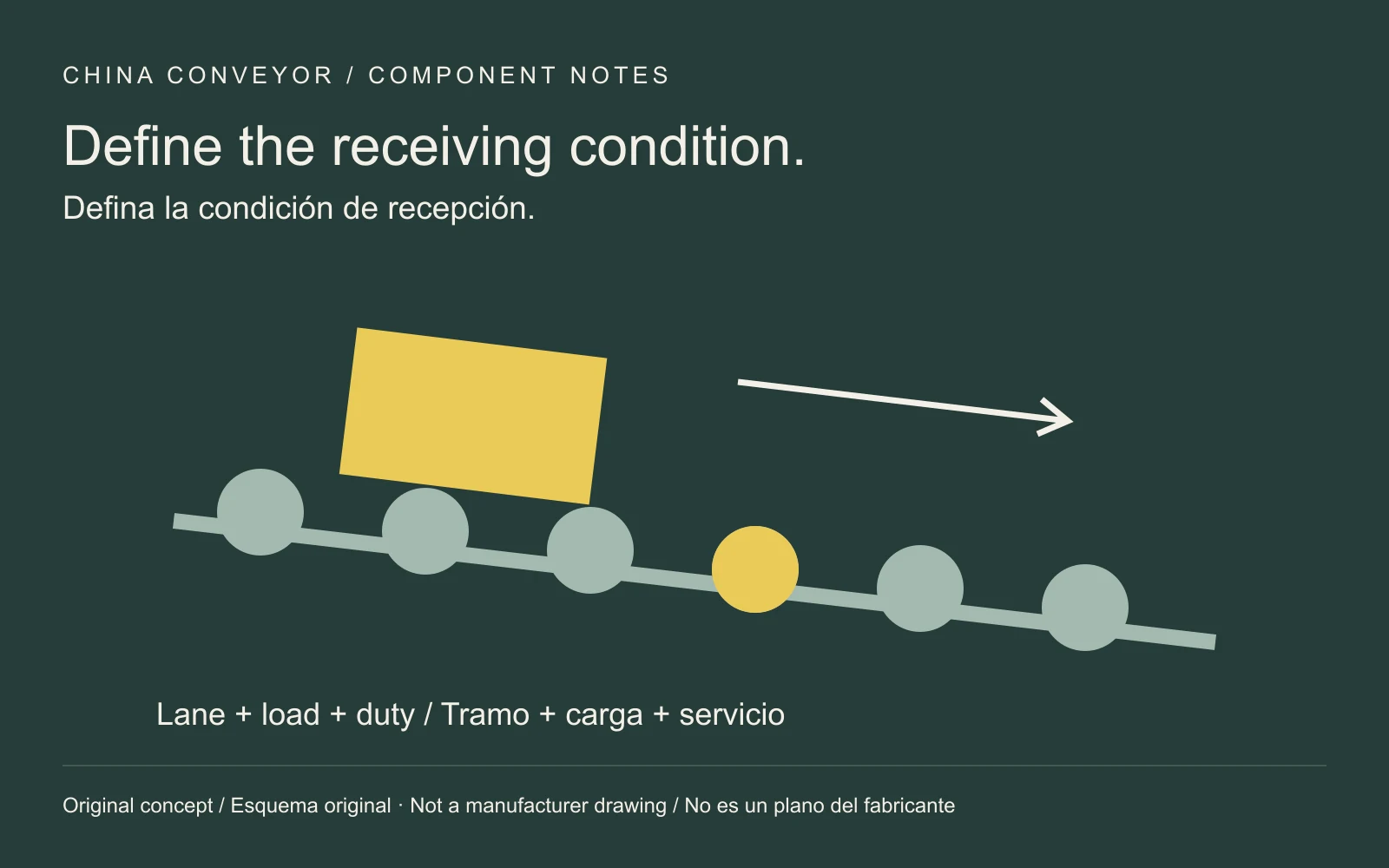
A gravity roller lane may appear simple on a layout because it has no conveyor drive. The package can nevertheless arrive from upstream equipment with a defined motion and a range of masses and bases. Include that entry condition in the application brief instead of specifying only the lane length.
State the intended operating cycle and what must happen at the receiving end. Use representative package records and the actual lane drawing. The design question is how the specified loads move through this route, not whether a roller can turn freely in isolation.
A braking roller provides a distinct function
Interroll describes its MSC 50 as a mechanical magnetic speed controller using an eddy-current brake, without electrical cabling or control for that function. Its January 2026 product sheet includes application and installation information for the named component. This is an example of an engineered braking element within an unpowered conveyor.
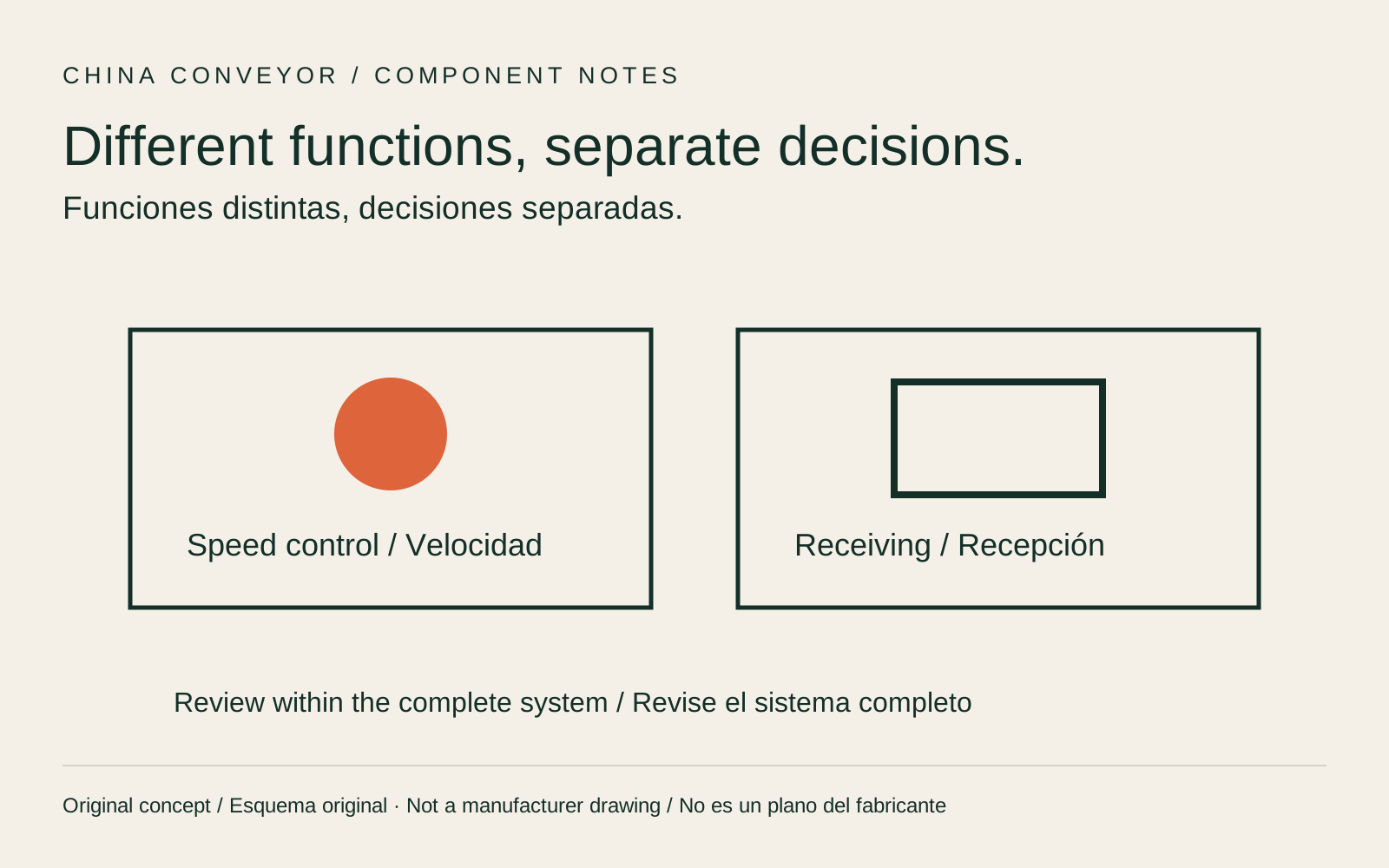
Keep that function distinct from a drive roller, a physical end stop and the system's protective measures. The MSC 50 manual explicitly states that the unit is not a safety component for protecting people. A speed-control proposal therefore needs its own duty description within the larger conveyor design.
Ask for layout selection, not one roller by name
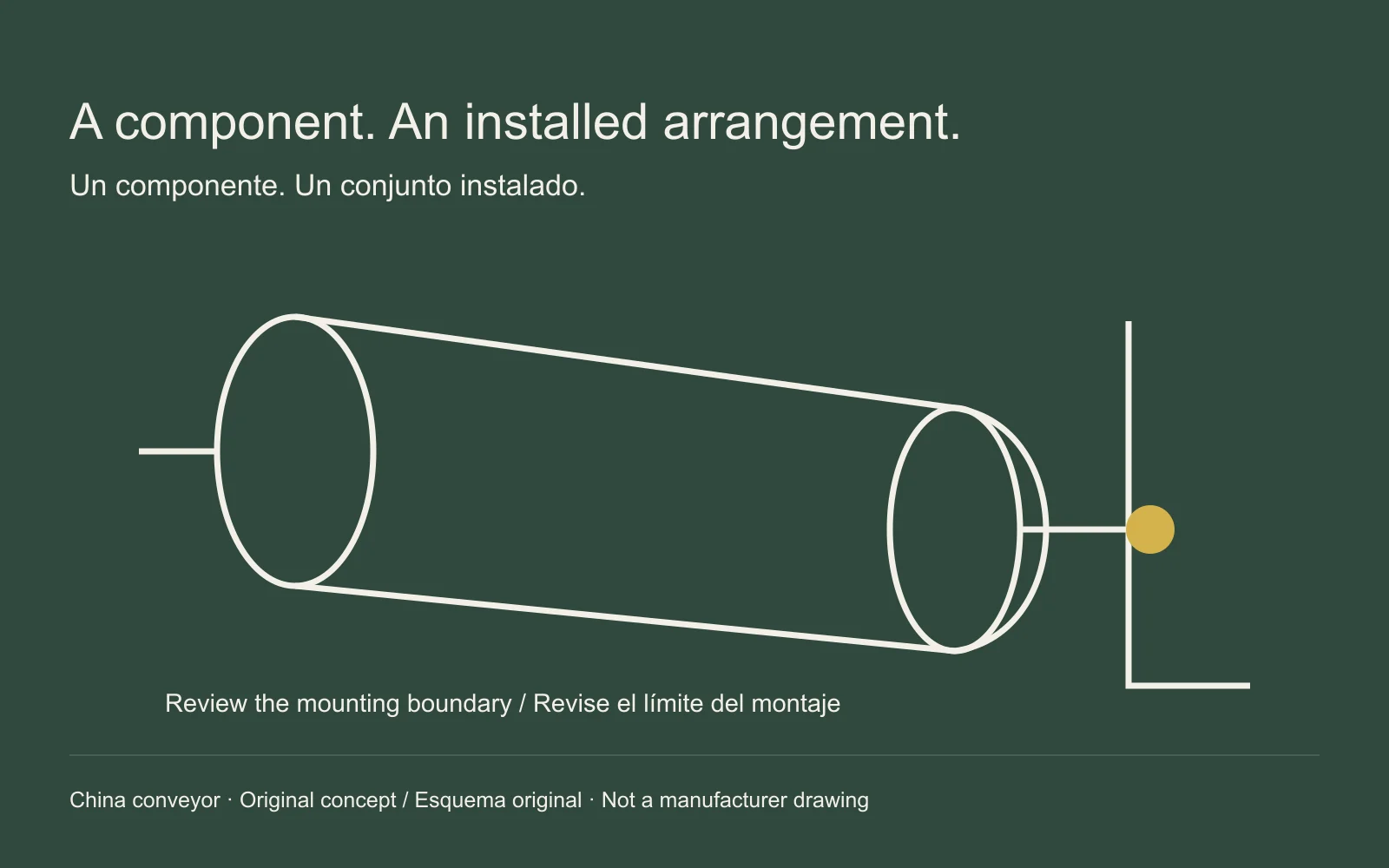
The manufacturer's operating manual relates the number of controllers to the conveyed material and the conveyor's type and incline. It also restricts the component's intended operating duty. Ask the application supplier to select and document the layout for the actual load range and cycle.
Provide base material and condition, dimensions, mass range and entry information requested for that review. Ask which formats have been represented in the selection and demonstration. A smooth plastic tote and another package should not be assumed equivalent solely because their masses match.
Demonstrate the receiving condition
Agree what load movement will be observed at the receiving end and what cases the demonstration covers. Include the relevant light and heavy formats selected for assessment, with the supplier deciding the application-specific arrangement. Record untested cases alongside the approved layout.
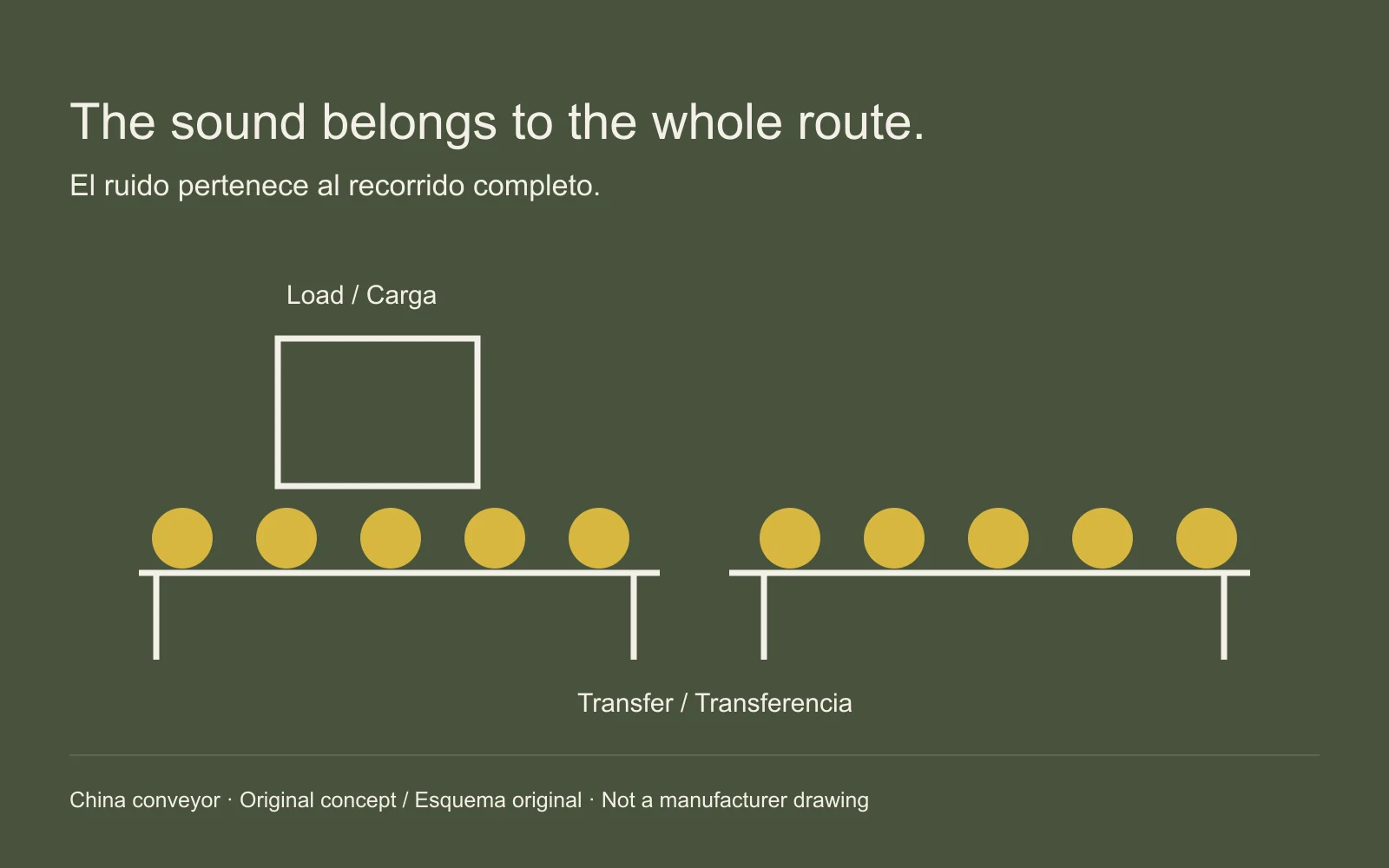
The original drawings distinguish the lane, braking function and receiving point. They supply no prescribed controller spacing, incline angle or guaranteed terminal speed. The handover should leave an identifiable arrangement and its applicable instructions with the conveyor record.
Manufacturer announcements and our analysis are distinguished. Product claims require verification for the specific application.
Sources
Interroll — MSC 50 product sheet, January 2026 ↗Describes the named mechanical eddy-current braking component. Publication date is a document edition, not a claim of a new launch.
Interroll — MSC 50 operating manual, March 2023 ↗Used for intended duty, application-dependent quantity and the explicit exclusion of personnel-protection use. No spacing values are copied.