Technology watch: the drawing before the order
Digital drawings are changing the way a conveyor component enters a purchasing discussion. Rulmeca's public 3D drawings portal is one current example, linking component selection with a quotation route. Its frame information provides another part of the picture: a supplied support arrangement has an identity within a larger conveyor. This is a technology observation as of October 2026, not a claim that the portal or the frame category was launched this month.
For a buyer, the useful change is the possibility of discussing an identifiable component before exchanging an imprecise photograph or a general sketch. Our interpretation is that this can improve the starting point of a quotation, provided the selected model remains connected to the installation requirements. A digital representation describes what is selected; it does not by itself establish that the complete conveyor structure, building connection and access arrangement have been reviewed. That boundary deserves attention as digital catalogues become part of everyday equipment sourcing.
A component model is not the whole frame
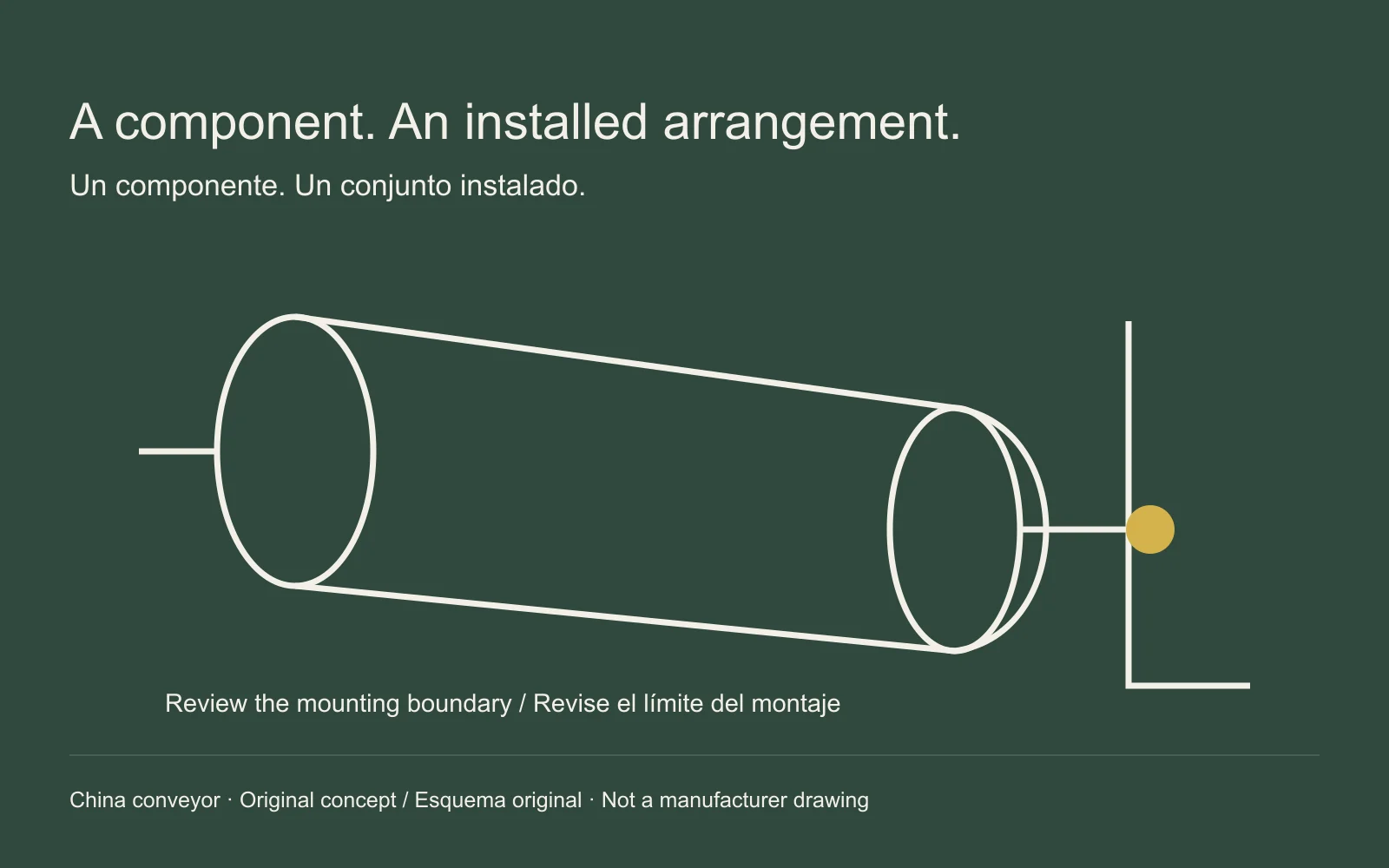
The word frame can refer to a roller support, a conveyor side structure or a substantial supporting installation. State which part is being bought before asking suppliers to match a model. On the enquiry drawing, mark the delivered assembly and the interfaces supplied by others. Include where the conveyor is supported and which adjacent equipment determines its installed position.
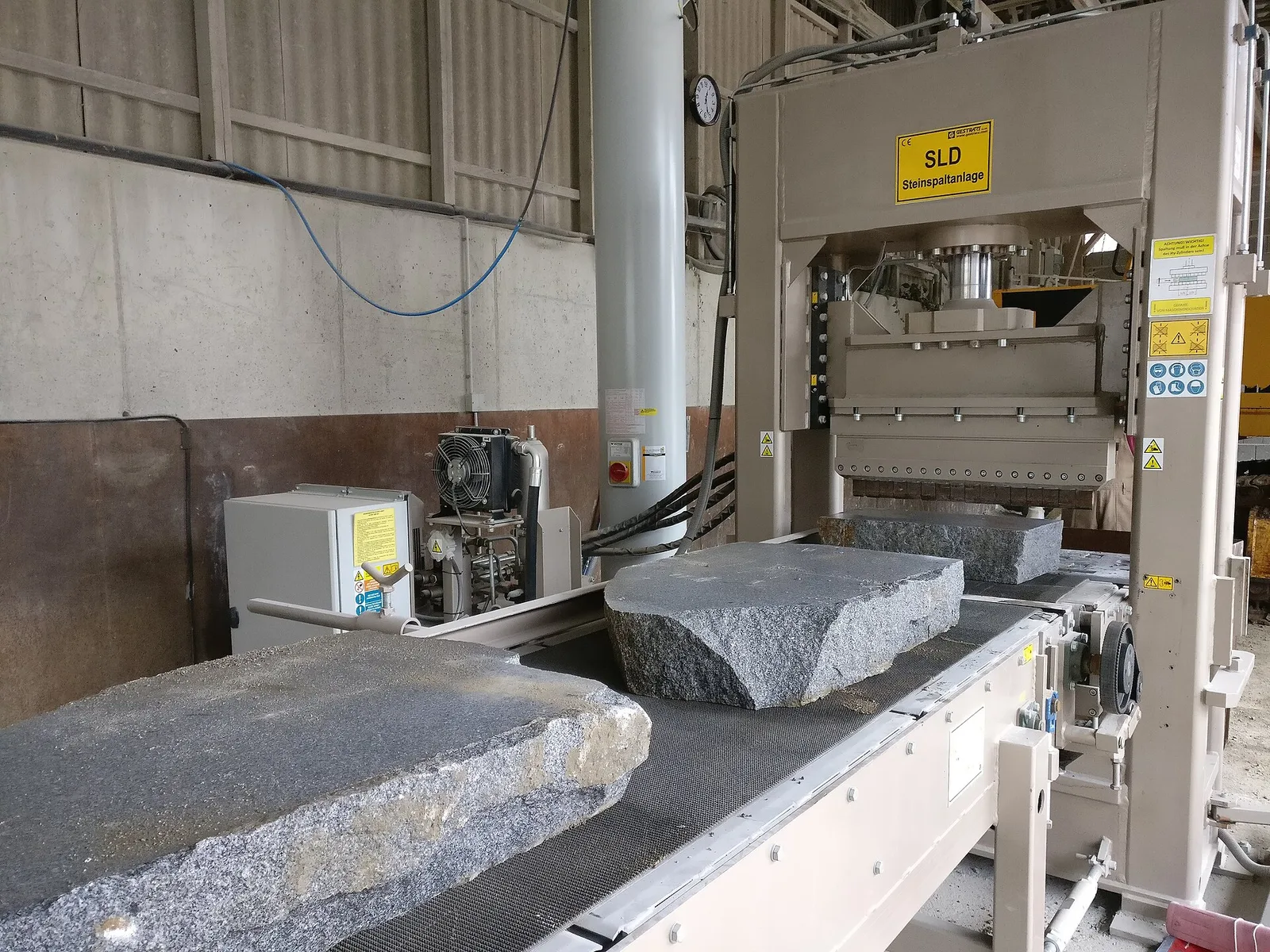
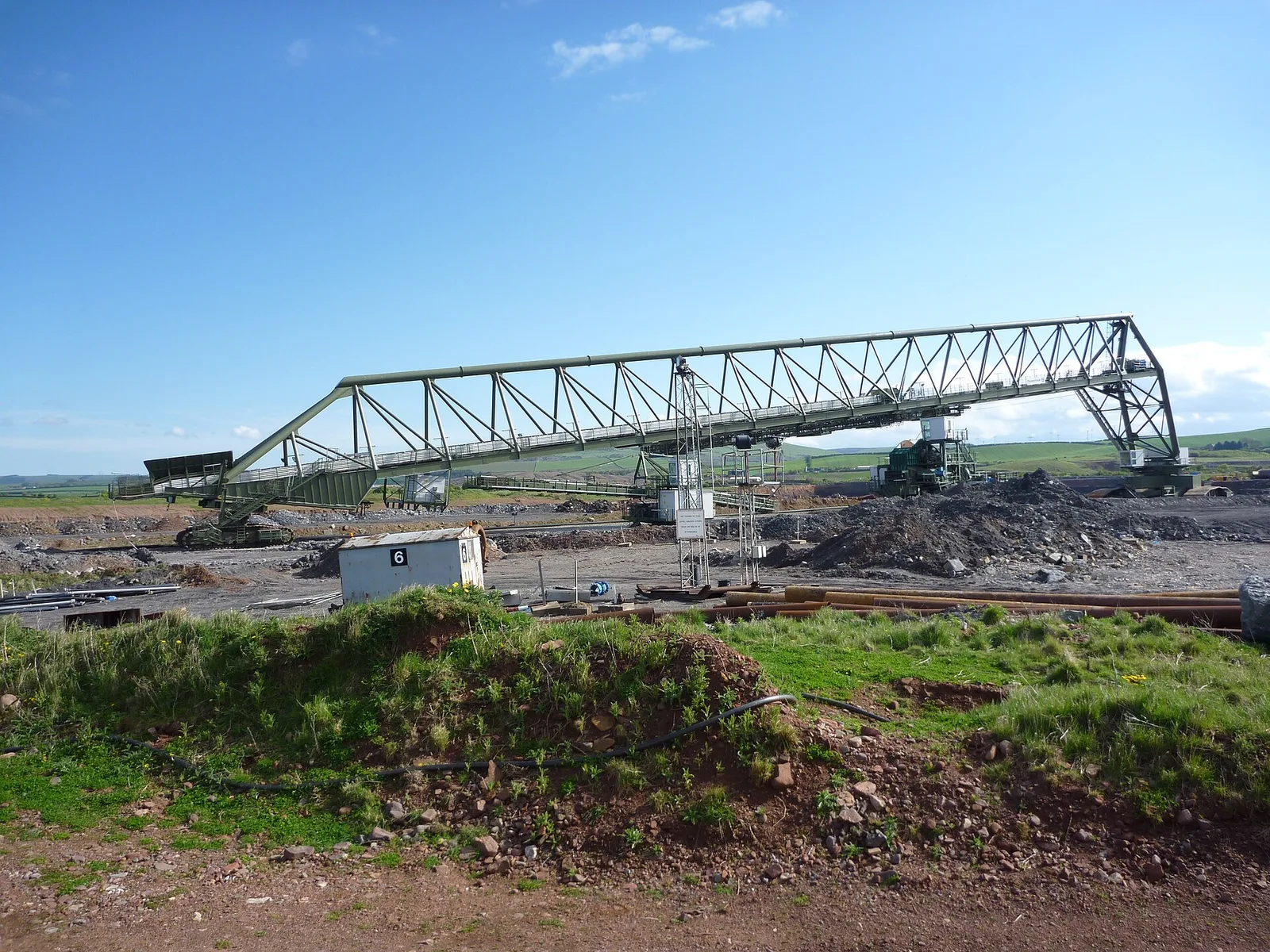
A useful model review asks whether the selection includes brackets, supports and the actual mounting arrangement, rather than assuming that everything visible belongs to the quotation. Request the supplier's dimensional drawing and identify the revision used for coordination. If a contractor designs the wider structure, agree what information it needs from the component supplier and what it must independently check. This prevents an attractive component model from being mistaken for an approved design of the complete installation. The photographs in this article are structural context, not screenshots from the portal or examples of a certified frame calculation.
The digital handover needs revision discipline
Consider a project in which the conveyor height or supporting position changes after the first quotation. A component may still look suitable in the old model while its connection to the installed structure has changed. Ask how the updated arrangement is communicated, who reviews it and which revision becomes the purchasing reference. Keep the digital file, the accepted dimensional drawing and the commercial scope aligned.
Where equipment is fabricated locally around a bought component, identify the information released for fabrication and the approval required before work starts. Do not infer manufacturing tolerances, load limits or foundation requirements from a visual model alone. Ask the responsible designer to identify those requirements in the project documents. A concise revision register can record what changed, who accepted it and which purchase item it affects. This is a practical way of turning digital sourcing into an accountable engineering exchange rather than a collection of files with uncertain status.
What makes the digital route valuable
The useful outcome is a clearer enquiry and fewer unresolved boundaries at the time of purchase. Buyers can compare proposals against the same component identity, installation dimensions and scope, while retaining the freedom to ask for a different arrangement where the application requires it. The portal is a starting tool, not a reason to skip a site-specific review or treat a catalogue assembly as universally interchangeable.
Before release, request a deliverables list covering the selected items, accepted drawings, installation interfaces and replacement references. Identify who retains the final configuration for future maintenance and modifications. When the conveyor moves or the process changes, the record should help the next team understand what was originally reviewed. The wider industry significance is that component suppliers are placing more usable design information near the quotation stage. For conveyor frames, the value depends on connecting that information to clear structural responsibility and a controlled record of the arrangement actually installed.
Manufacturer announcements and our analysis are distinguished. Product claims require verification for the specific application.
Sources
Rulmeca: 3D drawings portal ↗A current example of a digital component-selection and quotation route. No launch date or automatic structural approval is inferred.
Rulmeca: conveyor frames and idler arrangements ↗Manufacturer component information used to distinguish a support assembly from a complete conveyor structure.