Technology watch: the drive starts reporting
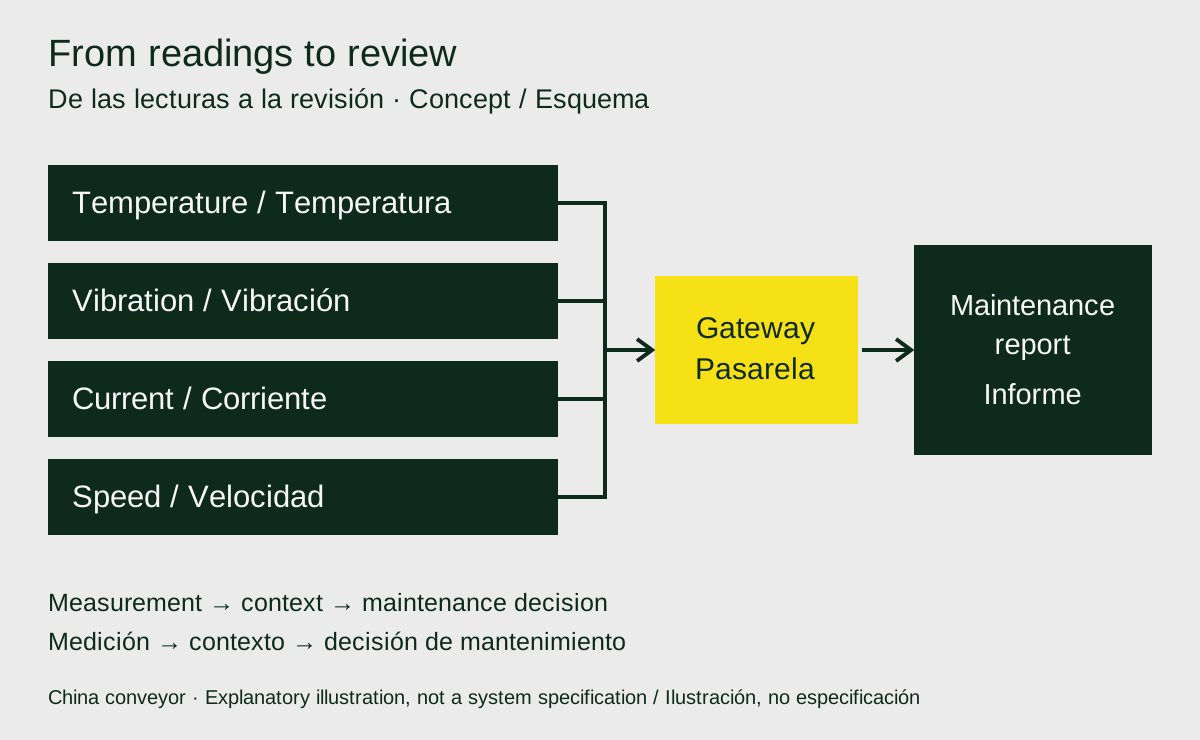
Motorized pulleys are becoming part of the conveyor's information system as well as its mechanical drive. Rulmeca's current RMS description identifies monitoring of temperature, vibration, current and speed through a sensor-to-gateway-to-cloud arrangement. The company discussed RMS in earlier background material, so this should be read as an examination of an available technology direction, not an October 2026 invention announcement.
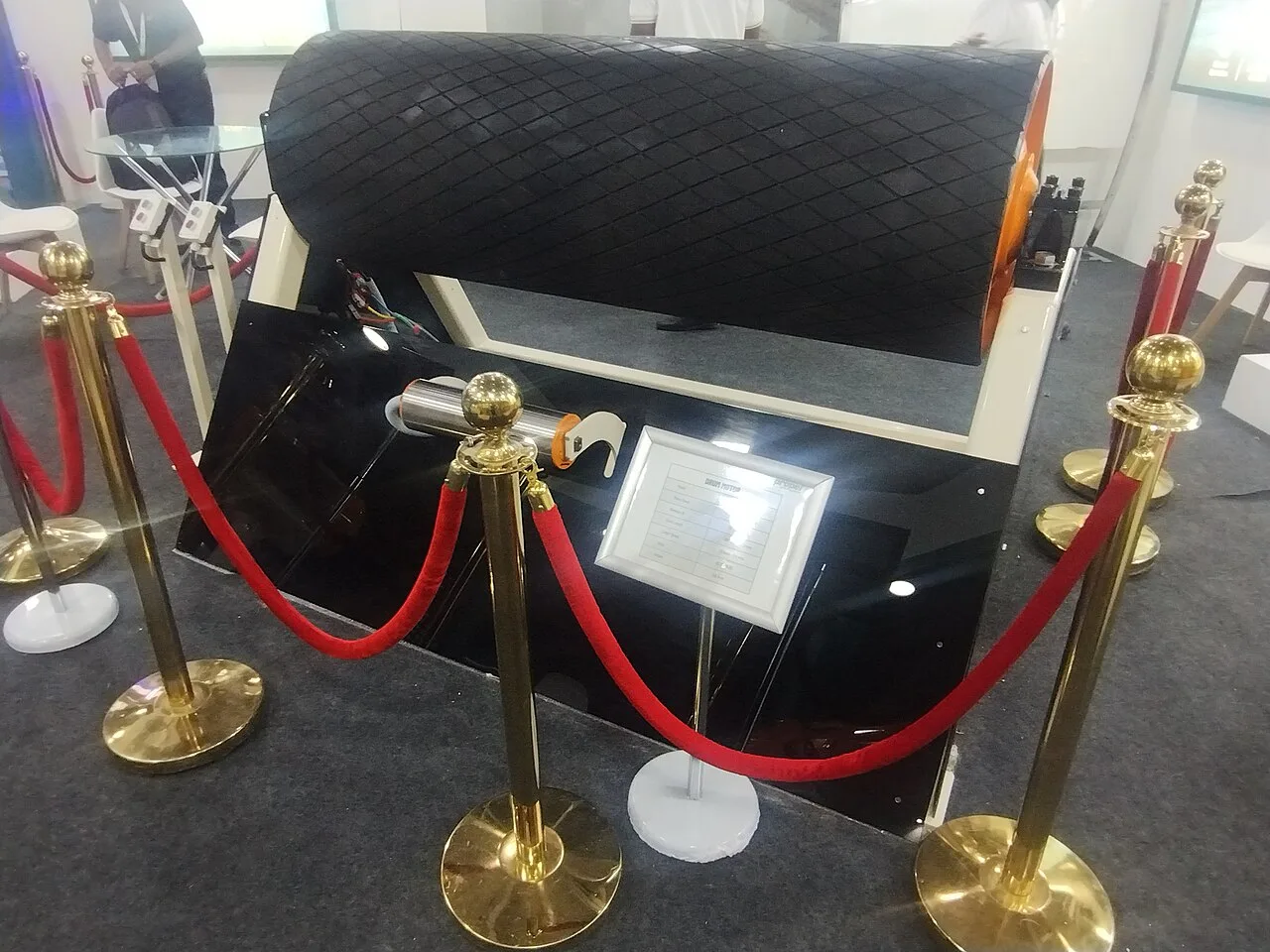
The relevant industry development is the connection between a drive component and a continuing condition record. It gives buyers a reason to discuss data and service when specifying a replacement or new drive. Our interpretation is that this adds a second interface to the purchase: the mechanical drive must fit the conveyor, and the information route must fit the site's maintenance organization. Neither interface is resolved merely by putting remote monitoring on the quotation. The cover shows an illustrative drive component, not an RMS installation. The original diagram below explains the information path; it is not a manufacturer schematic.
The baseline needs an operating context
A condition record is easier to interpret when it can be connected to what the conveyor was doing. Ask how the installation identifies the component and records the relevant operating state. A reading taken during an unusual duty should not be silently compared with an unrelated period and treated as a diagnosis. Request an explanation of how the supplier establishes and reviews the reference information for the proposed application.
Include the existing maintenance team in that discussion. They may hold important information about past changes, material duty or component replacement that a new system does not automatically know. Agree how that information is added to the asset record and who updates the record after work. The point is not to invent a universal acceptable temperature or vibration limit for every pulley. It is to connect the system's interpretation with the supplied equipment, the actual duty and a process for checking an unexpected trend before making an operational decision.
Cloud access is also a service arrangement
A data connection introduces practical questions that do not appear on a mechanical outline drawing. Ask which equipment is supplied, how the connection is established and who administers access to the resulting information. Include the site's responsible IT and controls teams before commissioning, especially where an external service is part of the proposal. A maintenance team should know how to obtain its records if a contact person or service arrangement changes.
Request the proposed notification and review route in plain operational terms. Who receives an alert? Who examines it? Who decides whether a planned inspection is required? Identify the behaviour expected when communication is interrupted, without assuming that monitoring replaces the conveyor's protective functions. Ask what support and ongoing charges are included in the specific offer. These are editorial questions for evaluating the service boundary, not claims about a particular subscription, communications guarantee or data-retention period that the public product page has not established.
A useful pilot tests the working process
A pilot should demonstrate more than a screen showing live values. Agree how the component is identified, how the maintenance team reviews a report and how a recorded observation becomes a work request. Keep the pilot's observation period and operating duty documented so a result can be interpreted honestly. Do not convert the supplier's general maintenance aims into a promised reduction in downtime without an application-specific agreement and evidence.
Retain the accepted hardware configuration, reporting route and responsibility list with the drive records. When the pulley or its duty changes, review whether the original monitoring arrangement still applies. The wider purchasing signal is that a conveyor-drive order may now include an ongoing information relationship. That relationship becomes valuable when the site can understand a trend, decide what to do and preserve the outcome for the next review. A connected component is the starting point; an accountable maintenance process is the part that makes the information usable.
Manufacturer announcements and our analysis are distinguished. Product claims require verification for the specific application.
Sources
Rulmeca: RMS monitoring ↗Primary description of sensor, gateway and cloud architecture and monitored parameters. Failure prediction and savings are not guaranteed here.
Rulmeca: technology and monitoring background ↗Historical company background already mentioning RMS. It prevents misrepresenting the technology as first invented in October 2026.