Purchased does not mean ready for the outage
A spare belt can sit in inventory long enough for the original purchase discussion to be forgotten. When the replacement window arrives, the team may find a roll with a familiar stores number but little information about its receipt, storage or applicable instructions. The uncertainty appears at the worst time: when the conveyor is already scheduled to stop.
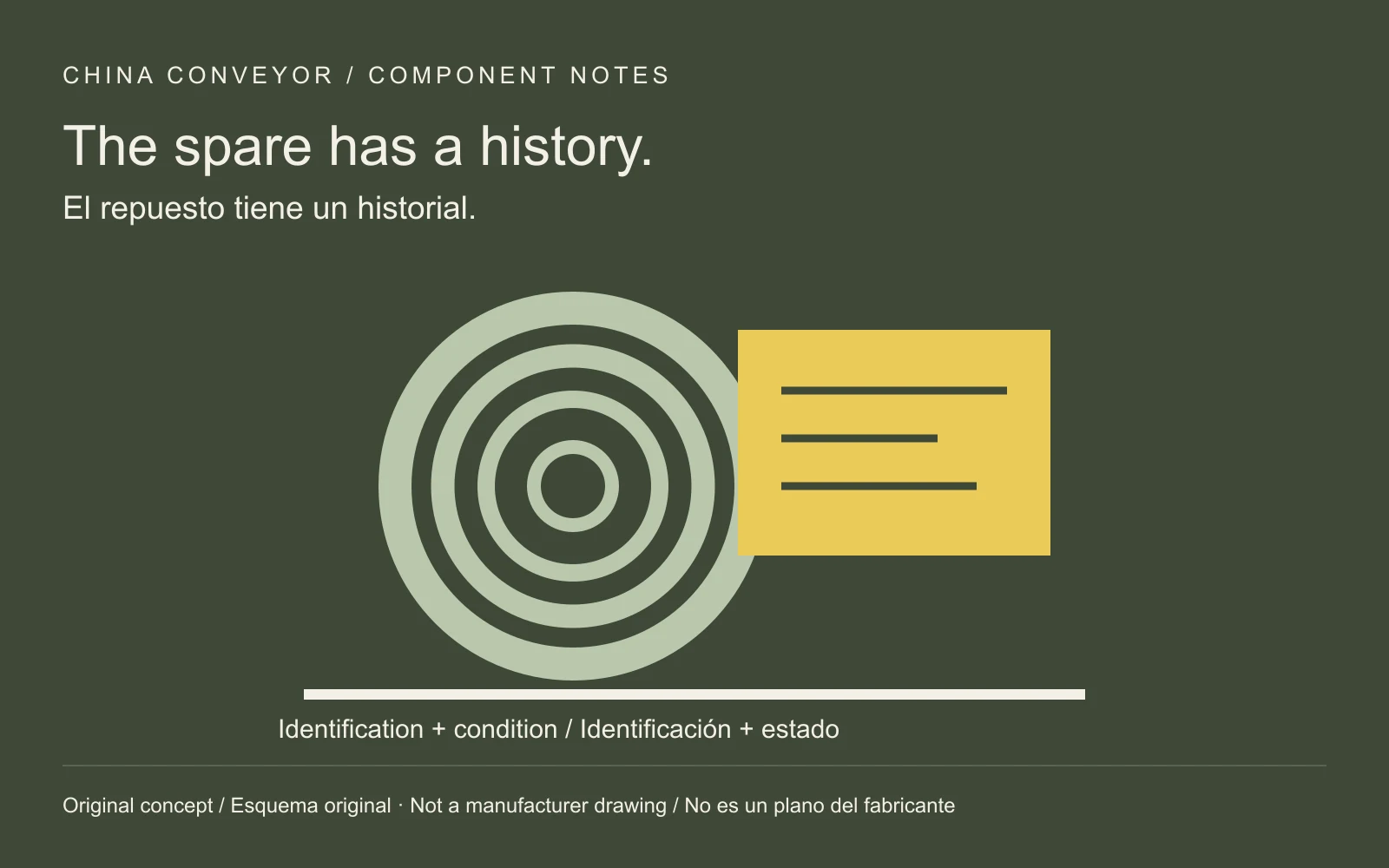
Treat the spare as a physical roll with a history. Link the purchase reference, belt specification, delivered roll identification and intended conveyor. Keep the original packing information and any supplier documents together. If the roll is intended for more than one possible installation, record which applications have actually been reviewed rather than assuming the stores description makes them equivalent.
Record the arrival before the packaging becomes anonymous
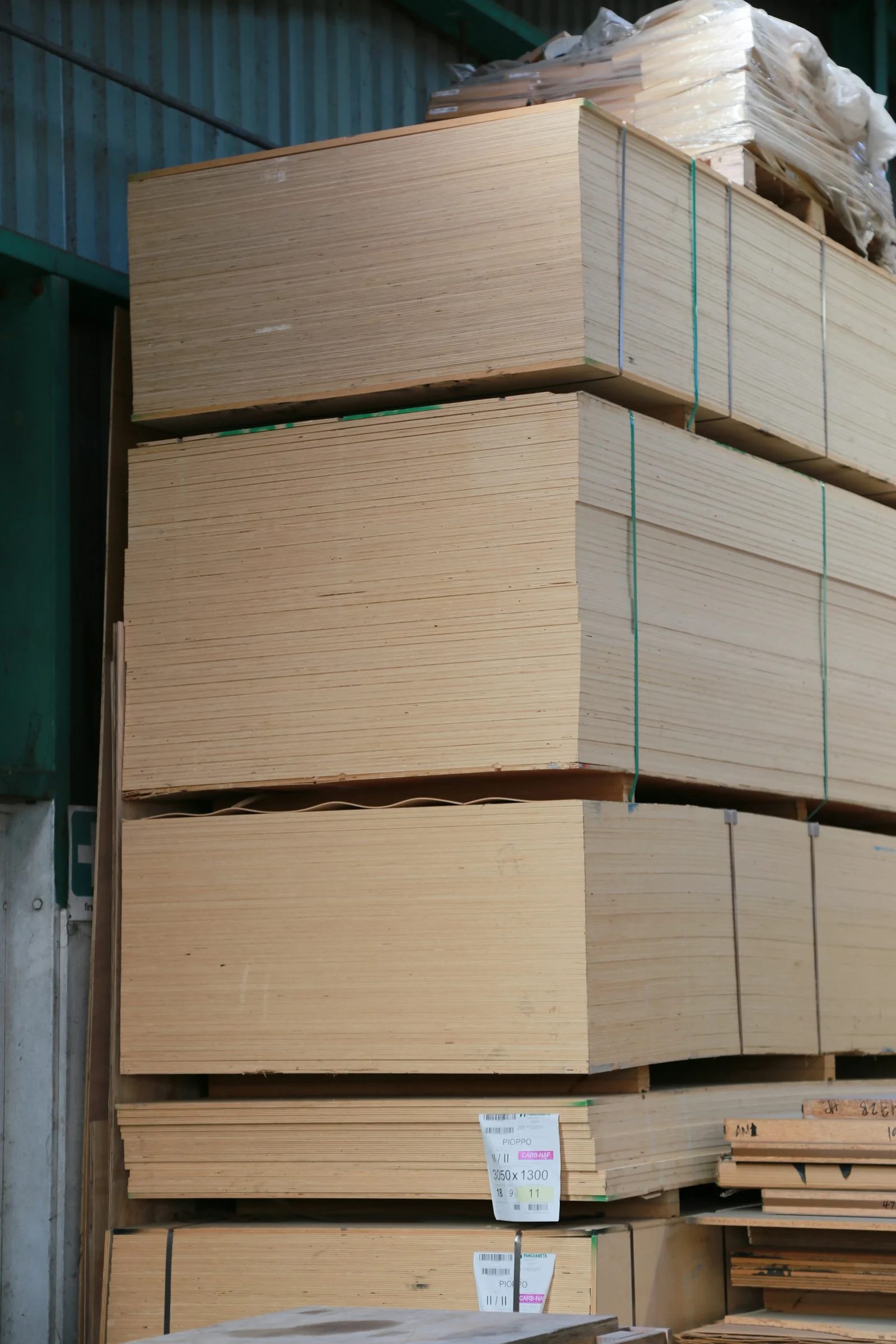
Fenner Dunlop's storage and handling literature explains that inappropriate handling and storage can affect a belt before it enters service. Its August 2023 article discusses protective packaging and asks users to check packaging and handling elements before moving rolls. These are existing manufacturer instructions, not evidence that a particular delivered roll is damaged.
For the receiving record, retain photographs of the identification and visible delivery condition. Note observed damage or discrepancies and refer them to the supplier before treating the material as accepted. Keep observations separate from diagnoses: a torn outer wrap and confirmed belt damage are not the same recorded fact.
Ask the supplier for the handling information needed by the site's responsible lifting team, including roll dimensions and gross weight. Do not improvise a handling method from an article or assume that another roll of similar appearance has the same requirements.
Give the storage location an owner
Fenner Dunlop's published storage advice discusses packaging, environmental exposure and contamination. Its January 2024 guideline addresses storage and handling for its belting. Obtain the instructions applicable to the actual supplied belt and packaging, then assign responsibility for maintaining that arrangement.
Record where the roll is stored and when that location or packaging changes. Ask which inspections or actions the supplier requires during the intended storage period and who will record them. A stores issue date alone cannot show what happened while the roll waited.
Keep uncertain periods visible, particularly if the spare is transferred between sites. The aim is an honest history that the supplier can assess, not an invented statement that the belt has been stored correctly at all times.
Review readiness before the maintenance window
Before the planned shutdown, confirm the roll identification against the approved replacement specification. Ask the belt supplier to review any recorded storage concerns and identify pre-installation requirements for that product. Confirm that the intended installation and joint arrangement are still the ones for which the spare was purchased.
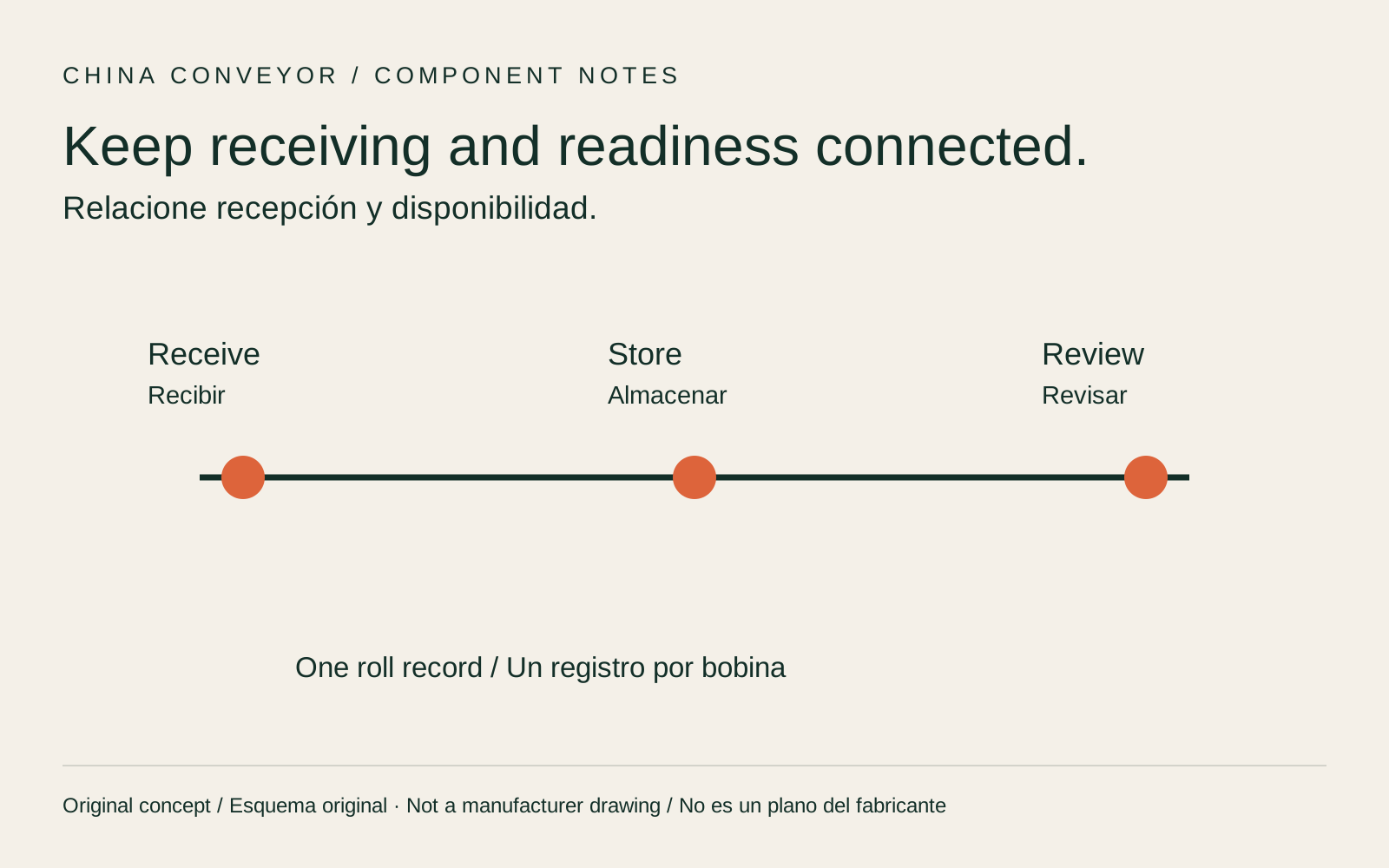
Keep the acceptance decision and unresolved questions with the maintenance plan. The original illustrations connect receiving, storage and installation records; they do not prescribe a lifting arrangement, storage interval or a shelf-life limit. The practical outcome is a spare whose identity and readiness can be reviewed before the outage begins.
Manufacturer announcements and our analysis are distinguished. Product claims require verification for the specific application.
Sources
Fenner Dunlop — Transporting, handling and storing rubber conveyor belts, August 2023 ↗Existing manufacturer guidance on packaging and storage. No lifting recipe, periodic action or temperature value is generalized to other products.
Fenner Dunlop — Recommended storage and handling guidelines, January 2024 ↗Product-family guidance used to support keeping applicable instructions and storage history. No shelf-life certification is claimed.