Order the working assembly, not only the base belt
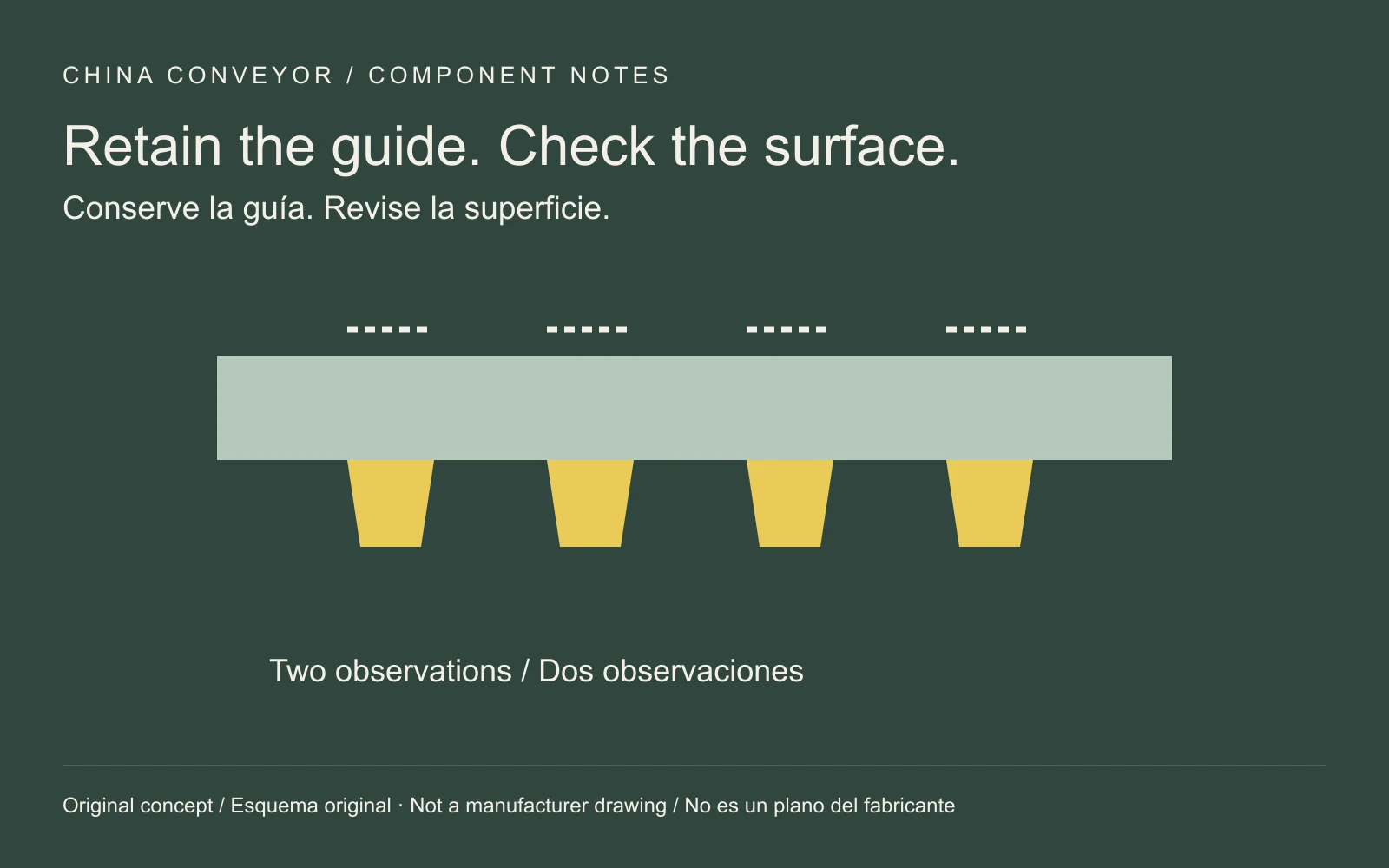
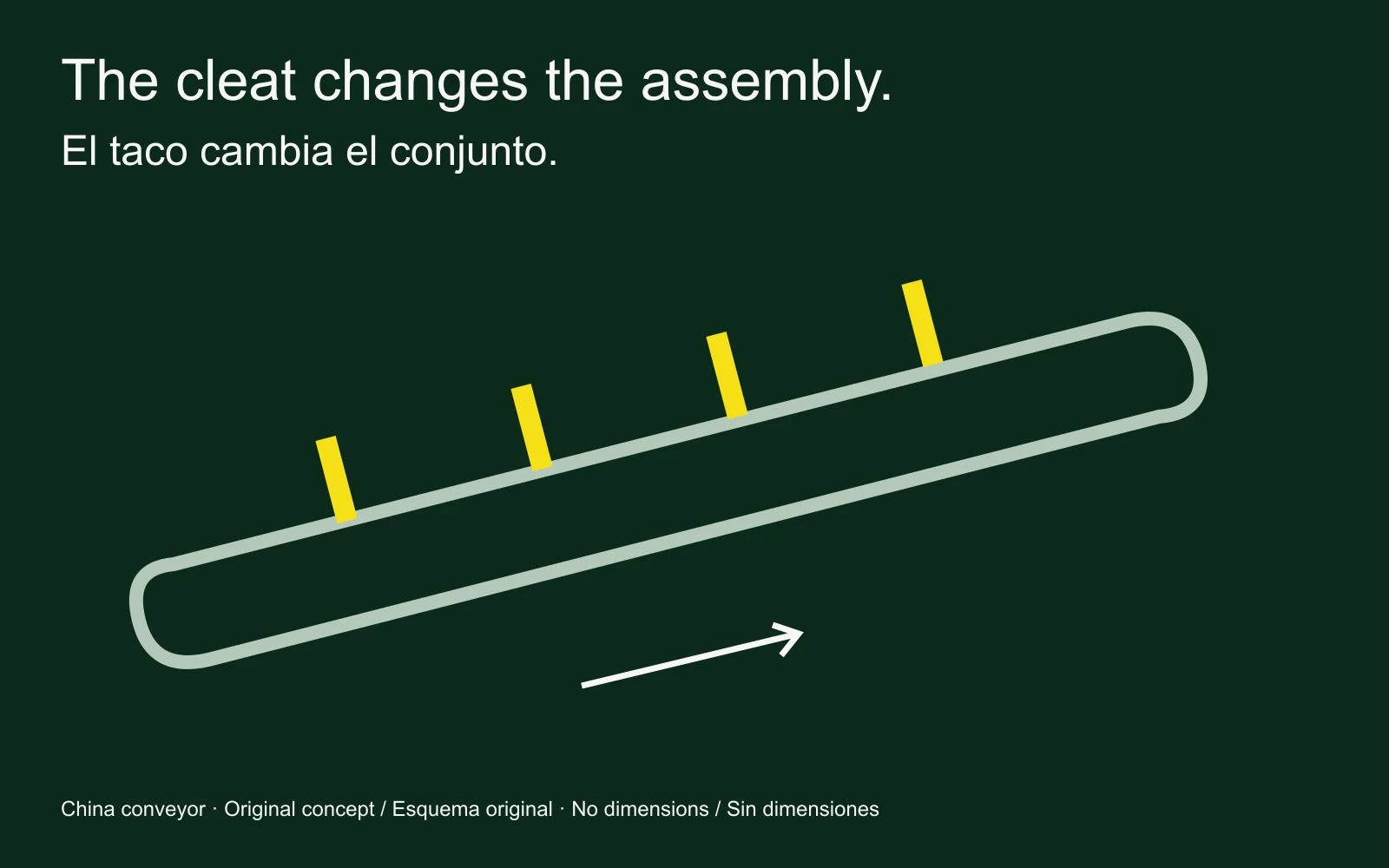
A replacement enquiry may identify the original belt correctly and still leave out the features doing the conveying work. Cleats, their spacing and any other fitted components belong in the specification of the supplied assembly. Record what is installed before comparing a plain belt price with a fabricated belt price.
Dorner describes cleats as features that can assist spacing and movement on inclines, with configuration depending on the application and conveyor model. That is a useful starting point for an enquiry, not evidence that adding any cleat creates the same result.
The smallest bend is a component question
Apache's cleated-belting guidance says the pulley assessment must consider the base belt and the other components attached to it. A minimum associated with the plain belt cannot automatically be treated as the minimum for the finished assembly.
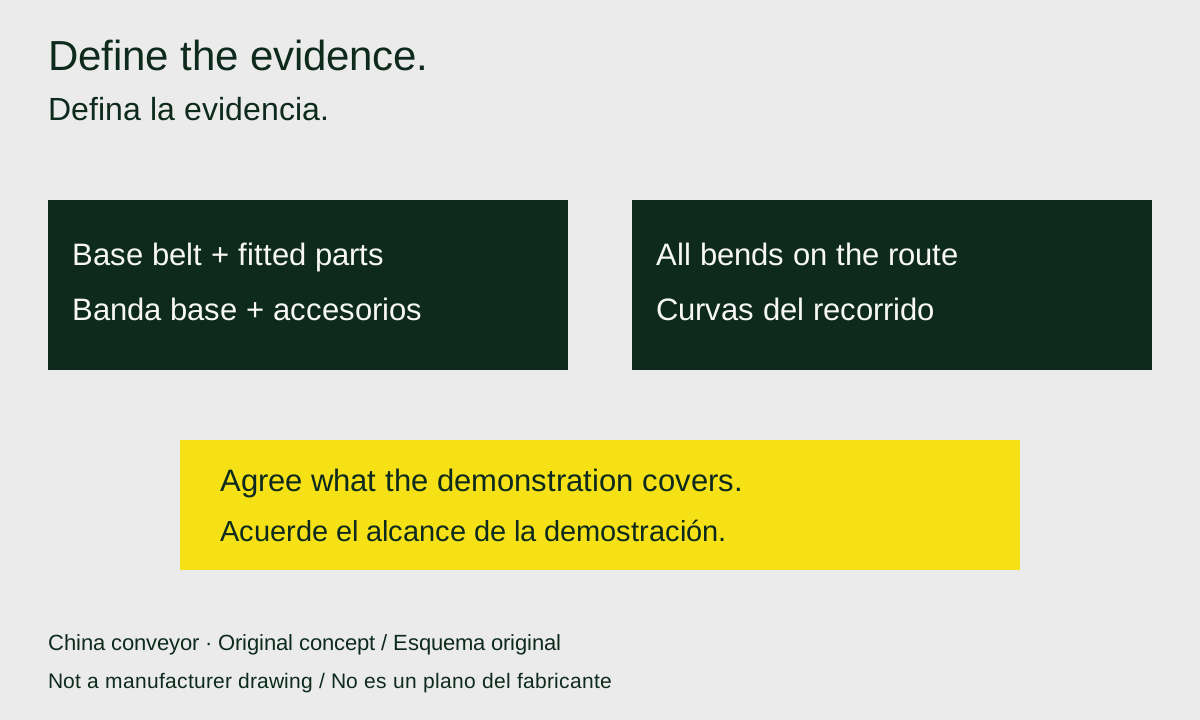
Ask the supplier to identify the applicable limits for the exact proposed belt and fitted features, and compare them with the actual route. Include bends in both directions where the installation has them. The manufacturer's review should decide whether the quoted configuration is compatible; this article does not provide a replacement diameter or a bending calculation.
Describe how the material enters and leaves the pockets
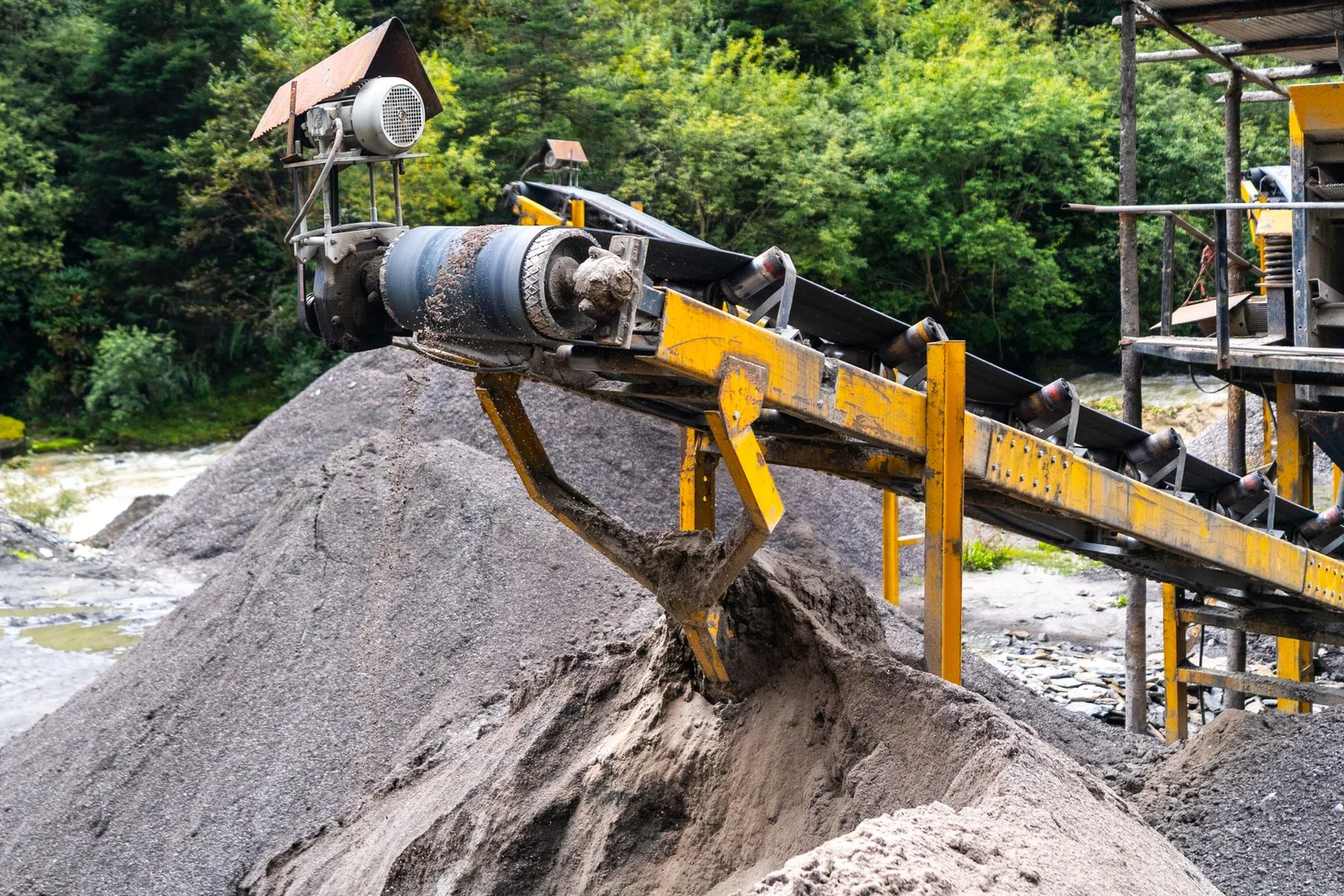
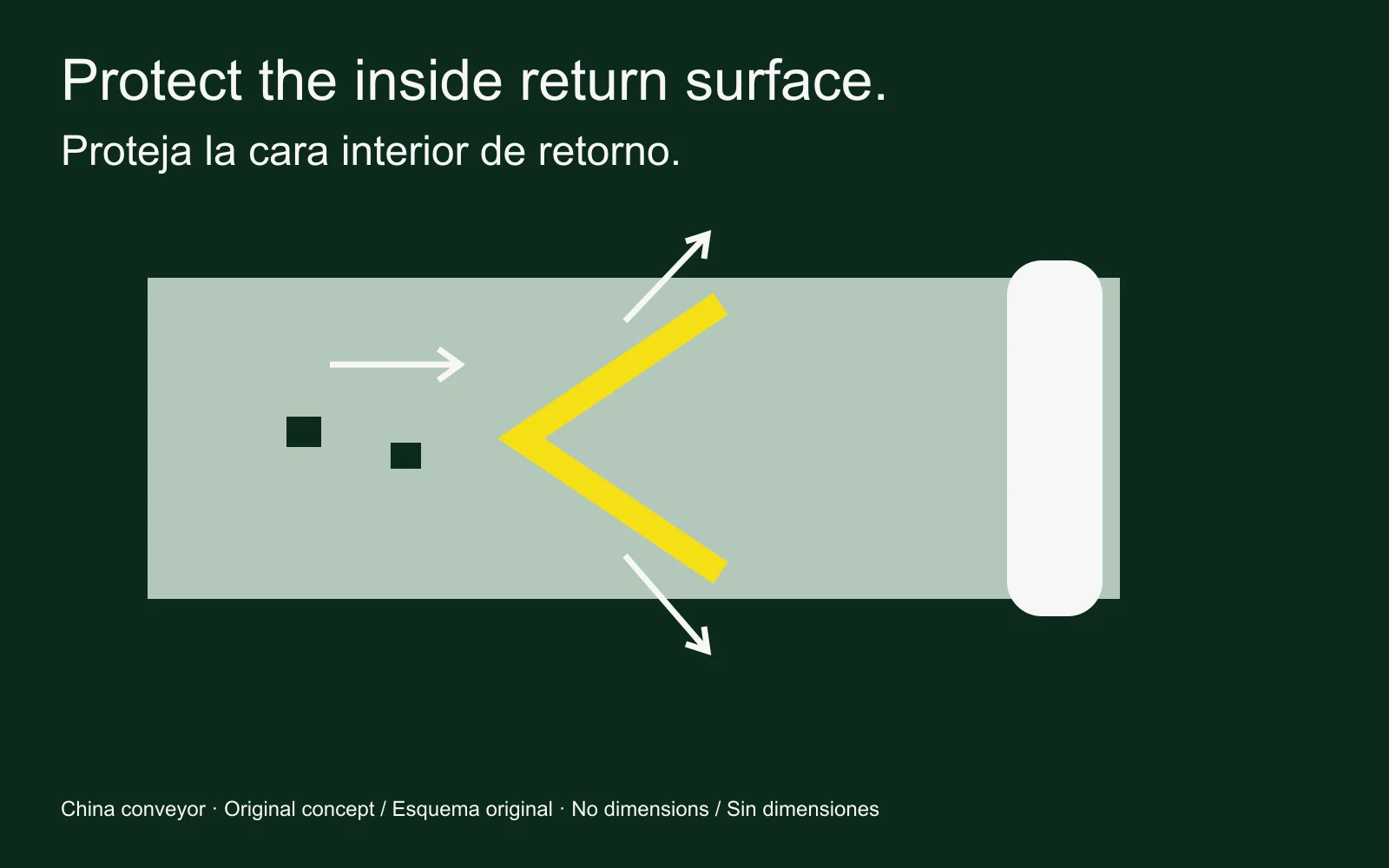
Show the product or material, how it is presented at the inlet and what needs to happen at discharge. Agree the representative cases for assessment, including any variation in product size or condition that matters to the process. A photograph of the incline alone cannot describe that full movement.
If the supplier changes cleat height, pattern or spacing, ask what the change is intended to achieve and how it will be demonstrated. Keep those choices with the product description instead of reducing the order to a nominal belt length and width.
Keep fabrication and acceptance in the same quotation
Request the supplied assembly specification, applicable joint arrangement, fitted-feature details and the supplier's installation instructions. State which inspection and demonstration work the price includes and who provides the representative material. Record exclusions as well as the included work.
The original illustrations explain why a fabricated belt is a combined selection. They do not reproduce a manufacturer's cleat profile, prescribe a pulley diameter or establish a permitted incline angle. The intended outcome is an identifiable replacement configuration that can be reviewed against the actual conveyor.
Manufacturer announcements and our analysis are distinguished. Product claims require verification for the specific application.
Sources
Dorner — Cleated belt conveyor solutions ↗Describes application-dependent cleat options and conveying roles. No published height or incline is generalized to other models.
Apache — Cleated belting and minimum pulley considerations ↗Explains that the pulley assessment includes all components of the fabricated belt. Product-table dimensions are not used as universal settings.