Do not qualify an empty bottle with a full one
A successful run with filled bottles leaves the empty-container duty untested. Before accepting the proposed route, identify where bottles are empty, filled, capped or otherwise changed in the process. Keep those states separate in the trial list. Include the approved container shapes and base variations, rather than asking the supplier to demonstrate only the easiest filled bottle already available in the workshop.
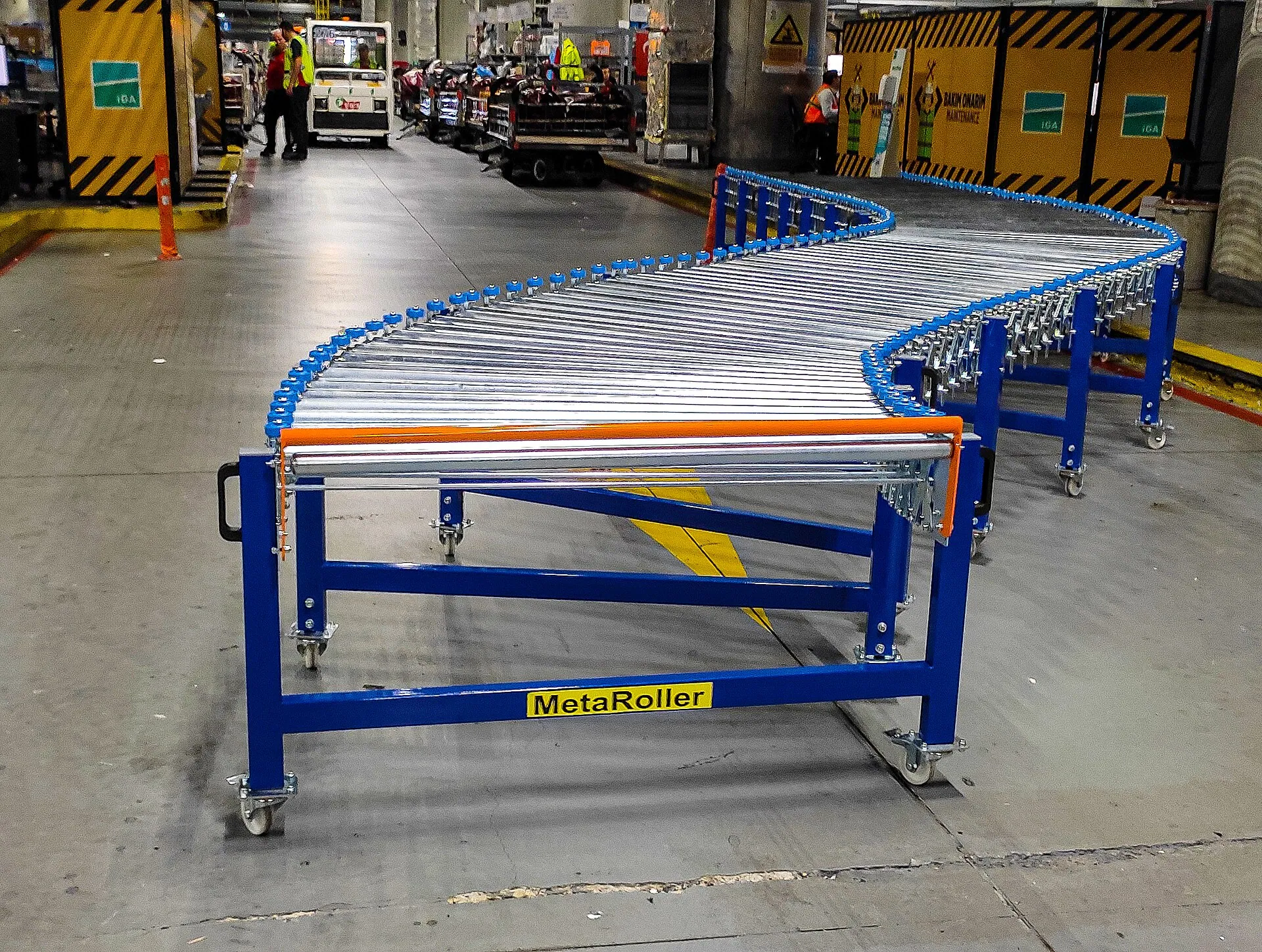
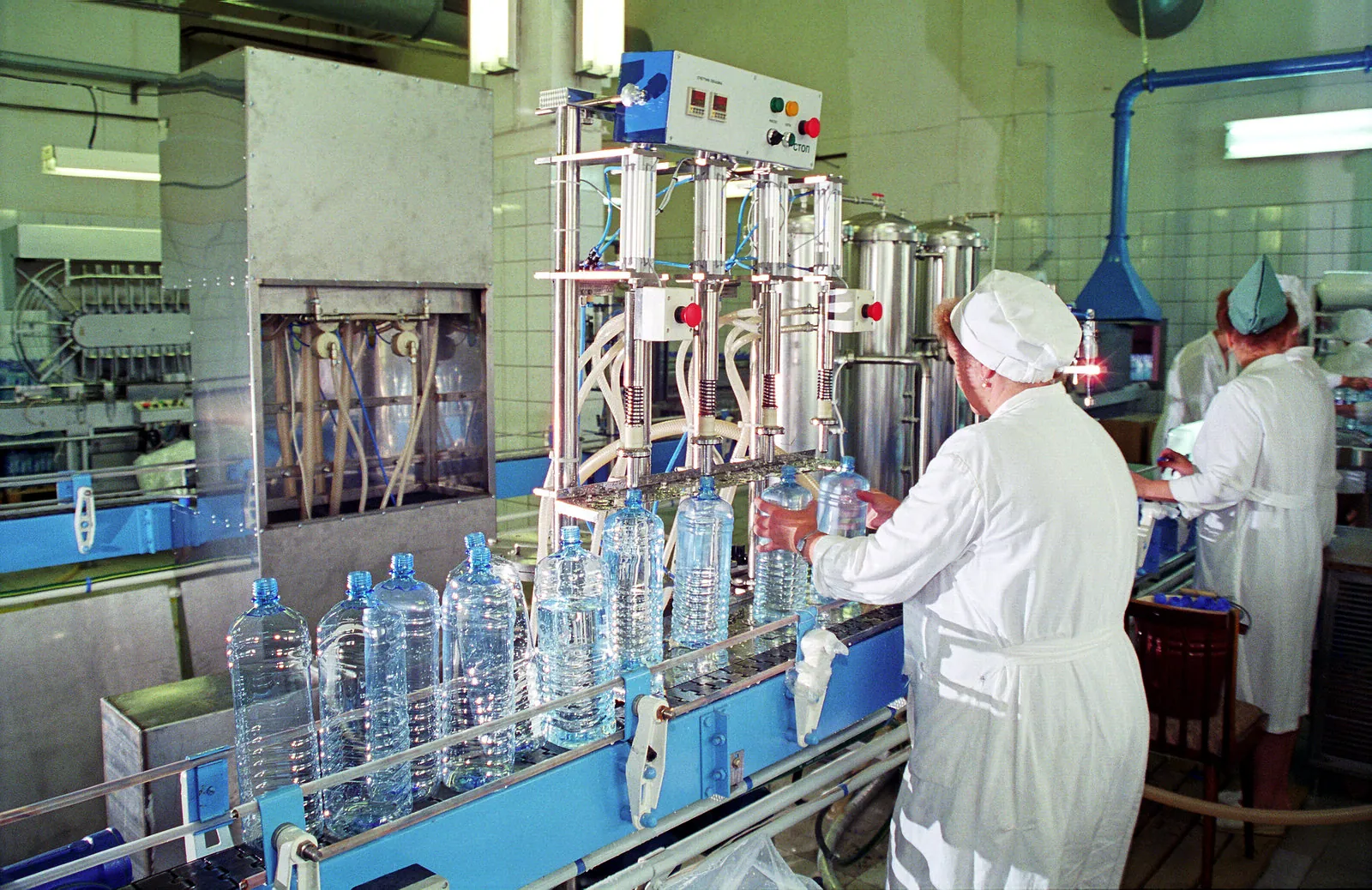
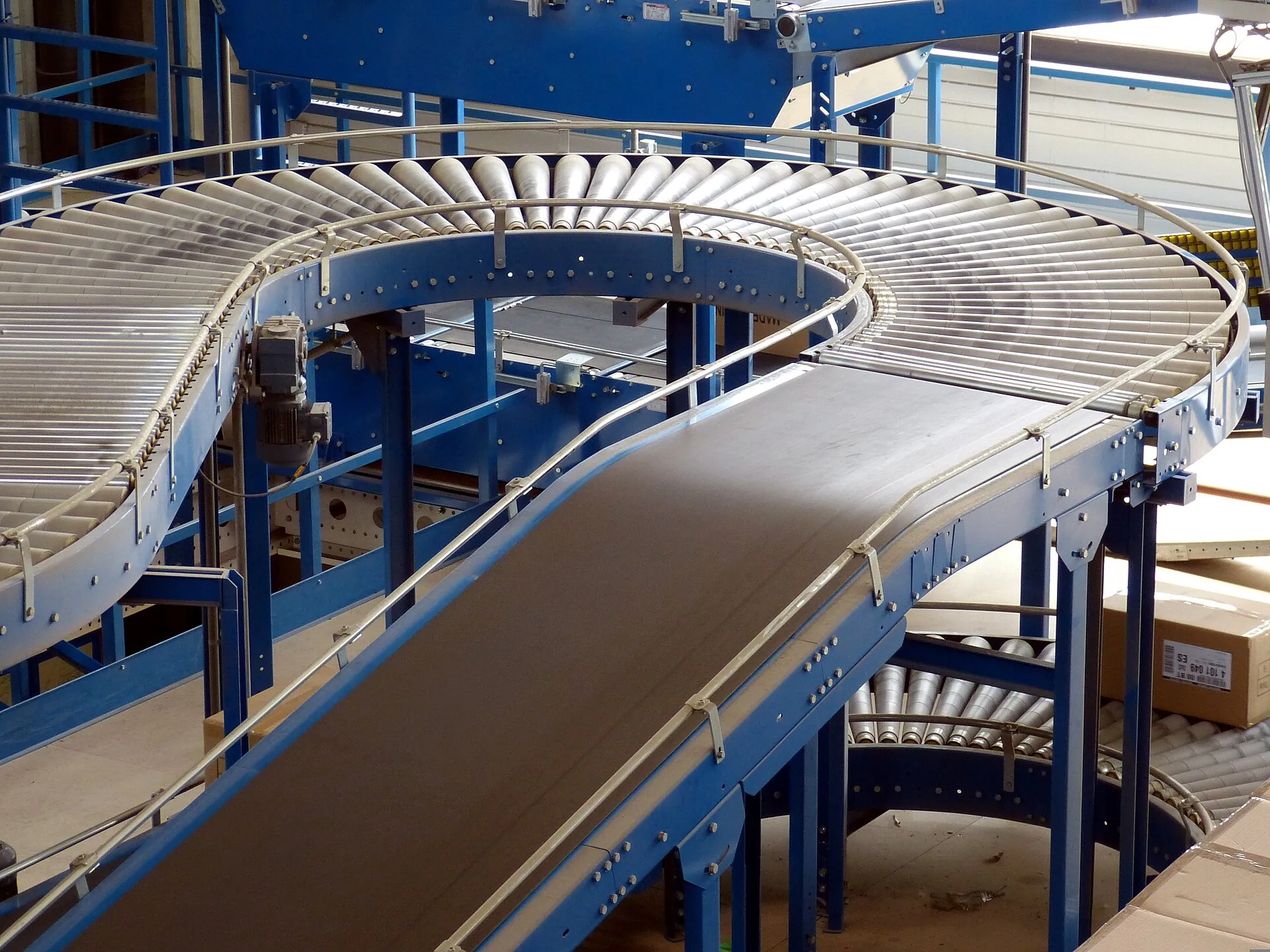
Describe the required presentation after the curve: upright arrival, a particular face toward a labeler, or a controlled entry into another machine. These are different requirements, and a bottle can satisfy one while failing another. Dorner's bottling overview discusses container handling and orientation as distinct application tasks. Use that distinction to define the handover you need. The bottling-line and curved-conveyor photographs here are illustrative context; they are not photographs of an empty-bottle trial and do not establish a suitable curve radius or guide setting for your container.
Draw the support and the guide contact
Ask for a view of the product path through the complete curve, including the straight sections at both ends. Identify the supporting surface, guide locations and any interruption at the entry or exit. Request an explanation of where the container is expected to contact a guide and where the design expects it to travel freely. A conveyor centreline on a floor plan does not describe those details.
Compare that drawing with real sample containers and the changeover range. Include shoulders, handles or unusual base features where present, so the review does not rely only on a nominal bottle diameter. Ask how guide adjustments are identified and repeated for each approved format. Avoid treating a flexible chain layout as an automatic answer to stability: Dorner's FlexMove range illustrates layout possibilities, while the container-specific arrangement still needs review. Do not add improvised guide extensions around moving containers. Proposed changes should be designed and checked by the responsible equipment supplier.
Include the pause before the restart
A continuous demonstration can conceal the behaviour that matters when the next machine stops accepting bottles. Ask the integrator to describe the planned response to downstream pauses and how container spacing or accumulation is managed at the curve. Establish whether the proposed operating method allows bottles to touch and under which conditions. A general ability to convey containers does not define an acceptable accumulation duty.
Include the agreed pause and restart sequence in a controlled trial, using the actual empty and filled states relevant to that part of the route. Observe where a bottle first leans, rotates, hesitates or fails to enter the next machine correctly. Record these events separately from a simple count of bottles delivered. Ask how a fallen container is detected or handled within the approved operating procedure. Do not catch a leaning bottle by hand or remove one from running equipment to hide a trial failure; record the event and let the responsible team resolve the design or setup.
Make changeover part of the purchase
For each accepted container, retain the sample identity, process state, route drawing, agreed operating settings and guide positions. Ask the supplier to show how an authorized operator returns to those positions after a format change. Include the receiving machine in the acceptance record, since delivering upright bottles to an open collection point is different from delivering the presentation required at a tightly defined machine entry.
Request the inspection points and replacement references for the selected guides and supporting components. Ask which changes require another review, including a different container base, closure or production state. Compare quotations against the same container list and the same pause-and-restart duty, rather than comparing the conveyor length and motor alone. The valuable result is a repeatable route for your approved bottle family, with documented limits and responsibility for the adjoining equipment. A compact curve is useful only when the bottles and the process can use it under the conditions that were actually agreed.
This guide helps define questions and requirements. Technical decisions require application documentation and review.
Sources
Dorner: canning and bottling conveyors ↗Describes container handling and orientation options. These examples do not establish the settings or stability of another line.
Dorner: FlexMove conveying systems ↗Provides examples of flexible chain layouts. Layout availability is not proof that an empty bottle will remain stable through a specific curve.