Name the material before blaming the blade
A new cleaner has been installed, yet material still appears beneath the return run. Before ordering a different blade, establish where that material originates. Ask the site team to distinguish material carried beyond discharge on the belt from leakage at the loading point, a leaking chute or another source. Draw the discharge and return route, then mark where deposits first appear. A photograph of one pile alone cannot establish the cause.
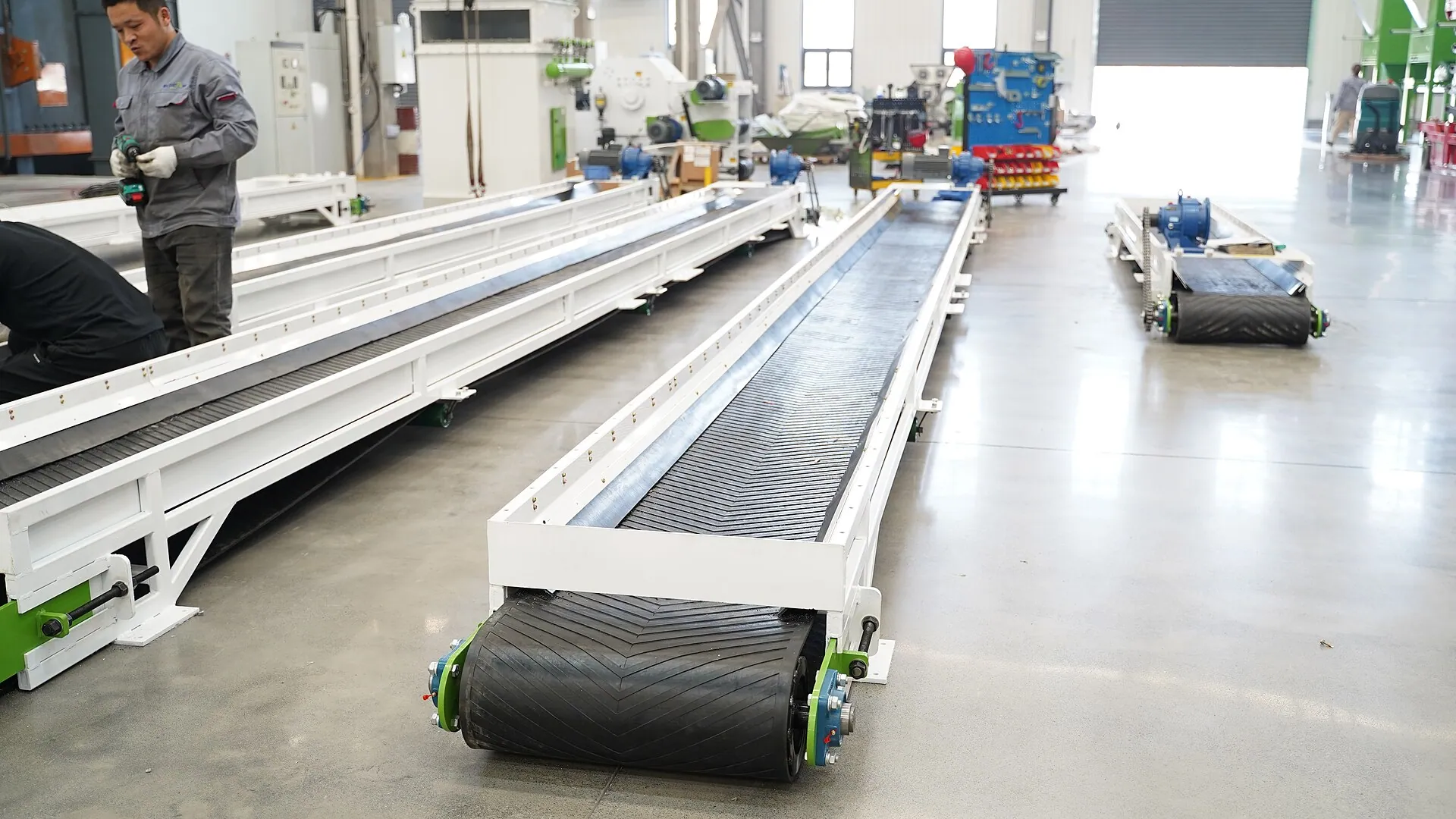
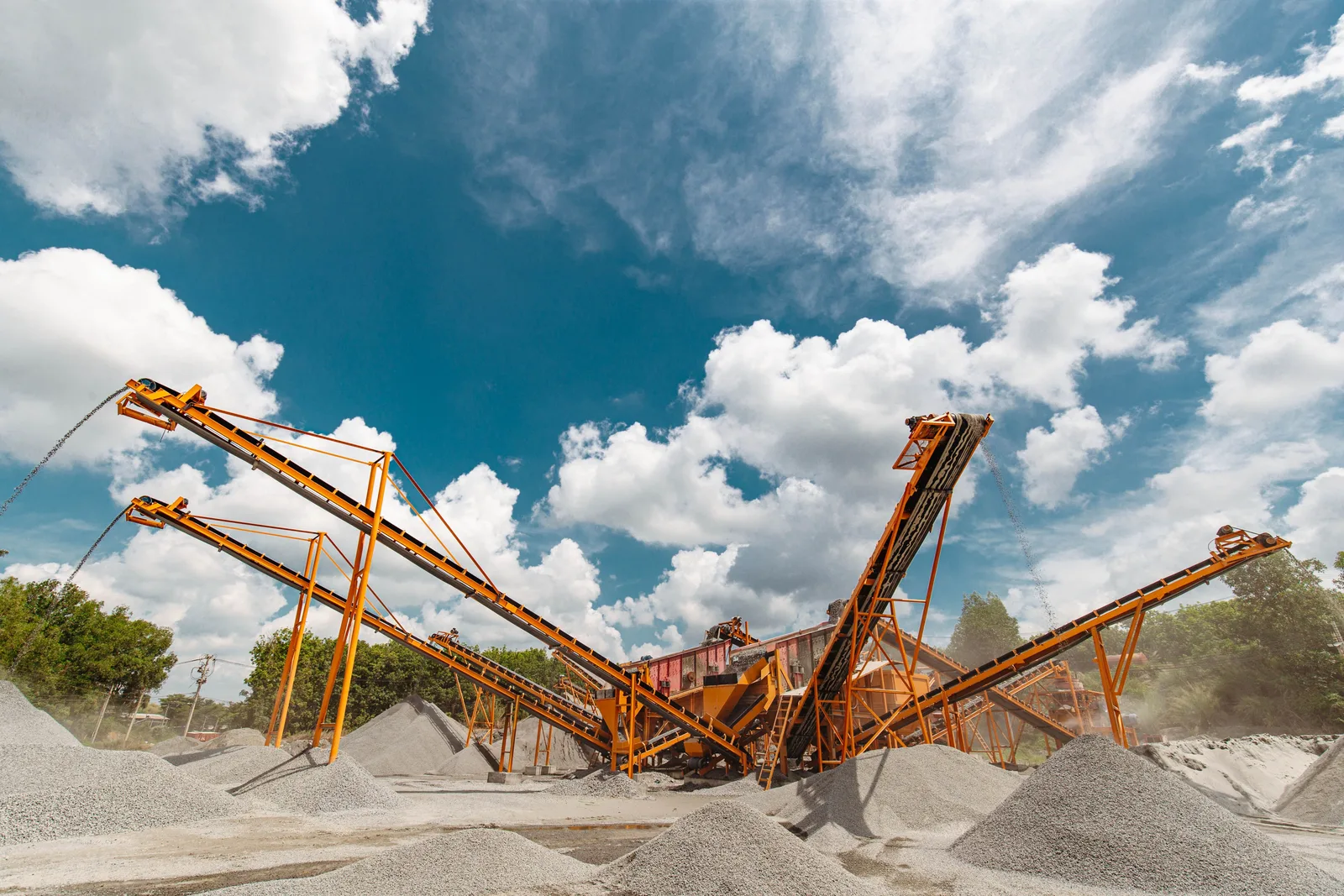
Record the conveyed material and its observed condition during the affected duty, including changes between dry and wetter operation if these occur. Note the installed cleaner model, belt identity and the date or work order for its installation. Keep observations connected to the same operating period rather than comparing unrelated photographs. The bulk conveyor and roller photographs in this article illustrate the equipment context; they do not document a cleaner installation, a measured fault or a successful repair. This is a diagnostic purchasing brief, not a claim about the pictured machinery.
Ask what remains after primary cleaning
Martin Engineering describes secondary cleaners as removing residual material left after primary cleaning, and discusses why finer, wetter residue may require a different cleaning task. This supports asking what remains on your belt; it does not establish that every site needs an additional cleaner. Have the supplier first review whether the existing assembly is correctly selected, installed and maintained for the actual duty.
Provide belt width, operating direction, speed range and splice details from the machine records, along with the material observations. Identify any reversing or rollback requirement instead of leaving it for commissioning. Ask the supplier to explain the proposed blade material and compatibility with the belt and joint. Do not increase tension by guesswork to compensate for an unexplained problem. Request the adjustment limits and procedure for the identified model. Separate correcting an existing installation from adding another cleaning stage, with a stated reason and scope for each proposal.
Give removed material somewhere to go
A cleaning proposal should show the material's destination after it leaves the belt. Ask for a drawing of the collection area and its connection to the intended material route. Include available space and obstructions at the discharge, not just a photograph of the outside guard. If the proposal moves cleaning farther along the return path, ask who designs the associated collection arrangement and how that arrangement will be inspected.
Review access for the maintenance team as part of the same drawing. A blade that fits into a narrow space is not necessarily an assembly that can be removed and replaced there. Ask the supplier to show the withdrawal direction, lifting or handling requirements and any parts of the collection system that must be opened. Identify how accumulated material is cleared under the site's approved isolation procedure. Do not treat routine hand cleaning around moving components as the solution to an unresolved collection or access problem. Those working arrangements need review before purchasing.
Accept a result you can observe again
Agree an observation plan for the relevant material condition and operating duty. Record where carryback is assessed, how deposits are distinguished from other leakage and when the observation is made after cleaning. Use the same method before and after a proposed change. If measurements are required, agree the collection method and responsible personnel with the site team; do not borrow a removal percentage from a manufacturer's example as the promised result for your plant.
Keep the accepted cleaner configuration, blade reference, adjustment instructions and inspection responsibilities in the maintenance record. Ask what signs require an inspection or replacement and obtain model-specific limits from the supplier. Record a change in belt surface, splice or conveyed material so the team can review whether the original selection remains suitable. The purchasing decision should connect an identified source of carryback to a cleaning and collection arrangement that can be maintained, with an agreed way of checking the outcome after the next blade change.
This guide helps define questions and requirements. Technical decisions require application documentation and review.
Sources
Martin Engineering: secondary belt cleaners ↗Explains the secondary cleaner's role after primary cleaning. No removal percentage or universal installation dimension is adopted.
Martin Engineering: new cleaner, remaining carryback ↗Discusses residual material and application-specific cleaner selection. Its performance percentages are not used as guarantees.