Conveyor and transmission belts: deleted from Annex I
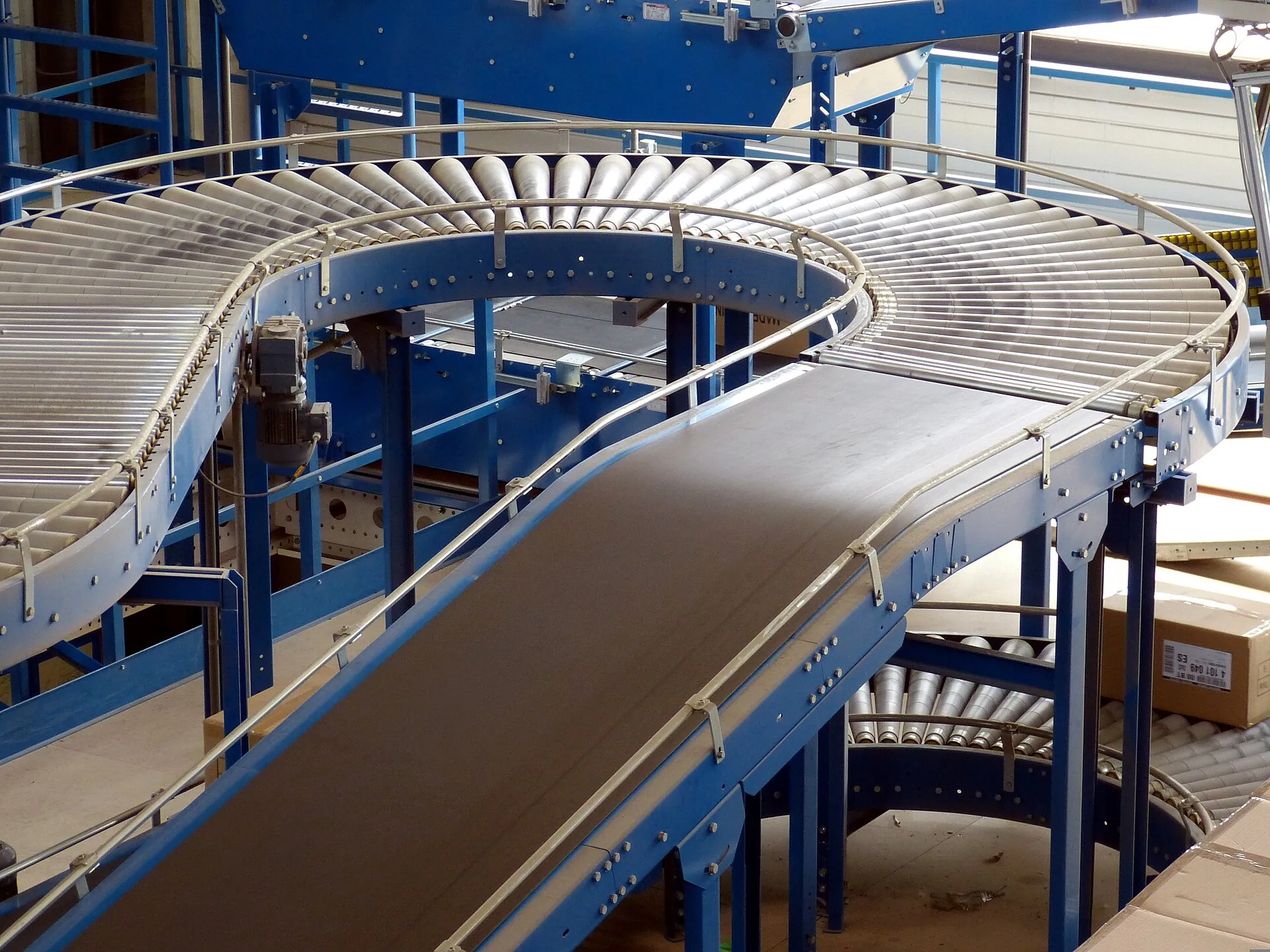
The European Commission has deleted conveyor and transmission belts from the EU Deforestation Regulation, weeks before the law's due-diligence duties begin to apply. Commission Delegated Regulation (EU) 2026/2102, adopted on 13 July 2026 and published in the Official Journal on 17 September 2026, removes HS code ex 4010 - conveyer or transmission belts or belting of vulcanised rubber - and ex 4016, other articles of vulcanised rubber, from Annex I of Regulation (EU) 2023/1115; it entered into force on 18 September 2026. The parent regulation's application dates are unchanged: large and medium-sized operators and traders must comply from 30 December 2026, and micro and small operators from 30 June 2027. In recital 11, the Commission states the reasoning in terms a buyer can quote back to a compliance department: 'Conveyer, transmission belts, and other articles of vulcanised rubber covered by HS codes 4010 and 4016 of the Combined Nomenclature contain low amounts of natural rubber and therefore their contribution to deforestation is limited.' It concludes: 'Subjecting these products to the obligations laid down in Regulation (EU) 2023/1115 is not proportionate with regard to their contribution to the achievement of the objectives of that Regulation.'
Annex I after the amendment: the codes that stay in scope
The scope that remains is specific, and it is where the buyer's attention now belongs. Deleted from Annex I: ex 4010 conveyor and transmission belts, ex 4016 other vulcanised-rubber articles, cattle hides and leather, soya beans for sowing, and seats for aircraft and motor vehicles; ex 4012 is narrowed to ex 4012 90 30, tyre treads only. Still listed for rubber, in each case only where the product contains natural rubber from Hevea brasiliensis or is made using it: ex 4001 natural rubber in primary forms, ex 4005 compounded rubber, unvulcanised, ex 4006 unvulcanised forms and articles, ex 4007 vulcanised thread and cord, ex 4008 plates, sheets and strip, ex 4011 new pneumatic tyres, ex 4013 inner tubes, ex 4015 gloves and ex 4017 hard rubber. The amendment also clarifies that samples and products used for examination, analysis or testing sit outside the scope, as do waste and used or second-hand products under the stated conditions. The editorial judgement can be given now rather than saved for the end: for a finished belt, the EUDR question is closed; for the rubber that goes into one, it is not - and purchasing documents should be rewritten to reflect exactly that split.
Duties that remain: raw rubber, compound and the first EU placer
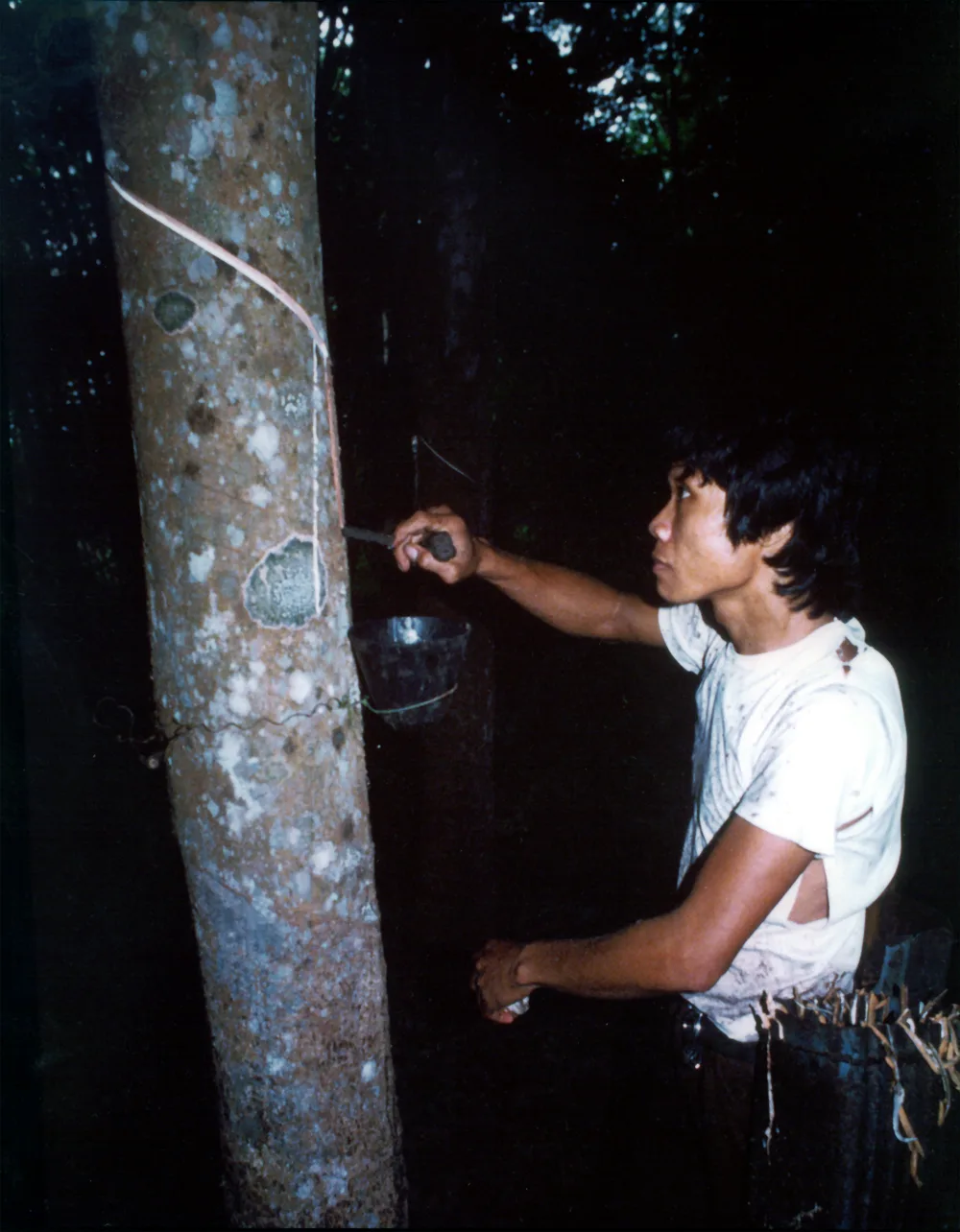
The deletion moves the compliance burden upstream; it does not abolish it. An EU belt manufacturer that imports natural rubber (ex 4001) or unvulcanised compounded rubber (ex 4005) remains an operator under the regulation, with the full apparatus intact: the product must be deforestation-free against the 31 December 2020 cut-off, produced in accordance with the relevant legislation of the country of production, and covered by a due diligence statement filed in the EU information system before it is placed on the market, supported by geolocation data for the plots of land concerned. The December 2025 simplification package concentrated that filing duty on the first operator placing a product on the market, with downstream operators and traders collecting and retaining reference numbers rather than filing statements of their own. Origin risk still differentiates suppliers: Malaysia, for example, is classified as standard risk, so natural rubber sourced there carries full due diligence, as the Malaysian Rubber Council's compliance guidance sets out. A belt buyer does not file these statements - but a belt buyer's supplier may, and the cost and audit exposure of doing so sit inside the compound price.
Contracts and RFQs: EUDR clauses written for a scope that changed
What follows is this journal's method, not a requirement of the regulation. Belt tenders prepared during 2025 and early 2026 were commonly drafted against the unamended Annex I, and many now carry clauses obliging the belt supplier to deliver plot-level geolocation data, deforestation-free attestations for the finished belt, or a due diligence statement reference number with each shipment. A delegated regulation does not rewrite signed contracts: a clause demanding EUDR documentation for a product the EUDR no longer covers remains contractually binding until it is varied, and suppliers who built data-collection systems to answer it will keep charging for them. The buyer should therefore audit the clause, not just the law. Where the contract or RFQ template references Annex I as amended from time to time, the belt-level demands fall away automatically; where it freezes the product list, or names HS 4010 expressly, the documentation duty survives as a private obligation and should be renegotiated at renewal rather than enforced by habit. The re-aimed question is narrower and more useful: not whether this belt is deforestation-free, but what the supplier's own due diligence file shows for the natural rubber and compound it imports.
What the deletion does not settle: monitoring, customers and the 2030 review
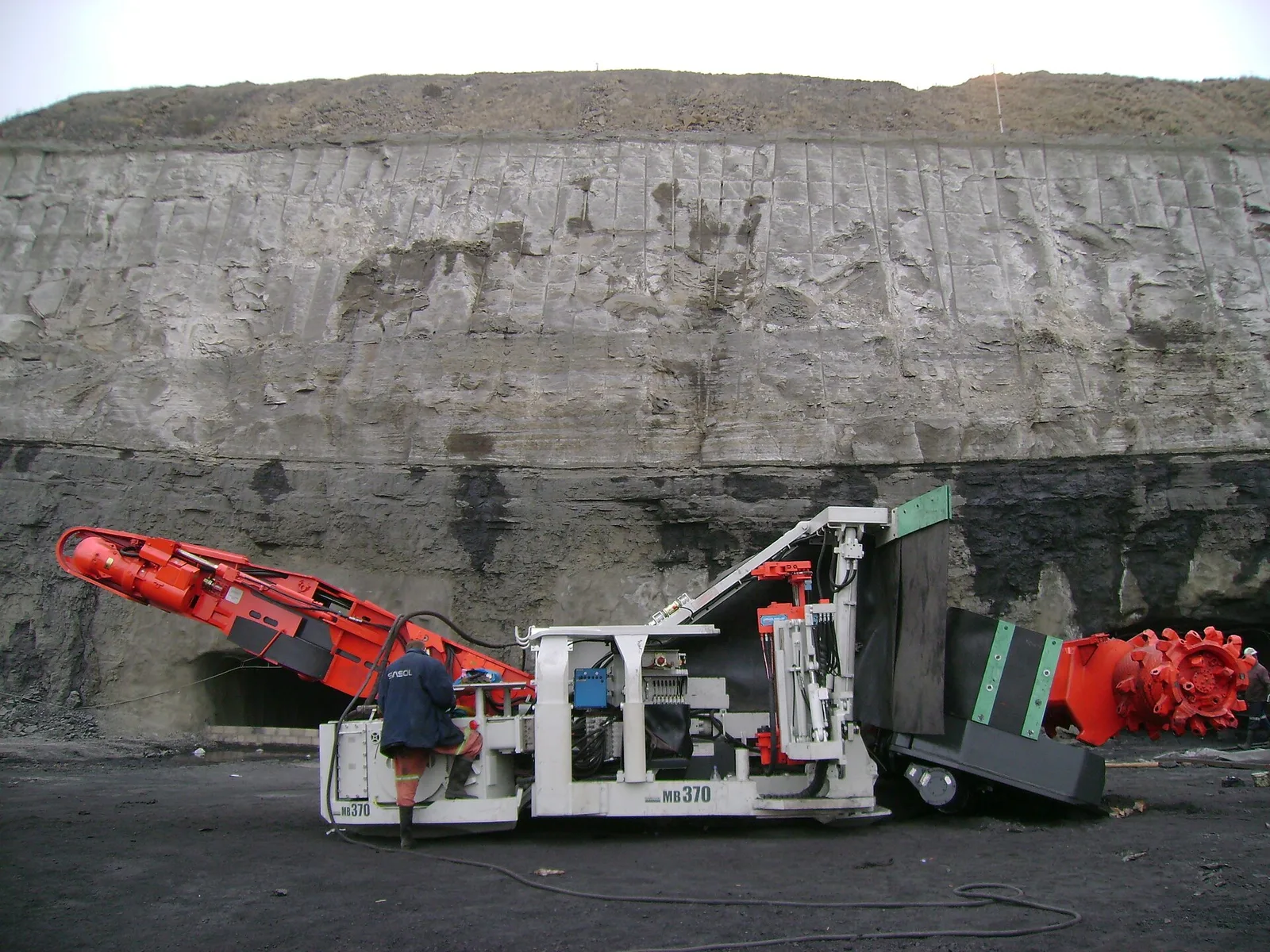
Three qualifications keep this from being a closed file. First, the Commission states in the same delegated regulation that it will continue monitoring the products removed from Annex I, and that their treatment will be revisited in the regulation's general review in 2030; a buyer who deletes every traceability record in 2026 may have to rebuild the file later. Second, the legal duty was never the only source of documentation requests: mining groups and other end users with deforestation or ESG commitments of their own can keep asking belt suppliers for origin evidence as a matter of contract and policy, and several large belt makers have built traceability offers that will not be withdrawn because a code left an annex. Third, the deletion is product-specific, not supplier-specific: a supplier whose belt is out of scope may still be an operator for its tyres, gloves or raw-rubber trades, and a group-level supplier assessment should not be flattened by the headline. None of this restores a filing duty for belts; it defines what a prudent buyer keeps on file voluntarily.
The buyer's checklist: drop, keep and re-aim the documentation
First, drop the belt-level items: due diligence statement reference numbers, plot geolocation and deforestation-free attestations for finished belts under HS 4010 should come out of EU belt RFQs and framework agreements at the next revision, citing Delegated Regulation (EU) 2026/2102 rather than supplier assurances. Second, keep the upstream evidence: where a belt maker compounds in the EU from imported natural rubber or unvulcanised compound, ask what its operator due diligence covers and which country-risk classifications its rubber origins carry. Third, check the contract mechanics: whether existing clauses track Annex I as amended or freeze a product list determines whether anything needs renegotiating before the 30 December 2026 application date. Finally, diary the two dates that govern what remains - 30 June 2027 for micro and small operators, and the 2030 general review at which removed products are revisited. This journal's silica-rule coverage treated a regulation whose deadlines were stayed but whose duties survived; this amendment is the opposite shape, with the duties for belts deleted outright, and the buyer's paperwork should be adjusted with the same precision in the other direction.
Manufacturer announcements and our analysis are distinguished. Product claims require verification for the specific application.
Sources
Commission Delegated Regulation (EU) 2026/2102 - Official Journal text ↗Delegated act under Regulation (EU) 2023/1115, adopted 13 July 2026 (C/2026/4920) and published in the Official Journal on 17 September 2026. Opened in full on EUR-Lex: source for the deletion of ex 4010 and ex 4016 from Annex I, the recital 11 reasoning quoted verbatim in section 1, the recital 2 commitment to keep monitoring removed products ahead of the 2030 general review, and the recital 14-15 clarifications on waste, used products and samples.
Malaysian Rubber Council - EUDR overview and product scope ↗National rubber-industry council compliance page, opened in full. Source for the amended regulation's entry into force on 18 September 2026, the code-by-code scope table after amendment (ex 4001 natural rubber limited to Hevea brasiliensis, with ex 4005 and the other rubber codes remaining listed), the revised application dates of 30 December 2026 and 30 June 2027, and Malaysia's standard-risk classification, under which its natural rubber carries full due diligence.
Governance & Accountability Institute - EU finalizes deforestation regulation ↗Sustainability-news summary of the 13 July 2026 delegated and implementing acts, opened in full. Corroboration for the removal list (cattle hides and leather, re-treaded tyres, soya beans for sowing, vulcanised-rubber articles including conveyor and transmission belts, and aircraft and vehicle seats), the Commission's confirmation of no further extension to the 30 December 2026 and 30 June 2027 deadlines, and due diligence statements being filed through the EU information system by the first operator.