The event: a belt contract that outgrows the belt
On 14 September 2026, in Wuxi, China, conveyor belt maker BOTON and SimFer, the Rio Tinto-controlled operator of Guinea's Simandou iron ore project, signed a long-term intelligent operations support services agreement for the project's conveyor systems. The signing was attended on the buyer's side by Rio Tinto's General Manager for China and Simandou Procurement - a detail worth noticing, because it marks the deal as a procurement decision, not a maintenance arrangement. At the same ceremony BOTON globally launched SERV, its lifecycle service offering for mining conveyor systems, built on four stated principles: safety, efficiency, reliability and value creation.
The scope is the story. BOTON's work at Simandou began in 2024 with conveyor belt supply and on-site installation; in late 2025 it became involved in the project's long-term operational support services, and the new agreement formalises that expansion after multiple rounds of technical and commercial discussions and site visits. The belt supplier is no longer finished when the last splice cures. It stays for the operating life of the system.
What the service scope actually contains
What BOTON lists as its current lifecycle service capabilities is a useful map of what 'service' now means on a large conveyor system: condition assessment; preventive maintenance; conveyor belt splicing and repair; on-site technical support; operational optimisation; intelligent monitoring; and automated inspection. Under SERV, the company describes AI-powered visual recognition, intelligent monitoring and early-warning technologies for safety; data-driven operational optimisation and preventive maintenance for efficiency; and digital twins, condition assessment and lifecycle data for reliability. Delivery at Simandou is to combine a local service capability in Guinea with the supplier's global technical and engineering resources.
Two cautions apply to any such list. These are the supplier's descriptions of its offering, published at its own launch; what an individual contract actually commits - attendance times, staffing levels, which tasks are included and which are extras - sits in documents that are not public. And capability claims can be tested: BOTON says the same capabilities are already applied across mining, port, steel and power projects in Australia, Africa, Southeast Asia and China, which is a claim a buyer can check with reference calls, not from a press release.
Not a one-off: the framework pattern repeats
Simandou is the second time in 2026 that one of the world's largest iron ore producers has widened a BOTON relationship from product supply towards lifecycle support and service capability: BHP signed a global framework agreement with the company earlier in the year, extending the partnership beyond product supply to technology development and lifecycle support, building on work at the Escondida copper mine that explores longitudinal rip detection, X-ray digital scanning, AI-based automatic belt alignment and robotic inspection at scale. The two agreements are not the same instrument - a framework for co-development is not an operations support contract - but they point the same way: on high-tonnage systems, the belt OEM is being written into the operating phase, not only the supply phase.
For buyers, the pattern matters more than either signature. A service relationship changes the supplier's incentive: a belt maker paid for product earns when belts are replaced; a service partner measured on availability earns when belts last. That alignment is the real offer - and it only exists if the contract actually measures it.
What changes in the buyer's specification
The specification problem moves. A belt purchase is specified in physical terms: carcass construction and rating, cover grades, splice design and efficiency, tolerances. A lifecycle service is specified in commitments, and every commitment needs a definition a contract can enforce. Scope first: which conveyor systems and which tasks are inside - condition assessment at what cadence, splicing and repair included or called off separately, spares supplied by whom and stocked where. Performance second: if availability is the promise, the contract has to say availability of what, measured over which hours, with which exclusions - and whose data is the record. Where the monitoring system comes from the same supplier, it generates much of that record, which is precisely why the measurement basis cannot be left to the brochure.
Data third - and it is the clause buyers most often underwrite. A service partner accumulates the condition history of your conveyors: wear rates, splice performance, failure patterns - the lifecycle dataset the supplier itself describes as the basis of its value creation. The tender should settle who owns that data, in what form it can be extracted during the term, and what is handed over, complete and readable, when the contract ends. Without that, changing service provider means restarting the condition history from zero: a switching cost that has nothing to do with the price of belting.
Questions to put in a lifecycle service tender
Five groups of questions cover most of the risk. On scope: is splicing and belt repair inside the rate or an extra; who supplies and stocks spare belting and components in-country; and what does the local delivery team actually consist of - named roles and numbers, not a regional map. On performance: which KPIs are contractual rather than aspirational, what reporting the buyer receives, and what follows a miss. On data: ownership, access during the term, and format and completeness at handback. On capability: what the buyer must keep in-house, because even a fully outsourced conveyor function needs an owner's engineer able to audit the service it buys. And on exit: term, benchmarking or market-testing rights, and a handback condition assessment, so the next provider - or the buyer's own team - inherits a documented system rather than a mystery.
None of this argues against the model. On a remote, high-tonnage system, an OEM holding the design data, with splicing crews and monitoring on site, is a rational answer to a real staffing and reliability problem. The argument is narrower: the service specification deserves the same engineering rigour as the belt specification it now sits beside, because over a long term it decides more of the outcome.
The boundary with the monitoring story
It is worth separating this from two neighbouring questions. A monitoring platform can be bought as equipment and specified as equipment - sensor coverage, detection performance, data interfaces - with no service contract attached; that equipment question was the subject of an earlier article on this site. A service agreement is a different purchase: it decides who acts on what the monitoring finds, who carries the availability risk, and who owns the record afterwards. The two are often bundled by the same supplier, which is a reason to price and specify them separately, so each can be compared against its own market.
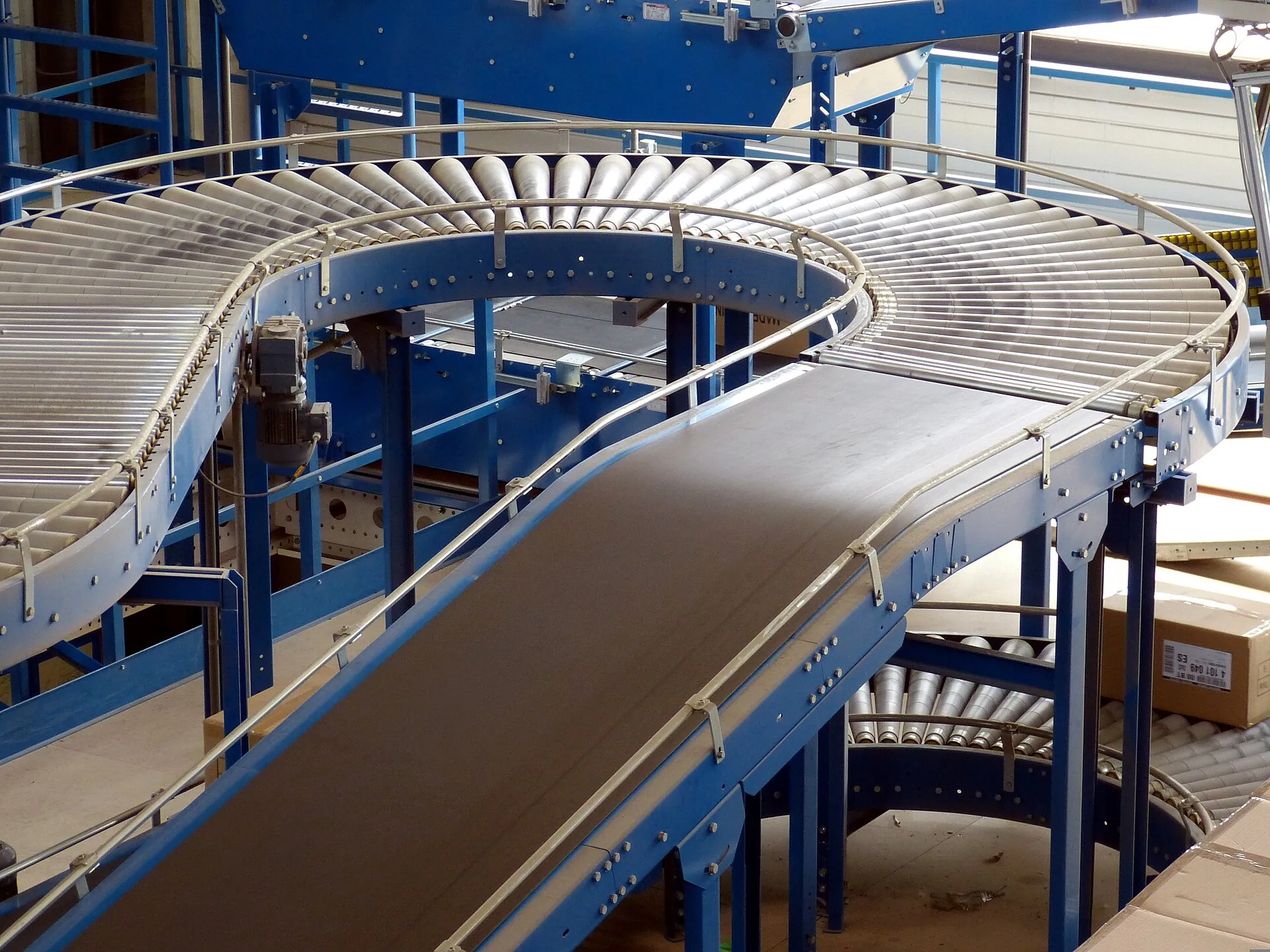
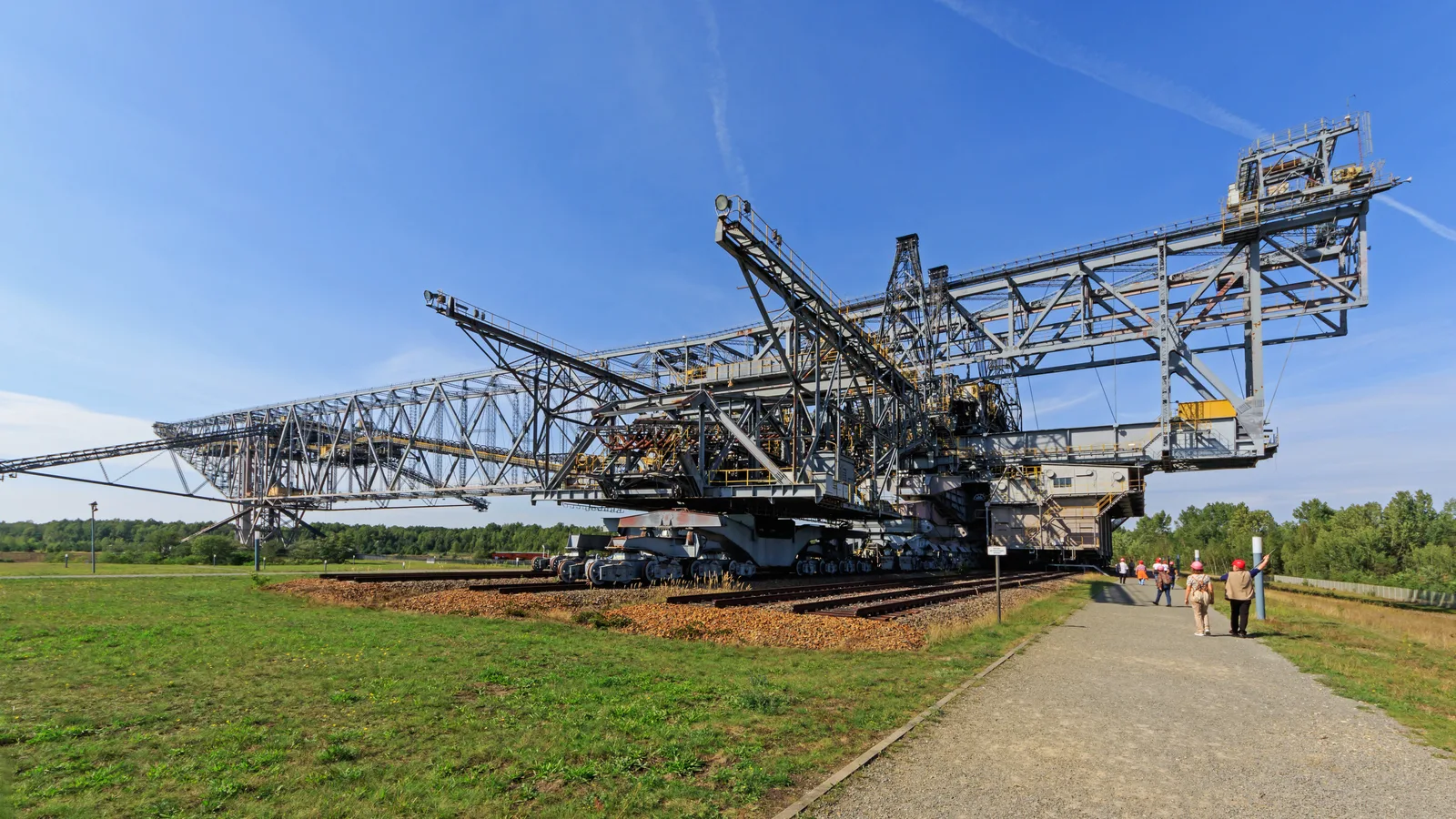
The same distinction applies to the hardware. Simandou's conveyors are large overland systems, and the component questions for such systems - drives, idlers, belt specification - remain equipment questions with equipment answers. What changed in Wuxi is the contracting layer above them. For buyers of large conveyor systems, the tender increasingly produces two documents: an equipment specification and a service specification. The first decides what is installed. The second decides how it will actually run - and it is now being signed at the same table, by procurement, from the start.
Manufacturer announcements and our analysis are distinguished. Product claims require verification for the specific application.
Sources
BOTON and SimFer sign long-term conveyor system services agreement for Simandou iron ore project ↗International Mining news report of 18 September 2026 on the agreement signed in Wuxi on 14 September 2026: the expansion from belt supply and installation to long-term intelligent operations support and lifecycle services, the global launch of BOTON's SERV offering and its stated service capability list. The SERV principle descriptions and capability claims are the supplier's, published at its own launch, and this article treats them as such.
BOTON–SimFer Simandou conveyor deal: lifecycle and reliability notes for engineers ↗Technical brief of 19 September 2026 reviewing the agreement's implications: continuous condition monitoring and predictive diagnostics under OEM service, tighter control of belt tension, wear and splice performance where monitoring integrates with OEM design data, and the wider adoption of OEM–operator service models on high-tonnage mining conveyors.
BHP and BOTON to advance intelligent, lower-carbon mining conveyor systems ↗Report of 27 July 2026 on the BHP–BOTON global framework agreement signed earlier in 2026, extending that partnership beyond product supply to technology development, lifecycle support, sustainability initiatives and global service capability, including intelligent equipment explored at the Escondida copper mine. Used as corroboration that the Simandou agreement follows a wider contracting pattern, not as part of the Simandou event itself.