A vulcanizing-press maker founded in 1962 changes hands
REMA TIP TOP, the Poing, Germany-based conveying and surface-protection group, announced on 5 September 2025 that it is acquiring significant assets and operations of the Canadian Almex Group, one of the world's leading manufacturers of conveyor belt vulcanizing presses and splicing systems. Almex was founded in Parry Sound, Canada, in 1962, and its equipment is installed in more than 120 countries. Under the deal, Almex keeps its brand identity, its experienced teams and its global manufacturing network. The retained footprint is specific: production facilities stay in Canada, China and Spain, and operating companies in the Netherlands, the United States, Australia, Indonesia, Chile and Peru remain unchanged. The buyer is of a different scale: REMA TIP TOP reported sales of more than 1.5 billion euros for the 2024 financial year, employs 10,000 people and counts more than 200 subsidiaries and associated companies, with a service network that reaches most mining regions directly.
An asset deal: what transfers, and what was not disclosed
The wording matters for buyers. REMA TIP TOP is acquiring 'significant assets and operations', and trade coverage describes a definitive agreement as signed; neither the announcement nor the coverage discloses a purchase price or a closing timetable. Asset transactions transfer selected contracts, stock and obligations rather than everything by default, so the continuity promises in the announcement - brand, teams, plants - are statements of intent that each existing customer still has to map onto its own paperwork. Our read: the price is the least useful number in this deal. What determines whether an installed-base owner feels the change is which legal entity now stands behind press warranties, spare-parts supply and service agreements signed with Almex entities - and that is answerable only contract by contract, not from the press release.
Mexico, Brazil and Africa move to a channel-partner model
One structural change is named outright: in Mexico, Brazil and Africa, REMA TIP TOP and Almex Canada Ltd. will serve customers as channel partners, rather than through the operating-company structure that stays in place elsewhere. For mines and plants in those regions, the party that quotes a press, holds spare heating elements and pressure systems, and answers a breakdown call may change even though the Almex nameplate does not. Buyers in the three regions should therefore confirm, in writing, who stocks consumables and critical spares locally, who performs warranty work, and what response times apply - before the next planned splice, not during an unplanned one. Joint integration teams have already started work, according to the announcement, with business continuity as the stated focus; the channel detail is where that promise will be tested first.
The press is a specification item, not a workshop accessory
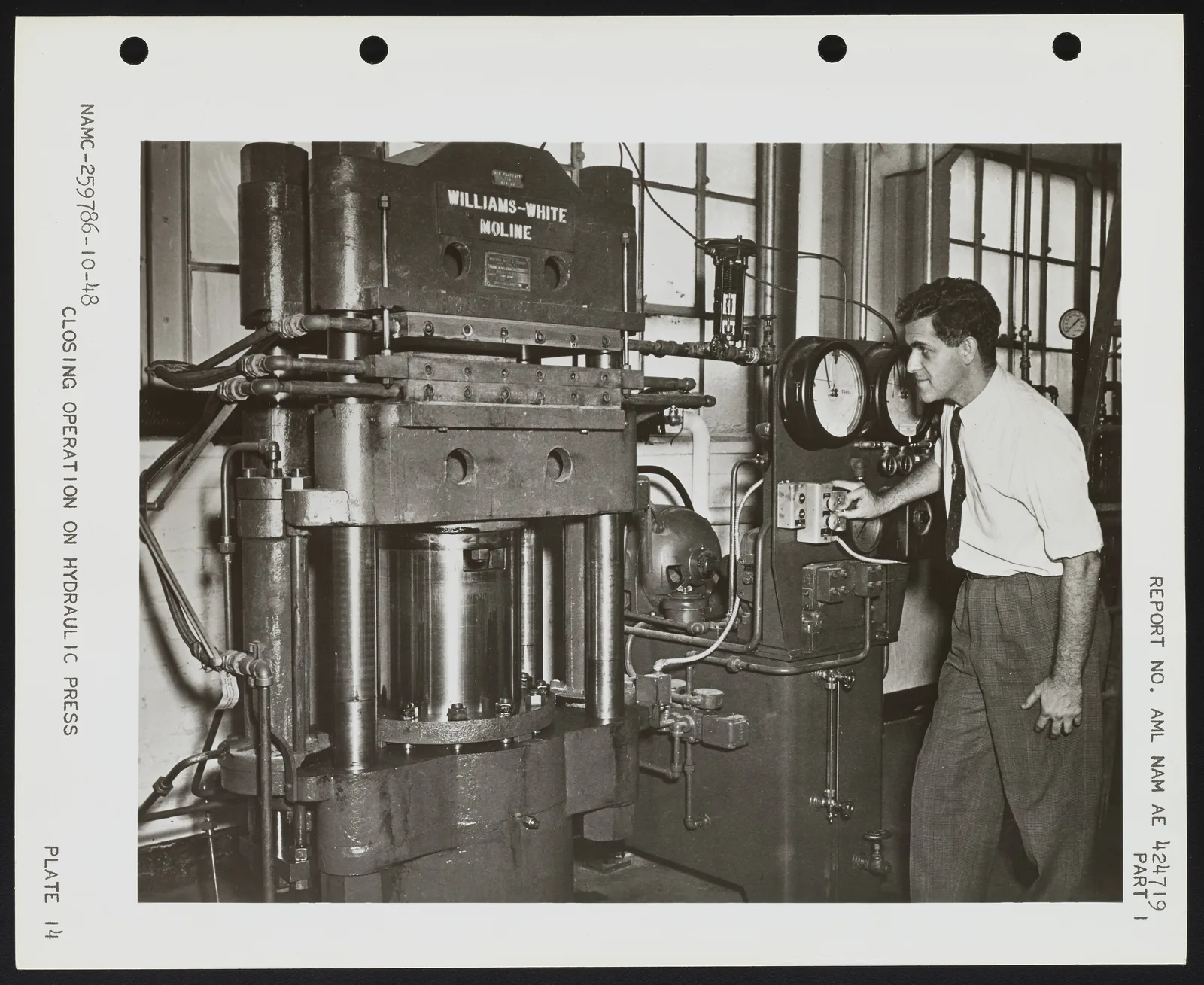
Every hot splice on a steel-cord or fabric belt is only as good as the press cycle behind it: platen size against belt width and splice length, pressure and temperature uniformity across the joint, controlled cooling, and the total cycle time that decides how long the line stands still. When the maker of that equipment changes owner, the specification questions a buyer should re-ask are concrete: are press settings and splice procedures for the installed fleet documented and transferable? Are heating elements, pressure bags and control spares still stocked for older models? Do splice materials from other suppliers remain validated on these presses? None of these questions implies a problem with the equipment itself: Almex presses are a long-established installed base, and the announcement stresses continuity. The point is narrower. An ownership change is the cheapest moment to get the answers on paper, because it is the moment the seller is organised to give them.
Belts, splice materials, presses and crews under one network
“The integration of Almex into the REMA TIP TOP family marks a major milestone. Together we combine technical excellence and innovation, top-class service standards, and customer focus to drive global growth. Our customers will benefit from expanded capacities and our worldwide service network,” said Michael Übelacker, chief executive of the REMA TIP TOP Group. The group adds that Almex gains access to expanded research and development capacity, international supply networks and a larger customer base. The strategic shape is vertical: REMA TIP TOP already sells belting products and wear protection and runs one of the largest conveyor service networks in the industry - earlier steps such as the Polytechna acquisition in Switzerland densified that network - and it now also owns a leading maker of the machines that service crews use to join belts. For buyers, consolidation at the tool layer is a different question from consolidation among belt brands: it affects who sets press standards, training and splice quality assurance across service contracts.
Before the next press purchase or splice contract: four checks
First, identify the entity that now warrants your installed Almex presses and holds spare-parts stock for your models. Second, if your sites are in Mexico, Brazil or Africa, get the channel partner's name, stocking list and service response terms in writing. Third, re-verify that your splice materials, procedures and press settings remain validated as a set after the ownership change. Finally, write press availability, spare-parts lead times and splice quality records into the next service contract, rather than contracting belt tonnage alone. This article covers the equipment layer of the splice trade; how to choose a splice itself is covered in our earlier guide to belt splice selection, and service-contract terms were examined in our lifecycle-services article.
Manufacturer announcements and our analysis are distinguished. Product claims require verification for the specific application.
Sources
REMA TIP TOP - Acquires Key Assets of Almex Group ↗REMA TIP TOP's own announcement, 5 September 2025: acquisition of significant assets and operations of the Canadian Almex Group; Almex keeps its brand, teams and production facilities in Canada, China and Spain; Mexico, Brazil and Africa to be served with Almex Canada Ltd. as channel partners; chief executive Michael Übelacker's comment and the group's 2024 figures (sales above 1.5 billion euros, 10,000 employees, more than 200 subsidiaries) are taken from this release. Purchase price and closing timetable were not disclosed.
Aggregates Business - REMA TIP TOP locks in Almex Group acquisition ↗Aggregates Business, 17 September 2025, independent trade coverage confirming the acquisition after a definitive agreement was signed; it restates the retained brand and manufacturing network, the production facilities in Canada, China and Spain, the unchanged operating companies, and Almex's 1962 founding in Canada with installations in more than 120 countries.
bulk-online - REMA TIP TOP Acquires Key Assets of Almex Group ↗bulk-online's publication of the announcement text, used to corroborate the release wording, including the channel-partner arrangement for Mexico, Brazil and Africa, the retention of Almex's brand identity and teams, and the start of joint integration planning focused on business continuity.
Dry Cargo Magazine - REMA TIP TOP strengthens its Swiss conveyor market position ↗Dry Cargo Magazine on REMA TIP TOP's acquisition of Polytechna AG in Switzerland, an earlier step in the same pattern of densifying its conveyor service network through acquisition; cited only for that network build-out context, not for any fact about the Almex transaction itself.