Three associations, one battery rulebook for the sorting hall
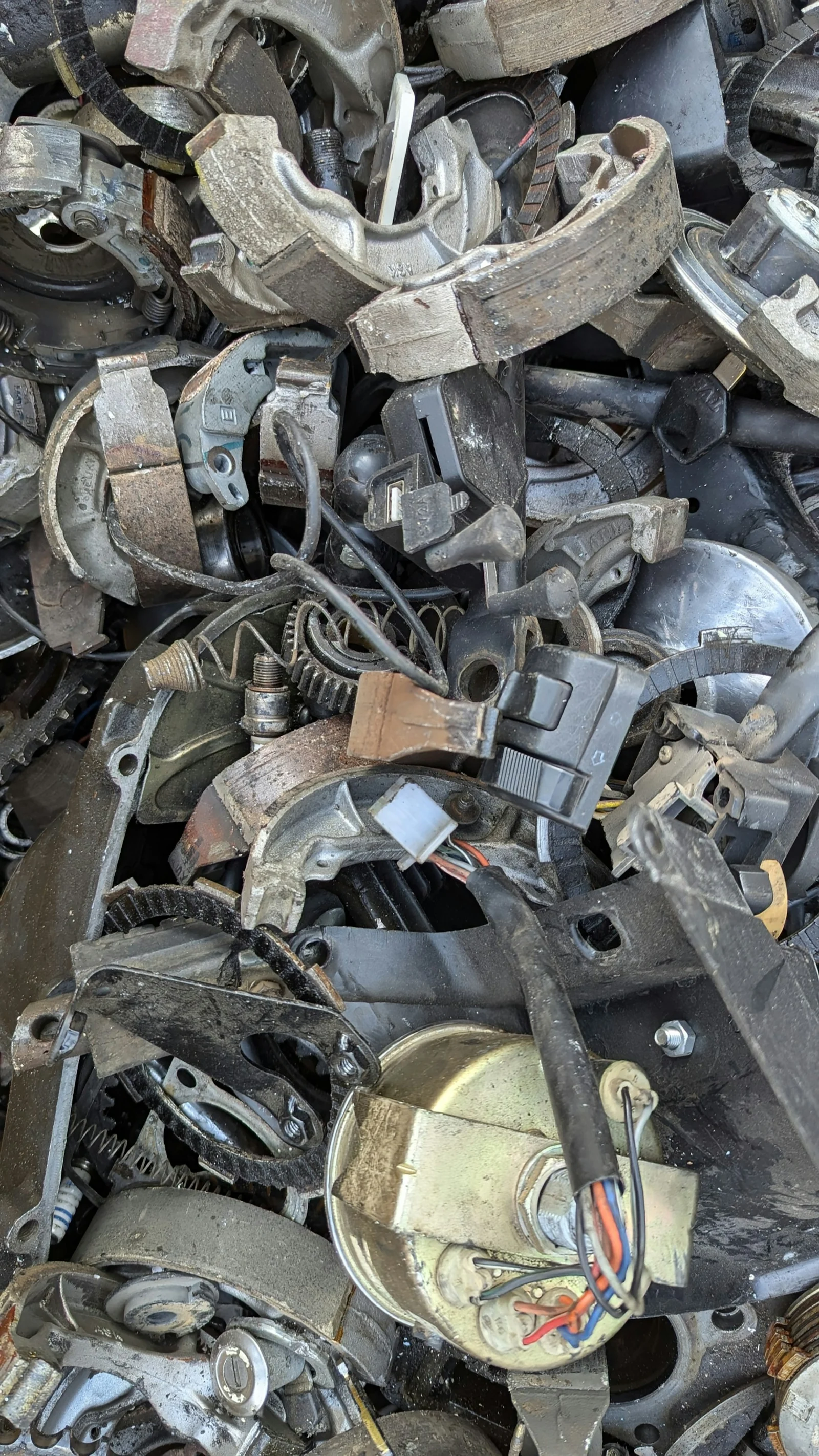
Three US waste and recycling associations — the National Waste & Recycling Association (NWRA), the Recycled Materials Association (ReMA) and the Solid Waste Association of North America (SWANA) — released an updated edition of their joint battery-management guide for materials recovery facilities (MRFs) on 18 December 2025. The document, the Guide for Developing Lithium-Ion Battery Management Practices at Materials Recovery Facilities, updates a framework the sector first published in 2020 and is listed by SWANA as updated in September 2025. Its stated scope runs from operational practices and employee training to storage and handling procedures, customer messaging and emergency response planning. “The rise in lithium-ion battery fires is one of the most urgent safety issues facing the waste and recycling sector,” said Amy Lestition Burke, chief executive officer of SWANA, at the launch. ReMA president Robin Wiener pointed at the stream itself: batteries are arriving “often hidden inside everyday items and placed in the wrong recycling streams where they pose significant fire risks.”
448 reported fires in 2025: the counts behind the guidance
The guidance lands on a worsening count. Fire Rover’s annual tally, as reported by Waste Advantage Magazine, recorded 448 publicly reported fires at waste and recycling facilities in the United States and Canada in 2025 — the highest year on record, up from 430 in 2024 and 373 in 2023, and about 25 percent above the long-run average of 360. July 2025 alone produced 56 reported fires, the busiest single month tracked. NWRA estimates the true total exceeds 5,000 fires a year once small, unreported incidents are counted, and a separate analysis cited in the same reporting put direct property damage near $2.5 billion, with almost 100 catastrophic losses recorded over the period covered. The editorial conclusion of this journal is direct: battery interception is now a line-design input backed by published industry guidance, and it belongs in the equipment request for quotation next to throughput and recovery rate — not in a safety file opened after commissioning.

Inside the guide: recovery points, removal rules and damaged-battery storage
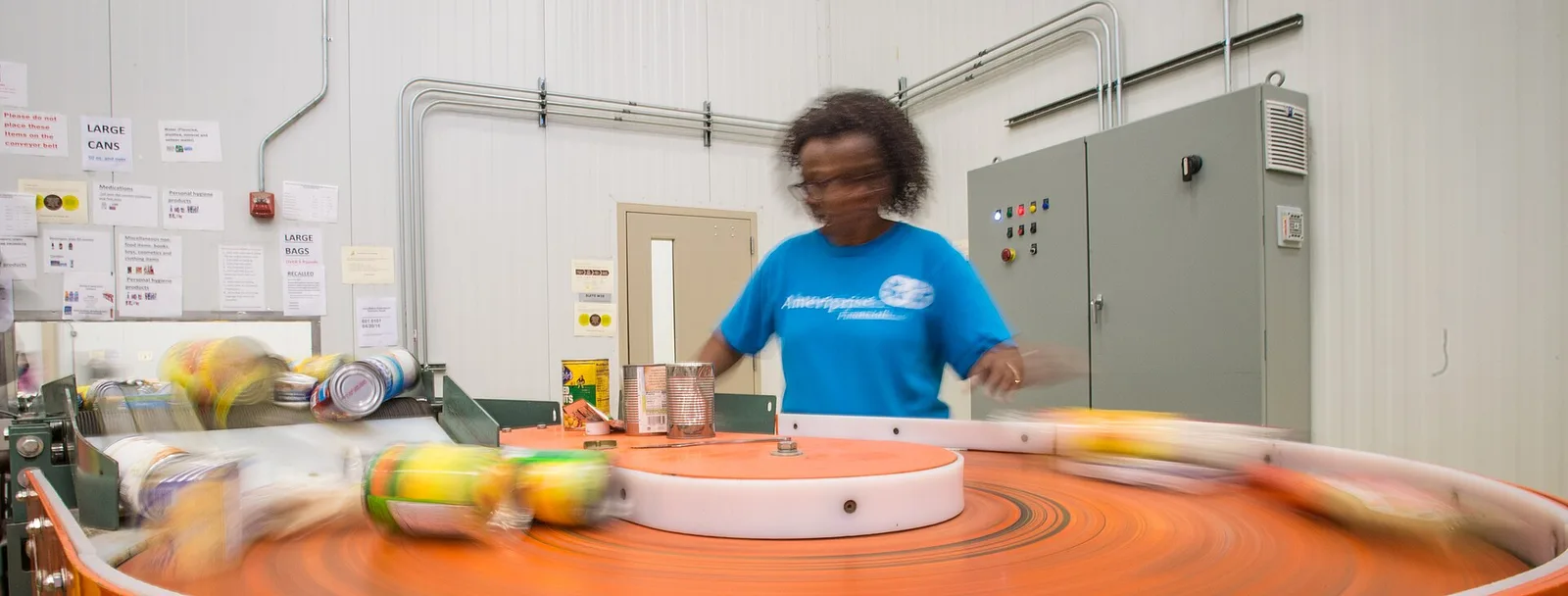
The guide treats the MRF as a chain of interception points rather than a single checkpoint. Its sections, as set out since the first edition, cover contractual language — batteries declared unacceptable in residential streams, clear responsibility and cost allocation for batteries found in inbound loads, and a monthly report of batteries found, held and disposed of — followed by inbound material control, designated battery recovery locations, battery identification (including soft-sided cells that generate their own oxygen), removal by frontline employees, a damaged-battery protocol under which damaged units are never stored with undamaged ones, end-of-day transfer to long-term storage, facility inspection and maintenance, fire suppression, housekeeping and response planning. Two limits matter for buyers. The document is a management-practice framework, not an equipment standard: it assigns outcomes and responsibilities and leaves the detection hardware to the operator. And its response content assumes the battery is found by a person — exactly the assumption the newest detection systems are designed to retire.
Detection on the belt: AI cameras read the surface, X-ray reads through the pile
The detection layer that has emerged alongside the guide works in two passes — a distinction drawn in a Waste Advantage Magazine feature written by a detection vendor’s head of strategy and therefore vendor-framed. AI visual systems watch the tip floor and the sort line and flag exposed batteries, propane cylinders and aerosols in real time, but they cannot see through material. AI-powered X-ray reads density and composition through the burden depth and can find a lithium cell sealed inside a device or a bag. The two are pitched as complements, not substitutes. The reference deployment is Circular Services, which is installing and testing CP Group’s Sentry system — X-ray, RGB cameras and AI image analysis from CP Group’s MSS optical-sorting division — designed to extract a detected hazard automatically instead of stopping the belt for a manual pick, according to MSS sales director Felix Hottenstein, speaking to Waste Dive. “Technology can help us be able to focus on our daily tasks instead of becoming firefighters, which is not our job,” said Joaquin Mariel, chief commercial officer at Circular Services.
From guidance to specification: five equipment questions for the line RFQ
Read as a specification input — this journal’s method, not the guide’s text — the framework converts into five equipment questions. Detection coverage: which line positions get visual detection, which get through-burden X-ray, and what happens at transfer points where the material turns over. Extraction: whether a detected hazard is removed automatically, diverted, or handled by a belt stop, and who is authorised to restart the line. Acceptance testing: detection rate and false-alarm rate proven with seeded test pieces in the buyer’s own stream, not the vendor’s demonstration material. Suppression and layout: suppression coverage at bunkers and transfer points, plus floor space for the guide’s quarantine and long-term battery storage. Data: interception logging that produces the monthly battery counts the guide’s contract language already asks for, so the detection system’s record doubles as the compliance record. The regulatory horizon reinforces the spend: the US Environmental Protection Agency has said since 2023 that it intends to create a distinct universal-waste category for lithium-ion batteries, and NWRA’s Sara Bixby told Waste Dive that proposed-rule language might reach the Office of Management and Budget by the end of 2026 — an association expectation, not an agency commitment.
The buyer’s checklist: contract, line and layout
First, adopt the guide as the contract baseline: battery clauses in inbound-load agreements, named responsibility for found batteries, and the monthly found-held-disposed report written into operating contracts. Second, specify detection as two layers — visual for exposed hazards, X-ray for embedded cells — with seeded-piece acceptance tests and a stated false-alarm allowance. Third, design the removal path before ordering: automatic extraction or a defined belt-stop procedure, quarantine space for damaged batteries, and end-of-day transfer to long-term storage. Finally, log every interception and review the counts monthly; the same data feeds the contract report, the insurer conversation and the next line upgrade. The boundary with this journal’s mining coverage is deliberate: an earlier analysis covered FM insurance loss statistics for mining conveyors, and another covered mining safety devices as one specification system. This piece covers a different stream, a different ignition source and a different buyer — the sorting line, where the hazard arrives inside the material itself.
Manufacturer announcements and our analysis are distinguished. Product claims require verification for the specific application.
Sources
Recycling Today - associations release MRF battery guide ↗Recycling Today, 18 December 2025, reporting the release of the joint NWRA, ReMA and SWANA battery guide for materials recovery facilities; the launch quotes from SWANA chief executive Amy Lestition Burke and ReMA president Robin Wiener are taken from this report.
SWANA - lithium-ion battery resources and the joint guide ↗SWANA’s lithium-ion battery resource page, which hosts the joint guide and lists the current edition as updated September 2025; also the source for SWANA’s partnership with Fire Rover on facility fire reporting.
Mitchell Williams - summary of the MRF battery guidance document ↗Mitchell Williams law firm summary of the guidance document, used for the section structure — contractual language, battery recovery locations, damaged-battery protocol, storage, fire suppression and response planning — as set out since the first edition in 2020.
Waste Dive - Circular Services tests CP Group Sentry detection ↗Waste Dive, 14 August 2026: Circular Services’ installation and testing of CP Group’s Sentry detection system, MSS sales director Felix Hottenstein’s description of the system, Circular Services chief commercial officer Joaquin Mariel’s quote, and NWRA’s Sara Bixby on the expected timing of the EPA universal-waste proposal.
Waste Advantage Magazine - detection-first fire risk mitigation at MRFs ↗Waste Advantage Magazine, 3 August 2026: Fire Rover’s annual fire counts (448 publicly reported fires in 2025, 430 in 2024, 373 in 2023), NWRA’s estimate of more than 5,000 fires a year including unreported incidents, and the visual-versus-X-ray detection comparison; the feature was written by a detection vendor’s head of strategy and is treated in this article as vendor-framed.