A dated launch, with a specific maintenance target
Huawei and Shandong Haina Intelligent Equipment Technology announced a conveyor-idler monitoring solution at HUAWEI CONNECT in Shanghai on 17 September 2026. Huawei describes a combination of distributed optical-fibre sensing and AI-based acoustic analysis for coal-mine conveyors, with remote listening used to review abnormal sounds. This is a review of that September announcement, rather than a new launch on our publication date.
The development is relevant to buyers replacing an inspection routine, not only purchasing another instrument. A useful proposal has to connect the monitored conveyor with the people who investigate a warning and arrange an intervention. Those responsibilities can remain uncertain even when the sensing technology is described clearly.
The installation has a mechanical address
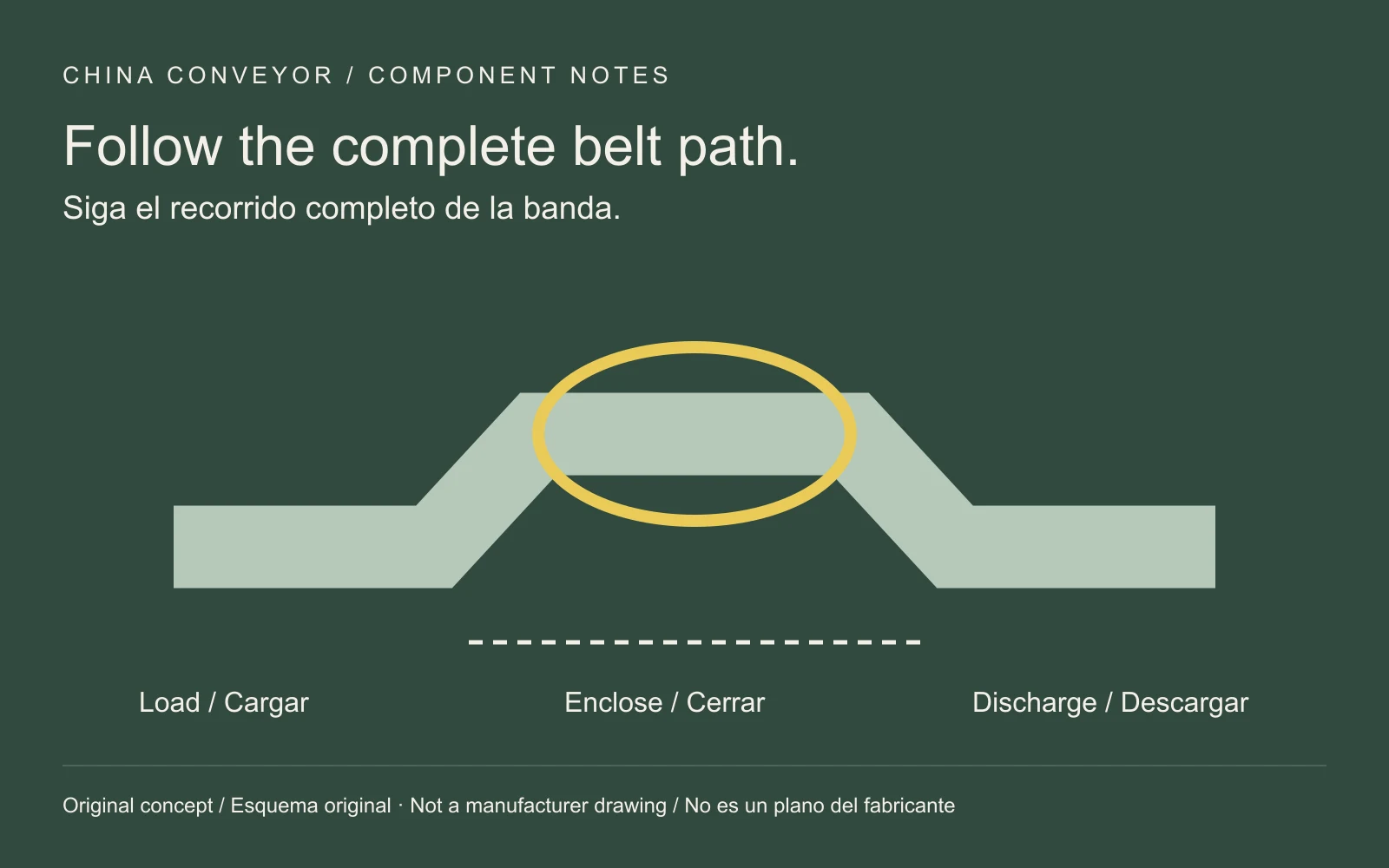
Huawei's product description places the sensing cable along the conveyor's steel frame. That makes the route, mounting arrangement and equipment identification part of the enquiry. A drawing should show which conveyor sections the offer covers and how its location references relate to the site's own asset register.
Before comparing prices, give suppliers the same route information. Include known interruptions in the structure, accessible service areas and changes expected during scheduled work. Ask the proposed supplier to explain how those features affect its installation scope; do not invent a cable layout from a marketing diagram.
A reported position is useful only when the maintenance team can relate it to a real location. Specify the handover record that links the monitoring display to the conveyor section and the relevant equipment reference. Include a process for updating that record after structural work or a route change.
These are project questions derived from the installation concept. They are not additional product capabilities verified by this publication.
Buy the response workflow with the alarm
Treat advertised detection and location figures as manufacturer claims to be discussed in an acceptance plan. Ask what operating conditions, event definitions and evidence support the proposed result at the actual installation. In particular, identify who reviews an event before it becomes a work order.
The commercial scope should name the owner of commissioning, operator training, remote access, retained event records and support after conveyor modifications. Ask how a lost signal or unavailable connection is presented to the responsible team, and who is expected to restore service. Monitoring coverage should remain visible when a system is partly unavailable.
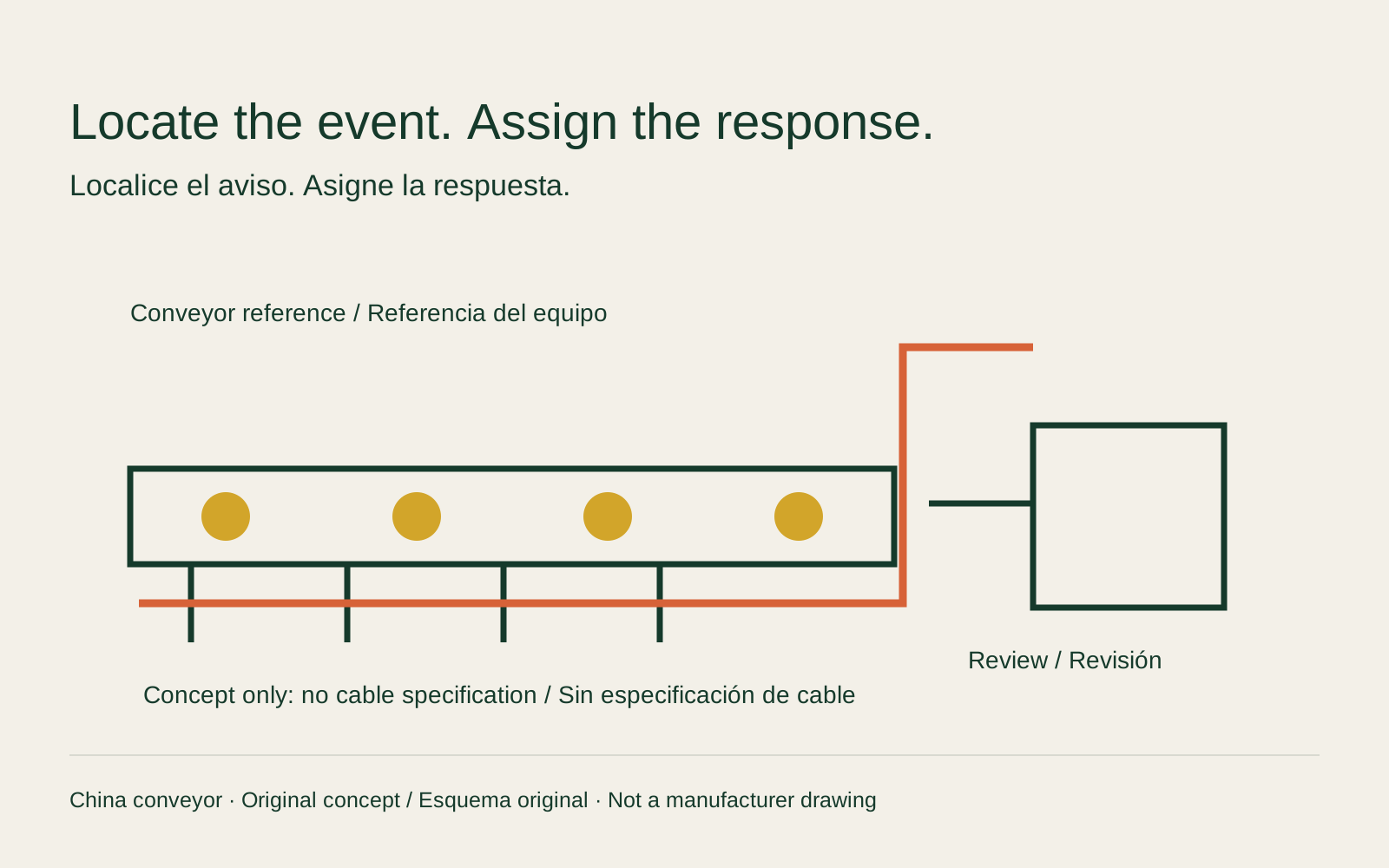
An alarm does not identify the correct spare part or authorise a maintenance procedure. Keep the existing equipment records and approved intervention process connected to the new information. A useful demonstration follows an agreed event from its display reference through review and documentation; it does not merely show an attractive dashboard.
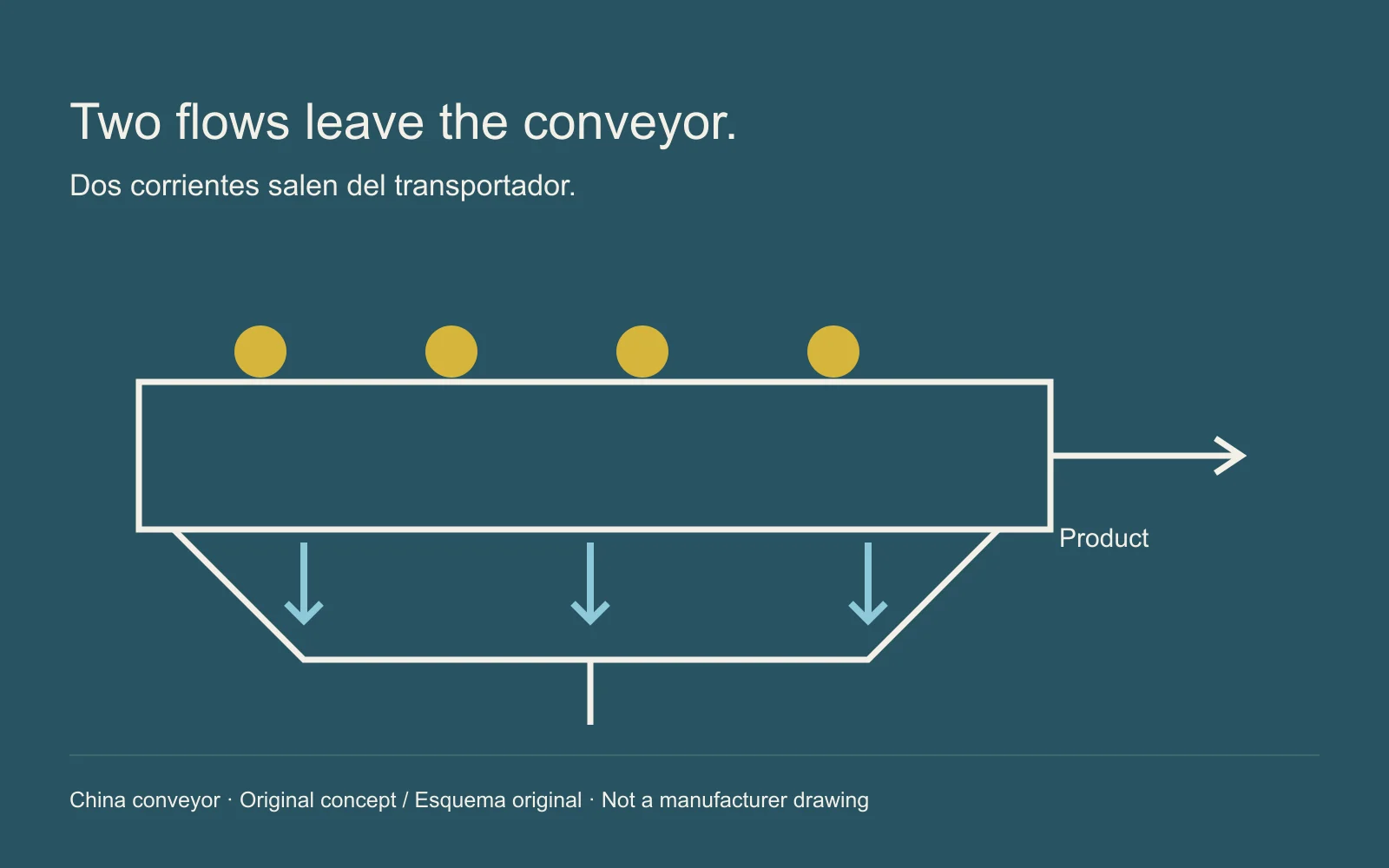
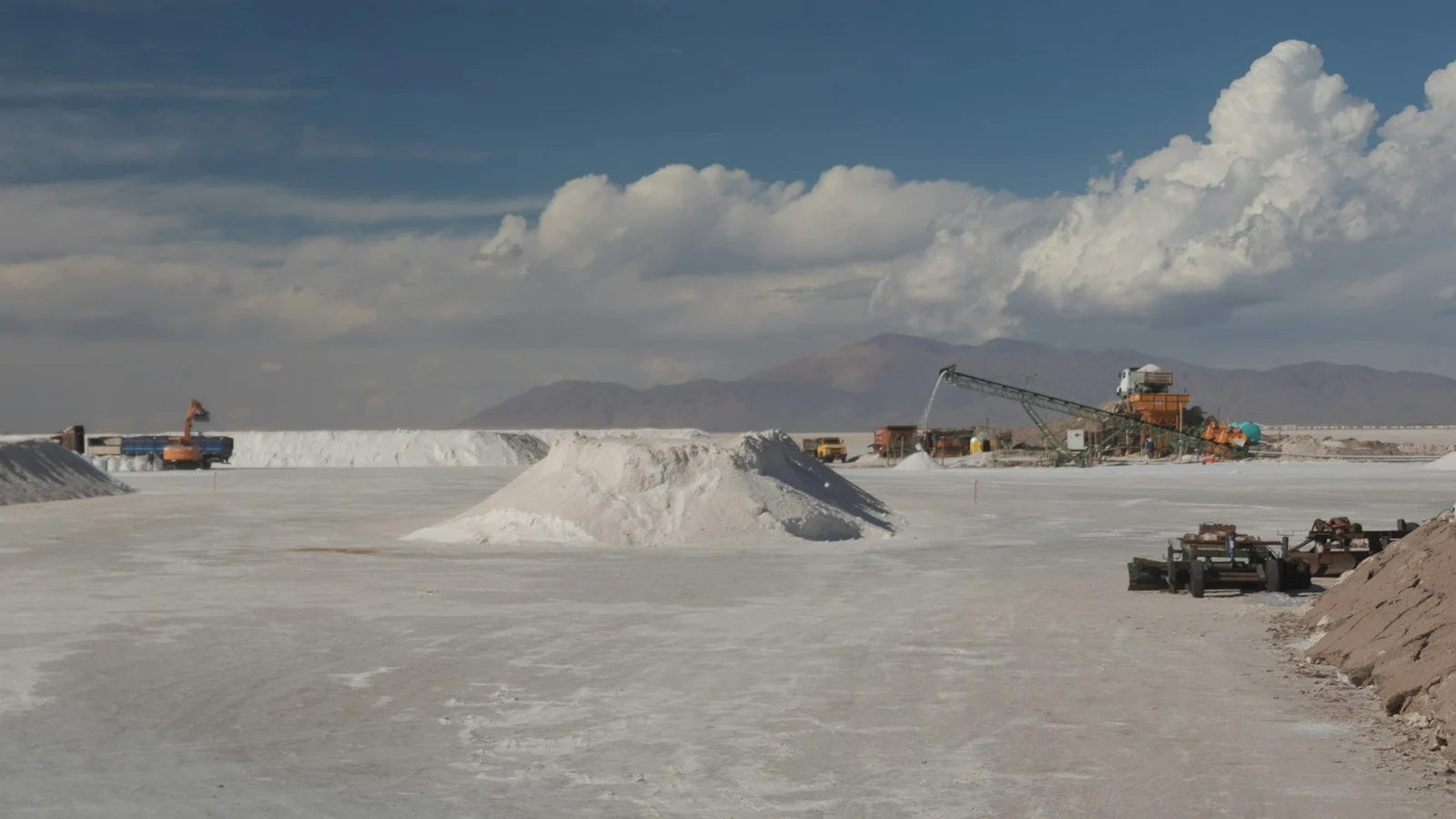
The salt-handling photograph provides general conveyor context in Argentina. It does not depict the Huawei–Haina system or a monitored coal-mine installation. The original illustration separates the conveyor route, sensing information and maintenance response without specifying a cable design.
Manufacturer announcements and our analysis are distinguished. Product claims require verification for the specific application.
Sources
Huawei — Huawei and Haina Technology launch optical-fibre sensing for conveyor idlers ↗Primary announcement dated 17 September 2026. Performance figures remain manufacturer claims; this article reports no independent field test.
Huawei — HUAWEI CONNECT 2026 new products, fibre sensing section ↗Primary product description identifies sensing cable along the steel frame and remote verification. Used to frame installation questions, not a wiring design.